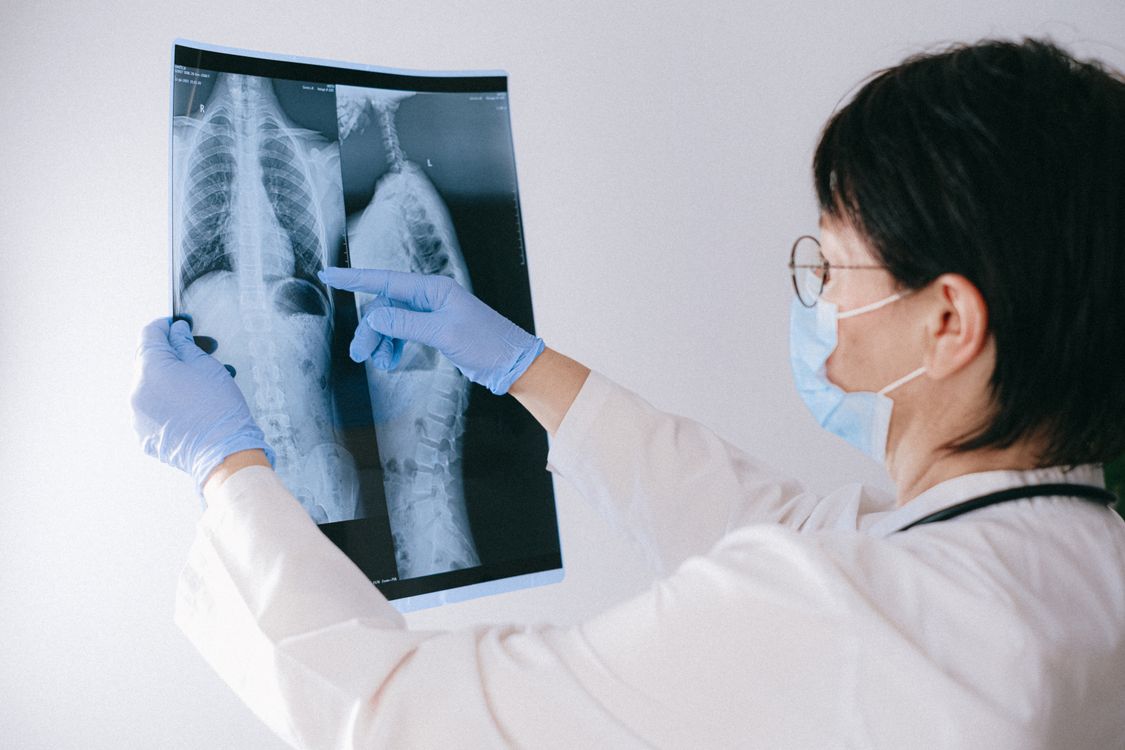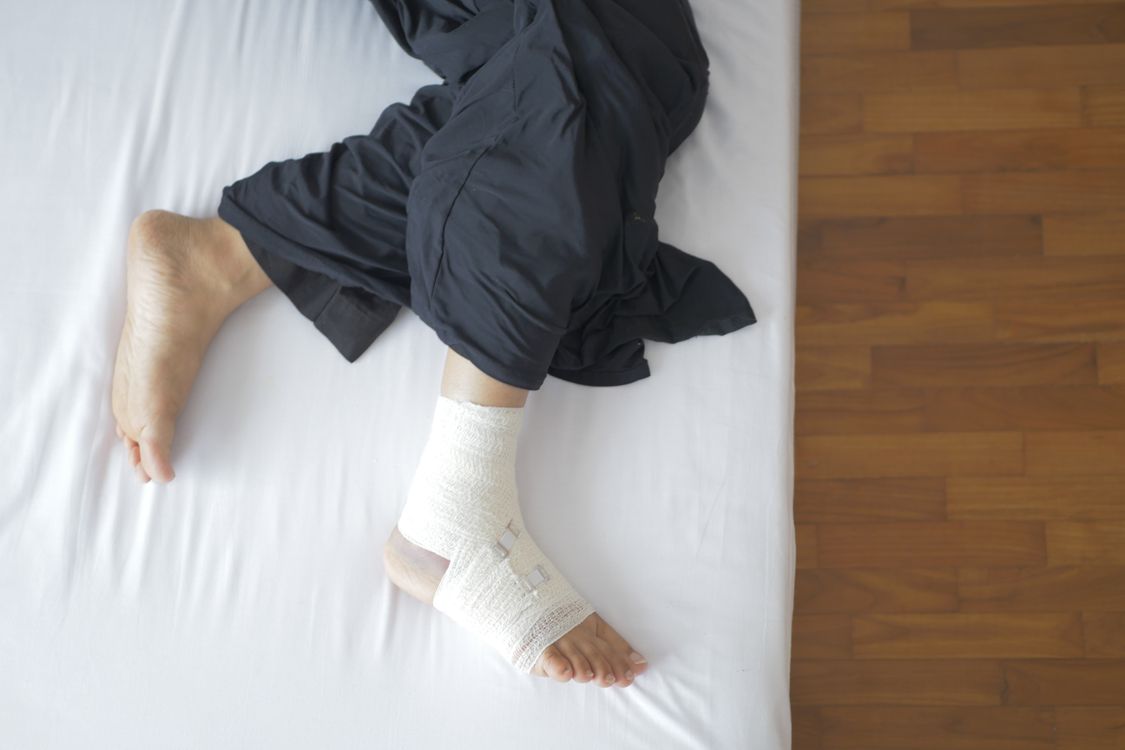
Yes, returning to work too early can affect your foot injury compensation claim. Insurers may argue that your injury is less serious than claimed, and any new damage caused by working too soon may be treated as separate from the original accident. Foot injuries are especially sensitive to early stress because standing and walking put weight on the healing area. Doctors stress careful rehabilitation to reduce complications in Lisfranc injury, such as post-traumatic arthritis and chronic midfoot pain.
When Can Returning to Work Early Hurt Your Foot Injury Claim?
When the Insurer Argues Your Injury Is Minor Insurance companies often treat an early return to work as proof that an injury is not serious. This argument can lower the value of your pain and suffering damages.
When Work Aggravates the Injury Standing, lifting, or climbing on an unhealed foot can worsen the damage. If that happens, the insurer may argue that later treatment was caused by your work activity rather than the accident.
When You Ignore Medical Restrictions Returning without medical clearance may be viewed as a failure to follow your doctor’s advice. This can weaken your credibility and your claim for future medical costs.
When It Affects Lost Wage Claims Once you start earning again, your lost wage claim may shrink. According to Bureau of Labor Statistics (BLS) data released in January 2026, private-industry injury cases involving time off required a median of 8 days away from work in 2023–2024. A Lisfranc injury can take far longer. Orthopedic specialists note that full recovery and activity may take 6 to 12 months, depending on severity.
What Laws Protect Injured Workers and Accident Victims?
The Duty to Mitigate Damages Most states require injured people to take reasonable steps to limit their losses. Following your doctor’s return-to-work plan is generally considered reasonable, while returning without clearance can raise questions.
The Family and Medical Leave Act Under 29 U.S.C. §2612(a)(1)(D), eligible employees may take up to 12 workweeks of job-protected, unpaid leave in a 12-month period. This applies when a serious health condition makes the employee unable to perform the functions of their job.
Workers’ Compensation Rules If you were hurt on the job, state workers’ compensation rules apply. Wage-replacement benefits may change once you return, so it is important to understand your state’s rules first.
What Evidence Can Help Protect Your Claim?
- Medical records showing your diagnosis, imaging, and treatment plan
- Written work restrictions from your doctor
- Physical therapy notes tracking your recovery
- Pay stubs showing missed time and reduced hours
- A personal journal describing pain, swelling, and limits on daily activities
What Steps Should You Take Before Returning to Work?
- Get written clearance from your treating doctor.
- Ask whether light or modified duty is safer than full duty.
- Share your restrictions with your employer in writing.
- Keep attending follow-up appointments and therapy sessions.
- Report any new pain or swelling to your doctor.
Frequently Asked Questions
1] Can I work light duty without hurting my claim? Often, yes. Working within written medical restrictions usually shows you are acting reasonably, but it may reduce the lost wage portion of your claim.
2] Why are lisfranc injuries often disputed? Lisfranc injuries are frequently mistaken for simple sprains, and early X-rays may look normal. Insurers sometimes use this to argue the injury is minor.
3] What if my employer pressures me to return early? Talk to your doctor and get your restrictions in writing. The FMLA or your state’s workplace laws may protect your job during recovery.
Key Points to Remember
- Yes, returning to work too early can reduce your foot injury compensation by weakening your claim and risking further injury.
- Insurers may use an early return as evidence that your injury is minor.
- Lisfranc injuries can take 6 to 12 months to fully recover.
- The FMLA may provide up to 12 weeks of job-protected leave for eligible employees.
- Written medical clearance and consistent treatment records help protect your claim.