Choosing orthodontic treatment can feel straightforward until you begin comparing appliances, providers, timelines, and costs. The decision involves more than choosing braces or clear aligners; it means understanding your bite, selecting a qualified clinician, and committing to follow-up care. For people considering treatment near Kirkland, local access and appointment logistics also matter. Washington’s 2024 Smile Survey found that 19% of third graders had untreated tooth decay, highlighting the importance of paying attention to oral health before making treatment decisions. A thoughtful consultation can help you understand what is necessary and what to expect.
Begin With the Diagnosis, Not the Appliance
It is tempting to start by asking whether braces or Invisalign are better. That question comes later. First, understand the issue being treated. Crowding, spacing, overbites, underbites, crossbites, impacted teeth, and jaw relationships can require different approaches. Teeth that look similar in photographs may have different underlying problems.
A qualified orthodontist should examine your teeth and bite and explain the findings clearly. Records may include photographs, digital scans, and X-rays when appropriate. Ask how the diagnosis affects your options, whether dental or gum concerns need attention first, and what a successful result should improve. Recommendations should reflect your anatomy and goals, not simply the appliance a practice promotes.
Choose a Provider Who Explains the Whole Process
Clinical skill matters, but so does the way a practice manages treatment. Orthodontic care involves repeated appointments, progress checks, adjustments, and decisions when teeth do not move as expected. Before committing, find out who supervises your care, how often you will be seen, and how the office handles urgent problems such as broken brackets or poorly fitting aligners.
If you are exploring care in Washington, visiting a family orthodontist in Kirkland may be worth considering when you want to discuss options for different ages within one practice. Ask about qualifications, appointment availability, and communication between visits. Convenience matters, but it should complement a careful assessment and clear treatment plan.
Look for Technology With a Clear Clinical Purpose
Digital scanners, three-dimensional imaging, and remote monitoring can make orthodontic care more convenient. These tools may help clinicians collect detailed records, plan tooth movement, and monitor progress. However, advanced equipment does not automatically mean better treatment. What matters is how the orthodontist interprets the information and uses it to guide decisions.
Ask whether imaging is necessary for your case and what it will help evaluate. Find out how the team checks progress and handles adjustments. Technology should support sound clinical judgment rather than replace it. A provider should explain the purpose of each tool without relying on technical language or marketing claims.
Understand the Full Cost Before Signing
Orthodontic treatment can continue for many months, so the financial agreement deserves attention. Request a written estimate and ask what it includes. The quoted fee may cover examinations, routine appointments, retainers, and refinements, or some services may cost extra. Clarify whether replacement aligners, broken brackets, and additional treatment time create separate charges.
If you have dental insurance, ask how benefits apply and whether the office submits claims on your behalf. Review deposits, payment schedules, interest, late fees, and transfer policies. A low monthly payment is not necessarily the lowest overall cost. Understand the financial commitment before signing consent forms.
Match the Appliance to Your Everyday Life
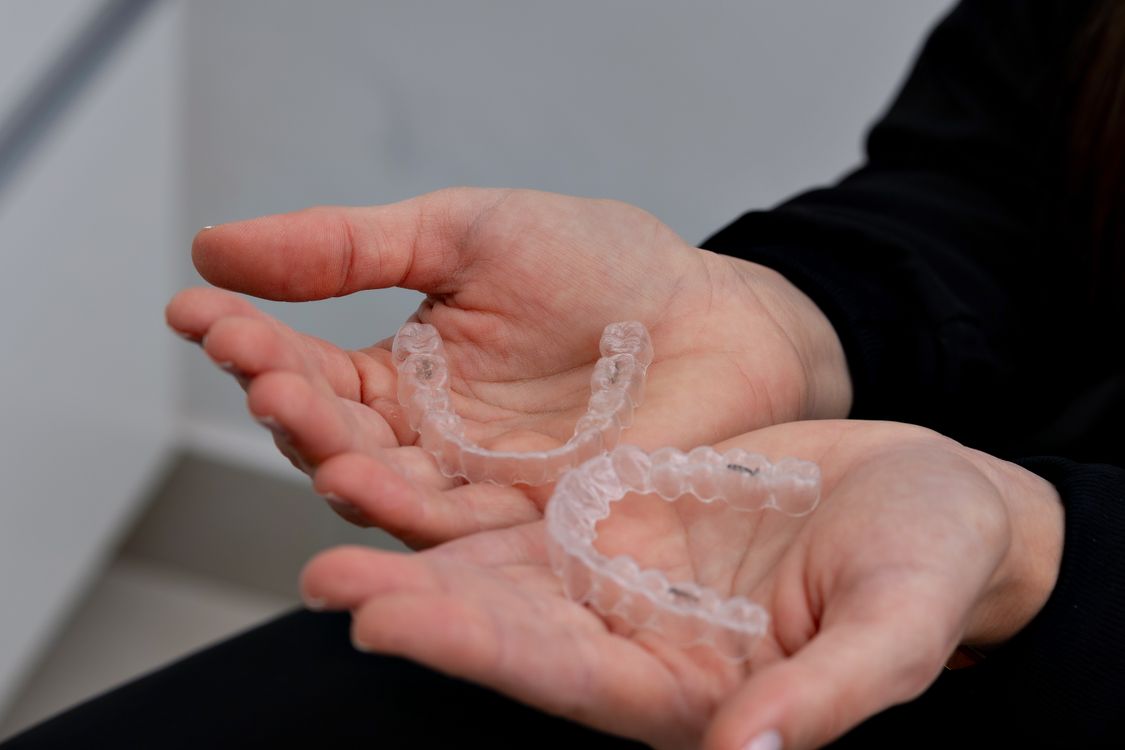
Clear aligners are discreet and removable, but they require consistent wear, often around 20 to 22 hours daily according to the clinician's instructions. They must be removed for meals and drinks other than water, then cleaned and stored safely. People who frequently snack, travel, or struggle with routines may find this discipline difficult.
Braces remain attached, so they do not depend on remembering to replace trays. However, they require careful cleaning and may involve dietary restrictions or temporary discomfort after adjustments. Consider sports, musical instruments, work, school, and travel. The best option is not necessarily the least visible one; it is the treatment that addresses your diagnosis and fits your habits.
The American Association of Orthodontists provides useful information about choosing an orthodontist and comparing treatment options. Use this information to prepare for a consultation and ask which choices suit your specific bite.
Make Retention Part of the Original Plan
Active treatment is only one stage of orthodontic care. Once braces are removed or aligner treatment ends, retainers help keep teeth in their new positions. Teeth can shift over time, making retention an essential part of maintaining results.
Ask whether you will receive a removable retainer, a fixed retainer, or both. Find out how often it should be worn, how to clean it, and what replacement costs look like. The American Association of Orthodontists explains why retainers remain important after treatment. Understanding this stage early helps you plan for long-term maintenance.
Notice How the Orthodontist Communicates
A consultation should leave you informed rather than pressured. The orthodontist should explain the diagnosis, outline realistic alternatives, discuss treatment time, and describe possible limitations or risks. You should feel comfortable asking questions. Be cautious if a provider promises guaranteed results, dismisses concerns, or urges you to sign before explaining the plan.
Treatment can change as your teeth respond. Aligners may need refinement, appliances can break, and progress may take longer than expected. Clear communication helps you understand why changes are recommended and what they mean for cost or timing. If you leave a consultation unsure about your treatment or responsibilities, consider seeking another professional opinion.
Commit With Clear Expectations
A good orthodontic decision balances diagnosis, provider qualifications, practical access, cost, lifestyle, and long-term retention. Compare written treatment plans rather than choosing on appearance or price alone. Ask questions until you understand the reasoning behind the recommendation, the appointments involved, and the care required after active treatment ends.
Orthodontics is a partnership between clinician and patient. When the plan reflects your needs, and you understand your responsibilities, you are better prepared to stay consistent throughout treatment. The goal is not simply a straighter smile, but a healthy, functional bite and a result that can be maintained over time.