You pay $9 for a sparkling cannabis drink at the bar, sip it like a cocktail, and wait for something to happen. Twenty minutes pass. Forty. Nothing obvious, just a low hum you can’t quite place. Meanwhile your friend takes two droppers of oil under the tongue and is noticeably relaxed before the ice in your glass has melted.
That gap isn’t a fluke, and it isn’t a sign the drink was weak. It’s basic delivery format at work. Beverages get absorbed through your stomach and small intestine first, which adds a delay that oils and tinctures skip entirely. If you’re shopping for a predictable experience rather than a ritual, that delay matters more than any label claim on the can.
Brands like CBDistillery built their following on selling formats side by side, oils, capsules, gummies, and drinks, which is exactly why comparing them in one cart teaches you more than reading ten marketing pages. The label rarely explains timing. Your own body will.
What actually happens after you swallow a cannabis drink
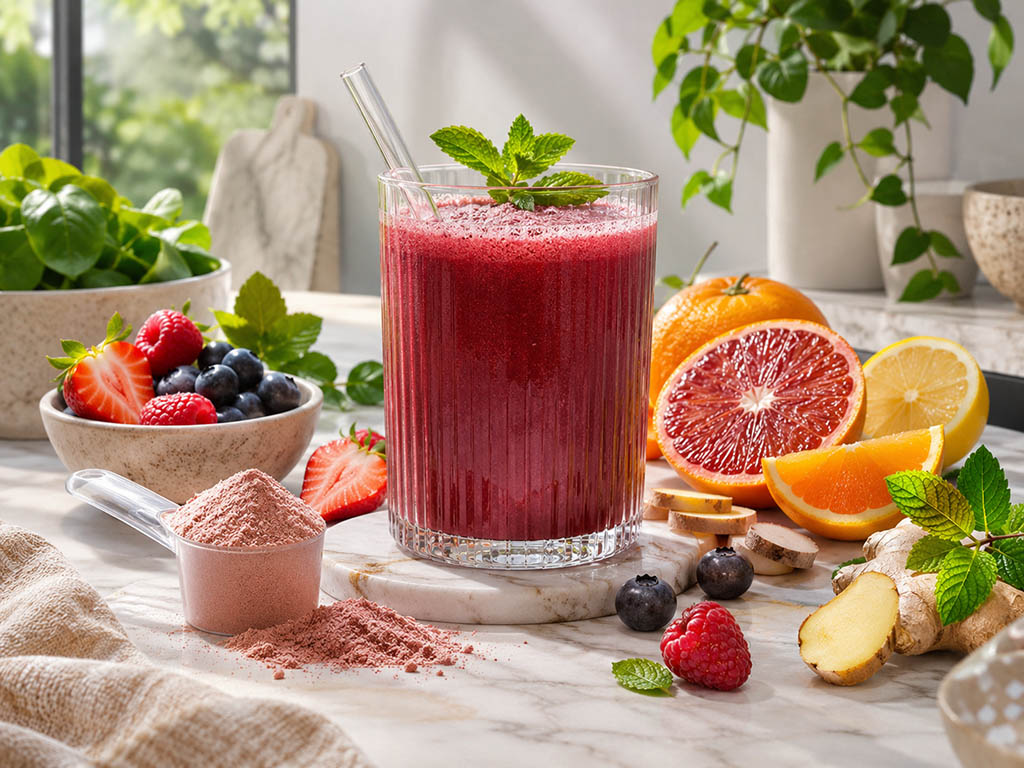
When you sip a cannabis beverage, the cannabinoids ride along with water, sugar, flavoring, and whatever emulsifier keeps the oil from separating. That emulsion is a real engineering problem. Oil and water don’t mix on their own, so manufacturers use gums, starches, or nano-emulsification to suspend the cannabinoids in liquid.
Once you swallow, the drink lands in your stomach. From there the cannabinoids move into your small intestine, get absorbed into the bloodstream, and travel to the liver before reaching general circulation. That liver pass is the part people forget. It slows everything down and changes what your body is actually processing.
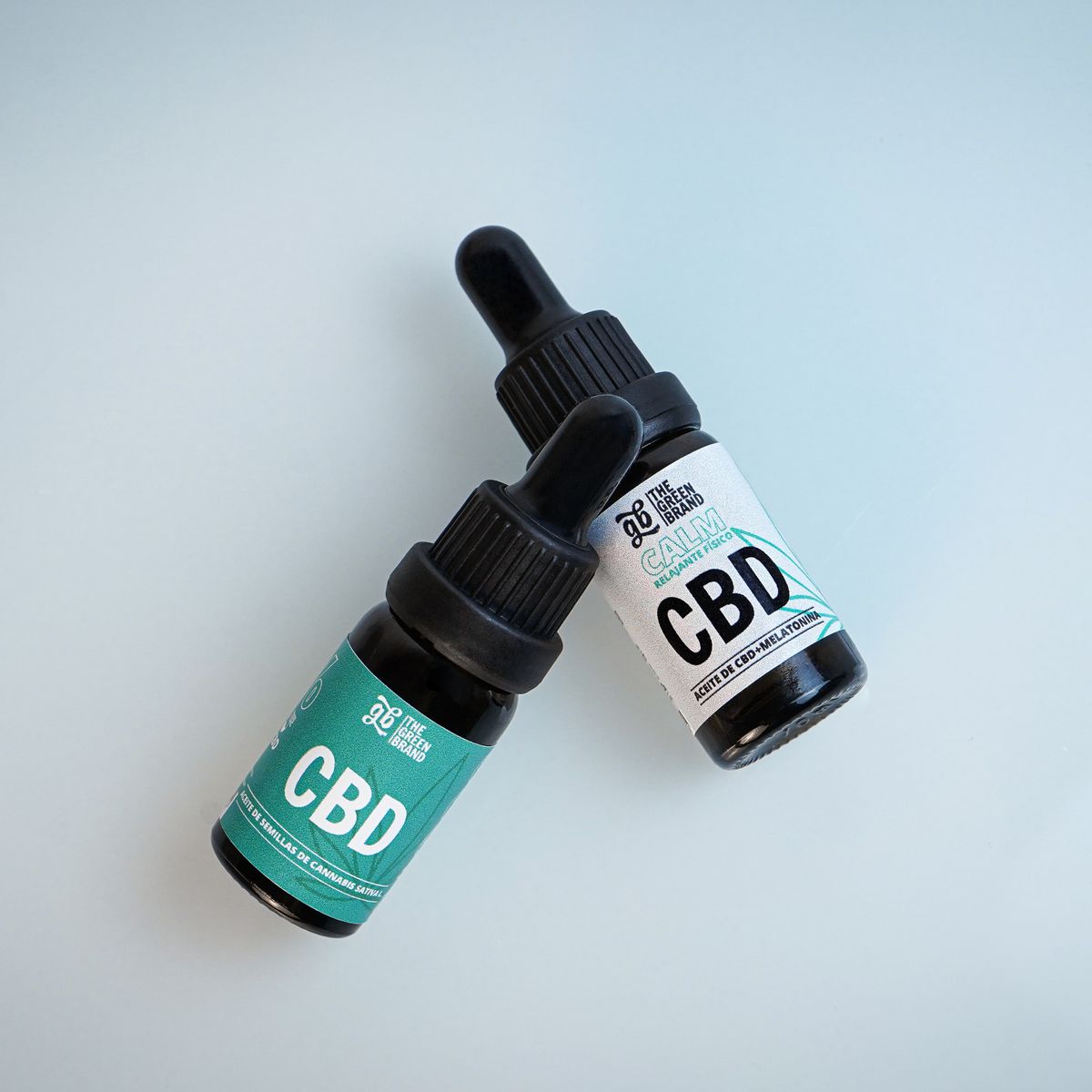
Compare that to a tincture held under your tongue. The tissue there is thin and heavily vascularized, so a meaningful share of the cannabinoids enters your bloodstream directly without a digestive detour. Faster onset, shorter duration, more control. Capsules and edibles behave more like drinks, just slower and, in my experience, far less consistent from one day to the next.
According to the National Institutes of Health, how a substance enters the body shapes how quickly it takes effect and how long it lingers, which is the same principle behind every dosing conversation in pharmacy. Format first, dose second.
So how long should you actually expect to wait?
Longer than the can implies. Beverage brands love words like “fast-acting” because they know you’ll compare their drink to a tincture in your head. The honest answer is that a cannabis drink behaves closer to an edible than to a sublingual oil, with a window that can stretch well past the point where you’d normally decide it isn’t working.
Here’s my rule: don’t judge a cannabis drink for at least two hours. If you’ve ever taken an edible, you already know this trap. You feel nothing at forty minutes, take more, and then everything arrives at once ninety minutes later. Beverages mostly follow the same curve, just with a shorter tail than a brownie.
That’s the key difference between a beverage and an edible entering through the same digestive route. Water-soluble cannabinoids can clear the stomach a bit faster than a dense fat-based baked good, so a drink may land slightly sooner. Slightly. Not dramatically. I’ve watched people finish two $8 cans expecting a beer timeline and end up overcaffeinated and confused by hour three.
What a bar tab taught me about beverage dosing
Last summer I sat at a dispensary lounge in Portland with a friend who manages a cannabis beverage brand. She ordered a 5 mg can, sipped it over ninety minutes, and told me most first-timers finish theirs in fifteen and then ask the budtender why nothing’s happening. Her team’s internal rule: half a can first, wait two hours, then decide.
That surprised me. A brand employee recommending less than a full serving, on a product she’s paid to sell? She shrugged. She’d rather a customer come back than spend an evening regretting a $12 drink. That conversation changed how I think about every “onset” claim on a label.
So here’s what I tell anyone new to cannabis drinks: treat the can like a two-hour project, not a beer. Set a timer on your phone. If you still feel nothing at 90 minutes, you can consider topping up, but you’re committing to another two-hour wait for that second round to fully land. Plan around your evening, not around your thirst.
A quick decision table for picking your format
Format shopping gets simpler when you stop asking which product is strongest and start asking how soon you need it and how long you want it to last. Here’s how the main categories actually differ in practice.
| Format | Typical onset feel | Duration | Best for |
|---|---|---|---|
| Sublingual tincture | Fast | Shorter | Precise, repeatable control |
| Cannabis beverage | Slow, digestive | Longer | Social sipping, evenings |
| Capsule | Slow, variable | Longest | Set-and-forget routines |
| Gummy | Slow, variable | Long | Flavor-focused users |
Personally, I keep a tincture at home and buy drinks only when I’m somewhere I’d otherwise be holding a cocktail. The ritual is the product in that setting. When I actually want an outcome by a specific time, the tincture wins nearly every time, and I say that as someone who genuinely enjoys a good cannabis seltzer.
Reading labels without getting played
Labels are where beverage brands stretch the truth hardest, mostly because regulators haven’t caught up. The Department of Health and Human Services has flagged that cannabinoid products need clearer oversight, and until labeling standards tighten, the burden falls on you.
Three things to check on any can or bottle before you buy:
Total cannabinoids per container, not just per serving. A can with two servings is easy to drink as one.
Whether the label says full spectrum or isolate, because that changes what else is in the formula.
The emulsifier listed. Gums and starches are common and fine, but they’re a hint about how the oil was suspended.
Ignore “fast-acting” entirely. Ask the budtender what customers report about onset instead. Staff hear the real feedback long before it reaches a marketing deck, and their answer is usually more useful than any number printed on the packaging.
Where the cannabis job market fits into all of this
One more thing worth knowing if you’re considering working in this space. Cannabis retail and production have become a real employment sector, and the Bureau of Labor Statistics tracks broad occupational categories that cover sales, agricultural production, and lab work across it. That matters because better-trained staff tend to give better format advice, and format advice is the whole ballgame with CBD.
A budtender who understands that a beverage is a slow-release format will steer you toward a tincture when you need something in thirty minutes. One who doesn’t will just sell you the prettiest can on the shelf. The difference is your evening.
The short version
Cannabis drinks are a pleasant, social, slow format. They are not a fast one, no matter what the can says. If timing matters, go sublingual. If the experience matters, buy the drink and give it two full hours before you make any judgment calls. Set the timer, sip slowly, and stop comparing a beverage to a tincture, because they were never playing the same game.
Next time you’re standing in a dispensary, ask one question before you pay: how long until I feel this, and how long will it last? If the answer surprises you, you’re talking to someone who actually knows the product. What did your last cannabis drink actually feel like at the two-hour mark?