
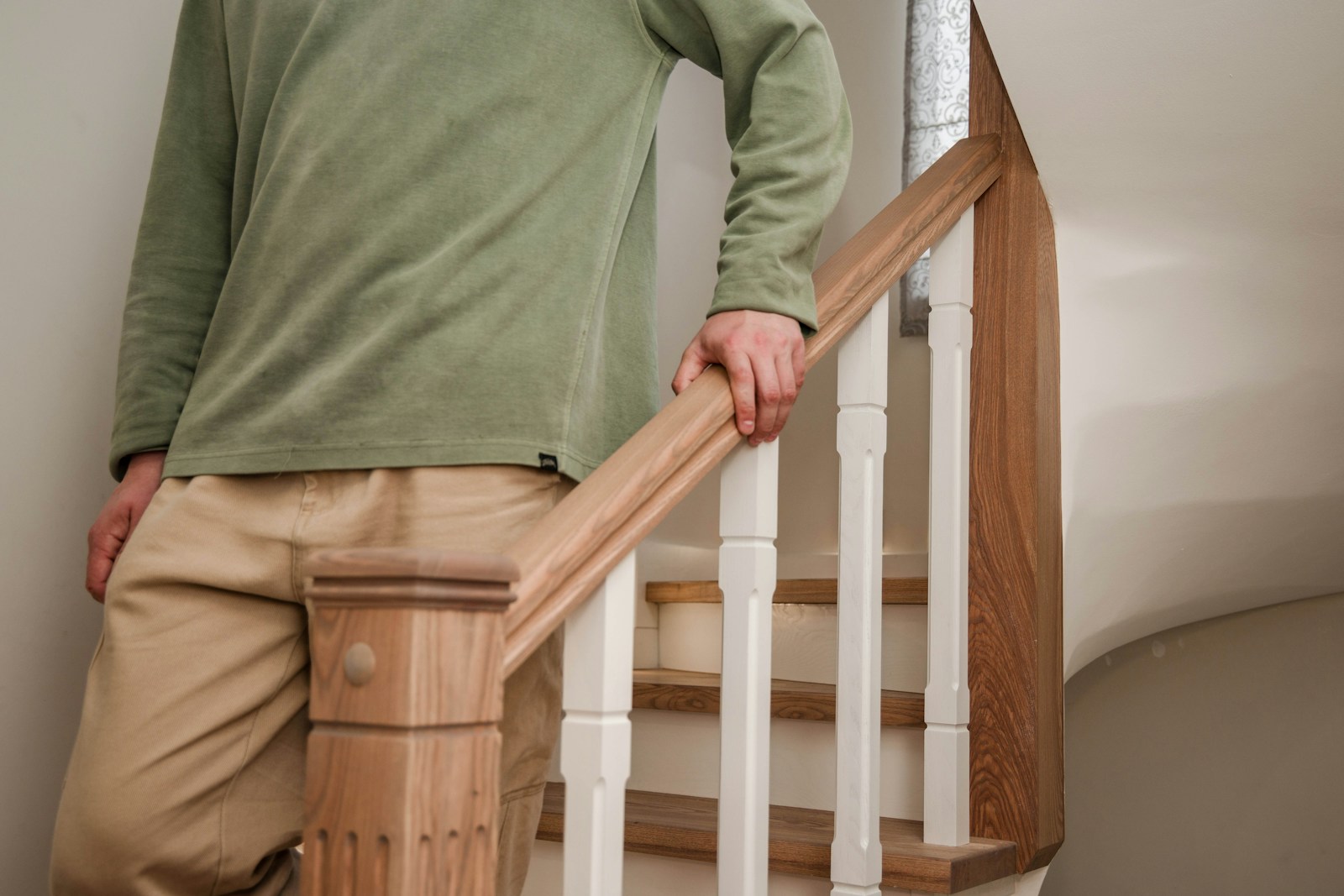
A 72-year-old arrives in emergency after a night-time fall in the bathroom. The usual checklist follows: blood pressure, sedatives, vision, footwear. Increasingly, a geriatric team adds one more line. Did the patient eat a cannabis gummy before bed?
Cannabis is also sold online in Canada, for example by Buy My Weed, which serves legal-age adults in British Columbia and ships only to Canadian addresses. Physicians and patients reading from the United States, or from any other country, have no way to order there.
Each province sets its own retail rules, and the age line runs 19 in most provinces, 18 in Alberta and 21 in Quebec, with BC at 19. Adult use has been legal nationally since October 2018. What follows is background on published evidence for adults, not medical advice and not a recommendation to use anything.
What Did Ontario’s Emergency Data Actually Show?
The clearest Canadian signal comes from Ontario. In 2024, a team led by geriatrician Nathan Stall published an analysis in JAMA Internal Medicine. It counted emergency visits for cannabis poisoning among adults aged 65 and over between 2015 and 2022.
The study found 2,322 such visits over 8 years. The median patient was 69.5 years old, and 55.2% were men. The rate climbed in two steps, matching the two stages of legalization.
After adjustment, the edible period carried 3.08 times the pre-legalization rate. Alcohol intoxication was present in 16.6% of visits, and 38.5% of patients had a cancer diagnosis. The authors flagged accidental ingestion, a lack of age-specific dosing advice and few good options for chronic pain and sleep.
California data point the same way. A UC San Diego team counted cannabis-related emergency visits among adults 65 and older. They rose from 366 in 2005 to 12,167 in 2019, a 1,808% relative increase. The researchers noted that cannabis can slow reaction time and impair attention, which may lead to falls.
The Ontario study did not measure falls directly. It measured poisonings severe enough to reach emergency care. Still, the same symptoms that bring an older patient in, such as dizziness and confusion, are the ones geriatric teams link to falls.
Why Are Older Bodies More Sensitive to THC?
THC is the main intoxicating compound in cannabis. Age changes how the body handles it, as it does almost every psychoactive substance. Clinicians usually point to five factors:
Delayed onset. A gummy may not peak for hours, and impatient users sometimes take a second one too early.
Slower clearance. Liver and kidney function decline with age, so effects can linger into the night.
Polypharmacy. This is the routine use of several medications at once. Sedatives, opioids and some antidepressants can stack with THC on alertness and balance.
Blood pressure drops. THC can lower blood pressure on standing, a familiar trigger for falls.
Gait and reaction time. Small delays in correcting a stumble matter more at 80 than at 40.
The Canadian Coalition for Seniors’ Mental Health addressed these risks in its national guidelines on cannabis use disorder, published in the Canadian Geriatrics Journal in 2020. The guideline team, funded by Health Canada, warned that cannabis effects can mimic ordinary aging. Drowsiness, dizziness, memory lapses and falls may be read as frailty rather than as a drug effect.
How Does BC’s Regulated Model Shape What Patients Buy?
In British Columbia, the Liquor Distribution Branch is the sole wholesaler of non-medical cannabis. Licensed private stores and the government chain, BC Cannabis Stores, buy from that single source. The first government store opened in Kamloops on 17 October 2018.
That structure matters for clinicians because every legal product reaches patients through federal labeling rules. Packages carry a standard THC symbol and list THC and CBD content. Edibles are capped at 10 mg of THC per package, a limit that sits under Health Canada’s federal cannabis regulations.
The cap does not make a 10 mg package low-risk for a frail 85-year-old. It does mean the dose is printed and knowable, which an informal product cannot promise. For patients who struggle with small print, the habit of learning to read product labels applies here as much as anywhere.
Which Fall-Prevention Steps Apply to Cannabis Users?
The Public Health Agency of Canada has long estimated that 20 to 30% of seniors fall each year. Cannabis does not change the core prevention toolkit. It adds a few specific questions to it:
Medication review. BC’s fall-prevention medication guidance recommends a review at least once a year. Residents taking 5 or more medications in the last 6 months may qualify for a pharmacist review.
Timing. An evening edible that peaks at 2 a.m. coincides with bathroom trips in the dark.
Alcohol. In the Ontario data, alcohol intoxication was linked to 4.2 times the rate of cannabis poisoning visits.
Strength and balance. Exercise remains the strongest fall-prevention lever, including programs for staying active outdoors.
Night lighting and footwear. Simple home fixes matter more when reaction time is slowed.

Photo by National Cancer Institute on Unsplash
What Clinicians Can Carry Into the Next Visit
Ask about edibles specifically, since many older patients do not call a gummy “cannabis use.”
Record product form and printed THC milligrams, not a brand name.
Treat new dizziness or unsteadiness as a reason to review cannabis alongside sedatives.
Fold cannabis into the existing falls assessment rather than running a separate conversation.
The Ontario numbers describe a population, not an individual patient. Used carefully, they give clinicians one more reason to look at the whole medication list when an older adult starts to wobble.
Frequently Asked Questions
Did Legal Edibles Increase Cannabis Poisonings In Older Adults?
In Ontario, emergency visits for cannabis poisoning among adults 65 and over rose after edibles became legal. The adjusted rate in 2020 to 2022 was 3.08 times the pre-legalization rate. The study shows an association, not proof of cause.
Is a Single Edible Package Safe for Seniors?
The 10 mg cap limits how much THC a single package holds. It does not account for age, frailty or other medications. Any decision belongs with the patient’s own clinician.
Why Does Cannabis Raise Fall Risk In Older People?
THC can cause dizziness, slower reactions and a drop in blood pressure on standing. Combined with sedating drugs or alcohol, those effects can tip an unsteady person into a fall.
Who Is Allowed to Order From a BC Retailer?
Only buyers with a Canadian address who meet the provincial age, which is 19 in BC. These sellers do not ship abroad, so patients in other countries fall under their own national and local laws.

