A short afternoon break can leave you wanting something sweet without the preparation of a full meal. A chewy fruit bite with a little seed crunch offers a convenient option, whether you are at your desk, between appointments, or away from home.
A useful way to evaluate fruit snacks containing chia seeds is to separate three questions: what creates the flavor, what the seeds contribute, and what the finished serving provides. Each part of the package helps answer a different question.
What Goes Into a Fruit and Seed Bite
The fruit base shapes much of the snack’s flavor and chewiness. Purées and concentrates can combine several fruits, so a berry-flavored bite may also contain apple ingredients. Reading the ingredient list reveals more than the fruit pictured on the package.
When comparing chia fruit snacks, consider how the fruit base, seeds, and other ingredients work together. Chia seeds contribute a small crunch, while ingredients such as pectin can help create the finished texture. Some recipes also include added dietary fiber or probiotics.
Small Seeds With a Noticeable Role
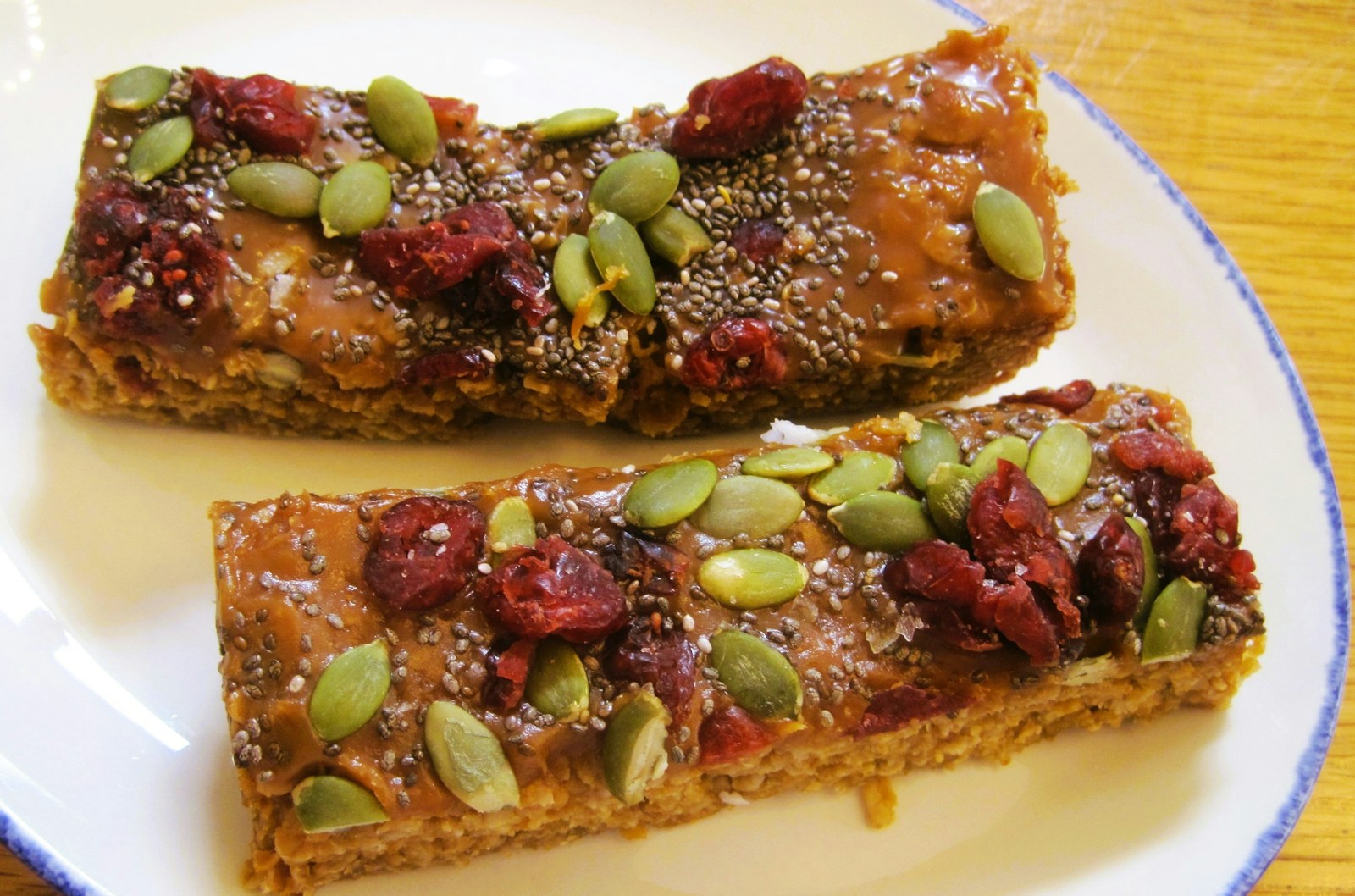
The chia seeds interrupt the smooth fruit base with a light crunch. If you prefer a more uniform chew, try a single portion before buying a multipack to decide whether you enjoy the texture.
The amount of chia matters when assessing nutrition. Nutrient figures for a spoonful of plain seeds don’t apply directly to a snack containing fruit and several other ingredients. The finished product’s nutrition panel is the relevant guide to what one serving provides.
A fruit-and-seed snack may contain fiber from several ingredients, including a separately added source such as soluble corn fiber. The ingredient list identifies those sources, while the nutrition panel reports the total fiber per serving.
Sweetness Needs More Than One Number
A fruit-based snack can taste sweet even when its label states that it contains no added sugar. Fruit ingredients contain naturally occurring sugars, which contribute to the total sugars listed on the nutrition panel. A no-added-sugar claim therefore does not mean the snack is sugar-free or low in calories.
Read total sugars and added sugars together. Added sugars are included in the total, so don’t add the two figures together. Calories and serving size provide further context for deciding how much fits your needs.
A compact fruit chew has a different form and recipe from fresh fruit. Choose it for occasions when a packaged bite is practical, while keeping whole fruit in your eating routine. The two offer different eating experiences and need not compete for the same role.
Fiber and Digestive Comfort
Consider the snack’s fiber alongside your meals and other snacks. A packet can contribute to your daily intake without providing a large share. Its usefulness depends on the amount listed per serving and what else you eat.
If the snack increases your usual intake, add fiber gradually to give your body time to adjust. Drinking sufficient fluids also helps fiber work effectively. Starting with the labeled serving is a practical way to judge how the snack fits your appetite and digestive comfort.
Some versions contain added probiotics, which are live microorganisms. Chia seeds themselves are not probiotics, and fiber content does not indicate how many live cultures a snack contains.
Probiotic effects depend on the specific microorganisms and amounts involved; a higher count alone does not establish greater benefit. You should not rely on a fruit snack containing live cultures to manage persistent digestive symptoms.
Read the Package With a Purpose
A useful label check should answer a few practical questions before you choose a pack for regular use:
How much is one serving? Check whether the figures apply to one pouch, several pieces, or another measured amount.
What does that portion provide? Review fiber, sugars, calories, and protein together rather than choosing on a single highlighted feature.
Does the recipe suit your needs? Read the full ingredients and allergen information, including any details relevant to your dietary restrictions.
How should it be stored? Follow the stated storage conditions and best-by date, especially for versions containing live cultures.
When comparing two options, account for different serving weights. A smaller serving may show lower numbers simply because it contains less food. For example, if one label describes a 20-gram portion and another describes 40 grams, comparing the figures directly can be misleading. Use the same weight when comparing nutritional composition, then consider the portion you actually expect to eat. For a hypothetical snack with 2 grams of fiber per 20-gram serving, 40 grams would provide 4 grams. That calculation lets you compare fairly with a product labeled per 40 grams, without suggesting you need to eat that amount.
Price per serving and packaging format can also help you assess value for your household. A multipack may be economical if you regularly use the portions, while a smaller purchase can make more sense when trying an unfamiliar flavor.
Match the Portion to the Break
During a short work break, one portion may be enough when you want something sweet, and lunch is approaching. Eat it at a pace that lets you notice its flavor and texture, then assess whether you are still hungry.
For a longer gap between meals, serve the fruit bites alongside plain yogurt or a small portion of nuts to add protein. Measure out the amount you want before combining the foods, so the fruit snack’s portion remains clear.
If your break falls near a workout, consider snack timing around exercise as well as the snack’s ingredients. Choose an amount and timing that you know feel comfortable, rather than assuming every fruit-and-seed product will suit the same situation.
For travel, choose a pouch you can open and finish conveniently. Follow its storage instructions, and keep any yogurt pairing chilled as directed. An unopened packet may be easier to carry between errands than a snack that needs utensils or preparation.
Choose With Taste and the Label in Mind
The appeal of a fruit-and-chia snack can be simple: you enjoy the taste and find it convenient. Its place in your routine should reflect your appetite, preferences, and the nutritional contribution of the portion you eat.
Let the complete recipe guide your choice rather than a single ingredient highlighted on the front. Once you find a suitable option, you can enjoy it on its own or pair it with another food for a more substantial snack.