How a Well-Maintained Heating System Protects Your Family’s Health
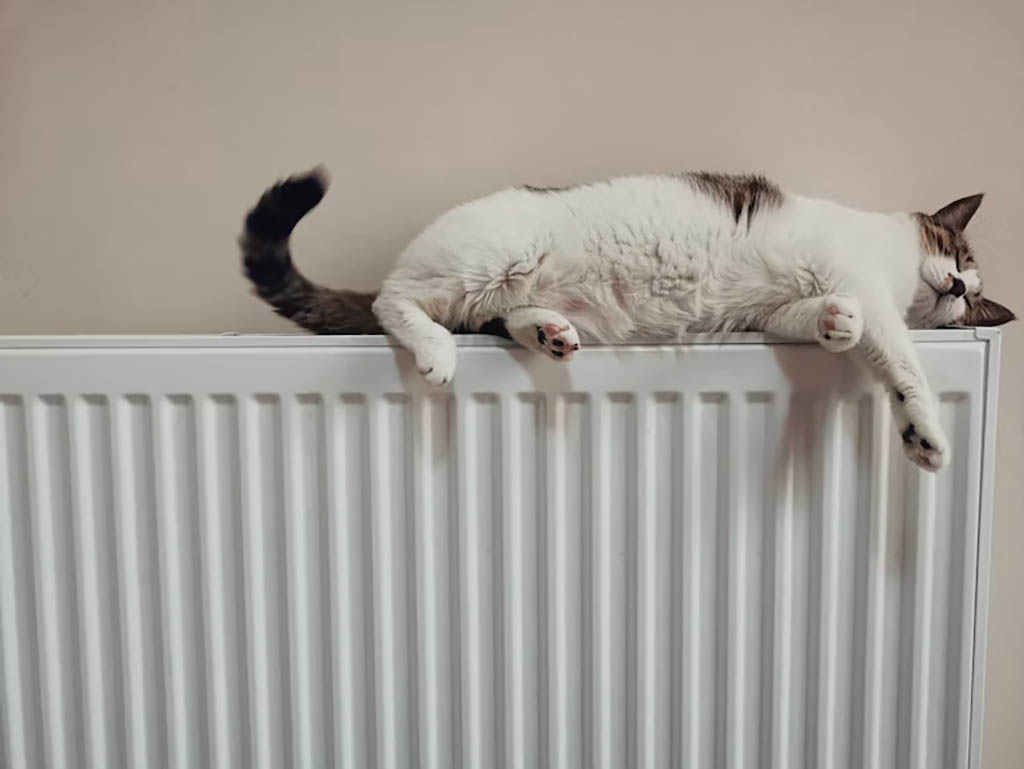
There are serious implications for your family’s health if your home fails to reach adequate temperatures or you allow faults to linger.
Ensuring effective home heating is beneficial for family members, particularly the young and elderly, and reduces your home’s propensity to become damp.
The next steps show how to spot heating risks and when to get help.
In this article:
- Benefits of good, consistent home heating
- Preventing Damp & Mold
- Risks from failing gas boilers, etc
- Heating system faults to look out for
- Home heating maintenance – an example regime
- Conclusion
Benefits of good, consistent home heating
Can you imagine the consequences of poor sleep, night after night, because your home isn’t warm enough, even with heating running?
Poorly heated properties have been associated with ill health, including impaired respiratory function and increased cardiovascular burden. Individuals who are susceptible to illness are most exposed here.
UKHSA advises trying to heat rooms you spend a lot of time in, such as living rooms and bedrooms, to at least 18 °C, although higher temperatures may be desirable depending on individual circumstances (particularly if you suffer from a health condition).
Useful to have a room thermometer to verify this where you know the household resides, and not just in the hall! Rooms on upper floors or in areas prone to cold/draughts, or where radiator heat output is lower, may be less comfortable than the rest of the property.
Not every household can achieve this, and according to the 2024 English Housing Survey, 13% of households in England reported being unable to keep adequately warm at some point in the winter.
However, this isn’t solely due to inefficient/defective heating appliances, as cost of fuel, property fabric, etc all play a factor. Nonetheless, if your heating is unable to bring rooms to your preferred temperature, it’s advisable to have the system investigated.
Preventing Damp & Mold
Cold, under-heated areas of your property can encourage condensation when moist indoor air meets cold surfaces., a contributing factor to dampness.
Water vapor generated as part of everyday household activities will build up within the home, and deposit as condensation on cold surfaces, e.g. windows, leading to damp and eventually mold growth.
Look especially around window reveals, internal external wall corners, behind large items of furniture, etc, as these will be cooler, and more prone to condensation, than elsewhere in the room. Also, be aware if drying washing will add further humidity to the air, requiring increased ventilation.
Excess condensation, damp and mold are known to aggravate respiratory issues, including in asthmatics, making them a particular concern for households with young children, and those with respiratory complaints.
Therefore, rectifying poor room temperatures via a remedial heating job can help, and you can obtain quotes from engineers for boiler, central heating, etc work via myjobquote.co.uk, as a homeowner.
This is however not a definitive answer to eliminating excess moisture from your dwelling, which can persist through e.g. penetrations, lack of adequate insulation, or insufficient ventilation, amongst other reasons.
Some tips:
- Adequately heat habitable rooms, and avoid excessive cold periods there
- Ventilate rooms to disperse water vapor, i.e. extractor fan, keep vent openings clear, etc
- Identify, and address, source/s of water ingress, damp, mold, etc
Risks from failing gas boilers, etc
While ensuring adequate room temperatures, be sure that your appliances are providing this safely.
Boilers and other fuel-burning appliances can produce dangerous levels of Carbon Monoxide if malfunctioning, incorrectly fitted, or not suitably serviced/maintained. Carbon monoxide is a colorless, odorless gas.
Symptoms can include headache, feeling faint, sickness, lethargy, confusion, etc., often improving upon exiting the affected premises.
Leave the property, and seek medical assistance promptly if experiencing the above, and discontinue use of the relevant appliance (if safe to do so) and do not re-enter, pending guidance. Contact 999 in cases of acute symptoms, i.e. labored breathing, confusion, collapse, etc., as CO can rapidly prove fatal.
You should also, as a matter of course, have gas installations inspected, maintained, and serviced at least once yearly, by a qualified Gas Safe engineer, as recommended by HSE, and it’s not appropriate to undertake remedial works to gas appliances yourself.
Fit, test, and maintain CO detector(s), in accordance with the manufacturer’s guidance, and in addition to appliance servicing, the NHS recommends detector(s) in every room containing an applicable fuel-burning appliance, as an additional precautionary measure.
Heating system faults to look out for
Deficiencies in heating systems will manifest themselves in several ways, which could start as rooms taking longer to reach acceptable temperatures, etc. as outlined below:
- Radiator(s) in certain rooms not reaching target temperature, while others do
- Boiler pressure reducing, requiring attention, and repeating this cycle
- Audible knocks, rattle, whistling, etc. from boiler, pipework, etc
- Leakage, signs of rust, etc., on/around boiler, pipework, valve, radiator, etc,
- Boiler repeatedly turning off, going into fault, etc
While not definitive, these points indicate something is not as it should be and require investigation; e.g. bleeding a radiator can lower system pressure, so check the gauge and follow the manufacturer’s instructions before any re-pressurisation. But if this continues, and/or there is evidence of leakage, then instruct an engineer to attend, rather than repeat this indefinitely, etc.
Ensure heating controls, timer, thermostats, radiator thermostatic valves, etc. are operating correctly, and ascertain which areas of the dwelling are experiencing lower temperatures, prior to instructing an engineer.
Avoid lifting/attending to boiler casings, and certainly do not undertake gas works, yourself. Where there is a suspected gas appliance issue, shut it down (safe to do so) and leave, until attended by a Gas Safe engineer, etc. In case of gas smell, do not operate electrical switches, lights, etc. leave and call the emergency gas service from a distance, etc.
Home heating maintenance – an example regime
Having established what to do, and when, ensure you allow time in your diaries to carry out some routine care of your heating, ahead of peak-demand periods, etc:
Ahead of winter, diarise, and call to an engineer, as appropriate, to service your gas boiler, etc. and seek clarification on any outstanding recommendations, and become familiar with heating controls, prior to needing them daily, etc.
Through the winter, note any differences in temperatures and heating behavior, around your dwelling, and carry out basic, user-level maintenance, as per guidance, etc. noting observations, times, dates, error codes, etc. (not indicative of self-remediation, but useful to pass on to an attending engineer, etc.).
Throughout the year, avoid impeding radiators, maintain extractor fans, test, etc CO alarm(s), etc., as detailed above, and as applicable, to the type of heating equipment in your home (note, for heat pumps and other systems, follow their own manufacturer maintenance instructions; gas boiler service advice does not apply automatically).
Retain copies of details, service information, etc. for future use.
Finally, servicing your boiler will not reduce the need to consider insulation and energy efficiency to maintain your property comfortably and cost-effectively in colder months, so it is important to act in that regard, if required, as well.
Conclusion
Ensure your property has efficient heating, ventilation, and CO alarm(s), etc. maintained and periodically serviced, and take heed of any issues, seeking professional advice, if necessary, to avoid any detrimental effects, including ill-health, on your household, and to avoid more extensive and costly repairs, down the line, etc.