Coffee does not detox your liver. Walnuts do not reverse fatty liver. A fish oil capsule does not stand in for losing weight. Each of those lines is sold somewhere as a promise, in a WhatsApp forward or on the side of a jar, and none of them holds up against the studies. The studies are more interesting than the promises, and a lot more careful.
You may have met the promise version already. A relative forwards a message at breakfast, three foods and a tagline about cleansing, and by lunchtime you have half-decided to rearrange the kitchen. The better question to ask first is what kind of study sits behind the sentence.
What the research offers is a set of signals, graded by how the study was built. A signal from people followed over time is one thing. A snapshot of a group on a single day is another. A randomised trial of capsules is a third, and it says nothing about a plate of food. Keeping those three apart is the core skill in reading any headline about foods and the liver.
Coffee: a consistent pattern, and its limit
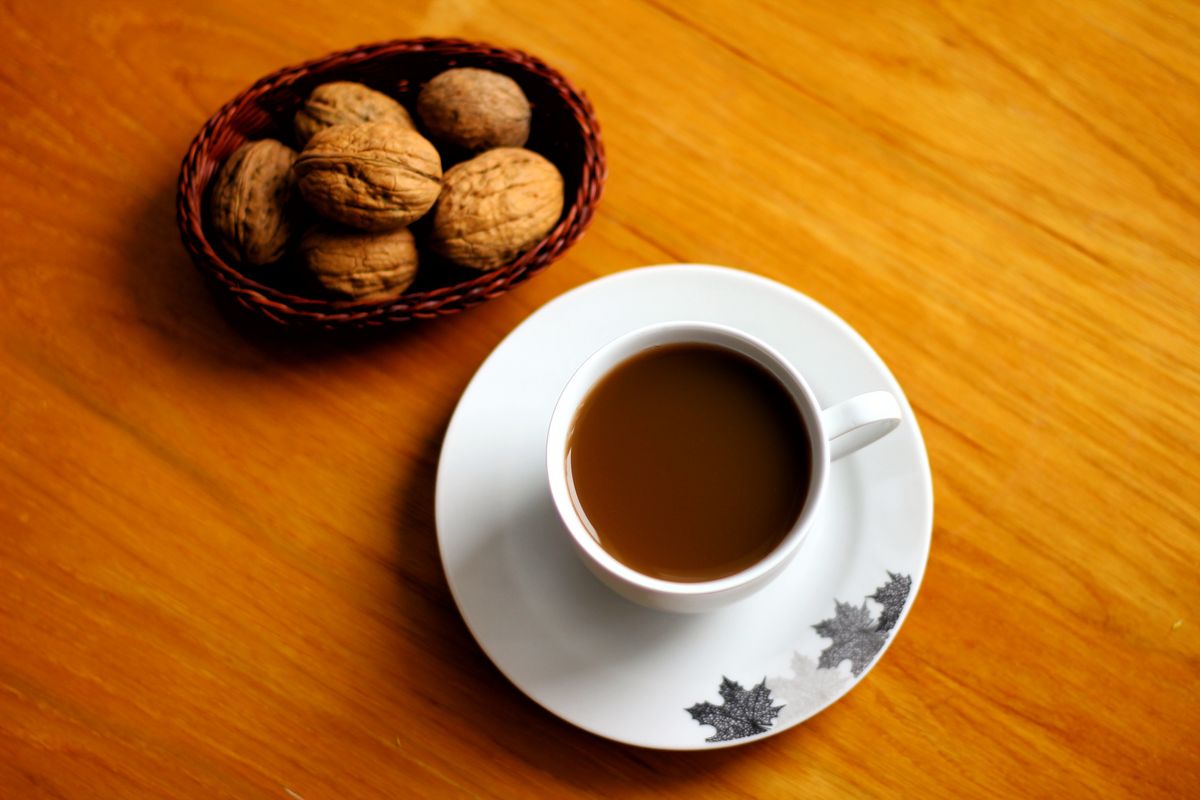
Meta-analyses of prospective studies, the kind that follow drinkers for years, find that more coffee goes with less liver cancer, in a dose-related way, (hepatocellular carcinoma), and between coffee and chronic liver disease or cirrhosis. In fatty liver disease, coffee may be protective against fibrosis, which is scarring of the liver tissue. Those meta-analyses run from 2007 to 2017, so the pattern has turned up in more than one review.
Now the limit. Dose-related means the association gets stronger as the cups go up, which is part of what makes the pattern interesting. It does not turn the pattern into a cause. The data are observational, and observational data cannot establish causation. A person who drinks coffee at the office in Hyderabad every morning differs from one who does not in ways no questionnaire captures. The honest reading is that coffee sits on the favourable side of the ledger, and the studies stop short of saying that a cup repairs anything. “Detox” and “heals” have no support in them, and neither does the idea that coffee offsets alcohol damage. If you drink coffee already, the studies give you no reason to stop. They also give you no reason to raise the dose in the hope of a better result.
Why a slim person still gets asked about their liver
Fatty liver is the condition the food studies keep circling, and it is easy to assume it belongs to people who look overweight. The Indian evidence points elsewhere. Reviews of the Asian Indian phenotype describe a normal BMI alongside high body and abdominal fat and low muscle mass, with limited subcutaneous fat storage and fat deposited in the liver and pancreas instead, which raises risk at a lower BMI. That is the setting for fatty liver in people who aren’t overweight, and it is why a normal number on the bathroom scale settles very little.
For a reader in Mumbai or Delhi who has always been told they are lean, that matters in a practical way. The food list below applies to the same body type that the scale misreads, and the evidence reads differently with that in mind. If you are lean and have never had your liver looked at, nothing in the studies tells you that you are fine, and nothing tells you that you are not.
Walnuts: one snapshot, and its authors’ own caution
The nut evidence is thinner. A cross-sectional analysis of a cohort, published in Liver International in 2019, found that higher nut intake was associated with lower prevalence of fatty liver disease. Cross-sectional means diet and liver were looked at together, at one moment, so the study cannot say which came first. The authors themselves call for randomised trials.
Walnuts belong to that group of nuts, and the study is about the group. It does not isolate walnuts, and it does not show that eating them reverses anything. A study that asks people what they eat and measures their liver in the same visit is a fair place to start a question. It is a poor place to finish one.
Oily fish, and the trials that used capsules
The omega-3 evidence is stronger in design and narrower in scope. Meta-analyses of randomised trials report reductions in liver fat and in liver enzymes with n-3 polyunsaturated fat supplements in fatty liver disease, with the usual caveat that the trials differ from each other in dose, length and participants. The intervention in those trials was a supplement. A grilled mackerel on a plate is a different intervention, and no trial result above converts into an instruction to eat it. A Mediterranean-style plate is the pattern that guideline summaries favour, which is a separate and better-supported idea, and the capsule trials cannot be borrowed to prove it.
That distinction matters because capsules can be bought without a prescription and a person who has been told their liver enzymes are raised may reach for them first. Nothing in the trials lets a capsule stand in for the larger changes in diet and activity that guidelines put first.
Nine findings, side by side
Here is the evidence from the sections above and the guideline summaries that frame it, in plain terms.
- Coffee and liver cancer: lower rates with higher intake, in a dose-related pattern, from prospective studies
- Coffee and chronic liver disease or cirrhosis: the same direction of association
- Coffee and fibrosis in fatty liver disease: possible protection, observational data only
- Nut intake and fatty liver disease prevalence: lower prevalence with higher intake in one cross-sectional analysis, with authors asking for trials
- Omega-3 supplements and liver fat: reductions across randomised trials, with differences between trials
- Omega-3 supplements and liver enzymes: reductions in the same meta-analyses
- Weight loss: the foundation of managing fatty liver in guideline summaries
- Diet and exercise, with less alcohol: the other pillars of that foundation
- A Mediterranean-style eating pattern: the pattern the updated guidelines favour
Notice that three of the nine are not foods at all. The studies on single items sit on top of that base and do not replace it. A reader who skips straight to the coffee and nut rows has read the smallest part of the list, and the weight, diet, exercise and alcohol rows are where the guidance is firmest.
Reading the panel before the headlines
Foods are one part of a liver conversation. Results are the other part, and anyone looking at their own report meets how to read fasting insulin, HOMA-IR and HbA1c sooner or later. The HbA1c line carries traps of its own. The US National Glycohemoglobin Standardization Program (NGSP) notes that iron-deficiency anaemia is associated with a higher HbA1c, while haemolysis and recent blood loss push it lower, whichever assay is used. A haemoglobin variant can also affect accuracy, and thalassaemia trait may make HbA1c unreliable, in which case a doctor can use other tests.
So a panel is read as a set, with the blood count in view, and a single number is not a verdict. Supplements enter the picture here too. High-dose biotin can skew some immunoassay results in either direction, thyroid tests among them, and the FDA advises people to tell their clinician and the lab about biotin and multivitamin use. If your cabinet holds more than a multivitamin, say so when you give blood.
What goes underneath the coffee
The base is the less glamorous part. Weight loss, a Mediterranean-style diet, exercise and less alcohol form the core of managing fatty liver in the updated guideline summaries. Coffee and nuts can sit comfortably on top of that plate. Fish oil capsules and herbal extracts should be mentioned to your own doctor before you add them, particularly if your liver tests are already off.
Green tea extract is a useful example of why. EFSA concluded in 2018 that brewed green tea itself is of little concern, though rare idiosyncratic liver injury has been reported even with infusions, and that supplements delivering high daily amounts of EGCG raised serum transaminases, a marker of liver injury, and the agency was unable to name a supplement dose it could call safe. A “liver-friendly” supplement can carry a liver signal. That is why the capsule shelf is worth a conversation, not a guess.
If your enzymes have come back raised, the person who decides what to do with that is your doctor. A cup of coffee on the way to the appointment is fine company, and it does not need to be the plan. Some evidence is still being written, the nut question wants its randomised trials, and the capsule trials differ from one another. In the meantime the plate you already eat, adjusted slowly and discussed openly, is a reasonable place to stand.