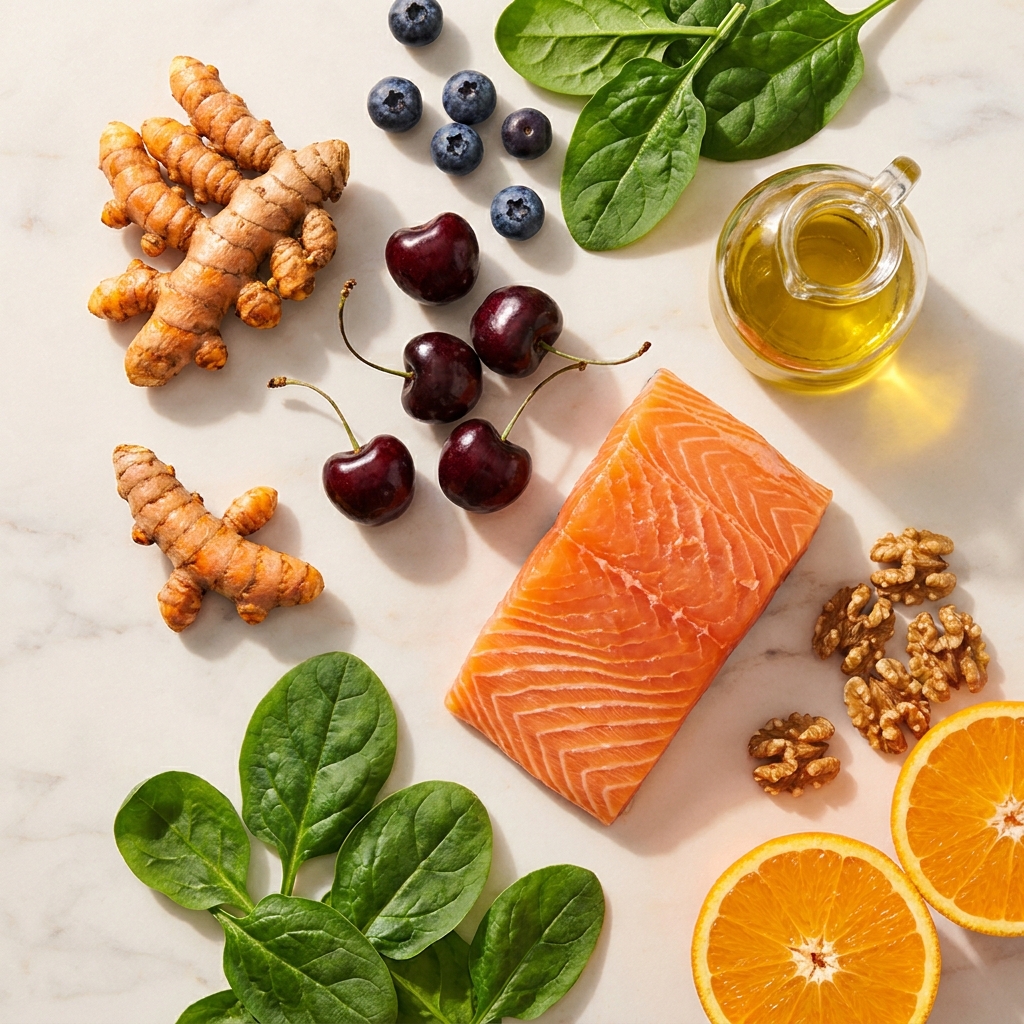
21-Day Anti-Inflammatory Diet: Complete 2026 Meal Plan
Introduction: Why 21 Days Can Change Your Inflammatory Baseline
Chronic inflammation is linked to more than 50% of all deaths worldwide and is implicated in one in five cancers globally, according to the Hudson Institute of Medical Research. In the United States, six out of 10 adults have at least one chronic condition, and chronic diseases cause 7 in 10 deaths each year, per the U.S. Department of Veterans Affairs Evidence Synthesis Program.
The 21-day anti-inflammatory diet is a clinically grounded, actionable framework that can form part of a broader wellness approach alongside regular exercise, stress management, and complementary options such as acupuncture treatment for certain types of chronic pain. It is not a fad or calorie-restriction plan, but a protocol for creating harmony between nutrients and the immune system. This guide layers in the emerging science of nitric oxide bioavailability and the oral microbiome alongside the Mediterranean dietary pattern, giving readers both a meal plan and the biochemical rationale behind it. The content is grounded in peer-reviewed research, not anecdote, and a free PDF option is available for offline use.
What Is the 21-Day Anti-Inflammatory Diet?
The anti-inflammatory diet is a dietary pattern grounded primarily in the Mediterranean model, which holds the strongest randomized controlled trial evidence for reducing chronic inflammatory load. It is not a calorie-restriction diet. The 21-day format serves as a structured behavior-change window: long enough to shift inflammatory markers and establish habits, yet short enough to feel achievable.
The Dietary Inflammatory Index (DII) quantifies the inflammatory potential of diets on a scale from −8.87 (highly anti-inflammatory) to +7.98 (highly pro-inflammatory) based on 45 food components. A 2025 umbrella review in Nutrition Reviews assessed 15 dietary patterns across 225 primary studies and found the Mediterranean diet had the most consistent beneficial association with CRP, IL-6, and adiponectin levels. Some individuals notice improved energy within one to two weeks, but significant marker changes typically require several weeks to months of adherence.
The Science Behind the Diet: Inflammation, Nitric Oxide, and Health
Chronic low-grade inflammation differs from acute inflammation and is increasingly recognized as a root driver of cardiovascular disease, cancer, neurodegeneration, and mental health disorders. Saturated fats and refined carbohydrates activate the NF-κB pathway, triggering proinflammatory cytokines and elevating markers such as hs-CRP and IL-6.
Nitric oxide (NO) is an underappreciated dimension of this equation. NO is a signaling molecule that regulates vascular tone, immune function, and systemic inflammation. Leafy greens, beets, and polyphenol-rich produce supply dietary nitrates that support NO production via the nitrate-nitrite-NO pathway. Critically, converting nitrate to nitrite depends on nitrate-reducing bacteria in the oral cavity, so antibacterial mouthwash can impair the entire pathway.
This scientific foundation is central to the work of Dr. Nathan S. Bryan, Ph.D., founder of N1O1, who has more than 30 years of nitric oxide research and pioneered the oral-systemic link in NO production. A 2025 Nutrition Reviews meta-analysis found that participants with the highest Mediterranean adherence showed 20% lower hs-CRP, 17% lower IL-6, and 14% lower white blood cell counts.
Proven Health Benefits of the Anti-Inflammatory Diet
Cardiovascular Health
Dietary risk factors were linked to 6.58 million cardiovascular disease deaths in 2021. A traditional Mediterranean diet reduces CRP by 20% and heart disease risk by 30%. A 2024 NIH/VA report confirmed lower hypertension risk among adherents.
Joint Pain and Rheumatic Conditions
A meta-analysis of 7 RCTs involving 326 participants found anti-inflammatory diets produced significantly lower pain scores (−9.22 mm on a 10 cm VAS; p=0.0002). The American College of Rheumatology reports that RA patients experience less joint pain and improved function with dietary intervention.
Brain Health, Dementia Prevention, and Mental Wellness
Higher DII scores are associated with increased dementia and Alzheimer’s incidence. Chronic low-grade inflammation is also a key factor in depression and anxiety. Through the gut-brain axis, fiber and polyphenols promote gut microbiota that produce short-chain fatty acids, reducing neuroinflammation, as highlighted in research on diet and the gut microbiome published in Translational Psychiatry. Key foods per a 2024 Nutrients review include berries, leafy greens, fatty fish, walnuts, and fermented foods.
Energy, Fatigue, and Metabolic Health
Whole grains, polyphenol-rich vegetables, and omega-3 foods may improve fatigue. The diet may also improve inflammatory biomarkers in individuals with diabetes or pre-diabetes. Adequate NO supports mitochondrial efficiency and energy production.
Inflammaging: How Chronic Inflammation Accelerates Aging
“Inflammaging” describes chronic low-grade inflammation driving biological aging. NO production naturally declines with age, making nitrate-rich vegetables and polyphenols a targeted anti-inflammaging strategy. Immune-mediated inflammatory diseases affected roughly 67.58 million individuals worldwide in 2019.
Anti-Inflammatory Foods: What to Eat
Nitric Oxide-Boosting Leafy Greens and Vegetables
Spinach, arugula, kale, Swiss chard, and beets are among the highest dietary nitrate sources. They reduce inflammatory markers and support NO bioavailability. Celery, radishes, fennel, and cruciferous vegetables are also valuable additions. Raw or lightly cooked preparations preserve more nitrate.
Omega-3-Rich Fatty Fish
Salmon, mackerel, sardines, and anchovies supply EPA and DHA that suppress inflammatory pathways. Aim for two to three servings weekly. Excess omega-6 seed oils, by contrast, promote inflammation. Cold water fish such as salmon and mackerel are among the most potent dietary sources of these beneficial fatty acids.
Polyphenol-Rich Fruits and Berries
Blueberries, strawberries, raspberries, and blackberries rank highest in polyphenol density. Pomegranate, cherries, citrus, and grapes are also beneficial. Diversity across flavonoids, phenolic acids, stilbenes, and lignans is important.
Healthy Fats: Olive Oil, Nuts, and Avocado
Extra-virgin olive oil contains oleocanthal, a natural COX inhibitor. Walnuts provide ALA omega-3s. Avocado supplies monounsaturated fats and glutathione. Extra-virgin olive oil should serve as the primary cooking fat.
Whole Grains and Legumes
Oats, quinoa, brown rice, and farro feed anti-inflammatory gut bacteria. Lentils, chickpeas, and black beans add fiber and plant protein while stabilizing blood glucose.
Fermented Foods and the Oral-Gut Microbiome Connection
Yogurt, kefir, kimchi, sauerkraut, miso, and tempeh support gut and oral microbial diversity. Antibacterial mouthwash should be avoided during the plan. N1O1’s Breath of Life Nitric Oxide Boosting Toothpaste is designed to support oral microbiome health without disrupting beneficial bacteria.
Anti-Inflammatory Spices and Herbs
Turmeric inhibits NF-κB; pairing it with black pepper boosts absorption. Ginger inhibits COX and LOX enzymes. Garlic supplies allicin. Rosemary, oregano, and cinnamon can be used liberally.
Coffee, Tea, and Hydration
Coffee is encouraged for its polyphenols. Green tea supplies EGCG. Aim for eight or more glasses of water daily. Alcohol should be limited, as it is pro-inflammatory in excess.
Foods to Avoid on the Anti-Inflammatory Diet
This is strategic elimination, not deprivation. Ultra-processed foods, refined carbohydrates, added sugars, trans fats, and processed meats containing nitrosamines and advanced glycation end-products (AGEs) should be avoided. Note that these are distinct from vegetable nitrates. Omega-6 seed oils and excess alcohol, which disrupts gut barrier integrity, should also be limited. This is not a gluten-free or dairy-free protocol by default; whole grains and fermented dairy are encouraged unless an intolerance exists.
Understanding Your Inflammatory Baseline: The Dietary Inflammatory Index (DII)
The DII scores dietary inflammatory potential across 45 food components. Healthcare professionals use it to identify pro-inflammatory patterns linked to obesity, cardiovascular disease, diabetes, and cancer. High DII patterns favor processed foods and few vegetables; low DII patterns center on plants, fish, and healthy fats. The 21-day plan is designed to shift scores in the anti-inflammatory direction.
The 21-Day Anti-Inflammatory Meal Plan: Week-by-Week Structure
The plan uses three phases: Week 1 (Foundation and Elimination), Week 2 (Deepening), and Week 3 (Optimization). Gradual elimination reduces withdrawal effects while progressive addition builds habit. The plan is flexible for allergies and preferences. As Mass General Brigham notes, nutrients work as a team; no single food or supplement in isolation benefits inflammation.
Week 1: Foundation — Eliminate, Reset, and Build
Remove ultra-processed foods, refined sugars, and seed oils; introduce greens, fatty fish, berries, extra-virgin olive oil, and whole grains.
- Day 1: Overnight oats with blueberries and walnuts / arugula salad with grilled salmon and EVOO lemon dressing / baked mackerel with roasted beets and quinoa / apple with almond butter.
- Day 2: Green smoothie / lentil soup with whole grain bread / turmeric chicken thighs with sweet potato and broccoli / mixed nuts.
- Day 3: Greek yogurt parfait with berries / hummus wrap with roasted pepper and spinach / sardine and white bean stew / celery with guacamole.
- Day 4: Two-egg scramble with kale and garlic / quinoa bowl with roasted chickpeas and tahini / baked salmon with asparagus and brown rice / walnuts and dark chocolate.
- Day 5: Chia pudding with pomegranate / tomato and white bean soup / stir-fried tofu with bok choy over brown rice / bell peppers with hummus.
- Day 6: Smashed avocado toast with radishes / mixed green salad with tuna and egg / lamb and vegetable tagine with couscous / mixed berries.
- Day 7: Buckwheat pancakes with strawberries / miso soup with tofu and scallions / roasted beet and lentil salad with walnuts / pumpkin seeds.
Shopping list: greens, beets, berries; salmon, mackerel, sardines, chicken, tofu; oats, quinoa, brown rice; EVOO, nuts, spices. Tip: drink water before coffee and opt for green tea in the afternoon.
Week 2: Deepening — Diversify and Layer In Nitric Oxide Foods
Increase polyphenol diversity and feature beets, arugula, spinach, and Swiss chard prominently.
- Day 8: Beet and berry smoothie / niçoise salad / miso-glazed salmon with edamame / dark chocolate and almonds.
- Day 9: Spinach mushroom omelette / arugula and roasted beet salad with orange / turmeric chicken curry over quinoa / cucumber with tzatziki.
- Day 10: Overnight oats with chia and cinnamon / black bean and sweet potato bowl / baked cod with fennel and olives / berries with Greek yogurt.
- Day 11: Green smoothie bowl / lentil and vegetable soup / grilled mackerel with Swiss chard / apple with almond butter.
- Day 12: Avocado toast with smoked salmon / farro Mediterranean bowl / slow-cooked beef stew with rosemary / white bean dip with vegetables.
- Day 13: Chia and flaxseed pudding with kiwi / halloumi vegetable wrap / shrimp stir-fry over brown rice / walnuts and tart cherries.
- Day 14: Greek yogurt with granola and berries / roasted beet and lentil salad / herb-roasted chicken with beets and quinoa / dark chocolate and nuts.
Tip: add a daily green and beet component to maximize the dietary NO pathway.
Week 3: Optimization — Integrate, Sustain, and Personalize
Maximize gut diversity through fermented foods and integrate supporting lifestyle factors.
- Day 15: Kefir smoothie / tuna and white bean salad / baked salmon with beets and farro / peppers with hummus.
- Day 16: Egg scramble with spinach and feta / Mediterranean quinoa salad / lamb chops with root vegetables and mint yogurt / berries.
- Day 17: Overnight oats with apple and walnuts / miso soup with tofu and brown rice / grilled sardines with arugula and beets / dark chocolate and almonds.
- Day 18: Green smoothie / chickpea and vegetable stew / baked cod with asparagus and quinoa / Greek yogurt with walnuts.
- Day 19: Avocado toast with poached egg / arugula and beet salad with smoked salmon / chicken stir-fry with bok choy / nuts and tart cherries.
- Day 20: Chia pudding with mango / lentil and roasted vegetable soup / miso-glazed salmon with beets and quinoa / apple with almond butter.
- Day 21: Celebration smoothie bowl / Mediterranean feast plate / herb-crusted salmon with Swiss chard and farro / dark chocolate and pomegranate juice.
Tip: identify five to seven meals to rotate weekly as a long-term foundation.
The Nitric Oxide Advantage
This plan selects beets, greens, and polyphenol-rich produce not only for their anti-inflammatory value but for NO support. Dietary nitrates become nitrite via oral bacteria, then NO in the bloodstream, reducing vascular inflammation and improving endothelial function. The oral microbiome is the missing link most guides overlook. Antibacterial mouthwash should be avoided; NO-supportive oral care such as N1O1’s Breath of Life Toothpaste is a practical alternative. On low-vegetable days, N.O. Beetz offers a convenient dietary nitrate source, while N1O1 Nitric Oxide Lozenges provide direct NO delivery, which is especially relevant for adults over 30 whose NO production has declined.
Lifestyle Factors That Amplify the Anti-Inflammatory Diet
Sleep: The Overnight Inflammation Reset
Seven to nine hours of sleep nightly regulates inflammation; deprivation elevates CRP, IL-6, and TNF-α. A consistent schedule and limited blue light exposure support sleep quality. Sleep also supports NO-driven endothelial repair.
Exercise: Movement as Anti-Inflammatory Medicine
Thirty or more minutes of daily movement reduces inflammatory markers. Both aerobic and resistance training are beneficial. Exercise stimulates NO via vascular shear stress. Brisk walking daily, combined with strength training two to three times weekly, is a practical target. Outdoor exercise can further amplify these anti-inflammatory benefits through exposure to natural environments.
Stress Management: The Cortisol-Inflammation Connection
Chronic stress elevates cortisol and promotes inflammation. Mindfulness, yoga, and diaphragmatic breathing are effective countermeasures. Nasal breathing supports NO production in the sinuses. A daily practice of mindfulness of 10 minutes is a reasonable starting point.
Avoiding Smoking and Environmental Toxins
Smoking drives inflammation and impairs NO bioavailability. Toxin exposure can be mitigated with air purifiers, organic produce where feasible, and reduced use of plastics.
Personalization: Adapting the Plan for Specific Conditions
Individuals with chronic conditions should consult a healthcare provider before making major dietary changes.
Autoimmune Conditions
Consider eliminating nightshades and gluten in Week 1 to identify potential triggers. Working with a rheumatologist or registered dietitian is advisable.
Type 2 Diabetes and Pre-Diabetes
Prioritize lower-glycemic grains and legumes and favor berries over higher-sugar fruits. NO also supports insulin sensitivity.
Cardiovascular Disease Risk
A DASH-Mediterranean hybrid approach is recommended: reduce sodium, increase potassium, and prioritize fish. NO drives vasodilation and blood pressure regulation.
Osteoarthritis and Chronic Pain
Dietary interventions may influence osteoarthritis pain via the gut microbiome. Omega-3 fish, turmeric, ginger, and tart cherry are particularly relevant for this population.
Potential Risks, Limitations, and Honest Caveats
Following the plan too restrictively risks deficiencies in B12, iron, calcium, or zinc, though the plan as written is nutritionally complete. Meal planning and social eating present practical barriers; batch cooking helps. Those with a history of disordered eating should work with a registered dietitian. Certain foods (grapefruit, high-dose turmeric, and high-vitamin K greens) can interact with statins, warfarin, and immunosuppressants; consulting a pharmacist is recommended. Results take weeks to months. The diet complements, but does not replace, medical care.
Frequently Asked Questions
How quickly will results appear?
Energy improvements and reduced stiffness may occur within one to two weeks; measurable marker reductions take weeks to months. The 21 days are primarily about establishing lasting habits.
Can coffee be consumed on this plan?
Yes. Coffee’s polyphenols may lower inflammatory markers. Refined sugar and artificial creamers should be avoided. Green tea is also an excellent option.
Is this the same as the Mediterranean diet?
It is largely grounded in the Mediterranean model but is more explicit about eliminating ultra-processed foods and seed oils. It also adds a nitric oxide-aware layer that emphasizes high-nitrate vegetables and oral microbiome health.
Can the diet help with weight loss?
Weight loss is a common secondary benefit. Even moderate loss reduces CRP and eases joint pain. The diet supports weight management without requiring calorie restriction.
Are supplements necessary?
Whole foods provide most nutrients. Omega-3, vitamin D, and NO-supporting supplements such as those from N1O1 may complement the approach, particularly for adults over 30. No single supplement replaces a whole-food diet.
Is the plan safe for everyone?
A 2024 NIH/VA report confirmed that Mediterranean and DASH patterns have essentially no adverse events. Those on medications, pregnant individuals, or those with medical conditions should consult a provider. The plan adapts to vegetarian and vegan approaches.
Tracking Progress: How to Know the Diet Is Working
Keeping a food and symptom journal that records meals, energy, pain, sleep, mood, and digestion is recommended. With a provider’s guidance, tracking hs-CRP, IL-6, fasting glucose, and blood pressure provides objective data. Subjective markers such as morning stiffness and mental clarity are also meaningful. Comparing the pre-plan DII pattern to Week 3, and taking a baseline snapshot on Day 1 to compare with Day 21, helps illustrate progress.
Beyond 21 Days: Making Anti-Inflammatory Eating a Lifestyle
The plan is a launchpad. Adopting the 80/20 principle allows flexibility without guilt. Rotating five to seven anchor meals weekly provides structure without monotony. Continuing to support the oral microbiome and NO pathway with high-nitrate vegetables and NO-supportive products sustains the gains made during the 21 days. Every anti-inflammatory meal contributes to slowing biological aging. Revisiting the plan as a reset two to four times yearly is a practical long-term strategy.
Conclusion: The 21-Day Reset
The 21-day anti-inflammatory diet is a clinically grounded framework that addresses the root biochemical drivers of inflammation. By incorporating nitric oxide science and the oral microbiome, it goes beyond standard anti-inflammatory diet guidance. Chronic inflammation is linked to more than 50% of all deaths worldwide, yet it remains among the most modifiable risk factors. The full plan is complete on this page, and Day 1 begins with the next meal.
Download the Free 21-Day Anti-Inflammatory Meal Plan PDF
An offline, printable reference is available as a free PDF companion to this article. Entering an email address provides access to the PDF and enrollment in the N1O1 newsletter for ongoing science-based wellness content. The PDF includes the full day-by-day plan, three weekly shopping lists, a quick-reference food list, and a foods-to-avoid checklist.
Download the Free PDF Meal Plan
For a comprehensive anti-inflammatory and NO-optimization protocol, explore N1O1’s science-based nitric oxide products, including the lozenges, N.O. Beetz, and Breath of Life Toothpaste, as natural complements to this dietary approach.