Evidence-Based Wellness Practices, Doctor Approved: The 6-Pillar Lifestyle Medicine Framework Physicians Now Prescribe Instead of Generic Health Advice in 2026
Introduction: The $6.8 Trillion Wellness Economy Has a Credibility Problem
The global wellness economy hit a record $6.8 trillion in 2024 and is forecast to reach $9.8 trillion by 2029, according to the Global Wellness Institute. That figure surpasses information technology, tourism, and the green economy, and it dwarfs the pharmaceutical industry by nearly four times. Yet for all that spending, health misinformation has never been a more serious problem.
With thousands of products, influencers, and protocols competing for attention, it is genuinely difficult to know what actually works and what is simply marketing noise. The Global Wellness Summit’s 2026 trends report names this directly, describing a consumer backlash against optimization-driven wellness culture and a phenomenon increasingly known as “optimization anxiety,” where data overload and unproven protocols leave people more stressed than well.
This article cuts through that noise by presenting the American College of Lifestyle Medicine’s six-pillar framework: a physician-endorsed, board-certified system shown to impact up to 80% of chronic disease. The timing matters. A 2024 Harris Williams survey found that 75% of consumers identify physicians as their most trusted wellness authorities. This piece delivers physician-validated clarity in an empowering and actionable form.
What Is Evidence-Based Wellness, and Why Does It Matter in 2026?
Evidence-based wellness refers to practices tested through rigorous clinical research, peer-reviewed studies, and physician validation. It is the opposite of anecdote, trend, and marketing.
That distinction has become urgent. A 2025 peer-reviewed study in Frontiers in Digital Health found that false or misleading online health information makes navigation challenging and can push individuals toward unproven or even dangerous health behaviors.
Demand for credible solutions is being driven by a chronic disease crisis. CDC data published in Public Health Reports in January 2026 confirms that 6 in 10 U.S. adults have at least one chronic condition and 4 in 10 have two or more.
Enter lifestyle medicine, the formal medical specialty bridging wellness and clinical care. Recognized by the American Medical Association, the American College of Lifestyle Medicine (ACLM) was inducted into the AMA House of Delegates in June 2024. The field has grown to over 11,000 members, including roughly 3,000 board-certified physicians, a clear signal of mainstream medical adoption.
Evidence-based wellness is not about perfection or extreme optimization. A 2026 survey of more than 200 physicians by Hone Health confirms that longevity medicine is shifting from “superhuman optimization” to evidence-based habits accessible to everyday people.
The Six-Pillar Lifestyle Medicine Framework: What Physicians Actually Prescribe
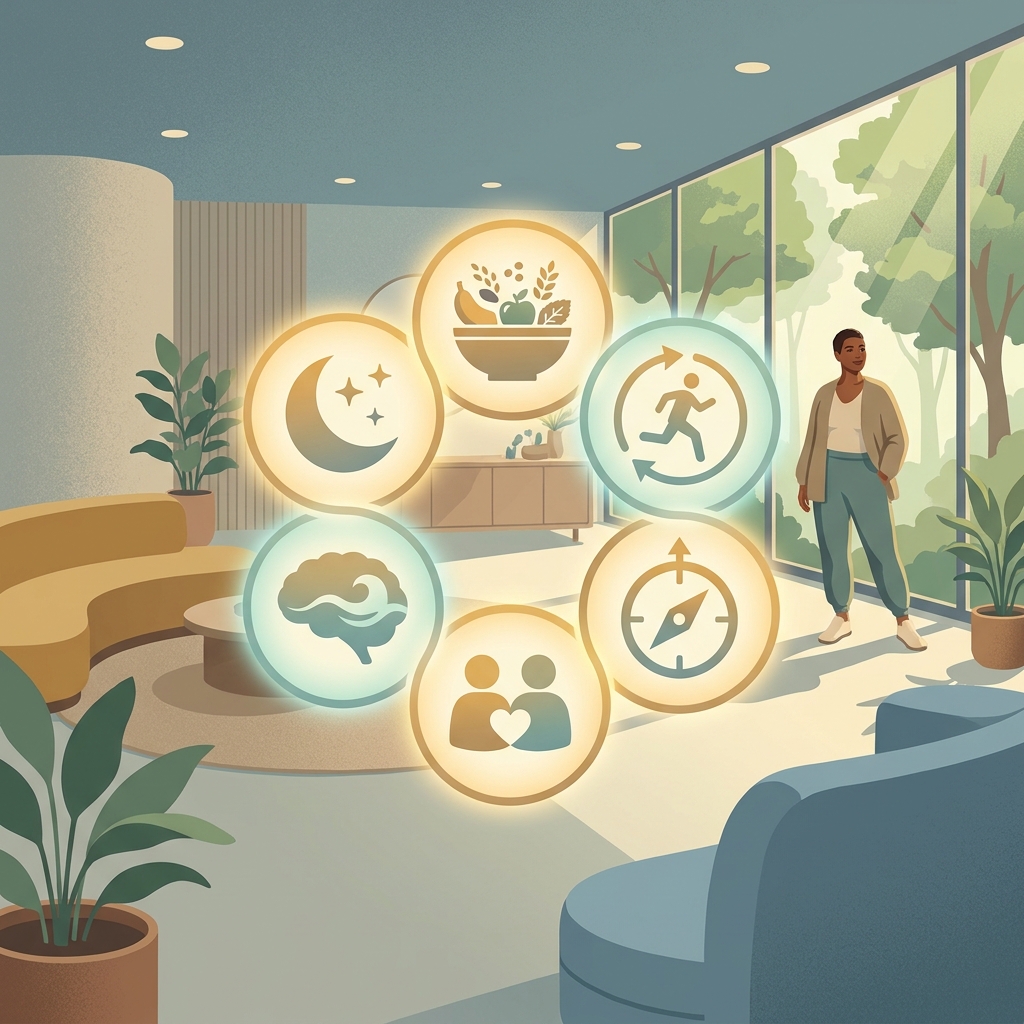
The ACLM’s six-pillar framework is the clinical gold standard for evidence-based wellness. It is a structured, physician-endorsed system, not a collection of arbitrary wellness categories, and it reflects decades of peer-reviewed research now codified in formal medical training and board certification.
It is also the antidote to fragmented wellness content. While most platforms cover sleep, nutrition, or exercise in isolation, lifestyle medicine treats these pillars as an integrated, synergistic system. A 2026 peer-reviewed study in SAGE Journals defines the discipline as “an evidence-based, whole-person care approach that uses comprehensive health behavior interventions to prevent and manage chronic disease.”
The six pillars follow, each explained with clinical evidence and practical, physician-endorsed guidance.
Pillar 1: Optimal Nutrition — What the Clinical Evidence Actually Recommends
In a lifestyle medicine context, “optimal nutrition” means whole-food, predominantly plant-based dietary patterns supported by the strongest body of clinical evidence for chronic disease prevention and reversal. The evidence favors patterns like the Mediterranean and whole-food plant-based diets, not individual superfoods, supplements, or elimination protocols.
Northwell Health physicians recommend reducing refined sugars and processed foods in 2026 and consulting a doctor for personalized nutritional guidance. An emerging frontier is the gut-brain connection: 2026 NIH-indexed research shows that a diverse gut microbiota promotes healthspan by supporting gut barrier integrity, nutrient metabolism, and anti-inflammatory responses, while dysbiosis contributes to neurodegeneration and cardiovascular conditions.
Physician-endorsed action: Prioritize dietary diversity and fiber-rich whole foods, minimize ultra-processed foods, and consult a physician or registered dietitian rather than following influencer-driven elimination diets. Nutrition also plays a sex-specific role in ovarian aging and hormonal health, an underserved area that 2026 longevity medicine is beginning to address. Understanding what is a hormone balancing diet can be a useful starting point for those exploring this dimension of nutritional health.
Pillar 2: Physical Activity — the Most Powerful Preventive Tool Available
CNN wellness expert Dr. Leana Wen, an emergency physician and adjunct professor at George Washington University, calls regular physical activity “one of the most powerful tools we have for preventing chronic disease.”
The AMA’s 2026 recommendation is specific: 150 minutes per week of moderate-intensity exercise, replacing vague advice to “move more.” Moderate-intensity activity includes brisk walking, cycling, swimming, and dancing, all accessible options requiring no gym membership or expensive equipment.
Emerging research increasingly supports resistance training for preserving muscle mass and metabolic health with age. Exercise also has demonstrated clinical efficacy for reducing symptoms of depression and anxiety, bridging the physical and mental pillars. The risks associated with a sedentary lifestyle underscore why this pillar is so foundational to long-term health.
Physician-endorsed action: Start with the 150-minute weekly target, incorporate both aerobic and resistance training, and consult a physician before starting a new program when managing a chronic condition.
Pillar 3: Restorative Sleep — Why Quality and Regularity Both Matter Clinically
Sleep is a clinical priority, not a lifestyle preference. As one of the six formal pillars, it is directly linked to chronic disease risk, immune function, cognitive performance, and mental health.
A nuanced, evidence-based finding distinguishes physician-validated guidance from generic advice: sleep regularity, meaning the consistency of sleep and wake times, is emerging as a stronger predictor of mortality risk than sleep duration alone. Northwell Health physicians list prioritizing sleep among their core 2026 recommendations. Emerging research also shows the gut microbiome influences sleep quality through immune, hormonal, and neural pathways, illustrating the framework’s integrated nature.
FDA-cleared digital therapeutics add another evidence-based tool. Platforms like Daylight Rx deliver CBT modules with clinically meaningful improvements in sleep and anxiety, saving health plans up to $8.7 million per million members, according to the Peterson Health Technology Institute (2025).
Physician-endorsed action: Establish a consistent sleep-wake schedule seven days a week, create a screen-free wind-down routine, and consult a physician about chronic insomnia rather than relying on over-the-counter sleep aids.
Pillar 4: Stress Management — the Clinical Case for Mind-Body Practices
Chronic psychological stress is a documented driver of inflammation, cardiovascular disease, immune dysfunction, and mental health conditions, making stress management a medical necessity, not a luxury.
The AMA’s 2026 recommendations endorse stress management through meditation and yoga. The Global Wellness Summit’s 2026 insight reinforces this, noting a shift away from optimization-first wellness toward emotional repair, nervous-system safety, and embodied care, a recalibration that validates physician-guided, human-centered approaches.
Mental health is increasingly framed as “mental fitness,” a trainable skill supported by breathwork, mindfulness-based stress reduction (MBSR), and cognitive behavioral therapy (CBT). FDA-cleared digital therapeutics like Rejoyn deliver CBT modules with clinically meaningful reductions in depression symptoms. Meanwhile, 2026 Global Wellness Institute research shows microbial metabolites directly influence stress responses and mood.
Physician-endorsed action: Incorporate daily mindfulness or breathing practices (even 10 minutes), consider physician-recommended digital therapeutics, and treat mental health check-ins as routine preventive care.
Pillar 5: Positive Social Connectedness — the Underrated Pillar With Life-or-Death Evidence
Social isolation and loneliness carry mortality risks comparable to smoking 15 cigarettes per day, making positive social connectedness a genuine medical priority rather than a soft concept.
This pillar is often overlooked because most wellness platforms emphasize individual behaviors such as diet, exercise, and sleep. Yet strong social bonds support stress resilience, mental health, healthy behaviors, and immune function, reinforcing every other pillar. The Global Wellness Summit identifies a 2026 cultural shift toward community, emotional repair, and human connection as a direct response to recent isolation and digital overwhelm. The AMA’s 2026 recommendations include regular mental health support, which encompasses the relational dimensions of wellbeing.
Understanding how your heart impacts your mental health illustrates how deeply interconnected physical and emotional wellbeing truly are, reinforcing why social connectedness cannot be treated as secondary to other pillars.
Physician-endorsed action: Prioritize in-person interactions, participate in community groups or group-based wellness programs, and discuss feelings of isolation with a physician or mental health professional, recognizing loneliness as a health issue worthy of clinical attention.
Pillar 6: Avoidance of Risky Substances — What Physicians Recommend Beyond “Just Say No”
In lifestyle medicine, this pillar goes beyond abstinence messaging to encompass evidence-based harm reduction, cessation support, and an understanding of how substances interact with chronic disease risk. It covers tobacco and nicotine, excessive alcohol, recreational drugs, and the emerging evidence on ultra-processed foods, which carry addictive properties that drive chronic disease.
The gut-brain research extends here as well: 2026 NIH-indexed studies show microbiome signatures are now linked to addiction pathways, creating new intervention opportunities. The physician’s role is partnership, not judgment, offering FDA-approved cessation therapies, behavioral support, and personalized risk assessment. This matters because many wellness products, from alcohol-infused “wellness” drinks to unregulated supplements, occupy a gray zone that physician guidance can help consumers navigate.
Physician-endorsed action: Have an honest conversation with a physician about substance use during routine care, ask about evidence-based cessation resources, and remain skeptical of products that have not undergone rigorous clinical testing.
Why the Six Pillars Work Together: The Science of Integrated Lifestyle Medicine
Each pillar reinforces the others, and the clinical evidence shows that addressing multiple lifestyle factors simultaneously produces outcomes greater than the sum of individual interventions.
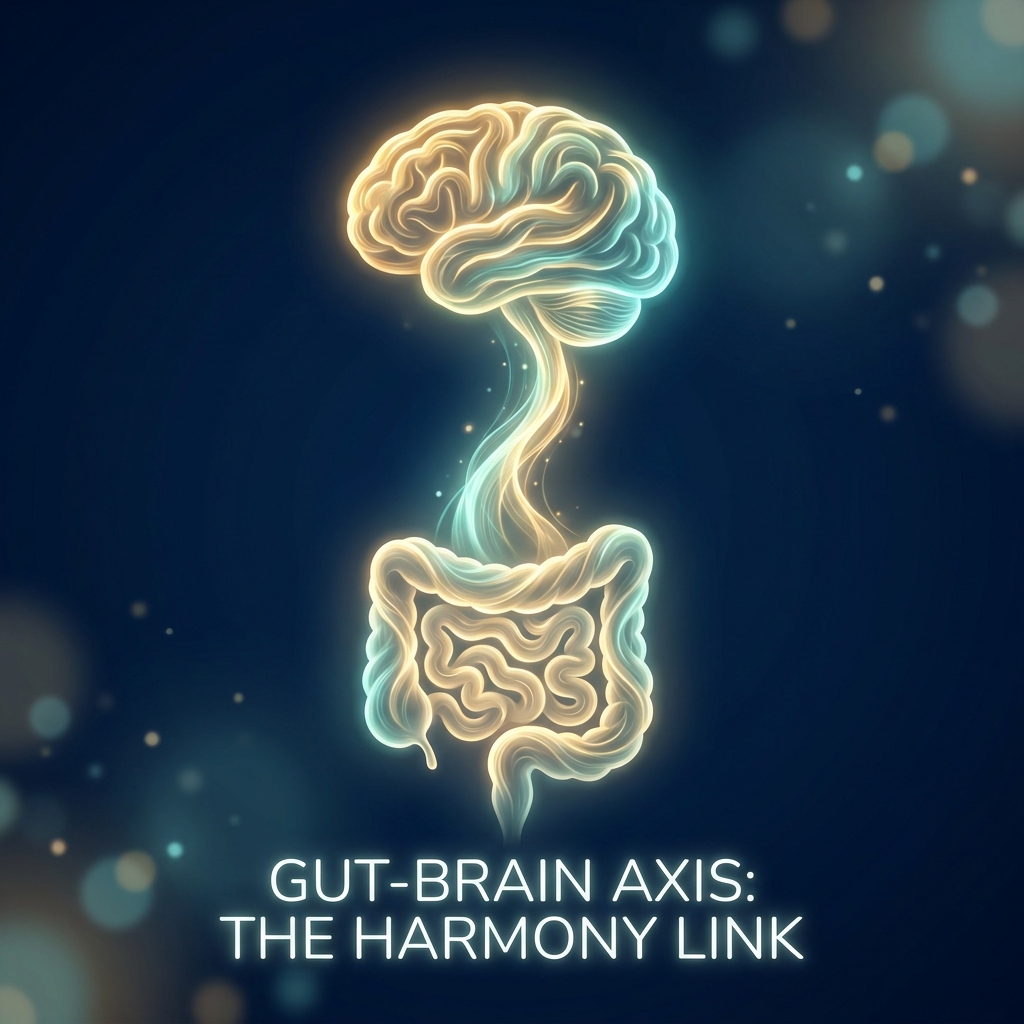
The gut-brain axis is a concrete example. Nutrition shapes the microbiome, which influences stress responses and mood, which affects sleep quality, which in turn impacts social engagement and substance use behaviors. All six pillars are biologically interconnected. The 2026 SAGE study confirms that lifestyle medicine’s “whole-person care approach” is the key to its clinical efficacy, distinguishing it from single-intervention wellness products. That same study notes that implementation science is now scaling real-world programs from clinical theory into community practice.
Federal investment reflects this momentum. The ACL relaunched its Evidence-Based Program Review Process in January 2025, led by the National Council on Aging, to identify community wellness programs meeting rigorous scientific criteria. Integration does not require perfection: physicians practicing lifestyle medicine meet patients where they are, prioritizing incremental, sustainable change over radical overnight transformation.
How to Navigate the Wellness Misinformation Crisis: A Physician-Validated Filter
The 2025 Frontiers in Digital Health study confirms that false or misleading online content can lead individuals toward unproven or dangerous behaviors. A practical filter helps. Before adopting a wellness claim, readers should ask: Is it backed by peer-reviewed research? Has it been reviewed or recommended by a board-certified physician? Does it align with guidelines from organizations like the AMA or ACLM?
This filter also counters optimization anxiety. The pressure to track every biomarker and follow every protocol is itself a health risk, and physician-guided wellness explicitly rejects it. As AI-driven wellness moves into clinician-supported programs in 2026, the FDA’s 2026 Clinical Decision Support Guidance now requires that AI recommendations be independently reviewable by healthcare professionals, a standard consumers should look for.
The trust data supports this approach: 75% of consumers identify physicians as their most trusted wellness authorities. A practical rule of thumb follows: if a wellness claim cannot be traced to peer-reviewed research or a board-certified physician, it should be treated as unverified until confirmed by a trusted clinical source.
Evidence-Based Wellness in 2026: Emerging Frontiers Physicians Are Watching
These are evidence-informed areas advancing rapidly, not unproven trends.
- Gut-brain axis and microbiome medicine: 2026 NIH-indexed research links microbiome signatures to depression, anxiety, and addiction, opening new intervention opportunities.
- Women’s healthspan: 2026 longevity medicine is pivoting to address ovarian aging and women’s biology across all life stages, recognizing that women age fundamentally differently.
- Sleep regularity science: Consistency of sleep timing is emerging as a stronger mortality predictor than duration alone.
- Digital therapeutics: FDA-cleared platforms like Daylight Rx and Rejoyn deliver clinically validated CBT with meaningful outcomes.
- Longevity democratization: The Hone Health survey of 200-plus physicians confirms a shift from elite biohacking to accessible, evidence-based habits.
How to Work With a Doctor to Build a Personalized Evidence-Based Wellness Plan
Patients can bring the six-pillar framework into their next appointment with specific conversation starters covering nutrition, physical activity, sleep, stress, social health, and substance use.
When choosing a physician, patients should look for ACLM board certification, familiarity with the six-pillar framework, and a preventive rather than purely reactive approach. Lifestyle medicine is increasingly integrated into primary care, and the ACL’s Evidence-Based Program Review Process is expanding community programs that meet clinical standards.
Preventive screenings form the foundation. The AMA’s 2026 recommendations emphasize knowing key numbers (blood pressure, cholesterol, blood glucose, and BMI) as the starting point for truly personalized lifestyle medicine. Employer wellness platforms and preventive healthcare memberships are also making clinician-supported, AI-driven wellness more accessible. The framework is not a prescription for perfection but a physician-validated roadmap that supports sustainable improvement.
Conclusion: Physician-Validated Wellness Is the Antidote to the Noise
In a $6.8 trillion wellness economy full of noise, the ACLM’s six-pillar framework offers something rare: clarity. Endorsed by board-certified physicians and supported by decades of peer-reviewed research, evidence-based wellness practices are not complicated, expensive, or reserved for health enthusiasts. They are the foundational behaviors physicians now formally prescribe to prevent, treat, and in some cases reverse up to 80% of chronic diseases.
As consumers push back against optimization anxiety and misinformation, the shift toward physician-guided, human-centered wellness represents a genuine improvement in how Americans approach their health. The six pillars are worth remembering: optimal nutrition, regular physical activity, restorative sleep, evidence-based stress management, positive social connectedness, and avoidance of risky substances. Six pillars, one integrated framework, physician-endorsed.
Take the Next Step: Connect With a Physician Who Practices Evidence-Based Wellness
Explore Top Doctor Magazine’s physician profiles and features to find doctors who specialize in lifestyle medicine, preventive health, and evidence-based wellness. As a trusted bridge between clinical expertise and consumer empowerment, the publication makes it easier to find practitioners who put the six pillars into practice.
For ongoing, physician-validated guidance, subscribe to the free, biweekly Top Doctor Magazine newsletter, grounded in clinical evidence rather than wellness trends. Physicians who are a force for positive change in medicine and wellness can be nominated for a Top Doctor Magazine award, reinforcing the community that makes evidence-based care possible.
Top Doctor Magazine remains committed to journalistic integrity, clinical accuracy, and empowering readers to make well-informed healthcare and lifestyle decisions.