Microbiome Health and the Gut-Brain Connection: What Doctors Want Every Patient to Know in 2026
Introduction: Why Your Gut May Be Running Your Brain
Consider a patient who arrives at a clinic with depression that has resisted every conventional treatment. Multiple antidepressants, months of psychotherapy, dosage adjustments, and still, little improvement. Increasingly, internal medicine physicians are recognizing that in some of these cases, the root cause was never purely neurological. As physicians noted in a KevinMD commentary in June 2026, some patients fail psychiatric medications because the underlying cause is metabolic and microbiome-related rather than a simple imbalance in the brain.
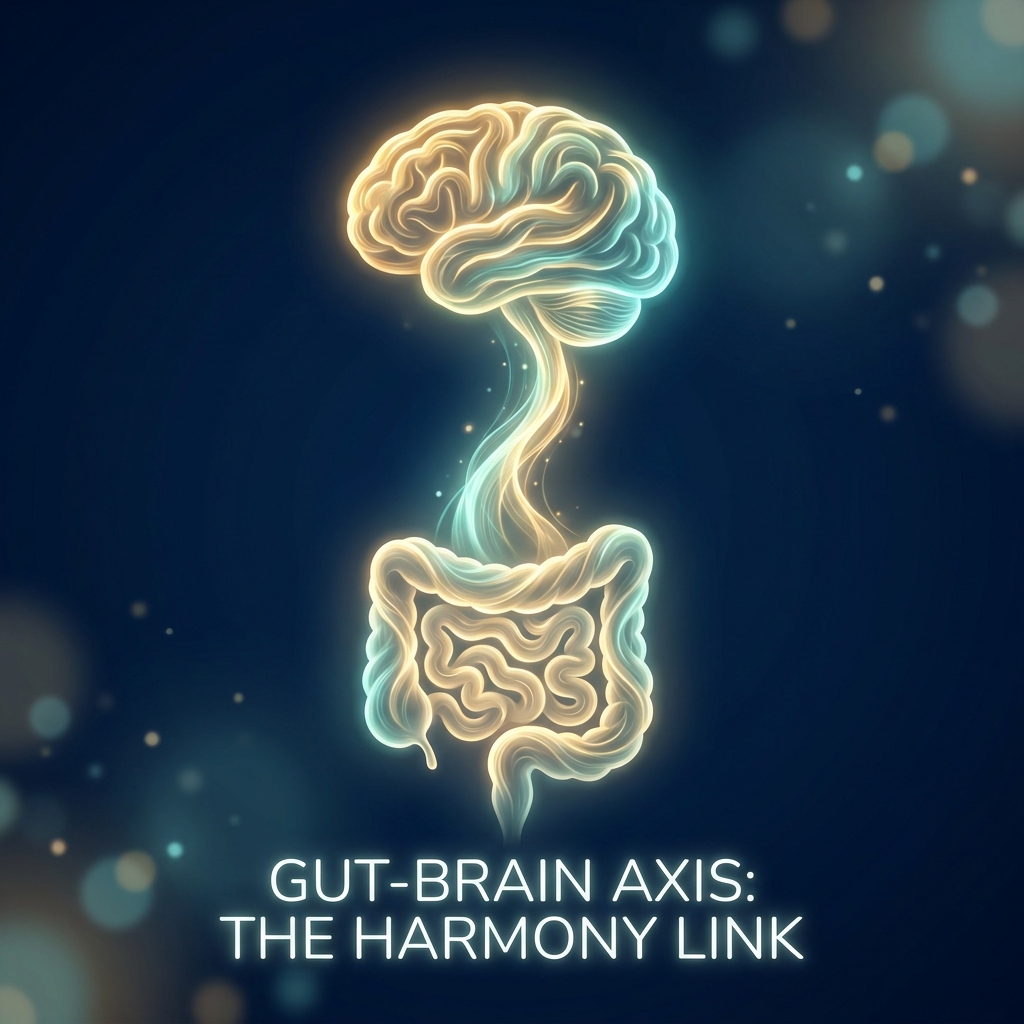
This is the paradigm shift at the heart of modern medicine: the gut-brain axis (GBA). It is not a one-way street where the brain dictates to the digestive system. It is a bidirectional communication network linking the enteric nervous system, the central nervous system, the immune system, and the gut microbiome through the vagus nerve, hormonal signals, and microbial metabolites.
This article addresses three high-value truths that most wellness content ignores: the serotonin myth, the gut-first hypothesis of Parkinson’s disease, and an honest clinical appraisal of psychobiotics and fecal microbiota transplantation. The stakes are considerable. The global Human Microbiome Market is projected to grow from USD 1.40 billion in 2024 to USD 7.09 billion by 2031, at a compound annual growth rate of 31.0%, driven by surging demand for personalized medicine.
What follows synthesizes peer-reviewed research from 2025 and 2026 to give readers what physicians actually want their patients to understand, not what supplement companies want them to believe.
Understanding the Gut-Brain Axis: A Physician’s Primer
The gut-brain axis is a complex, bidirectional communication system involving neural, endocrine, immune, and metabolic pathways. At its foundation sits the enteric nervous system (ENS): roughly 500 million neurons lining the gastrointestinal tract. This network is so sophisticated that it can operate independently of the central nervous system, earning it the nickname the “second brain.”
Communication travels along several channels. The vagus nerve serves as the primary neural highway between gut and brain. Short-chain fatty acids (SCFAs), cytokines, and microbial metabolites (including neurotransmitter precursors) round out the signaling toolkit. Overseeing all of this are trillions of microorganisms that collectively influence immunological, metabolic, and neuroendocrine homeostasis.
A 2026 Frontiers in Microbiology review described the brain-gut-microbiota axis as “a fundamental regulator of human physiology, with dysbiosis serving as a critical interface between environmental exposures and the pathogenesis of diverse diseases.”
This is not fringe science. The American Gastroenterological Association recognizes that understanding these interactions allows clinicians to personalize treatment and improve patient outcomes.
Correcting the Serotonin Myth: What Doctors Need Patients to Stop Believing
Here is a fact that stops many patients in their tracks: approximately 90 to 95% of the body’s serotonin is synthesized in the gastrointestinal tract by enterochromaffin cells. The critical nuance that almost every wellness blog omits, however, is this: gut-derived serotonin does not cross the blood-brain barrier.
Why does this matter? Patients who believe “more gut serotonin equals a better mood” may make uninformed supplement or dietary decisions based on a fundamental misunderstanding of physiology.
The actual mechanism is more elegant. Gut microbiota regulate serotonin synthesis by stimulating enterochromaffin cells and providing tryptophan as a precursor. Gut-derived serotonin primarily regulates intestinal motility and communicates with the brain indirectly, via the vagus nerve and immune pathways. The brain produces its own serotonin independently, governed by separate mechanisms. Gut health influences brain serotonin indirectly, through tryptophan availability and inflammatory signaling.
The myth persists because wellness content oversimplifies the science into a tidy “gut makes serotonin, serotonin makes you happy” narrative. Correcting this is not about dismissing gut health; it is about ensuring patients pursue evidence-based interventions rather than ineffective shortcuts.
How Gut Dysbiosis Drives Neuropsychiatric and Neurological Disease
Gut dysbiosis refers to a microbial imbalance characterized by reduced diversity, overgrowth of pathogenic species, and depletion of beneficial bacteria. It is not a single condition but a spectrum.
The disease associations are striking. Dysbiosis has been linked to depression, anxiety, schizophrenia, bipolar disorder, Parkinson’s disease, Alzheimer’s disease, multiple sclerosis, autism spectrum disorder, and ADHD, according to research published in PMC/CNS Neuroscience & Therapeutics in 2025 and subsequent 2026 reviews.
The mechanism tying much of this together is the leaky gut-neuroinflammation cascade. When tight junction integrity fails, bacterial lipopolysaccharides (LPS) enter the bloodstream, bind to TLR4 receptors, trigger cytokine release, cross the blood-brain barrier, and activate microglia. This process is consistently linked to cognitive decline and Alzheimer’s risk.
Specific microbial signatures have emerged. A 2025 systematic review of 15 studies found that depression is associated with reduced microbial diversity and elevated Firmicutes, while anxiety correlates with low levels of SCFA-producing bacteria.
Butyrate deserves special mention. This SCFA, produced by fiber-fermenting bacteria like Faecalibacterium prausnitzii, directly fuels colonocyte mitochondria and influences systemic mitochondrial gene expression, linking gut health to cellular energy production and brain function. A 2026 Brain Sciences study found that healthy adults self-reporting stress, anxiety, depression, or sleep problems exhibited distinct gut microbiome communities, with significant differences in diversity metrics compared to asymptomatic participants.
The Leaky Gut and Alzheimer’s Connection: What the Research Says
The neuroinflammatory pathway warrants close examination. LPS-driven microglial activation represents a mechanism linking gut permeability to amyloid pathology and cognitive decline. Encouragingly, Mediterranean-style dietary patterns have been reported to reduce amyloid-related pathology and microglial activation in experimental models, suggesting that diet-mediated microbial modulation may influence neurodegenerative processes.
Notably, early microbiome changes have been detected in preclinical Alzheimer’s disease patients, raising the possibility that the microbiome may serve as an early biomarker, according to research in Nature’s Signal Transduction and Targeted Therapy in 2024.
A measured perspective is essential here. While the association is compelling, causality has not been fully established. Patients should not interpret these findings as a guarantee that gut interventions will prevent Alzheimer’s.
The Gut-First Hypothesis of Parkinson’s Disease: An Early-Detection Framework Patients Haven’t Heard
Among the most underreported clinical frameworks is the gut-first hypothesis of Parkinson’s disease. The observation is remarkable: gastrointestinal symptoms such as constipation and gut dysmotility often precede motor symptoms by several years.
The biological plausibility is compelling. Misfolded alpha-synuclein proteins, the hallmark of Parkinson’s pathology, may originate in the enteric nervous system and travel to the brain via the vagus nerve before motor symptoms ever appear.
A 2026 Frontiers in Aging Neuroscience study identified shared gut microbiome signatures in Parkinson’s patients across clinical severity spectrums, with consistent depletion of butyrate-producing bacteria (Faecalibacterium and Blautia) across both Asian and Western populations. Complementing this, 2026 research in Frontiers in Microbiomes confirmed that high-resolution microbial profiling is increasingly essential for identifying microbial biomarkers in both Alzheimer’s and Parkinson’s disease.
The early-detection implication is significant. If the gut microbiome reflects prodromal Parkinson’s, microbiome profiling could theoretically become a screening tool, though this remains investigational and is not yet standard clinical practice.
What does this mean for patients today? Chronic GI symptoms should not be dismissed, particularly in middle-aged and older adults with a family history of Parkinson’s. A consultation with a gastroenterologist or neurologist may be warranted. That said, this hypothesis has not yet changed diagnostic guidelines, and no one should self-diagnose based on GI symptoms alone.
Psychobiotics: What the Evidence Actually Supports (And What It Doesn’t)
Psychobiotics are probiotics that confer mental health benefits through the gut-brain axis. This is a legitimate emerging clinical category, not a marketing term.
The strongest evidence is genuinely encouraging. A systematic review of 51 randomized controlled trials involving 3,353 patients found notably high effectiveness of psychobiotics specifically for depression symptoms, with Lactobacillus and Bifidobacterium strains used most commonly over 4 to 24-week periods. Clinical trials show that taking probiotics for 4 to 12 weeks can reduce depressive and anxiety symptoms in clinically diagnosed patients compared to placebo, though effect sizes are modest and optimal dosing protocols remain undefined.
A 2026 Experimental Physiology study added that specific probiotic strains improved memory-related performance, reduced cortisol, and lowered daily perceived stress, with fMRI studies confirming altered activity in brain regions involved in emotional processing.
The honest caveats are equally important. Psychobiotics are not a replacement for antidepressants or psychotherapy in moderate-to-severe depression; they are best understood as adjunctive interventions. Evidence in healthy adults with subclinical stress differs meaningfully from evidence in patients with diagnosed major depressive disorder, a nuance most wellness content ignores.
There is also a strain-specificity problem. Not all probiotics are psychobiotics; genus and species matter, and most over-the-counter products are not formulated based on the strains studied in clinical trials. Patients interested in psychobiotics should discuss specific strains, dosing duration, and their individual clinical context with a physician before purchasing anything.
Fecal Microbiota Transplantation for Neurological Conditions: Frontier Science With Real Promise
Fecal microbiota transplantation (FMT) is the transfer of gut microbiota from a healthy donor to a recipient to restore microbial balance. It is currently FDA-approved for recurrent C. difficile infection and is being actively studied for neurological applications.
The neurological evidence is intriguing. According to 2025 research in MDPI Biomedicines, preclinical and clinical studies indicate FMT can alleviate motor and cognitive deficits in Parkinson’s and Alzheimer’s disease, lower neuroinflammatory markers in MS, and enhance neuromuscular functions in ALS.
The therapeutic logic follows directly: if gut dysbiosis contributes to neuroinflammation and neurodegeneration, restoring a healthy microbial ecosystem could theoretically interrupt disease progression.
It must be stated plainly, however: FMT for neurological conditions is not standard of care. It is investigational, available primarily through clinical trials, and should never be self-administered. Physicians must navigate significant challenges, including donor selection (microbiome composition varies considerably), long-term safety data gaps, protocol standardization, and the risk of transmitting pathogens.
Patients with Parkinson’s, MS, or treatment-resistant neuropsychiatric conditions who are curious about FMT should seek enrollment in registered clinical trials rather than pursuing unregulated procedures. Experts anticipate that neurological FMT protocols may reach clinical validation within the next 5 to 10 years if current trial results continue to prove promising.
The Developmental Window: How Early-Life Microbiome Disruptions Shape Neuropsychiatric Risk
The first years of life represent a critical developmental window, a period of intense microbiome colonization with lasting effects on brain development and mental health.
A 2026 PMC study found that disruptions during these critical periods, including cesarean birth, lack of breastfeeding, early antibiotic use, or early-life stress, have been linked to increased risk of neuropsychiatric disorders later in life. The mechanisms involve altered immune programming, HPA axis calibration, and neurodevelopmental trajectories, with downstream effects on autism spectrum disorder, ADHD, and anxiety disorders.
This is emphatically not about inducing guilt over C-sections or formula feeding; many factors lie outside parental control. Rather, it highlights the value of microbiome-supportive practices where possible: breastfeeding when feasible, judicious antibiotic use, and early dietary diversity.
One important caveat: most microbiome-gut-brain research has been conducted in high-income Western populations. A 2026 Nature Mental Health paper calls for expanding research to low- and middle-income countries, meaning current findings may not be universally applicable.
Diet as the Most Powerful Microbiome Lever: What Physicians Recommend
Within the clinical hierarchy of microbiome interventions, diet reigns supreme. It is the most evidence-based, accessible, and sustainable intervention, preceding prebiotics, probiotics, and FMT.
Mediterranean-style dietary patterns lead the field, associated with reduced amyloid-related pathology, decreased microglial activation in experimental models, and promotion of butyrate-producing bacteria, per 2026 research in Frontiers in Cellular and Infection Microbiology.
The fiber-SCFA-butyrate pathway explains why. Dietary fiber feeds beneficial bacteria that produce SCFAs, particularly butyrate, which fuels colonocyte mitochondria, maintains gut barrier integrity, and exerts anti-inflammatory effects that benefit the brain.
Evidence supports several patterns: high-fiber diets, fermented foods (which introduce live cultures), polyphenol-rich foods (which act as prebiotics), and omega-3 fatty acids (which modulate inflammatory pathways). Conversely, ultra-processed foods, high-sugar diets, and excessive alcohol are associated with dysbiosis and reduced diversity.
A 2026 Frontiers in Nutrition review describes the relationship as a “symbiotic dialogue,” where dietary choices shape microbial composition and microbial composition in turn influences nutrient metabolism and brain signaling. Patients should prioritize dietary change before reaching for supplements and discuss significant changes with a physician, especially when managing chronic conditions.
When to See a Doctor: Navigating Functional Medicine, Gastroenterology, and Integrative Care
A “microbiome doctor” is not yet a board-certified specialty. However, functional medicine physicians, gastroenterologists, and integrative practitioners are the most appropriate specialists for microbiome-related concerns.
Functional medicine physicians offer microbiome testing, food sensitivity assessments, and personalized protocols addressing dysbiosis within frameworks like the Institute for Functional Medicine’s AFMCP program, with 2026 graduates earning up to 39 CME/CE credits in this area.
Clinical red flags warranting physician evaluation include persistent GI symptoms (especially in middle-aged adults), treatment-resistant depression or anxiety, cognitive decline, chronic fatigue, or unexplained neurological symptoms. When the underlying cause of treatment-resistant depression is metabolic or microbiome-related rather than purely neurological, a functional medicine evaluation may prove valuable.
A word on testing: commercial microbiome tests vary widely in methodology and clinical utility. Physician-ordered testing through validated laboratories is far more clinically meaningful than direct-to-consumer kits. Meanwhile, AI is emerging as a diagnostic tool, with machine-learning algorithms processing microbial patterns from next-generation sequencing data to enable improved diagnosis and personalized therapy, according to 2026 PMC research.
Patients should be cautioned against self-treatment. The supplement market is largely unregulated, and self-prescribing high-dose probiotics, prebiotics, or unverified products without guidance may waste money or, in rare cases, cause harm. Patients navigating caregiver health responsibilities should be especially mindful of seeking professional guidance before making significant changes to their or their loved one’s supplement regimen.
What Doctors Want You to Take Away: A Clinical Summary
Three physician-led correctives stand out:
- Gut serotonin does not cross the blood-brain barrier. The mechanism is indirect and more complex than wellness blogs suggest.
- GI symptoms preceding neurological disease are clinically significant and should not be dismissed.
- Psychobiotics and FMT show real promise but require physician guidance, not self-treatment.
The evidence-based intervention hierarchy is clear: diet and lifestyle modification first, followed by physician-guided probiotic supplementation, then specialist evaluation for complex presentations.
The excitement in this field is genuine. The gut-brain axis is among the most rapidly advancing areas of medicine. Microbiome composition is highly individual, reinforcing the importance of physician-guided rather than generalized approaches. Because most research has been conducted in high-income Western populations, findings should be interpreted with that limitation in mind. Patients who understand the gut-brain connection are better equipped to advocate for comprehensive care, but that advocacy belongs in a physician’s office, not a supplement aisle.
Conclusion: The Gut-Brain Connection Is Real, and It Deserves Real Medical Attention
The gut-brain axis represents one of the most significant paradigm shifts in modern medicine, reshaping how clinicians understand, diagnose, and treat neuropsychiatric and neurodegenerative conditions. This article addressed three high-value differentiators: correcting the serotonin myth, exploring the gut-first hypothesis of Parkinson’s disease, and offering an honest appraisal of psychobiotics and FMT.
The most important step any reader can take is to bring these questions to a qualified physician, whether a gastroenterologist, functional medicine practitioner, or integrative medicine specialist. What is experimental today may become standard of care within the decade. Patients who stay informed and engaged with their providers are best positioned to benefit from emerging therapies. At TopDoctor Magazine, bridging the gap between healthcare providers and patients means ensuring cutting-edge science reaches the people who need it most, in language they can act on.
Ready to Take Gut Health Seriously? Start With the Right Doctor
Understanding the science is only the beginning. The natural next step is finding a physician who can translate this knowledge into personalized, evidence-based care.
- Find the right specialist. Use TopDoctor Magazine’s physician directory and nomination platform to discover or recognize physicians specializing in integrative medicine, functional medicine, or gastroenterology.
- Keep learning. Explore related TopDoctor Magazine content on integrative medicine, personalized medicine, and neurological health.
- Stay informed. Subscribe to the free biweekly TopDoctor Magazine newsletter for updates on emerging medical research, physician profiles, and evidence-based health guidance.
For healthcare professionals: Physicians specializing in microbiome health, functional medicine, or neurology are invited to connect with TopDoctor Magazine for editorial features, award nominations, or podcast appearances. The gut-brain revolution needs credible voices, and this may be yours.