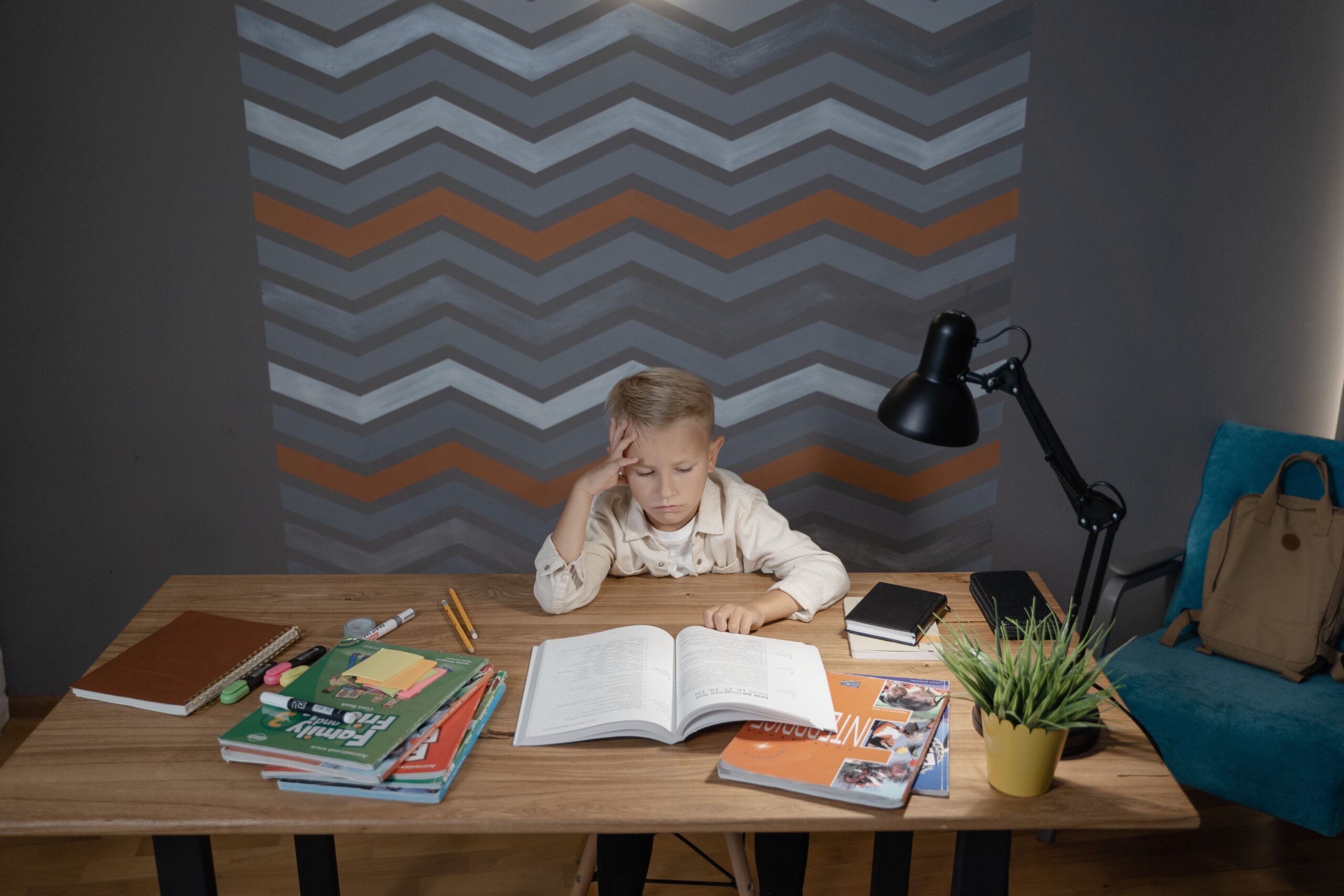
Every parent has been there. Your child sits down to study, stares blankly at the page, and within minutes they’re doing anything except the work in front of them. Knowing what to do when your child doesn’t want to study at home is one of the most common challenges families face, and the frustration on both sides is real. Resistance doesn’t always mean laziness or defiance. More often, it points to something concrete: the environment is wrong, the schedule doesn’t match how they learn, or the material feels completely disconnected from their life. Before you push harder or take away screens as punishment, it helps to step back and understand what’s actually driving the reluctance. What works isn’t about forcing compliance. It’s about making study time feel manageable, relevant, and even occasionally interesting. That shift starts with understanding your child rather than fighting them.
Understand Why Your Child Resists Studying at Home
Children don’t resist studying without reason. Something concrete is usually getting in the way, and once you spot it, the solution gets a lot clearer. As a parent, if you decide to look at how to homeschool your kids, you’ll quickly find that recognizing a child’s resistance patterns is the first real step toward building a study routine that holds. That insight applies whether you’re supplementing traditional school or running full home learning. The child who argues every afternoon isn’t necessarily lazy. They may be overwhelmed, overtired, or stuck in a setup that doesn’t match how their brain actually takes in information. Pinpointing the root cause saves you weeks of guesswork and stops you from throwing the wrong fix at the right problem. Spend a few days noting when the resistance peaks, which subject sets it off most, and how your child’s energy shifts across the day.
Common Reasons Kids Lose Focus During Home Study Sessions
Attention doesn’t disappear randomly. When a child loses focus during a home study session, it usually traces back to one of several patterns worth recognizing. Hunger and fatigue are the most overlooked culprits – a child who didn’t eat enough at lunch or stayed up too late the night before simply can’t sustain attention, no matter how interesting the material is. Beyond the physical, many kids struggle because the task feels too hard or too easy. Work that’s above their current skill level produces anxiety, and anxiety shuts down learning fast. Work that’s below their level produces boredom, which looks almost identical to defiance from the outside. Some children also lack a clear understanding of why they’re doing the work, so it feels pointless. Short, honest explanations of purpose – even simple ones – can make a surprisingly large difference. Pay attention to the pattern, and you’ll start to see which of these factors shows up most consistently for your child.
How Distractions and Environment Affect Learning Motivation
The home environment presents a unique challenge that traditional classrooms don’t. At school, the setting itself signals to a child’s brain that it’s time to focus. At home, that signal is almost entirely absent. The television is visible, siblings are nearby, snacks are in the kitchen, and the couch is two steps away. Each of these pulls attention away from studying, often before the child even realizes it’s happening. Research consistently shows that physical environment shapes behavior far more than most parents expect. The space around a child influences what they reach for and how long they stay on task. Background noise matters a lot. Some children focus better with soft background sound, while others need near-complete quiet. Neither preference is wrong. The thing is identifying which environment your specific child performs best in, then building their study space accordingly rather than defaulting to whatever’s convenient for the household.
Create a Study Setup That Actually Works
A consistent, well-designed study environment does a large part of the motivational work for you. Children’s brains are association machines. They link physical spaces to behaviors, and that connection runs deep. When you build a space for study and use it consistently, your child’s brain begins to expect focus mode the moment they sit down there. This doesn’t mean you need a dedicated room or expensive furniture. Small, deliberate choices (a specific chair, a cleared desk, the same light) can create a strong enough routine signal to shift behavior. The goal is a space that says “this is where we work” without you having to say a word.
Design a Dedicated Learning Space Free from Interruptions
Wherever your child sits down to study, that space needs a hard line between it and the rest of home life. Clear out anything competing for attention before a session starts – toys, devices, anything visually stimulating that’s got nothing to do with the task. Keep the desk tidy so your child can find what they need without losing their train of thought. Natural light sharpens alertness, so put the study space near a window when you can. If siblings are close by, headphones or a reliable signal – like a shut door – tells everyone that interruptions aren’t welcome. Younger children need you to actively enforce that boundary at first, but most internalize it within a few weeks of steady consistency. Stock the space with everything they’ll need – pencils, paper, reference materials, so there’s no good excuse to wander off mid-session. The fewer exits the setup offers, the longer your child stays on task.
Set a Realistic Schedule That Fits Your Child’s Energy Levels
Timing matters more than most parents give it credit for. Pushing a child to study right after school, when their mental reserves are scraped thin, produces predictable pushback. Younger children often catch a second energy window late in the morning, while older kids may do better in the early afternoon or even early evening. Try different start times and watch how focus and attitude shift. Keep sessions short at first; twenty to thirty minutes of genuine concentration beats ninety minutes of half-hearted effort by every measure. Build transition warnings into the routine: “study time starts in ten minutes” lets your child mentally switch gears instead of getting yanked straight from play. Consistency across the week counts for more than landing on the perfect time slot. A predictable structure replaces the daily negotiation with an expectation, and that alone cuts resistance significantly over time.
Turn Reluctance Into Engagement
Motivation isn’t a fixed trait children either have or don’t have. It responds to conditions, and you’ve got more control over those conditions than a standoff at the kitchen table might suggest. The goal isn’t to make every study session fun; that’s an unrealistic bar to set. The goal is to make the work feel worth doing, with enough positive experience woven around it that your child doesn’t dread sitting down. Small structural shifts in how you frame, sequence, and acknowledge study time can turn a resistant child’s attitude around faster than any lecture about effort or responsibility ever will.
Use Breaks, Rewards, and Activities Your Child Enjoys
Breaks aren’t a reward for finishing – they’re a productivity tool. A child who knows a ten-minute break is arriving in twenty minutes can hold focus far better than one staring at an open-ended stretch of work with no end in sight. Use a visible timer so they can track time themselves rather than asking you every three minutes how much is left. During breaks, let them do something they actually enjoy – moving around, grabbing a snack, a few minutes of a game. Keep it short and structured so coming back to work doesn’t become a second battle. On the reward side, small consistent acknowledgments beat big infrequent ones every time. Verbal recognition, a sticker chart, or an earned privilege tied directly to completed work teaches your child that effort produces something real. Don’t hold the reward back until the work is perfect; reward effort and completion, and let quality rise naturally on its own.
Connect Lessons to Things Your Child Cares About
Abstract content loses children fast. But the moment a lesson connects to something they already care about, attention sharpens. A child obsessed with animals will engage with a math problem about animal populations in a way they never would with abstract numbers. One interested in sports can practice fractions through game statistics. This isn’t about dumbing down the material – it’s about building a bridge from what your child already cares about to the skill you need them to practice. Ask your child what they’re curious about this week, then find one way to connect that to the subject you’re working on. It takes five extra minutes of planning and produces a measurably more engaged learner. The connection doesn’t have to be perfect. Even a loose tie to something familiar gives the brain a hook to hold new information, which means your child retains more and resists less.
Conclusion
Knowing what to do when your child won’t study at home starts with observation, not intervention. Find out why the resistance is happening, fix the environment, build a schedule that fits your child’s actual energy, and use what they care about to make the material land. None of it happens overnight, but small, consistent changes in how study time is structured and framed produce real results within a few weeks. Your child doesn’t need to love studying. They just need enough structure and enough connection to the material to get through the work without a battle every single day.
Disclaimer: This article is for informational purposes only and is not medical, psychological, or educational advice. Every child is different, and these strategies are not a substitute for professional assessment. If your child’s resistance to studying is persistent or paired with signs of anxiety or a learning difficulty, speak with their teacher, pediatrician, or a qualified specialist.