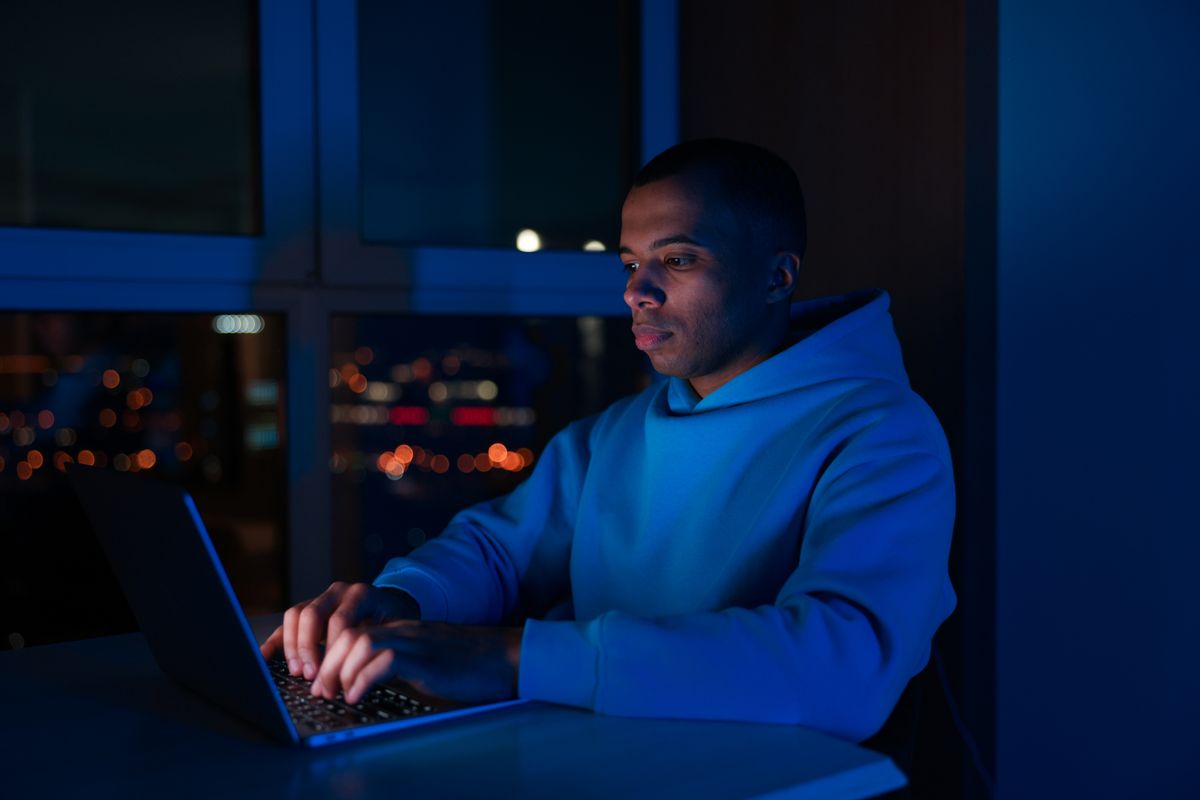
Prolonged exposure to artificial indoor screens is reshaping sleep medicine as clinicians explore light filtering to protect circadian rhythms and eye health.
Increased evening exposure to LED lighting and digital displays suppresses natural melatonin production and contributes to severe visual fatigue. You often find yourself working late into the night, staring at monitors that flood your workspace with artificial brightness. Your eyes burn after hours of spreadsheet analysis, and falling asleep feels like an impossible task when your brain remains wired from the digital glow.
Medical and wellness professionals are now evaluating targeted wavelength filtration to solve this growing problem. Implementing a thoughtful approach to light management helps you reclaim your rest and protect your daily productivity.
How Do Blue and Green Wavelengths Impact Your Circadian Clock?
Your internal biological clock relies on external illumination cues to regulate both sleep and wakefulness throughout a 24-hour cycle. Exposure to short-wavelength blue and green light after sunset sends a false daytime signal directly to your visual system. Artificial stimulation actively blocks the release of melatonin, the exact hormone responsible for initiating deep rest.
Statistics in SQ Magazine urge individuals to ditch their glowing mobile devices half an hour to a full hour prior to going to sleep. Creating this dark buffer zone allows your nervous system to wind down naturally. Following this medical advice gives your body the biochemical green light to begin its nightly recovery phase.
What Distinguishes Daytime Glare Reduction From Nighttime Spectrum Blocking?
Managing your light intake requires different tactics depending on the time of day. You need crisp, unhindered vision during morning hours to maintain peak focus, making a clear or light yellow lens ideal for brightly lit office environments. When the sun goes down, you must shift your strategy entirely to block the heavier 500nm to 550nm spectrum.
Finding the right tool for evening protection requires exploring specialized lenses equipped with deep amber or red tints. Many professionals turn to a blue light glasses brand to find frames tailored for this exact nighttime wavelength blocking. Matching your eyewear to the current hour preserves your daytime alertness while safeguarding your nighttime melatonin release.
Understanding Extended Sleep Latency After Evening Screen Use
Prolonged sleep latency leaves you tossing and turning for hours beneath the covers. Reducing your exposure to stimulating screen glows helps your brain transition from high-alert work mode to complete physical relaxation. Your eyes absorb bright pixels from tablets and laptops, forcing your visual cortex to remain in a state of high processing demand. This sustained cognitive load makes it difficult to switch off your thoughts once your head hits the pillow.
Addressing this friction requires taking control of the ambient environment around your workstation. Dimming your screens serves as the first logical step toward correcting a deeply ingrained habit of late-night overstimulation.
Recognizing the Limitations of Clear Office Lenses
Office workers routinely make the mistake of wearing their daytime computer glasses long after finishing dinner. Standard anti-glare coatings simply reduce screen reflections and alleviate minor eye strain from harsh fluorescent ceiling fixtures. They allow nearly all the circadian-disrupting frequencies to pass straight through the glass and into your retinas.
The physical design of these clear filters prioritizes visual comfort rather than biological hormone regulation. You need true spectrum-blocking technology to shield your eyes from the specific light frequencies that suppress your sleep cycle.
How Can You Implement Practical Light-Hygiene Protocols?
Working late on screens demands a structured, intentional approach to environmental lighting. You must curate the physical space around your desk to minimize the impact of harsh overhead bulbs that mimic daylight. Dimming your office lights or switching to warm-toned desk lamps reduces the overall photic load on your delicate visual system.
According to Infusion Health, capping daily digital monitor use at two hours for a span of three weeks caused notable reductions in stress levels and improved rest patterns. Setting strict boundaries around your monitor usage directly translates to better biological recovery. Following a strict daily protocol keeps your natural rhythms as steady as possible during intense work sprints.
- Control ambient brightness: Swap harsh ceiling fixtures for low-wattage, warm-hued lamps across your entire workspace.
- Schedule screen breaks: Step away from your monitors every single hour to rest your focusing muscles and reset your visual baseline.
- Establish digital curfews: Power down tablets and phones at least an hour before you plan to close your eyes.
- Utilize physical filters: Wear appropriate amber or red-tinted lenses to block harmful wavelengths before retiring to bed.
Building a Sustainable Nighttime Viewing Routine
Your body thrives on predictability and structured daily routines. Exposing yourself to intense digital displays at irregular hours throws your internal clock into absolute chaos. Sticking to a consistent schedule for dimming the lights trains your biology to anticipate impending rest.
The timing of your screen use dictates your recovery quality just as much as the total duration you spend online. An hour of scrolling at noon carries a different biological penalty than an hour of scrolling at midnight. You hold the power to dictate how these digital tools influence your physiology by paying close attention to the clock.
Matching your lens filtration levels to the time of day provides a simple, effective method for preserving daytime alertness while protecting your nighttime melatonin release. You can easily navigate the demands of modern professional life without sacrificing the deep, restorative rest your body desperately requires. Embracing these targeted light-hygiene habits guarantees your screen time never compromises your physical health or your next-day performance.
Related reading: sleep health tips from doctors and ways to sleep through the night.