BrainTap Health Technology Neuroscience Review: What the 2026 Clinical Evidence and 4,000+ Provider Adoptions Actually Reveal
Introduction: Why a Clinical-Evidence-First Review of BrainTap Matters in 2026
Two trends are converging in 2026. The neurotechnology market, valued at $15.4 billion in 2025, is projected to reach $37.87 billion by 2033. At the same time, consumer demand for cognitive wellness tools has surged, with more than 62% of adults globally reporting interest in tracking their cognitive health for stress, memory, and focus. In that environment, a rigorous BrainTap health technology neuroscience review is long overdue.
Most existing coverage of BrainTap falls into one of two camps: promotional overviews that repeat marketing language, or dismissive skeptic pieces that ignore the peer-reviewed literature entirely. This review takes a different path, anchoring its analysis in clinical research, real-world adoption data, and comparative market positioning.
TopDoctor Magazine has featured BrainTap as a special issue editorial partner, a relationship that provides useful clinical context while carrying an obligation to maintain journalistic integrity. The core question is straightforward: does the clinical and real-world evidence support BrainTap’s positioning as the leading multi-sensory brainwave entrainment platform, and how does it compare to single-modality competitors?
To answer that, this review covers five areas: the neuroscience foundation, the five-modality system, the clinical evidence, the competitive landscape, and BrainTap’s 2026 adoption and innovation trajectory.
The Neuroscience Foundation: Understanding Brainwave Entrainment and the Frequency-Following Response
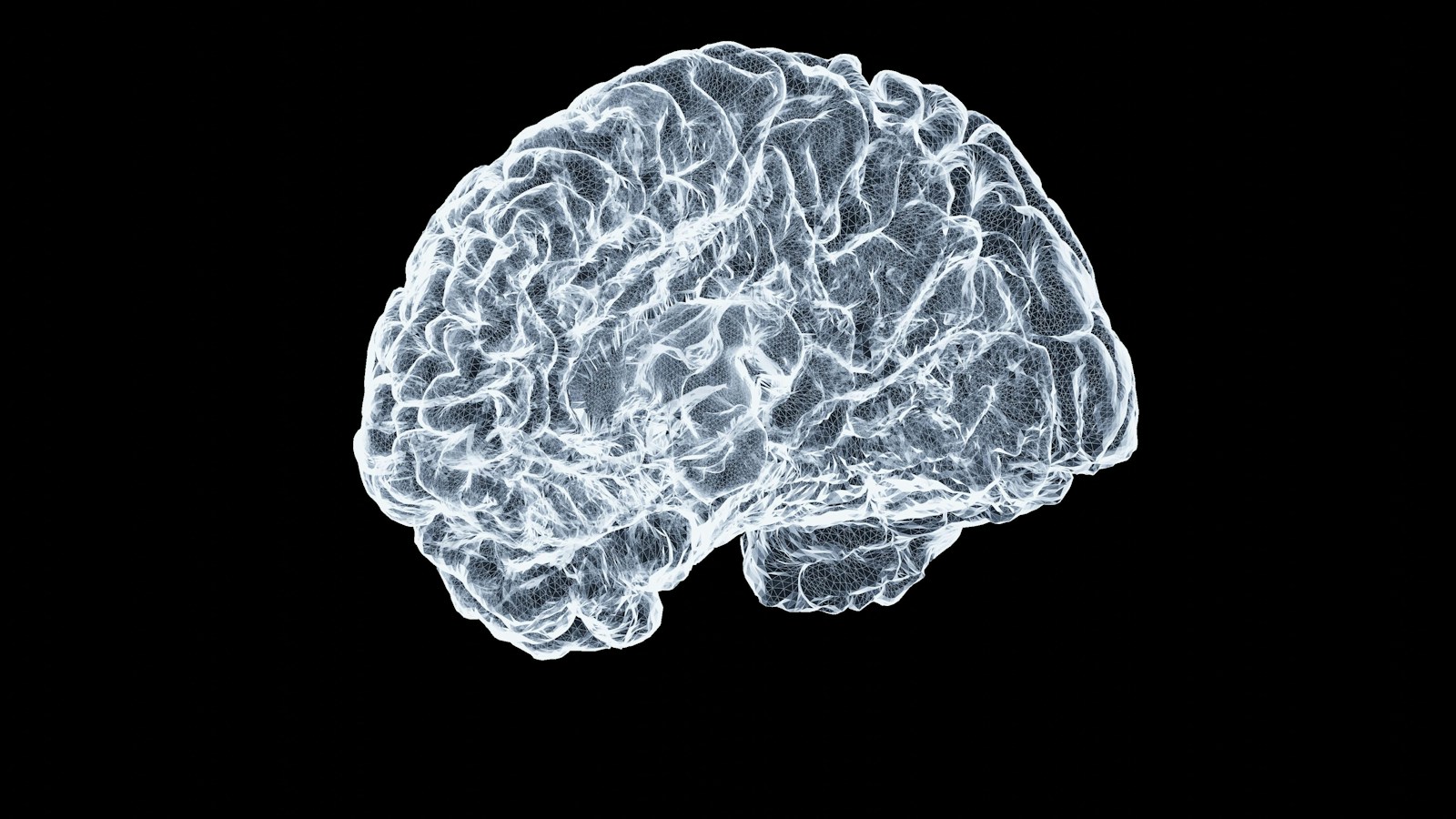
Brainwave entrainment refers to the brain’s natural tendency to synchronize its electrical activity to external rhythmic stimuli, whether auditory, visual, or both. This phenomenon is known as the frequency-following response (FFR).
The brain operates across five primary wave states, each tied to a functional correlate: delta (deep sleep), theta (deep relaxation), alpha (calm focus), beta (active cognition), and gamma (high-frequency cognitive processing). Entrainment technologies aim to guide the brain toward a desired state by presenting stimuli at the corresponding frequency.
The scientific literature has grown meaningfully. A 2025 paper in Frontiers in Digital Health reported that entrainment at gamma frequencies, particularly 40 Hz, facilitates neural oscillatory patterns linked to relaxation, concentration, and memory. A 2025 Scientific Reports study confirmed binaural beats as a highly accessible, noninvasive method to enhance cognitive performance through brain entrainment.
The most comprehensive synthesis to date is a 2025 integrative review published in Applied Psychophysiology and Biofeedback, co-authored by BrainTap’s Chief Science Officer Dr. Francisco Cidral-Filho and founder Dr. Patrick Porter. Analyzing 84 studies, the review found brainwave entrainment associated with improvements in pain, sleep disturbances, mood disorders, cognition, and neurodegenerative disorders.
Balanced coverage requires acknowledging the nuance. A separate systematic review of 14 binaural beat studies found inconsistent EEG entrainment results, underscoring the need for standardized research methodologies. That caveat strengthens editorial credibility rather than undermining the technology’s promise.
Underlying it all is neuroplasticity. Rhythmic stimulation encourages the brain to form new neural connections, which is the mechanism BrainTap points to when describing its long-term wellness claims.
Who Is BrainTap? Founder Background, Platform History, and 2026 Scale
BrainTap was founded by Dr. Patrick K. Porter, PhD, who brings more than 32 years of experience in brainwave entrainment technology, making him one of the field’s most experienced practitioners and researchers. Under his direction, BrainTap has evolved from a clinical tool into a global wellness platform offering more than 2,000 guided audio sessions.
The 2025 performance data is substantial. According to the company’s January 2026 press release, users completed 2.2 million full sessions with a roughly 90% completion rate, logging 46.6 million minutes of content and adding 25,000 new users. Cumulatively, the platform has logged nearly 7 million total sessions across its history.
Perhaps the most distinguishing metric is adoption by more than 4,000 healthcare providers globally as of 2026, a figure that separates BrainTap from consumer-only wellness apps. The platform has also earned media credibility, appearing in The Wall Street Journal, Inc., People, BusinessWeek, Entrepreneur, NBC, and ABC.
BrainTap’s research collaborations span three continents, including Sapienza University in Rome and the University of Southern Santa Catarina in Brazil. TopDoctor Magazine’s special issue feature on BrainTap placed the platform in front of a physician-trusted editorial audience reaching more than 600,000 medical professionals.
BrainTap’s Five-Modality System: What Makes It Clinically Distinct
The core technical differentiator is that BrainTap deploys five neurotechnologies simultaneously, while most competitors rely on one or two.
Binaural Beats and Isochronic Tones: The Auditory Entrainment Layer
Binaural beats work by delivering two slightly different frequencies to each ear. The brain perceives a third “beat” equal to the difference between them, which induces a targeted brainwave state. Isochronic tones use single-tone pulses that switch on and off at a precise rate, producing a stronger, more direct entrainment signal that works even without headphones.
The 2025 Scientific Reports study reinforces the cognitive performance case for binaural beats. Combining both auditory methods creates a layered entrainment effect that neither achieves alone.
Guided Visualization: The Cognitive-Behavioral Layer
BrainTap’s library of more than 2,000 guided audio sessions serves as the content delivery mechanism, spanning sleep, stress recovery, focus, athletic performance, and clinical wellness protocols. Guided visualization leverages the brain’s heightened receptivity during entrained states to reinforce behavioral and cognitive reprogramming.
The roughly 90% session completion rate suggests strong content engagement quality. The breadth of the library also stands as a competitive advantage over more narrowly focused platforms.
LED Light Pulses via Visor: The Visual Entrainment Layer
The BrainTap headset visor delivers precise LED light pulses through closed eyelids, engaging the visual cortex in synchrony with the auditory signal. This reflects the principle of audio-visual entrainment (AVE), where combining auditory and visual stimuli produces stronger, more consistent results than either alone.
A peer-reviewed audio-visual brain entrainment study demonstrated significant sleep quality improvement in university students (PSQI p<0.05). The headset retails at approximately $547 to $797, a common consumer consideration.
Auriculotherapy: The Acupressure Integration Layer
Auriculotherapy involves stimulating specific points on the outer ear that correspond to reflex zones throughout the body, a practice rooted in traditional Chinese medicine and validated in integrative medicine literature. BrainTap integrates auriculotherapy signals into the headset, adding a somatic dimension to the multi-sensory protocol.
This modality is particularly relevant to BrainTap’s integrative provider audience, including chiropractors and functional medicine practitioners. The company’s February 2025 India launch, which integrated Vedic wellness traditions with neuroscience, illustrates how this layer resonates across cultural wellness frameworks.
What the 2026 Clinical Evidence Actually Shows: HRV, Sleep, Stress, and Cognition
This section represents the evidentiary core of the review, separating credible analysis from a marketing summary.
Heart Rate Variability and Autonomic Nervous System Response
A clinical trial with 100 adult volunteers showed that a single BrainTap audio-visual session significantly increased heart rate variability (HRV) and parasympathetic activity while decreasing stress index and heart rate. HRV is a validated biomarker of autonomic nervous system balance and stress resilience.
Research published in Global Advances in Health and Medicine reported a 38.5% improvement on the stress index scale and a 27.3% improvement on overall neurological markers after a single session. Measurable autonomic improvement from one session is clinically meaningful for providers integrating BrainTap into recovery and stress management protocols.
Sleep Quality: Peer-Reviewed Evidence
The audio-visual brain entrainment sleep study noted above showed significant PSQI improvement (p<0.05) among university students. A completed 2025 to 2026 randomized controlled trial at Hasanuddin University (ClinicalTrials.gov NCT07440264) tested theta brainwave entrainment combined with natural sound on healthcare shift workers with poor sleep quality.
Sleep improvement is BrainTap’s most popular use case among both consumers and providers. The 2025 Applied Psychophysiology and Biofeedback review also found sleep-related benefits across its 84-study analysis. For those exploring ways to create a comfortable sleeping environment, brainwave entrainment represents an emerging evidence-based complement to conventional sleep hygiene approaches.
Cognitive Performance, Mood, and Neurological Markers
The 2025 Frontiers in Digital Health findings on gamma frequency entrainment tie to concentration and memory. A PMC-indexed study used BrainTap’s audio sessions as the intervention in a four-week randomized trial on teenage mental wellbeing. The 2025 integrative review likewise found improvements in mood disorders and cognition.
The honest limitation: most studies remain small-scale or short-duration, and larger randomized controlled trials are needed. BrainTap’s ongoing research collaborations signal a genuine commitment to building a stronger evidence base.
Competitive Landscape: How BrainTap Compares to Muse, Brain.fm, NeuroVizr, and NuCalm
The central axis of differentiation is passive, guided multi-modal entrainment (BrainTap) versus active biofeedback and single-modality approaches (many competitors).
BrainTap vs. Muse (InteraXon): Passive Entrainment vs. Active Neurofeedback
Muse uses real-time EEG neurofeedback, giving users live feedback on their brain state so they can adjust their meditation. The Muse S Athena adds fNIRS sensors and an AI-driven Foundational Brain Model trained on more than 80,000 EEG recordings.
BrainTap’s passive model guides the brain into target states without requiring active adjustment, lowering cognitive load and potentially improving accessibility for clinical populations. BrainTap’s 4,000+ provider adoptions contrast with Muse’s largely consumer positioning, and its five-modality system delivers clinical protocol depth that a single-modality device cannot replicate.
BrainTap vs. NeuroVizr: Multi-Modal Depth vs. Adaptive Personalization
NeuroVizr is a newer entrant offering real-time adaptive light and sound therapy in a lightweight design. Its competitive claim is dynamic personalization versus BrainTap’s pre-programmed sessions. BrainTap counters with 32+ years of research history, an 84-study integrative review, 4,000+ provider adoptions, and its five-modality system including auriculotherapy. Its 2,000+ session library also delivers protocol specificity that a newer platform cannot yet match.
BrainTap vs. Audio-Only Platforms
Some platforms offer AI-generated functional music with no hardware, a lower price point, and a simpler experience, which appeals to casual users. Others are premium neuroacoustic systems with deep clinical roots but smaller content libraries. Some reviewers note quality variance across BrainTap’s large library, a fair counterpoint.
BrainTap’s edge is that the LED visor and auriculotherapy add modalities that audio-only platforms cannot replicate, and its provider network offers clinical validation those platforms have not matched. At $9.99 to $29.99 per month, its subscription is competitively priced.
BrainTap vs. Niche Cognitive Performance Tools
Some devices use fNIRS prefrontal cortex training through gamified sessions, while others are EEG-based focus and flow tools for professionals and gamers. These are narrow performance devices without sleep protocols, stress recovery content, or provider integration. BrainTap functions as the broader clinical wellness platform, serving a different purpose for different needs.
Healthcare Provider Adoption: What 4,000+ Providers Reveal About Clinical Integration
Provider adoption is the most underreported dimension of BrainTap’s market position. Chiropractors, functional medicine practitioners, integrative wellness clinics, and concussion recovery specialists incorporate BrainTap into patient protocols. The platform integrates with vibroacoustic sound beds such as inHarmony for more immersive sessions, an example of ecosystem-level clinical integration.
An important distinction: BrainTap is classified as a wellness technology, not an FDA-cleared medical device. It is positioned as a supportive recovery and wellness tool, which matters for providers evaluating clinical liability. The roughly 90% session completion rate suggests high patient compliance, a critical metric for clinical utility.
For providers seeking peer-reviewed evidence, BrainTap maintains a research portal at research.braintap.com. TopDoctor Magazine’s physician-facing reach of more than 600,000 medical professionals is precisely the segment BrainTap targets for clinical integration. Practitioners working in autoimmune disease integrative treatment approaches and other functional medicine disciplines represent a natural fit for BrainTap’s stress and recovery protocols.
BrainTap in 2026: Sports Performance, AI Integration, and Global Expansion
BrainTap Sports: The February 2026 Athletic Performance Launch
In February 2026, BrainTap launched BrainTap Sports, a neuroscience-driven initiative targeting athletes for focus, recovery, and competitive readiness. This aligns with the broader recognition that cognitive performance and recovery optimization are competitive differentiators at elite levels. The 2026 IEEE Brain Discovery and Neurotechnology Workshop reflects that same growing intersection of neurotechnology and performance.
AI Integration and Neurological Biomarker Tracking: The Next Frontier
Various competitors actively market real-time AI personalization. BrainTap has stated interest in AI-powered diagnostics and neurological biomarker tracking, an underreported direction supported by the 2025 Frontiers in Digital Health paper on the convergence of music therapy, entrainment, and AI-driven biofeedback. With neurotech investment surging from €582 million in 2022 to €2 billion in 2024, the capital environment supports rapid AI integration. BrainTap’s 30+ year research history and provider network give it a data advantage that newer AI-first competitors lack.
The future of neurology as a discipline is increasingly intertwined with these AI-driven biomarker tools, and BrainTap’s trajectory positions it at that intersection.
Global Expansion: India Launch and Vedic Wellness Integration
BrainTap’s February 2025 India launch integrated Vedic wellness traditions with neuroscience-based entrainment, a development almost entirely uncovered in English-language health tech media. The opportunity is significant: the Cognitive Assessment and Training Market reached $7.18 billion in 2025 and is projected to reach $9.59 billion by 2026, with a CAGR of 33.6% through 2034.
Cost, Accessibility, and Consumer Considerations: An Honest Assessment
The cost structure is transparent: a headset at roughly $547 to $797, plus subscription plans from $9.99 to $29.99 per month. Hardware cost is the most common consumer concern and a legitimate barrier versus software-only alternatives.
The value proposition counters that concern: the five-modality system, 2,000+ session library, and clinical-grade entrainment are not replicable by audio-only platforms. The subscription-only option allows entry-level access before committing to headset hardware. The quality variance some reviewers note across the large library is worth weighing, though it should be balanced against the breadth of clinical protocol coverage. Healthcare providers, stress-and-sleep consumers, and performance-focused athletes each represent distinct buyer profiles.
TopDoctor Magazine’s Editorial Perspective: What Its Coverage of BrainTap Revealed
As a publication that has profiled BrainTap directly as a special issue partner, TopDoctor Magazine holds editorial proximity that third-party aggregators lack. Its special issue feature examined the five integrated neurotechnologies, the peer-reviewed evidence, and BrainTap’s 2026 cognitive wellness positioning.
BrainTap was selected as a featured partner for reasons consistent with TopDoctor’s focus on integrative, functional, and personalized medicine: the strength of the clinical evidence base and demonstrated provider adoption. The magazine’s physician audience of 600,000+ represents the exact segment BrainTap targets, creating a natural editorial-audience alignment.
That partnership does not override the obligation to present balanced, evidence-based coverage, including honest acknowledgment of research limitations and cost considerations. That balance is what distinguishes this review from a generic product overview.
Conclusion: What the 2026 Evidence Base Tells Us About BrainTap’s Clinical and Market Position
The findings synthesize clearly. BrainTap’s five-modality system is clinically differentiated from single-modality competitors. Its peer-reviewed evidence base is promising but still maturing. Its 4,000+ provider adoptions represent the strongest real-world validation signal available.
The balanced assessment holds: BrainTap is not a medical device and should not be positioned as a treatment for diagnosed conditions. As a wellness technology with a growing evidence base for stress reduction, sleep improvement, HRV enhancement, and cognitive support, it occupies a defensible and increasingly validated market position.
Various competitors serve legitimate needs, each with their own approach to neurofeedback, adaptive personalization, and accessibility. BrainTap’s advantage lies in clinical depth, provider integration, and multi-modal stimulation. With the neurotechnology market projected to nearly triple by 2033, its 32-year research foundation positions it as a mature incumbent in a crowded field. BrainTap Sports, AI integration, and global expansion form the next chapter, and the evidence base should strengthen as larger randomized controlled trials conclude.
Explore BrainTap and Stay Informed with TopDoctor Magazine
Readers can explore TopDoctor Magazine’s full BrainTap special issue feature and broader cognitive wellness editorial series at topdoctormagazine.com.
Healthcare providers interested in integrating brainwave entrainment into clinical practice should visit BrainTap’s official research portal (research.braintap.com) for peer-reviewed publications and clinical protocol resources.
Health-conscious consumers may want to evaluate BrainTap’s subscription options and consider starting with the audio-only tier before committing to headset hardware.
Subscribe to TopDoctor Magazine’s free biweekly newsletter for ongoing coverage of neurotechnology, integrative medicine, and cognitive wellness innovations. For healthcare professionals advancing integrative, technology-driven wellness, the TopDoctor Magazine Awards program welcomes nominations from the reader community.
TopDoctor Magazine remains committed to bridging the gap between healthcare providers, medical innovators, and health-conscious consumers through credible, evidence-anchored journalism.