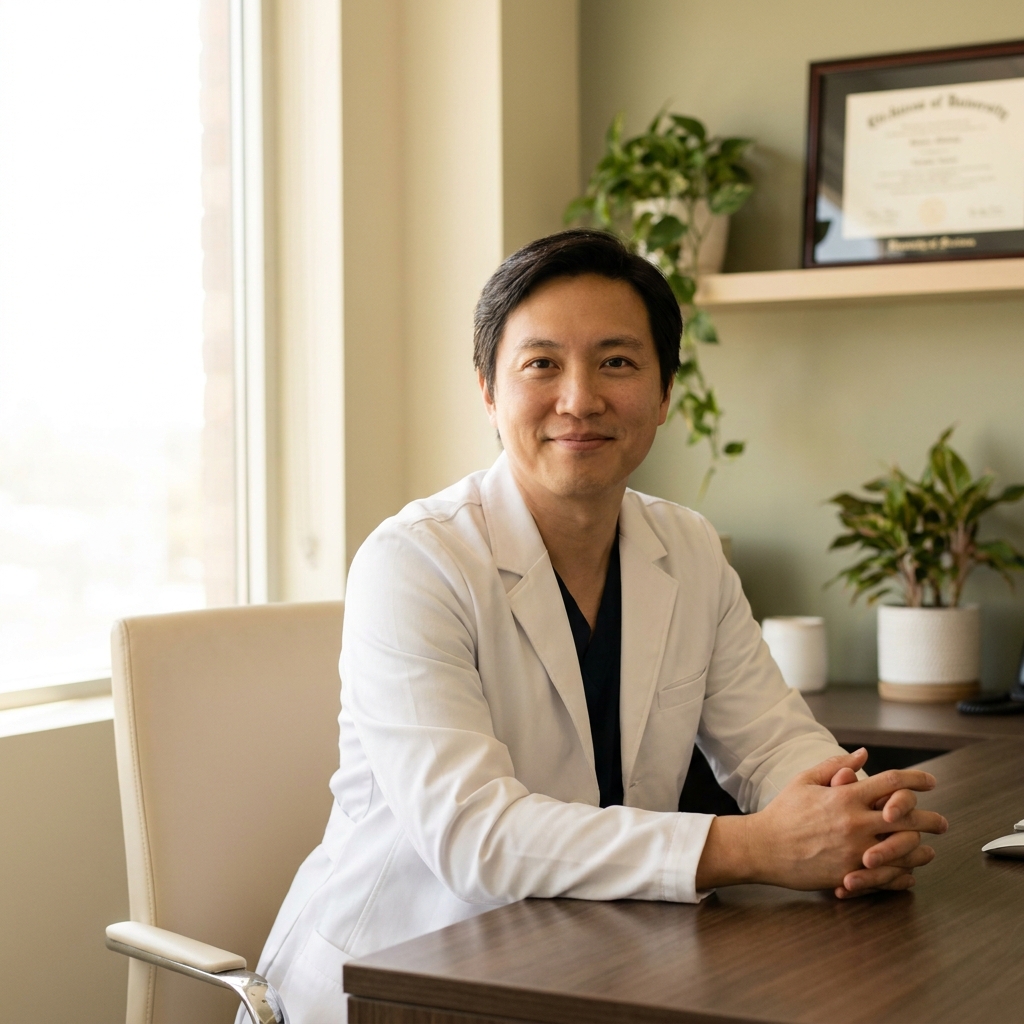
Autoimmune Disease Integrative Treatment Approaches: What Physicians Who Blend Conventional and Functional Medicine Want Every Patient to Know in 2026
Introduction: The Autoimmune Crisis No One Is Talking About Enough
Somewhere between 23.5 and 50 million Americans are living with one of more than 140 identified autoimmune diseases, making this one of the most prevalent chronic disease categories in the United States. Yet for a crisis of this magnitude, the public conversation remains strikingly quiet.
The human cost is staggering, and it often begins with a search for answers. On average, patients visit four different providers over 4.5 years before receiving a correct diagnosis. That journey is frequently marked by frustration, misdiagnosis, and steadily worsening symptoms. The economic toll is equally sobering: annual U.S. healthcare costs tied to autoimmune conditions exceed $100 billion, and prevalence is climbing at a rate of 3 to 12 percent every year, according to the NIH-Wide Strategic Plan for Autoimmune Disease Research.
Here lies the central tension. Conventional medicine offers essential, sometimes life-saving tools: biologics, immunosuppressants, and corticosteroids. But these therapies often address symptoms rather than the root causes driving immune dysfunction. This is where a new model of care is emerging. Physicians who practice at the intersection of conventional immunology and functional medicine are pioneering a more complete approach, and what they understand could reshape how patients navigate their condition.
In July 2025, the NIH released its first-ever agency-wide strategic plan for autoimmune disease research, spanning fiscal years 2026 through 2030. It signals that the medical establishment is now embracing a broader, more integrative view. This article is written for patients, not practitioners, and is designed to help readers ask better questions and build stronger care teams.
Understanding Autoimmune Disease: What the Immune System Is Actually Doing
At its core, autoimmunity occurs when the immune system, which is designed to protect the body from foreign invaders, mistakenly attacks the body’s own tissues, organs, or cells.
More than 140 autoimmune diseases have been identified, and together they can affect virtually every organ system: the thyroid (Hashimoto’s), the joints (rheumatoid arthritis), the nervous system (multiple sclerosis), and the skin and connective tissue (psoriasis, lupus). The complexity often compounds over time. Roughly 25 percent of patients with one autoimmune disease go on to develop two or more co-occurring conditions.
A striking disparity defines this landscape: women account for approximately 78 to 80 percent of all autoimmune cases, a pattern largely attributed to the X chromosome’s role in immune regulation. This reality shapes how integrative physicians approach hormonal and lifestyle factors in female patients.
The trend is accelerating. Anti-nuclear antibodies (ANA), the most common marker of autoimmunity, doubled in the U.S. population between 1988 and 2012, with a nearly 300 percent increase among adolescents. This points to an epidemic that is not only growing but reaching younger populations.
Understanding autoimmunity means recognizing that the immune system is not simply “overactive.” It is misdirected. That distinction is the foundation of why root-cause medicine matters.
Why Conventional Treatment Alone Often Is Not Enough
Conventional treatments deserve credit. Immunosuppressants, corticosteroids, biologics, and disease-modifying antirheumatic drugs (DMARDs) are often necessary and can prevent irreversible organ damage.
Their limitation lies in mechanism. Most conventional therapies suppress immune activity broadly rather than correcting the underlying dysfunction driving the disease. They quiet the fire without always identifying what lit it.
The diagnostic odyssey compounds the problem. The 4.5-year, four-provider journey occurs for identifiable reasons: symptoms overlap heavily across autoimmune conditions, comprehensive early testing is rarely ordered, and specialty care remains siloed.
The NIH’s new strategic plan introduces a concept that reframes this challenge: preclinical autoimmunity, a phase in which autoantibodies are already present in the blood before clinical symptoms emerge. As highlighted by Medscape, this window represents a critical opportunity for early intervention. The plan explicitly prioritizes early diagnosis, precision treatment, prevention, and integrative patient-centered research, echoing approaches integrative physicians have championed for years.
The takeaway is clear: conventional and integrative medicine are not adversaries. They are complementary strategies that, when coordinated, offer patients the most comprehensive path forward.
The Integrative Medicine Difference: Treating the Whole Patient, Not Just the Diagnosis
Integrative medicine in autoimmune care combines evidence-based conventional treatments with functional medicine strategies that target root causes. Instead of asking only “what disease does this patient have?” it also asks “why is this patient’s immune system misfiring, and what can be corrected?”
According to the Institute for Functional Medicine, this approach addresses underlying mechanisms rather than merely suppressing symptoms. Integrative physicians typically investigate four primary root-cause domains:
- Gut health and microbiome dysbiosis
- Environmental toxin exposure
- Nutrient deficiencies
- Chronic stress and HPA axis dysregulation
To explore these areas, they order diagnostics not typically used in conventional settings: genomic testing, microbiome mapping, zonulin levels (a marker of gut permeability), high-sensitivity CRP, IL-6, and comprehensive nutrient panels.
This model has global institutional backing. The WHO’s 2024 Global Report on Traditional, Complementary and Integrative Medicine emphasizes safety, quality, and efficacy as the foundation for integrative health systems worldwide. Integrative care is not a rejection of conventional medicine; it is an expansion of it.
Root Cause #1: The Gut-Immune Connection Physicians Are Prioritizing
Roughly 70 to 80 percent of the body’s immune cells reside in the gut, making the gastrointestinal system the epicenter of immune regulation.
When the gut microbiome falls out of balance, a state called dysbiosis characterized by reduced microbial diversity and overgrowth of inflammatory species, systemic autoimmune activation can follow. A 2026 review in PMC found that patients with rheumatic disease exhibit significantly altered gut microbiota, with microbiome shifts often preceding clinical flares, offering potential biomarkers for personalized treatment.
“Leaky gut,” or intestinal hyperpermeability, is a related concern. When the gut lining is compromised, undigested food particles, toxins, and bacterial fragments can enter the bloodstream and trigger immune responses that may fuel autoimmune activity. Integrative physicians test for this using zonulin levels and comprehensive microbiome mapping.
Therapeutic strategies now common in integrative protocols include elimination diets, targeted probiotic and prebiotic supplementation, fermented foods, and personalized nutrition plans. As Gut Microbiota for Health reported, 2025’s discoveries strengthened the mechanistic understanding of how microbiome composition influences immune tolerance to the point where it can now guide clinical decisions.
Root Cause #2: Diet, Inflammation, and the Autoimmune Protocol
The Western diet, high in processed foods, refined sugar, animal proteins, and saturated fats, reduces gut bacterial diversity and promotes chronic low-grade inflammation, a known driver of autoimmune activity.
Anti-inflammatory patterns tell a different story. Mediterranean-style diets and fiber-rich, plant-forward eating have demonstrated benefits for conditions including rheumatoid arthritis and multiple sclerosis.
The Autoimmune Protocol (AIP) diet has gained clinical traction as a structured elimination approach. A 2025 PMC review describes it as focused on gut health and microbiome regulation, beginning with a strict elimination phase that removes grains, legumes, dairy, nightshades, eggs, nuts, seeds, and alcohol, followed by systematic reintroduction to identify individual triggers.
Integrative physicians use AIP not as a permanent diet but as a diagnostic and therapeutic tool. Other frameworks in use include low-glycemic eating and gluten-free protocols for conditions like Hashimoto’s thyroiditis. A practical note for patients: dietary changes should be implemented with physician or registered dietitian guidance, particularly alongside immunosuppressive medications.
Root Cause #3: Nutrient Deficiencies — The Evidence Patients Need to See
Nutrient deficiencies are both a consequence and a potential driver of autoimmune dysfunction, and they are frequently overlooked in standard care.
The evidence here is unusually strong. The landmark VITAL trial, a randomized controlled study of 25,871 participants over 5.3 years, found that vitamin D supplementation (2,000 IU per day) reduced autoimmune disease incidence by 22 percent (hazard ratio 0.78). Even more compelling, vitamin D combined with omega-3 fatty acids reduced autoimmune disease incidence by roughly 30 percent versus placebo, the first direct evidence from a prospective randomized trial.
Vitamin D matters immunologically because it helps regulate T-cell function, reduce inflammatory cytokine production, and support immune tolerance. Other nutrients commonly assessed by integrative physicians include magnesium, zinc, selenium (particularly relevant for Hashimoto’s), B12, folate, and glutathione.
A crucial patient guideline: supplementation decisions should be made with a physician based on tested levels, not self-directed. Fat-soluble vitamins like vitamin D can accumulate to toxic levels.
Root Cause #4: Environmental Toxins and the Immune System
Environmental exposures, including heavy metals (mercury, lead), pesticides, endocrine-disrupting chemicals (BPA, phthalates), mold toxins, and air pollutants, can trigger or exacerbate immune dysregulation.
The rapid rise in prevalence, 3 to 12 percent annually, strongly implicates environmental factors alongside genetic predisposition. Genetics alone cannot explain a trend moving this fast.
Integrative physicians assess toxic burden through heavy metal testing (urine or blood), mycotoxin panels, and detailed environmental exposure histories, tools rarely included in a conventional workup. Central to this is the concept of total toxic load: the cumulative burden of many low-level exposures that together may overwhelm the body’s detoxification capacity.
Therapeutic strategies include targeted detoxification support (glutathione, N-acetylcysteine, sauna therapy), dietary approaches to reduce ongoing exposure, and environmental modifications. It is worth acknowledging an evidence gap: while the association between toxins and autoimmunity is well established epidemiologically, randomized trial evidence for specific detoxification interventions remains an active research area. Toxin assessment is one component of a comprehensive evaluation, not a standalone cure.
Root Cause #5: Chronic Stress, the HPA Axis, and Immune Dysregulation
Chronic psychological and physiological stress dysregulates the hypothalamic-pituitary-adrenal (HPA) axis, altering cortisol rhythms and disrupting immune homeostasis.
Stress is both a trigger for flares and a consequence of living with chronic illness, creating a bidirectional feedback loop. Physiologically, chronic stress promotes pro-inflammatory cytokine production (IL-6, TNF-alpha), reduces regulatory T-cell (Treg) function, and can increase gut permeability, linking stress directly to the gut-immune axis.
Mind-body interventions with clinical evidence in autoimmune populations include mindfulness-based stress reduction (MBSR), yoga, tai chi, cognitive behavioral therapy (CBT), and biofeedback. To assess HPA function, integrative physicians use salivary cortisol testing across the diurnal curve, DHEA-S levels, and patient-reported stress and sleep measures.
Sleep deserves special attention. Poor sleep quality is associated with increased inflammatory markers and more frequent flares, making it a specific target in integrative protocols. Stress management is not a “soft” intervention; it is a physiologically grounded strategy treated with the same seriousness as medication management.
Integrative Therapies With Growing Evidence: What Physicians Are Using in 2026
The following modalities are not unproven alternatives. They carry peer-reviewed support and are used alongside, never instead of, conventional treatments.
Acupuncture and Immunomodulation
A January 2025 narrative review in Autoimmunity Reviews found that acupuncture in experimental models of rheumatoid arthritis, multiple sclerosis, psoriasis, and ulcerative colitis downregulated inflammatory cytokines, increased anti-inflammatory IL-10, and improved Treg cell differentiation.
This matters because Treg cells are critical for preventing the immune system from attacking self-tissues. Acupuncture is increasingly offered within integrative centers for pain management and inflammatory modulation, though physicians note that large-scale human randomized trials are still needed.
Mind-Body Medicine and Stress Reduction Protocols
An umbrella review of 52 systematic reviews evaluated mind-body therapies, exercise, and acupuncture in inflammatory arthritis for functional status and quality of life. Physicians often integrate MBSR, yoga, guided imagery, and biofeedback into structured 8 to 12 week programs with measurable outcomes. Notably, psychological interventions that reduce stress also improve gut microbiome composition, tying mind-body medicine back to the gut-immune axis.
Targeted Supplementation Under Physician Supervision
Beyond the VITAL trial evidence for vitamin D and omega-3s, integrative physicians use curcumin (anti-inflammatory via the NF-kB pathway), probiotics, selenium, N-acetylcysteine, and magnesium. A 2025 PMC review from Johns Hopkins-affiliated authors examined the evidence base for these CAM modalities. The distinction that matters: supplementation is guided by tested levels and monitored for interactions with immunosuppressive medications.
Exercise as Immune Medicine
Regular moderate exercise reduces circulating inflammatory cytokines, improves mitochondrial function, supports gut microbiome diversity, and builds stress resilience. The nuance for autoimmune patients is real: high-intensity exercise during active flares can worsen inflammation. Integrative physicians often collaborate with physical therapists to create individualized movement plans that account for joint involvement, fatigue, and disease activity.
The Emerging Frontier: How Cutting-Edge Conventional Research Aligns With Integrative Principles
The most exciting development in autoimmune care may be how sharply conventional research and integrative principles are now converging.
Consider CAR-T cell therapy. Originally developed for blood cancers, early-phase trials are now testing it in lupus, myasthenia gravis, and pemphigus, with promising results for durable remissions without chronic immunosuppression. UNC Neurology reported that an mRNA-based CAR-T trial for myasthenia gravis was named among Nature Medicine’s clinical trials to watch in 2026.
The conceptual alignment is notable. CAR-T aims for an immune “reset,” the same goal integrative medicine pursues through root-cause correction. Both seek to restore immune balance rather than indefinitely suppress it. As JoinAStudy.ca describes, the field is shifting from broad immunosuppression toward precision immune modulation.
Meanwhile, Johns Hopkins researchers are decoding the molecular root causes of autoimmunity in an approach the AP described as “revolutionary,” language that mirrors the integrative framework. The most forward-thinking conventional researchers and integrative physicians are increasingly asking the same questions. This convergence is also visible in fields like stem cell therapy and regenerative medicine, where immune modulation is a central therapeutic goal.
What Physicians Who Blend Both Worlds Want Every Patient to Know
A Diagnosis Is a Starting Point, Not a Ceiling
A diagnosis names the pattern of immune dysfunction. It does not determine the ceiling of what is possible. Patients who understand their root-cause contributors, including gut health, nutrient status, stress load, and toxin burden, have more levers to pull. A powerful question to ask: “What might be driving my immune system’s behavior, and what can we investigate beyond my current diagnosis?”
The Diagnostic Delay Is Not Inevitable, but Patients Must Advocate for Themselves
The 4.5-year odyssey is a systemic failure, not a patient failure. Integrative physicians approach diagnosis with comprehensive lab panels, detailed history, environmental exposure assessment, and cross-organ symptom recognition. Patients can ask: “Have you tested my ANA panel, complement levels, and inflammatory markers?” The preclinical window is where lifestyle interventions may have the greatest impact.
Integrative Care Requires a Team, and the Patient Is the Team Captain
The ideal team includes a rheumatologist or relevant specialist, a functional medicine physician, a registered dietitian, and mental health support. Care coordination is essential. Patients should look for board-certified physicians with functional medicine training (such as IFM certification) and should never abandon conventional treatment without physician guidance. Integrative strategies are additive, not substitutive.
Lifestyle Is Medicine, but It Must Be Personalized
Lifestyle interventions are physiologically active, not “soft.” What works for one patient may not work for another. Integrative physicians follow a “therapeutic order,” beginning with the least invasive, highest-impact interventions before escalating. Patience matters: measurable changes in inflammatory markers typically take 3 to 6 months of consistent implementation.
Building an Integrative Autoimmune Care Team: A Practical Patient Guide
- Get the right conventional foundation. Secure a confirmed diagnosis from a board-certified specialist with a complete conventional workup.
- Seek a functional medicine evaluation. Look for IFM certification or documented dual-practice experience with autoimmune conditions. Physicians like those featured in natural medicine interviews offer insight into what this integrative approach looks like in practice.
- Request comprehensive testing. Ask about microbiome assessment, comprehensive nutrient panels, inflammatory biomarkers (hsCRP, IL-6, zonulin), and toxin screening.
- Build a support team. Add a registered dietitian, a licensed acupuncturist, and a mental health professional familiar with chronic illness.
- Communicate across providers. Ensure all providers are aware of each other’s recommendations, especially regarding supplement-medication interactions.
- Track progress. Establish baseline biomarkers and reassess every 3 to 6 months.
Red flags to watch for: practitioners who advise stopping conventional medications without specialist consultation, who make cure claims, or who rely solely on expensive supplements without evidence-based rationale.
Questions to Ask at the Next Appointment
- “What is driving my immune system’s activity, and are there specific triggers we can identify?”
- “Am I a candidate for newer precision therapies or relevant clinical trials?”
- “Have we tested for all relevant autoantibodies, and could there be preclinical autoimmunity elsewhere?”
- “Would you be open to evaluating my gut health, nutrient status, and inflammatory biomarkers beyond standard panels?”
- “Do you work with or refer to functional medicine physicians, registered dietitians, or integrative specialists?”
- “Are there supplements, particularly vitamin D, omega-3s, or probiotics, that you would recommend or caution against given my current medications?”
These questions are tools for empowerment, not confrontation. Most physicians welcome engaged, informed patients.
Conclusion: A New Standard of Autoimmune Care Is Within Reach
The most effective autoimmune care in 2026 is neither purely conventional nor purely alternative. It is integrative, personalized, and root-cause-informed.
The convergence is undeniable. The NIH’s first-ever strategic plan, Johns Hopkins’ molecular investigations, and the precision medicine revolution all point in the direction integrative physicians have long traveled. The barriers are real: finding a physician who blends both worlds takes effort, integrative care is not always covered by insurance, and lifestyle changes demand sustained commitment. These obstacles are surmountable, however, with the right information and support.
The tens of millions of Americans living with autoimmune conditions are not passive recipients of care. They are active participants in their own immune health. As research accelerates, from microbiome science to CAR-T therapy to precision immune modulation, patients engaged with both conventional and integrative medicine will be best positioned to benefit from every advance. That is precisely the future TopDoctor Magazine works to illuminate by bridging the gap between healthcare providers and patients.
Find the Right Physician for Your Autoimmune Journey
If this article has inspired a new way of thinking about autoimmune care, consider it an invitation to take the next step.
Explore TopDoctor Magazine’s physician profiles and features to discover doctors practicing integrative, functional, and personalized medicine across autoimmune specialties. Know a physician who is making a meaningful difference through integrative approaches? Nominate them for recognition through the community-driven awards program.
Subscribe to the TopDoctor Magazine newsletter for ongoing coverage of integrative medicine advances, physician spotlights, and patient empowerment content. Sharing this article with someone navigating an autoimmune diagnosis may also make a meaningful difference. The right information, shared at the right moment, can change the entire trajectory of a person’s care.
For additional resources, patients can explore the NIH Office of Autoimmune Disease Research and the Institute for Functional Medicine’s physician finder to locate qualified integrative care providers.