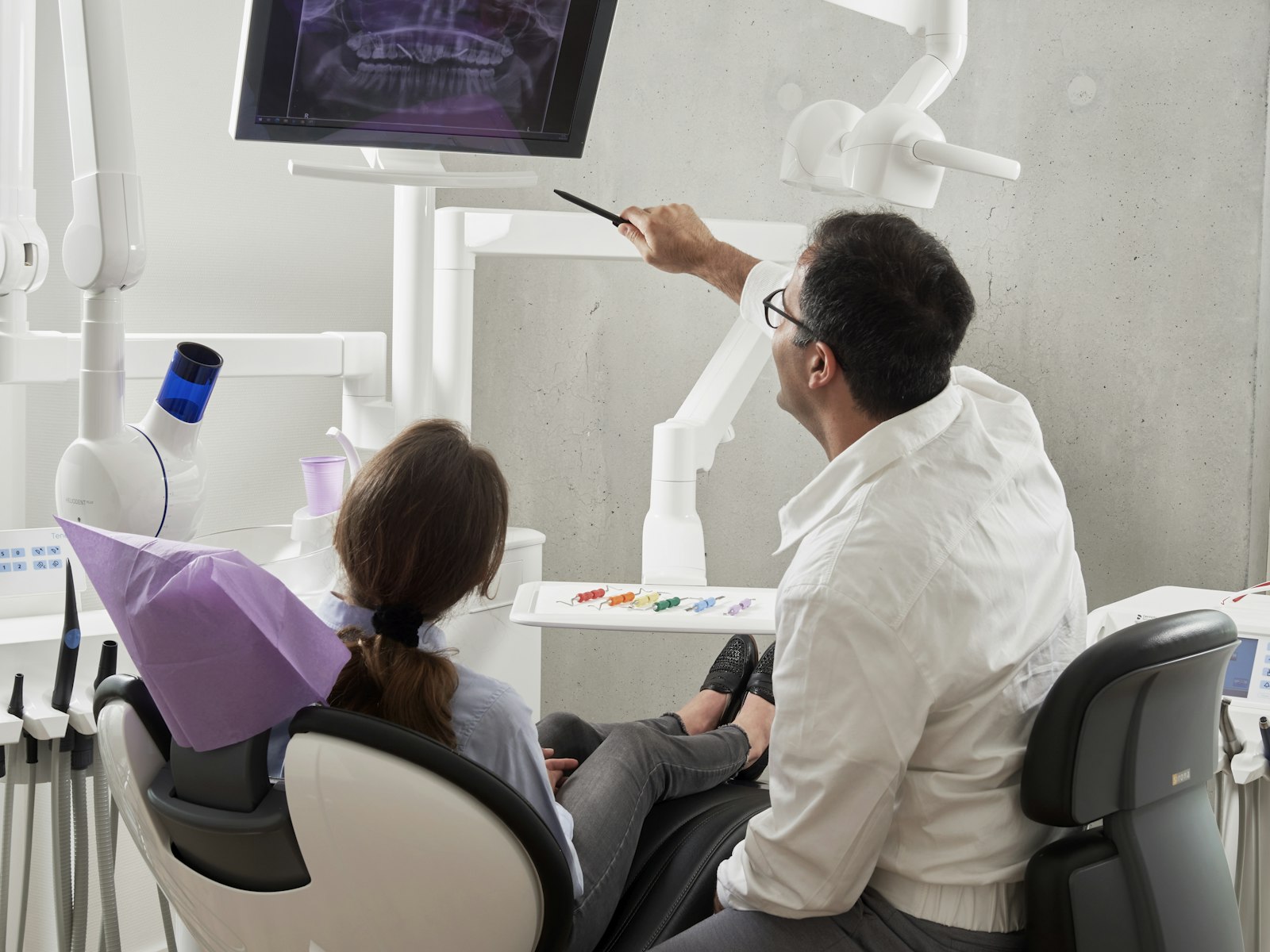
Medical imaging plays an essential role in modern healthcare. From identifying injuries to helping physicians monitor complex conditions, diagnostic imaging supports decisions that influence patient care at nearly every stage of treatment. For professionals already working in radiology or a related imaging role, advancing their careers can mean developing leadership and organizational skills without stepping away from their current responsibilities.
Source: Pexels
Why Medical Imaging Offers Room to Grow
Medical imaging plays an essential role in modern healthcare. From identifying injuries to helping physicians monitor complex conditions, diagnostic imaging supports decisions that influence patient care at nearly every stage of treatment. It is also a field where technical knowledge, patient communication, and attention to detail come together in a demanding clinical environment.
For professionals already working in radiology or a related imaging role, the next career step may involve more than learning to operate advanced equipment. As experience grows, opportunities can extend into team leadership, department coordination, training, and healthcare administration. Moving toward these responsibilities can be appealing, particularly when you want to build on your clinical background without starting over in another profession.
Choosing a Program That Builds on Your Experience
The right academic pathway depends on where you are in your career. Someone entering medical imaging for the first time may need an accredited clinical education pathway that includes the required practical training and preparation for relevant professional credentials. An experienced radiologic technologist, however, may be looking for a bachelor’s-level qualification that supports advancement into leadership and related professional responsibilities.
For working imaging professionals, an online medical imaging degree can offer a route to broader professional development. William Paterson University offers a Bachelor of Arts in Leadership and Professional Studies with a concentration in Medical Imaging. The program is designed for individuals with an associate degree in radiology or radiography and combines leadership development with subjects relevant to healthcare organizations. Its curriculum addresses areas such as negotiation, team leadership, communication, and workplace leadership, allowing students to connect professional experience with broader organizational skills.
It is worth reviewing admission requirements before applying. Applicants should confirm the required prior education, anatomy and physiology prerequisites, transfer-credit policies, and the number of credits they must complete at the institution. Understanding these details early can help prevent unexpected delays and provide a clearer picture of the time and financial commitment involved.
The Skills Behind a Successful Imaging Career
Medical imaging professionals need a combination of technical ability and interpersonal skills. Their responsibilities may include preparing patients for examinations, positioning them correctly, operating imaging equipment, following physician instructions, and maintaining accurate records. They must also understand safety procedures and recognize when an examination requires additional attention.
The work can be physically and mentally demanding. Patients may arrive in pain, feel anxious about a procedure, and have difficulty remaining in the required position. Imaging professionals must communicate clearly, provide reassurance, and follow established protocols while maintaining the quality of the examination. These responsibilities make patience, precision, and sound judgment valuable throughout a career.
The Bureau of Labor Statistics’ occupational overview of radiologic and MRI technologists provides a useful explanation of the duties, working environments, education expectations, and professional qualities associated with these occupations.
Why Career Advancement Can Require a Different Skill Set
Technical expertise is an important foundation, but experienced imaging professionals may eventually want to take on responsibilities that extend beyond individual examinations. Supervisory and administrative positions often involve coordinating staff, supporting department operations, communicating with other healthcare teams, and helping maintain consistent service standards.
These responsibilities call for skills that may not receive as much attention during initial clinical training. Leadership, conflict resolution, organizational communication, decision-making, and an understanding of healthcare systems can become increasingly important as professionals move into broader roles.
This transition does not mean leaving clinical experience behind. In fact, practical knowledge of imaging workflows can provide valuable context when addressing operational challenges. Professionals who understand both the clinical environment and the organizational demands of a healthcare department may be better prepared to contribute to improvements in coordination, patient experience, and team performance.
How Online Study Can Fit Around Professional Responsibilities
Returning to education while working full time can seem difficult, especially when your schedule includes rotating shifts, weekend duties, or family commitments. A traditional campus-based arrangement may not be practical for someone who cannot easily step away from existing responsibilities.
Online learning can offer greater flexibility by allowing students to complete their coursework without attending campus for every class. This format can make it easier to organize study time around work and personal commitments. However, flexibility should not be confused with a lack of effort. Students still need to manage deadlines, participate in coursework, complete assignments, and maintain consistent study habits.
Before enrolling, consider how the program is delivered. Review its course schedule, expected weekly workload, available academic support, and opportunities to apply classroom learning to professional situations. A realistic understanding of these requirements can help you decide whether the format is compatible with your current routine.
Patient Safety Remains Central to Professional Growth
As imaging professionals take on greater responsibilities, patient safety must remain a priority. Technical accuracy is only one part of a reliable imaging service. Teams must also follow established procedures, communicate effectively, maintain equipment appropriately, and understand the importance of minimizing unnecessary exposure.
Radiation safety is particularly relevant to examinations that use X-rays. Professionals need to understand when an examination is appropriate, how to follow protective procedures, and why unnecessary repeat imaging should be avoided. The U.S. Food and Drug Administration’s guidance on medical X-ray imaging explains important safety considerations and the shared responsibilities of healthcare professionals and medical facilities.
For future supervisors and department leaders, this knowledge has an operational dimension as well. Supporting staff training, reinforcing protocols, and encouraging clear communication can help create an environment where safety practices remain consistent. Leadership in an imaging department is therefore closely connected to the quality of everyday patient care.
Planning Your Next Step Without Disrupting Your Life
Career development does not always require a complete professional reset. For people who already have imaging experience, the next step may be to strengthen the skills that support greater responsibility while continuing to work in the field. The challenge is finding an educational route that recognizes existing experience and fits the realities of everyday life.
Start by identifying the responsibilities you want to pursue. If your goal is to supervise a team, focus on leadership and communication. If you are interested in department operations, look for opportunities to develop organizational and management knowledge. If you want to remain clinically focused, make sure your chosen pathway supports the qualifications and practical requirements associated with that specialty.
It is equally important to consider the practical details. Compare program costs, transfer-credit options, course schedules, admission requirements, and the time you can realistically dedicate to studying. Speak with an academic adviser if you need clarification about how previous education or professional experience may apply.
A sustainable career plan should support both professional ambitions and personal responsibilities. With a clear understanding of your goals and a program suited to your background, you can work toward broader opportunities without automatically putting your current life on hold.