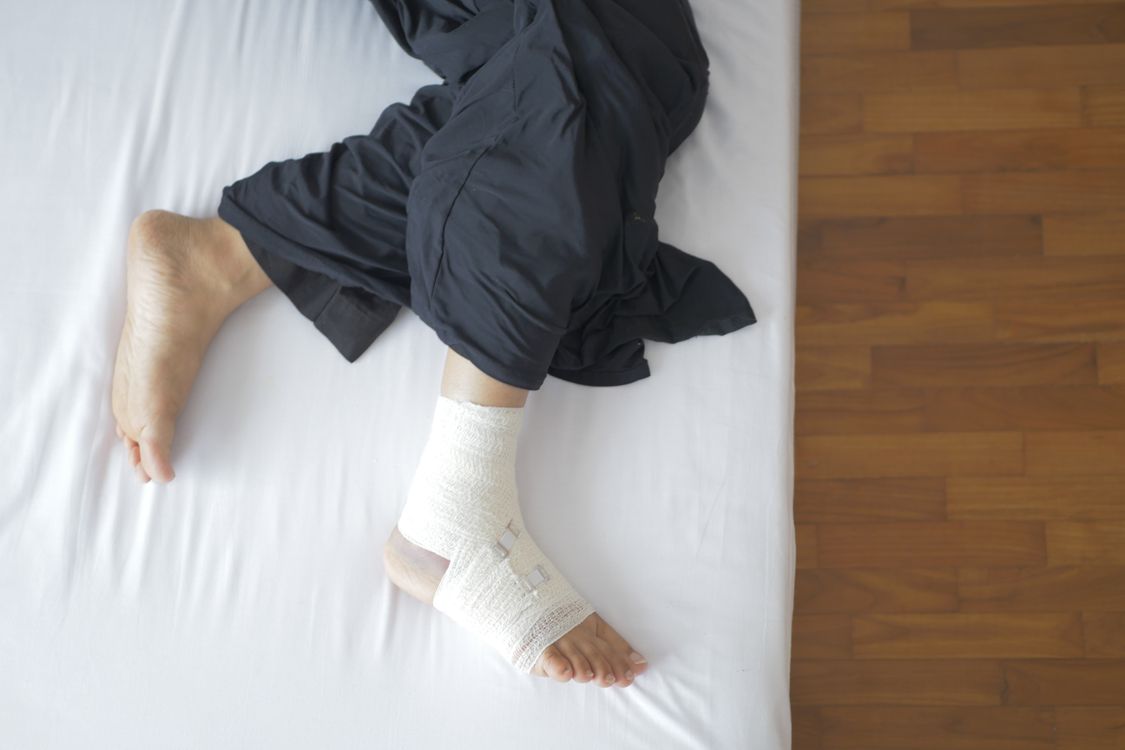
Life after paralysis involves far more than hospital treatment and physical rehabilitation. A spinal cord injury can affect mobility, independence, employment, relationships, housing, transportation, and everyday activities. Some people require ongoing medical care, assistive equipment, home modifications, and help with routine tasks for many years. The long-term effects depend on the level and severity of the injury, the person's health, and the support available to them. San Bernardino is a city in Southern California, situated at the base of the San Bernardino Mountains. It has a long history connected to the region's citrus industry and railroad development and is home to cultural attractions, historic sites, and outdoor destinations. For families considering spinal cord injury claims in San Bernardino, understanding the lasting effects of paralysis is important when evaluating the full impact of an injury and the support that may be needed.
How Can Paralysis Affect Everyday Life?
The consequences depend on the injury's location and severity. Some individuals retain partial movement or sensation, while others experience significant loss of function. The effects may involve more than the ability to walk. A spinal cord injury can also affect muscle control, sensation, coordination, and certain automatic body functions. Long-term challenges may include:
- Difficulty walking, standing, or transferring independently.
- Reduced hand or arm function.
- Chronic pain or muscle spasms.
- Bladder and bowel management needs.
- Respiratory complications in certain injuries.
- Increased risk of pressure injuries and infections.
- Emotional and psychological difficulties.
Why Are Future Care Costs Important?
A claim that considers only initial hospital bills may fail to reflect the full financial impact of paralysis. Future expenses may include rehabilitation, specialist appointments, medications, personal assistance, mobility devices, accessible transportation, and home modifications. California Civil Code § 3333 provides the general basis for recovering damages for harm caused by another person's wrongful act or omission. Depending on the evidence and applicable law, recoverable damages may include reasonably supported future economic losses and noneconomic harm. A life care plan prepared by qualified professionals may help estimate the services, equipment, and assistance a person may need. Medical opinions, rehabilitation assessments, and cost projections can help explain why those future expenses are reasonable. The plan may also account for replacement equipment, ongoing therapy, and changes in care needs as the person ages.
How Can an Injury Affect Family and Employment?
A person who can no longer perform their previous job may experience reduced earning capacity or need vocational retraining. Some people may be able to return to work with accommodations, while others may need to change careers or leave employment altogether. Family members may also take on caregiving responsibilities, change their work schedules, or modify their homes. These changes can affect the entire household. A spouse or parent may need to reduce working hours to provide assistance, while children may experience changes in daily routines and responsibilities. The emotional effects should not be overlooked. Adjusting to a major change in mobility and independence can involve frustration, anxiety, isolation, and changes in family relationships. Access to counseling, peer support, and community resources may be an important part of long-term adjustment.
Why Is Long-Term Planning Important?
A useful plan should consider medical needs, accessibility, transportation, personal assistance, employment options, and support from family or community services. It should also be flexible because a person's condition and circumstances may change. When an injury was caused by another party's negligence, documenting these needs can help explain the wider consequences of the incident. Records should reflect both current expenses and reasonably anticipated future requirements.
Frequently Asked Questions
Can compensation include future medical care? Potentially. Future care expenses may be included when supported by appropriate medical and financial evidence.
Does paralysis always mean complete loss of movement? No. The degree of paralysis varies depending on the injury and the affected part of the spinal cord.
Why is a life care plan useful? It can help identify anticipated medical services, equipment, personal assistance, and other long-term needs.