Taurine levels appear to change across the lifespan, drawing scientific interest to the amino acid’s possible relationship with metabolic health, muscle function, and healthy aging. The body produces taurine and obtains it from food, yet age, diet, health conditions, and certain medications may influence how much is available.
That doesn’t make taurine a proven anti-aging treatment. Human evidence remains limited, and researchers haven’t established a recommended daily allowance. Still, understanding taurine’s biological functions can help you build a nutrient-dense diet that supports energy production and long-term health without relying on exaggerated claims.
The Science of Taurine and Aging
Taurine is a sulfur-containing amino acid found throughout the brain, heart, muscles, eyes, and other tissues. Unlike amino acids used to assemble proteins, taurine remains free in cells, where it helps regulate fluid balance, calcium signaling, bile acid formation, and antioxidant defenses.
The body can make taurine from methionine and cysteine, two other amino acids. Production capacity can vary, however, and dietary intake contributes to overall availability. Animal foods are the primary natural sources. People who follow a fully plant-based diet usually consume very little taurine, although a healthy body may still synthesize it.
Interest in taurine and aging accelerated after a 2023 study reported lower circulating levels in older animals and humans. Experiments also associated supplementation with longer, healthier lives in several animal species. The taurine aging evidence offers a useful overview, but the human findings were observational. They can’t prove that falling taurine causes aging or that supplements extend human life.
Researchers at the Buck Institute also emphasize that controlled human trials are needed. For now, focus on a varied diet, regular movement, adequate sleep, and routine medical care. Those habits have much stronger evidence behind them than taking a single compound in pursuit of longevity.
Mitochondrial Function and Vitality
Mitochondria convert energy from food into adenosine triphosphate, or ATP, which cells use to power movement, repair, and routine biological work. Their performance can decline when cells face chronic inflammation, oxidative stress, or insufficient physical activity. This may contribute to lower exercise capacity and slower recovery with age.
Taurine participates in several processes connected with mitochondrial health. It helps stabilize cell membranes and supports calcium handling, which affects muscle contraction and energy production. Laboratory research also suggests that taurine may help limit oxidative damage inside cells. These mechanisms are biologically plausible, but they don’t establish that a taurine supplement will correct fatigue or metabolic disease.
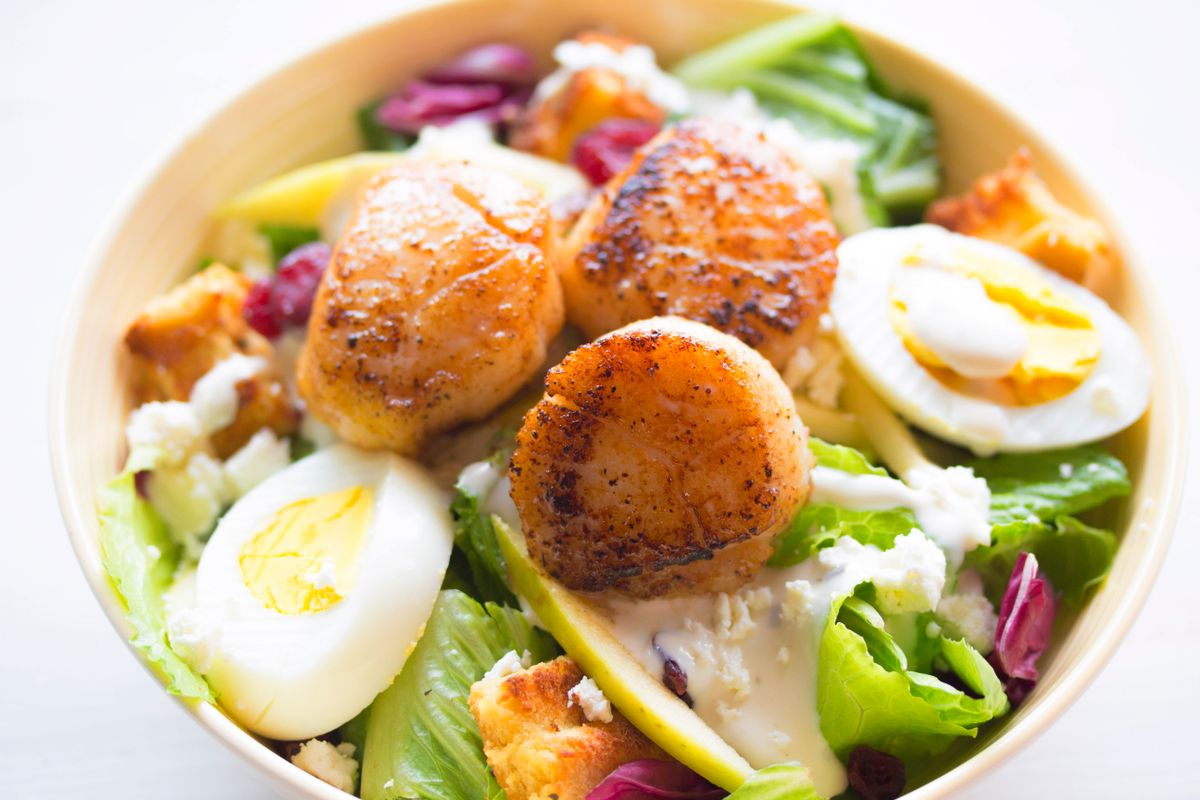
Food provides taurine alongside nutrients that mitochondria also need, including protein, selenium, and vitamin B12. A balanced meal built around vegetables, a whole grain, and seafood is one practical example.
Persistent low energy deserves more than a dietary experiment. Iron deficiency, thyroid disorders, sleep apnea, depression and medication effects can produce similar symptoms. Speak with a clinician if fatigue lasts for several weeks, limits daily activity, or occurs with shortness of breath, weakness, dizziness, or an unexplained weight change. Testing can identify a treatable cause before you add supplements that may not address the problem.
Top Dietary Sources of Natural Taurine
Seafood is among the richest natural sources of taurine. Scallops are particularly notable among seafood sources of taurine. For a meal that includes this shellfish, compare the available scallops for sale and choose fresh or frozen portions based on your recipe and when you plan to cook them. Dark poultry meat and red meat also contain taurine. Dairy products provide smaller quantities, while eggs contain relatively little.
Plant foods generally contain negligible taurine. That doesn’t automatically make a plant-based eating pattern unhealthy or deficient. The body can synthesize taurine, and there is no established dietary target for healthy adults. Vegans and vegetarians should concentrate on the nutrients that have clear intake recommendations, particularly vitamin B12, protein, iron, iodine, calcium, and omega-3 fats.
Variety is more useful than chasing the food with the highest laboratory value. You might serve baked fish with brown rice and broccoli one evening, then prepare lentils with leafy greens the next. This pattern supplies different amino acids, minerals, fats and protective plant compounds across the week.
Diet is also only one part of preserving metabolic and neurological function. Regular aerobic exercise and strength training support blood flow, insulin sensitivity and mitochondrial adaptation. For a broader discussion of brain-supportive routines, review these cognitive aging strategies.
Anyone with kidney disease, liver disease, heart failure or a medically prescribed diet should ask a healthcare professional how seafood and protein fit into their plan. Sodium, potassium, phosphorus, and total protein needs can differ substantially in these conditions.
Protecting Nutrients During Preparation
Cooking affects taurine because the compound dissolves in water. Boiling seafood or meat can transfer part of its taurine into the cooking liquid. If you discard that liquid, you also discard some of the nutrient. Gentle methods such as steaming, baking, and quickly sautéing fresh sea scallops usually reduce direct water exposure.
When you do simmer seafood, keep the broth for soup, stew or sauce if your sodium needs allow. This retains water-soluble compounds while reducing kitchen waste. Cook seafood only until it reaches a safe internal temperature and its texture turns opaque and firm. Excessive cooking can dry out delicate proteins even when it doesn’t eliminate every nutrient.
Frozen seafood remains a practical choice. Freezing preserves protein and many micronutrients well, so freshness, safe handling, and preparation often matter more than choosing between fresh and frozen products. Thaw frozen portions overnight in the refrigerator or place them in a sealed bag under cold running water. Don’t leave seafood on the counter, where surface temperatures can enter the range that supports rapid bacterial growth.
Keep supplements separate from this food-first discussion. Taurine appears in energy products and standalone capsules at doses far above typical dietary exposure. Product quality can vary, and taurine may be only one ingredient in a formula containing stimulants or large amounts of sugar. Ask your doctor or pharmacist before using concentrated taurine if you’re pregnant, managing a chronic condition, or taking prescription medication.
A carefully cooked seafood meal won’t reverse aging, but it can supply taurine within a familiar package of protein, minerals and essential fats. That is a more grounded way to approach the nutrient while human research continues to clarify what taurine levels actually mean for long-term metabolic health.
Related reading: Longevity: The Science of Living Longer and Better.