What Makes A Residential Landscape Worth Investing In?
Your yard may look neat enough, yet something still feels missing. Perhaps the front lawn lacks color, the backyard offers little privacy, or watering a thirsty lawn takes more time and money than you can spare.
Thoughtful design makes better use of available space, incorporates plants suited to the local environment, and creates an outdoor area that feels like an extension of your home. In Colorado, this planning becomes particularly important because dry weather and changing seasons affect plant growth. At the same time, proper planning helps balance initial costs with ongoing maintenance requirements.
So, what makes a residential landscape worth investing in?
The benefits extend beyond appearance. A well-designed outdoor space can improve curb appeal, support everyday activities, increase property appeal, conserve water, and provide lasting practical value.
1. Improved Curb Appeal and Visual Appeal
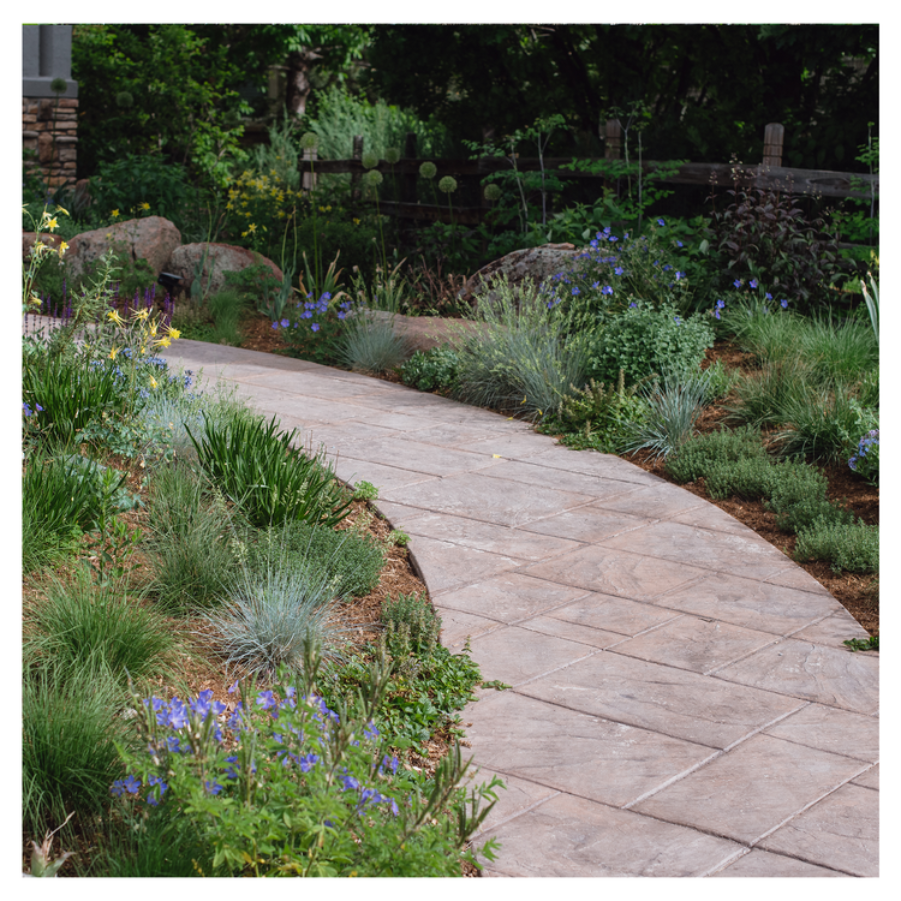
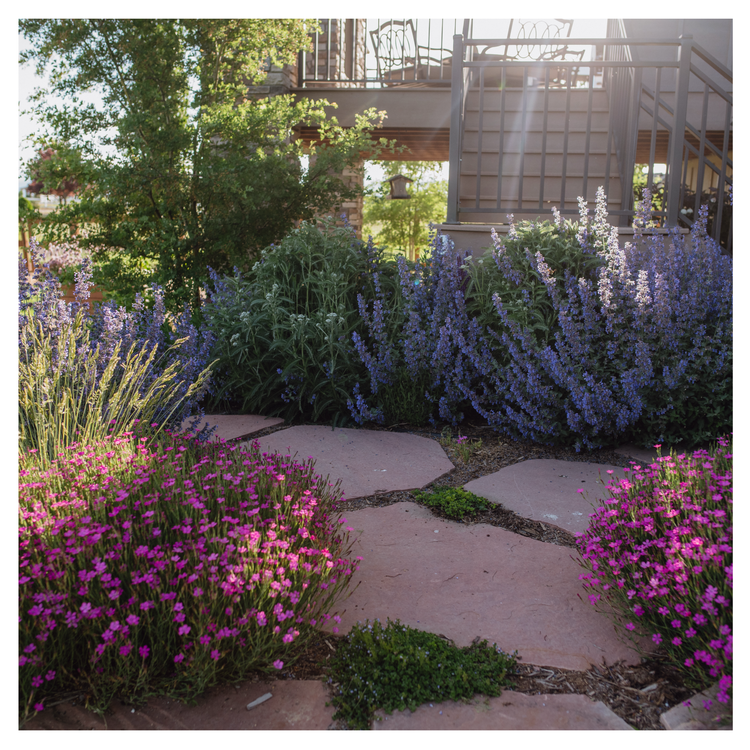
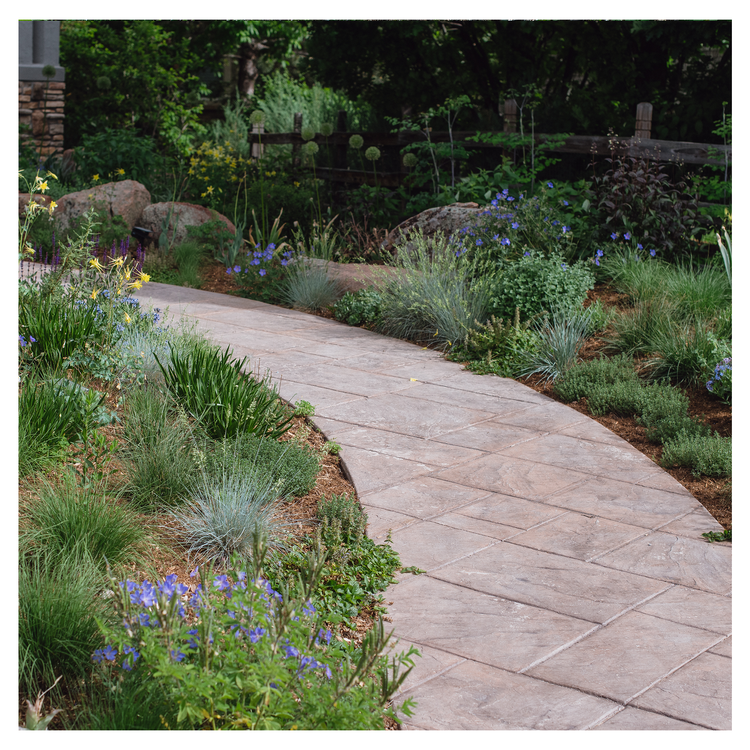
Imagine that you come home to a disorganized lawn, a hodgepodge of plants, and a characterless entrance. Residential landscaping can bring these elements together through thoughtful design, balanced planting, and pathways that complement the house.
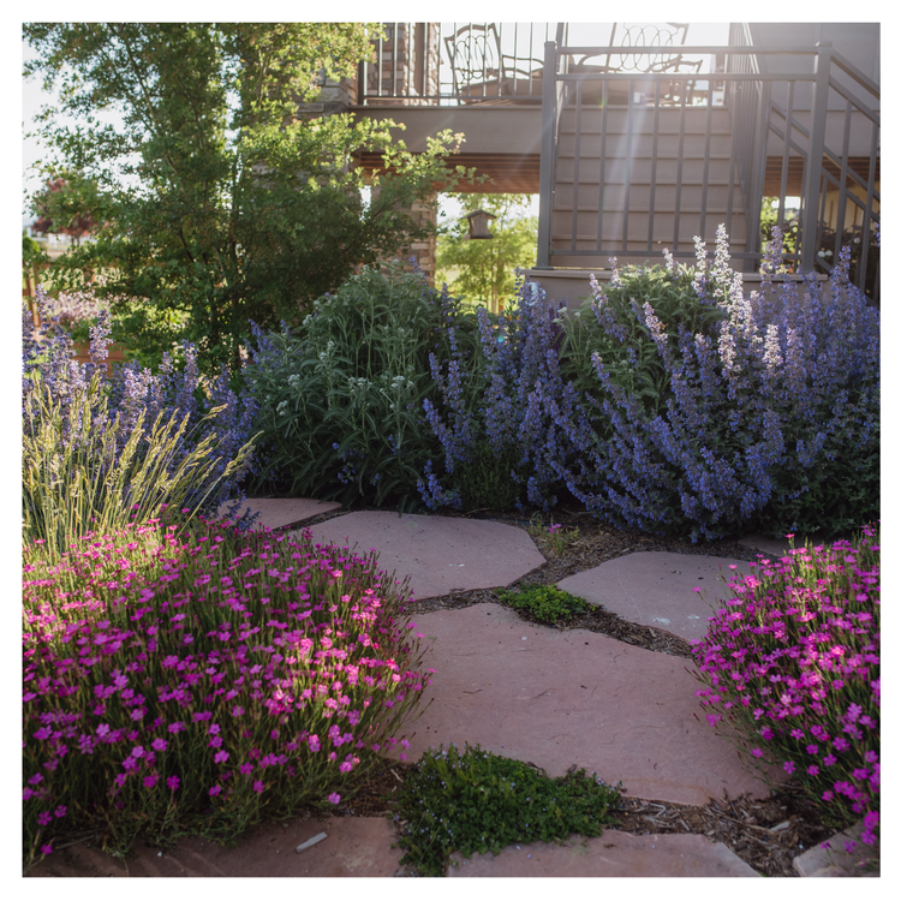
Along with the overall layout, plant selection also plays an important role in creating an attractive outdoor setting. Trees provide structure, shrubs define garden areas, and flowering perennials add seasonal color. Combining different heights, textures, and flowering periods helps maintain visual interest throughout the year. For lasting results, native and well-adapted plants are particularly useful in Colorado because they suit local growing conditions.
Though looks are not enough to command a better price, a good facade may have an impact on the perceptions of visitors and potential buyers of the property.
2. Comfortable and Functional Outdoor Living Spaces
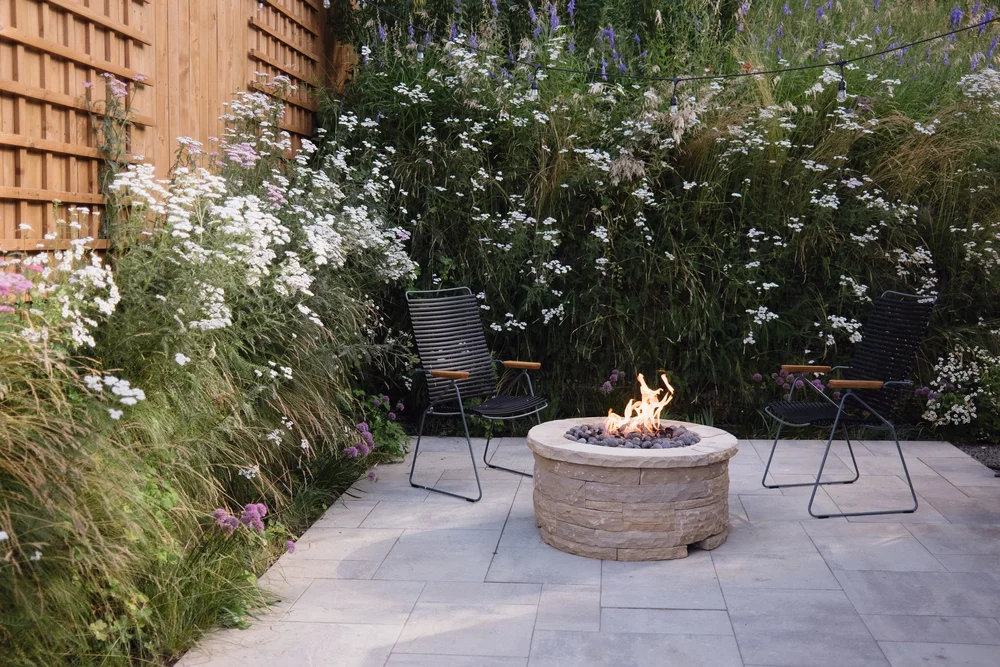
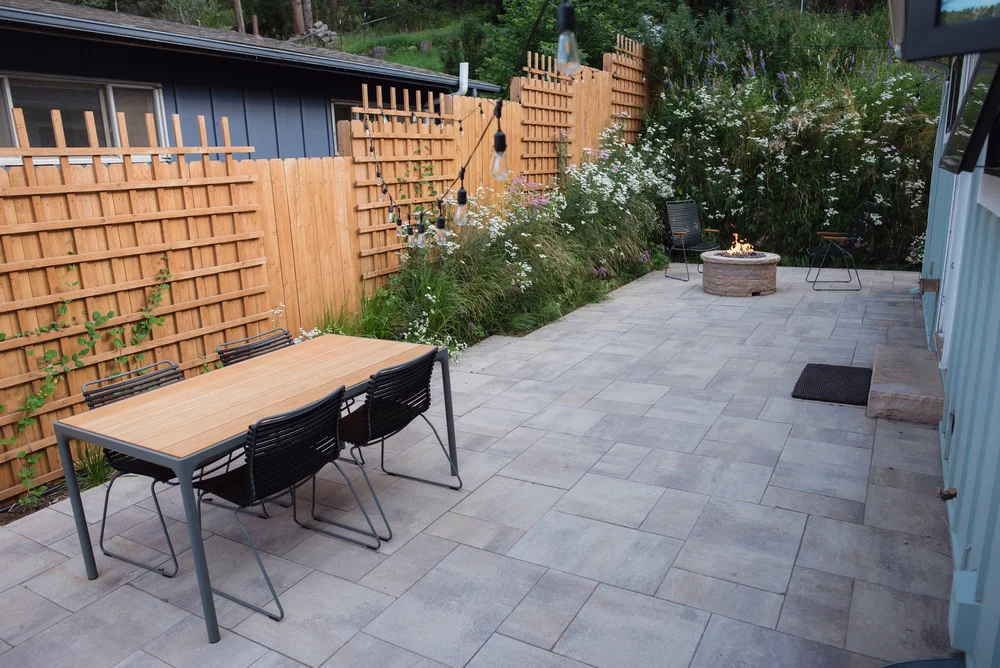
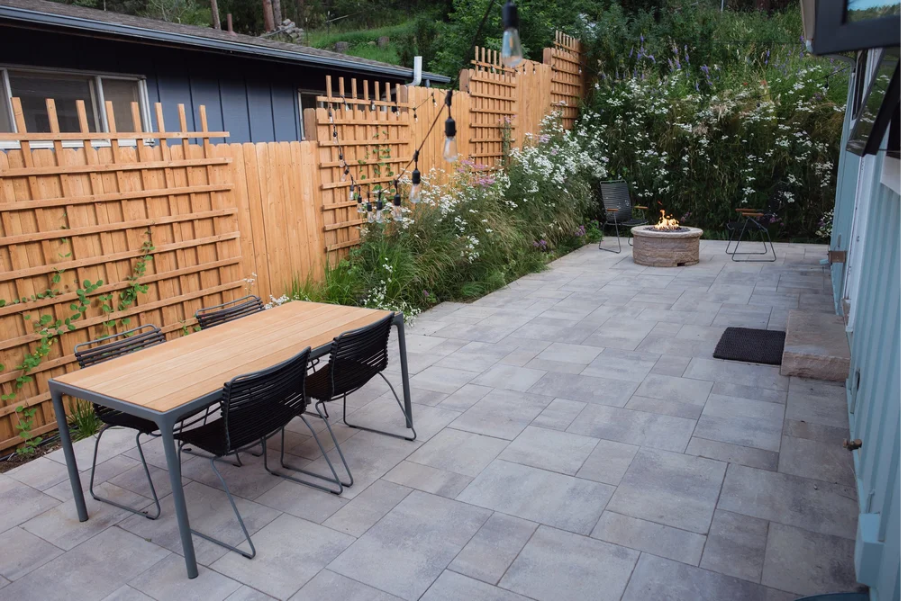
Your yard should support the way you live rather than simply fill the space around your house. A patio provides room for outdoor meals, while a shaded seating area offers a comfortable place to relax. Meanwhile, clear pathways connect these spaces and make the garden easier to navigate.
Well-placed shrubs can soften views of neighboring homes, while suitable trees provide shade as they mature. Planting and layout can also separate play areas from quiet seating spaces, allowing different activities without making the yard feel crowded.
You may require space to host people, a separate space to read, or a free space where kids can play. By planning around these needs, you can focus on which features can best fit your lifestyle and transform the outside space into a more practical space.
3. Potential Property Value and Buyer Appeal
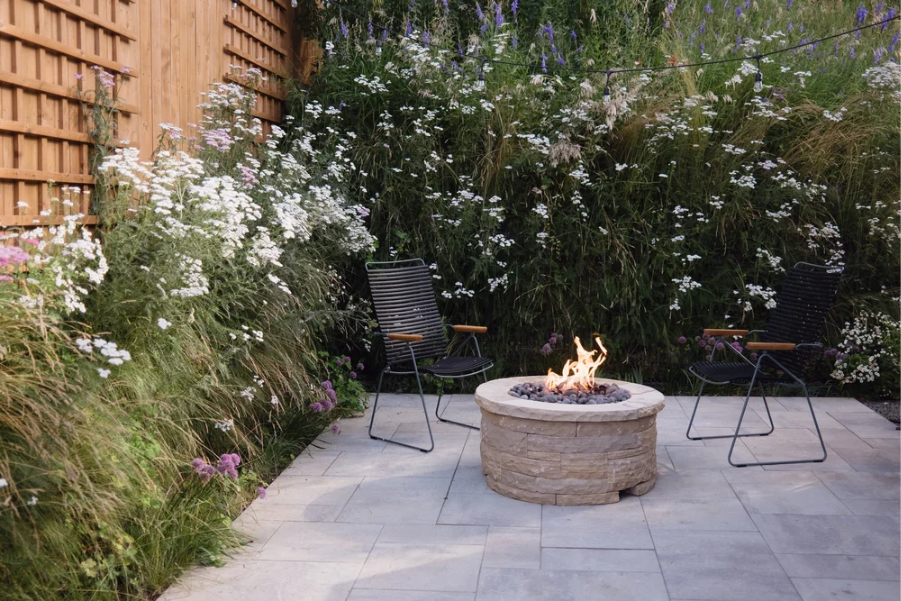
Well-maintained plants, defined walkways, and cohesive outdoor spaces can make a property look cared for. These features may appeal to buyers who want a welcoming exterior without needing to make major improvements immediately.
However, the financial return depends on several factors, including local buyer preferences, the property’s condition, design quality, and maintenance costs. An elaborate garden does not necessarily offer greater value than a simple, well-designed outdoor space.
This is why you should focus on upgrades that are practical and compatible with your local market. Durable materials, suitable plants, and functional outdoor areas can provide benefits while you live in the home. The possibility of any future resale benefit should be considered as an opportunity and not a certainty.
4. Water Efficiency and Climate-Appropriate Planting
Colorado’s dry climate can make it challenging to maintain plants that need frequent watering. Choosing native and drought-tolerant plants can help reduce water use while keeping the landscape attractive. By considering local growing conditions, homeowners can design an attractive outdoor space without relying on excessive irrigation.
The Xeriscape design is the other viable solution to outdoor water management. It is a combination of appropriate plants, good positioning, effective irrigation, and proper planning to minimize unnecessary watering. Different textures, flowering plants, ornamental grasses, and stone features can create an attractive landscape suited to Colorado’s dry climate.
Plants that are native to the Colorado climate can be selected to help with long-term landscape maintenance. Once established, the native and better-adapted plants might require less frequent watering than the species that will not acclimate to the local conditions. Nonetheless, even those green plants that are recently planted have to be taken care of, especially during dry seasons or severe weather. A combination of plant selection, irrigation, and seasonal maintenance is used to ensure that the landscape remains appealing without causing redundant maintenance.
5. Long-Term Functionality and Easier Landscape Upkeep
A landscape becomes a more worthwhile investment when it supports everyday use without creating an unreasonable maintenance burden. Before selecting plants or materials, consider your budget, available space, preferred level of upkeep, and plans for the property.
The quality of soil, drainage, sunlight, and availability of water affect the wellbeing of plants and the success of various design features. These factors can be taken into consideration by professional planning and coordinated installation can be used to make sure that the final space is used as planned.
Continuous treatment should also be considered. Even a well-planned garden requires care as plants are growing and the season is changing. Selecting long-lasting materials and plants that suit the climate, as well as elements that can accommodate your day-to-day activities, can make the outdoors appealing and useful without requiring more maintenance than you can handle.
Conclusion
The residential landscape would be worth investing in when it improves the appearance of your home, facilitates daily activities, and is adapted to the growing conditions of the location. Considered design can also enhance attractiveness to buyers, save water, and simplify maintenance of outdoor areas. Optimization of visual attractiveness, functionality, and real-life long-term expenses provides the best advantages.
You can focus on curb appeal, privacy, usable outdoor space, or water efficiency: whatever you focus on, build your plans around it. A landscape that fits your home, lifestyle and Colorado climate can offer long-term enjoyment without the needless cost and elements that are hard to maintain.