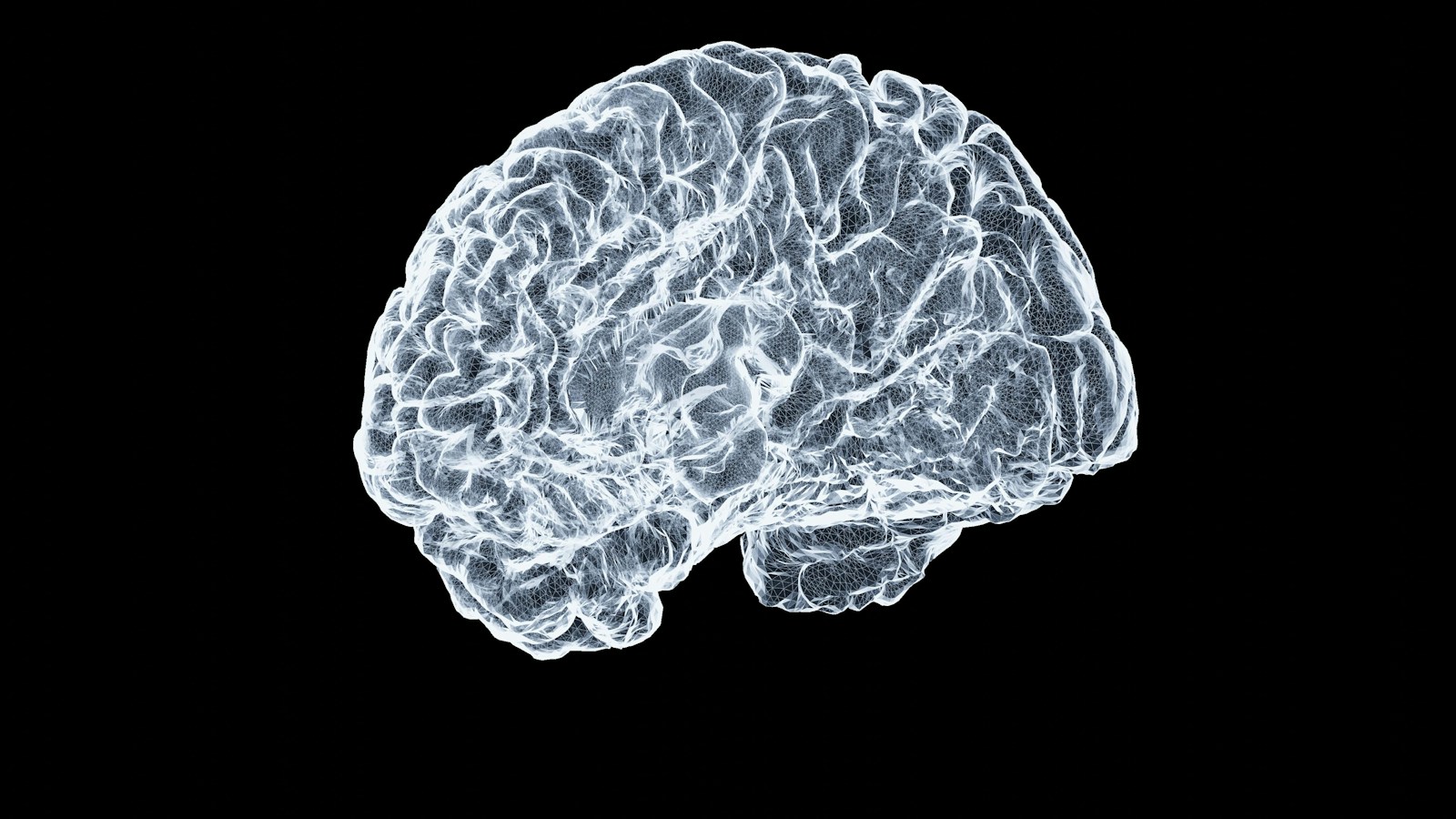
A brain injury diagnosis can raise difficult questions about recovery, treatment options, and long-term health. Whether the injury resulted from a car accident, workplace incident, fall, or another traumatic event, patients may face uncertainty about the severity of their condition and what to expect in the months ahead.
Brain injuries are particularly complex because symptoms vary widely. Some individuals experience headaches, dizziness, and temporary concentration difficulties, while others develop lasting cognitive, physical, or behavioral impairments. Even patients with similar diagnoses may require different treatment approaches.
Seeking a second medical opinion can provide additional clarity, especially when symptoms persist, test results are inconclusive, or the recommended treatment plan raises concerns. Understanding when another evaluation may be helpful allows patients to make more informed healthcare decisions.
Why Consider a Second Opinion After a Brain Injury?
A second opinion involves consulting another qualified healthcare professional to review an existing diagnosis, evaluate symptoms, and assess the proposed treatment plan.
Brain injuries can affect multiple neurological functions, making diagnosis and treatment complicated. A second specialist may identify additional concerns, recommend further evaluation, or confirm that the original treatment approach is appropriate.
Importantly, requesting another opinion does not necessarily mean the first doctor made a mistake.
However, when patients suspect that diagnostic errors or inadequate medical care contributed to worsening neurological problems, a medical malpractice lawyer in Chicago, IL may help determine whether the circumstances warrant legal investigation.
The primary purpose of obtaining another medical opinion should remain the patient’s health, safety, and access to appropriate treatment.
Brain Injuries Can Be Difficult to Diagnose Accurately
Traumatic brain injuries occur when an external force disrupts normal brain function. Their effects depend on factors such as injury severity, location, and the patient’s medical history.
Some injuries produce abnormalities visible on imaging studies, while others cause symptoms without obvious structural changes.
Why Normal Imaging Does Not Always Rule Out Injury
CT scans and MRI examinations can identify certain structural abnormalities, including bleeding, swelling, or tissue damage.
However, a patient with a concussion may have normal imaging results despite experiencing genuine neurological symptoms.
A second evaluation may help clarify whether additional clinical assessments are necessary, particularly when symptoms continue after an initial examination.
Healthcare professionals generally diagnose concussions using medical history, symptom assessment, and neurological findings rather than imaging alone.
Symptoms Can Overlap With Other Conditions
Headaches, fatigue, memory difficulties, and dizziness may result from traumatic brain injuries, but they can also occur with other medical conditions.
Sleep disorders, medication effects, psychological stress, and vestibular problems may contribute to similar symptoms.
A specialist can assess whether the original diagnosis adequately explains the patient’s condition or whether additional factors should be investigated.
When Should You Seek Another Medical Evaluation?
Not every brain injury requires a second opinion. However, certain circumstances make additional medical guidance particularly valuable.
Patients may benefit from another evaluation when symptoms worsen, recovery takes longer than expected, or the recommended treatment does not produce meaningful improvement.
Conflicting medical opinions can also justify consulting another specialist.
For example, one physician may recommend returning to normal activities while another identifies persistent neurological limitations requiring rehabilitation.
A second opinion may help patients understand the reasoning behind these recommendations.
However, urgent warning signs such as seizures, repeated vomiting, increasing confusion, weakness, or difficulty waking require emergency medical attention rather than waiting for a scheduled specialist appointment.
Which Specialists Can Provide a Second Opinion?
The most appropriate specialist depends on the type of brain injury and the symptoms involved.
Neurologists evaluate disorders affecting the brain and nervous system. They may assess headaches, cognitive changes, seizures, and other neurological symptoms.
Physiatrists, also called physical medicine and rehabilitation physicians, focus on improving function and managing disabilities associated with neurological injuries.
Neuropsychologists evaluate cognitive abilities, including memory, attention, reasoning, and executive functioning.
Why a Multidisciplinary Approach May Help
Some patients benefit from coordinated evaluations involving several specialists.
For example, a person experiencing dizziness, memory problems, and difficulty returning to work may require neurological assessment, vestibular rehabilitation, and cognitive testing.
Different professionals can address separate aspects of recovery while contributing to a comprehensive treatment plan.
This approach is especially useful when symptoms affect multiple areas of daily functioning.
Can a Second Opinion Change Your Treatment Plan?
Yes. Another medical evaluation may confirm the existing treatment plan or identify opportunities for different interventions.
Brain injury rehabilitation is highly individualized. Treatment may involve physical therapy, occupational therapy, cognitive rehabilitation, psychological support, or specialized management of persistent symptoms.
A second specialist might recommend additional testing, modify rehabilitation goals, or identify complications that require attention.
For patients with persistent post-concussion symptoms, treatment may focus on specific difficulties rather than relying exclusively on general rest.
The goal is not necessarily to obtain a different diagnosis. Sometimes confirmation from another qualified professional provides reassurance that the patient is receiving appropriate care.
How Should You Prepare for a Second Opinion?
Preparation helps the consulting specialist understand the patient’s medical history and current concerns.
Patients should request relevant records, including emergency department reports, imaging results, neurological assessments, medication lists, and rehabilitation notes.
A written timeline of symptoms can also be valuable.
For instance, documenting when headaches began, whether memory difficulties have changed, and which activities worsen symptoms may help the physician evaluate recovery.
Patients should explain their concerns clearly and ask what findings support the diagnosis, whether additional testing is appropriate, and what improvements can reasonably be expected.
They should also discuss any differences between the first and second opinions before changing treatment.
What if the Second Doctor Disagrees With the First?
Disagreement between healthcare professionals does not automatically indicate negligence.
Brain injury assessment sometimes involves clinical judgment, particularly when symptoms are subjective or diagnostic findings are inconclusive.
One specialist may emphasize cognitive rehabilitation, while another recommends evaluating sleep disturbances or balance problems.
Both approaches may be medically reasonable depending on the circumstances.
When opinions differ substantially, patients can request clarification about the evidence supporting each recommendation. In complicated cases, a coordinated discussion between providers may help establish a practical treatment plan.
Can a Second Opinion Affect a Personal Injury Claim?
A second medical opinion may also become relevant when a brain injury resulted from another person’s negligence.
Medical records can help establish the diagnosis, document ongoing symptoms, and explain how the injury affects employment and everyday activities.
Individuals pursuing compensation after an accident may consult a skilled traumatic brain injury lawyer to evaluate liability, medical evidence, and damages.
Injured victims in Cincinnati may look to law firms like Young, Reverman & Bolotin for guidance in pursuing an injury claim.
However, obtaining a second opinion does not guarantee compensation or establish that another party was responsible.
Personal injury claims generally require evidence connecting the defendant’s legally actionable conduct to the injury and resulting losses.
A second evaluation may strengthen medical understanding, but conflicting opinions can also create questions requiring further investigation.
Does a Different Diagnosis Mean Medical Malpractice Occurred?
Not necessarily. Medical malpractice involves more than disagreement between physicians or an initially incorrect diagnosis.
A successful claim generally requires establishing that a healthcare professional failed to meet the applicable standard of care and that the failure caused compensable harm.
Brain injuries can be difficult to diagnose, and reasonable physicians may reach different conclusions based on available information.
However, failing to recognize significant warning signs, order medically indicated testing, or provide appropriate follow-up care may raise concerns under certain circumstances.
Determining whether malpractice occurred typically requires reviewing medical records and obtaining qualified expert opinions.
Making Informed Decisions About Brain Injury Recovery
A second opinion can be a valuable part of brain injury care, particularly when symptoms persist, treatment recommendations conflict, or patients remain uncertain about their diagnosis.
Additional evaluation may identify overlooked complications, clarify rehabilitation needs, or confirm that the original medical assessment was appropriate.
Patients should prioritize timely treatment, maintain accurate medical records, and communicate openly with their healthcare providers.
Although another opinion cannot guarantee a particular recovery outcome, it can provide useful information for navigating a complicated medical condition.
Ultimately, seeking additional medical guidance is about making informed decisions, understanding available treatment options, and ensuring that recovery plans reflect the patient’s individual neurological and functional needs.