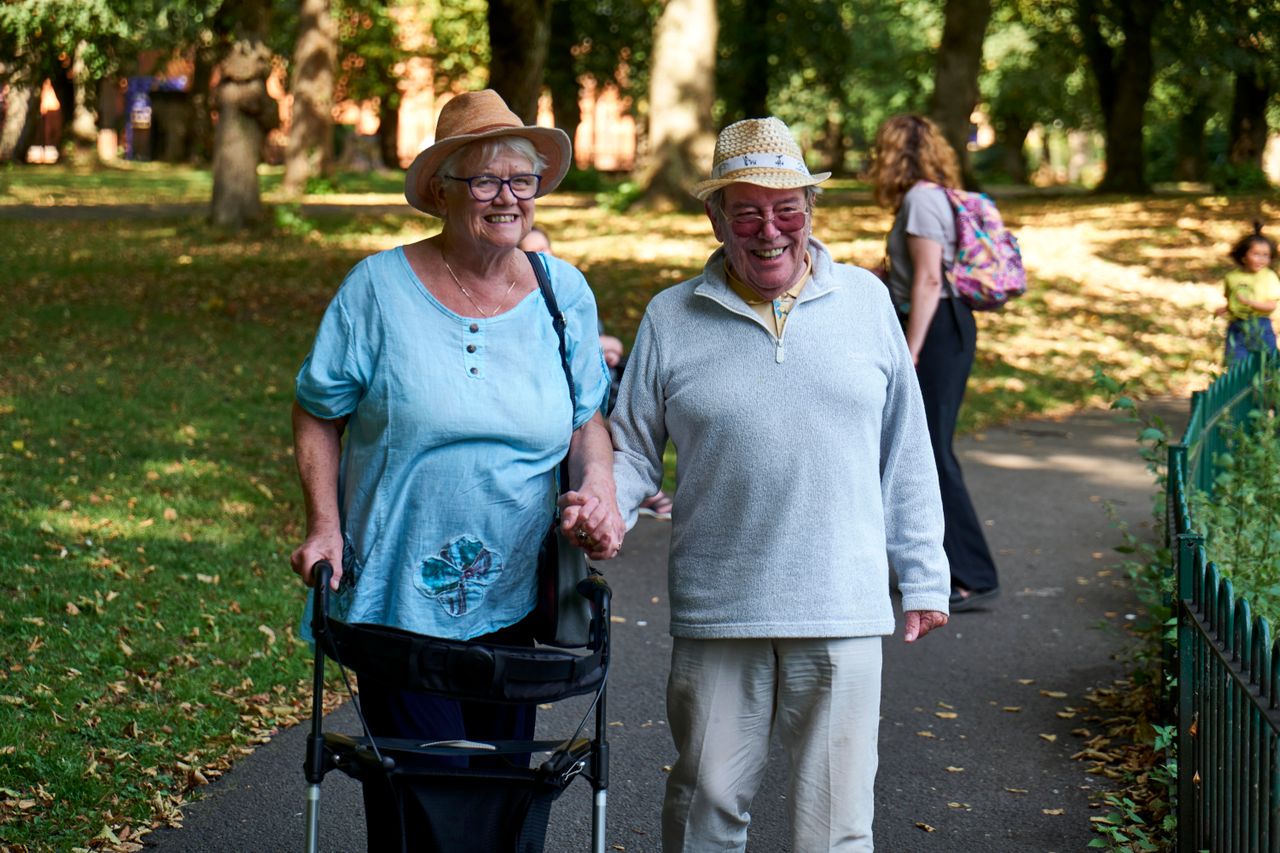
Photo by Centre for Ageing Better on Pexels
Being active outdoors becomes increasingly difficult as mobility decreases, but it doesn’t need to be impossible. You don’t need to abandon your outdoor errands. With the right mindset and gear, you can still get outside, take in fresh air, and get active in a way that supports your current health state. No matter if you occasionally use a cane or require a power wheelchair daily, this guide will take you through some of the steps you can take today.
Start with the Right Mobility Device for Your Needs
Before you start considering hiking trails or garden strolls, seriously think about your mobility gear. A device that works on a smooth sidewalk may not be this good on gravel or uneven park trails. If you start avoiding going outdoors because your scooter or wheelchair can’t handle the terrain, it’s a sign you have to reconsider your setup.
If you are a senior who actively visits parks and countryside, then an off-road mobility scooter can open up options that a standard indoor model can not provide. These scooters come with larger, treaded wheels, a higher ground clearance, and tougher suspension systems designed to withstand dirt, grass, and a slight incline without tipping or stalling. Some models feature four wheels for extra stability, and some higher-end models can go over 15 miles on a charge – that could come in handy for a longer outing to the botanical garden or state park. Discuss with a mobility equipment professional the weight capacity, turning radius, and whether the scooter folds or disassembles for transport in your vehicle.
If the scooter is not a good fit for your needs, there are still other options available. Consider walkers with larger wheels and hand brakes, which are suitable for grass and slight slopes. All-terrain wheel attachments on manual wheelchairs can be a big help for short time outdoors. For those with weak upper body muscles, a power wheelchair for outdoor use would be more beneficial.
Choose Outdoor Activities That Match Your Ability
Not all outings should be big. Walking around the block or a slow loop through a nearby park is still meaningful movement, and it adds up over time.
Here are some low-impact outdoor options:
- Sitting on a bench or a scooter to observe birds, thus keeping your body still and paying attention without demanding stamina;
- Gentle gardening, even if limited to raised beds or container planting;
- Fishing at an accessible dock, as many state parks now have built ADA-compliant piers with paved access;
- Outdoor tai chi or chair yoga classes, which several senior centers now offer specifically for limited-mobility participants;
- Wheelchair-accessible nature trails, which the National Park Service has expanded significantly at sites like Yosemite and Acadia.
Switch to different activities based on the weather and your mood. Some days call for a little activity, such as a scooter ride through a botanical garden. Other days, you can sit outside with your dog while it naps, and a book is enough. Both count.
Plan Ahead for Accessibility and Safety
When you’re outdoors, it’s best to look around the place first, particularly if it’s a new place. It’s better to check with the venue beforehand or on their website for information about paved paths and accessible bathrooms. Modern public gardens and parks provide accessibility details on their websites, such as path width and slope level, so you can decide whether the land suits your mobility device.
Weather plays a role as well. Those who have been taking some medicines are more susceptible to heat, including in the afternoon when it is hot in the summer. On short hikes, bring water, and layer up if temperatures vary throughout the day. For power chairs and scooters, ensure the battery has enough power before leaving, and arrange enough battery power for a return trip plus detours.
Safety also involves communicating with someone about where you are. Tell a family member or neighbor where you are going and when you will be back, especially if you are going somewhere alone. No outdoor trip, no matter how far, should be without a charged, battery-powered phone and, if possible, a portable charger.
Incorporate Outdoor Time into Your Routine
Your health will benefit more from consistency than from once-in-a-while big time outings. Try shorter, more frequent outings, but not everything you do needs to be a big event. A bit of fresh air every day is better for both fitness and spirits than 2 hours per week.
Establish a straightforward and consistent target. This could be sitting on your porch each morning with coffee, going to and from the mailbox with your scooter, or visiting neighborhood parks with a friend once a week. Monitor post-activity sensations. Most seniors find that their sleep improves and their joints feel less stiff after a few weeks of regular outdoor activity, even if they’re outside only a little.
The physical therapist may suggest combining outdoor activities with specific objectives, such as walking a certain distance or transferring from your wheelchair to a park bench. If you have been making progress or experiencing setbacks in your therapy or with your doctor, ask them if your current therapy could benefit from a modification.
Stay Connected With Others While You’re Outside
When you’re outdoors alone, the preparation is slightly different than when you’re outdoors with somebody else. Take a walk with a neighbor or visit the park with a grandchild on a scooter. The National Institute on Aging studied seniors who suffer from mobility problems and found that social interaction during outdoor time was associated with a decrease in depression rates.
Outdoor programs at local community centers and area agencies on aging, such as gardening clubs for people with vision impairment or “trail days” for older adults and their families, are often available. These programs often offer transportation, eliminating one barrier to getting out in the first place. Contact your local senior center or visit your county’s Aging Services website for available services in your community.
Conclusion
When it comes to being active outside as a senior with limited mobility, it’s about finding the right gear for the right activity, planning ahead for safety, and building small, repeatable habits. It can be an off-road scooter ride through a nature preserve or fifteen quiet minutes on the porch, but time outside matters for your health and well-being.