
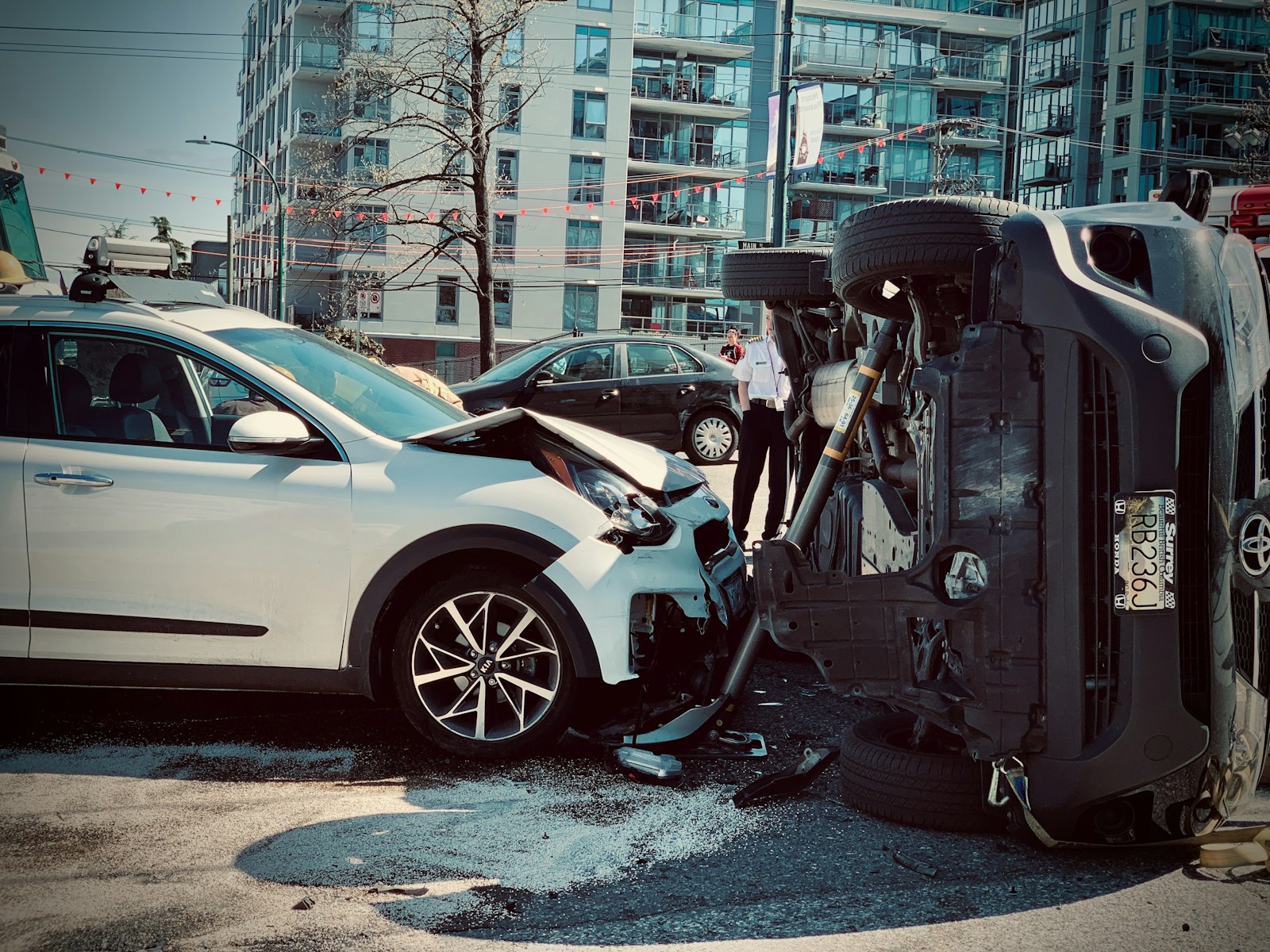
It’s possible to walk away from a car accident feeling completely fine and wake up the next day with a bad headache or your neck hurting.
There are some symptoms that you should see a doctor for and others that warrant an emergency room visit. It’s good to know what to look out for after being in a car accident.
According to the CDC, there were over 2.8 million visits to emergency rooms in the US due to a motor vehicle crash injury in 2023. These numbers represent all visits to an ER for crash-related injuries, not just those who had delayed symptoms.
Below are some symptoms to be aware of and what you should do if you experience them.
Why you may feel fine
You could be focused on getting to safety, ensuring your passengers are okay, and assessing damage to your vehicle. You may not notice pain or other symptoms right away.
Some injury symptoms can take time to appear after a car accident. You may experience symptoms of whiplash hours after the impact occurred to your neck. A concussion can also have symptoms that appear hours or days after a car crash.
Just because you don’t feel pain right away does not mean you aren’t injured.
If you require treatment for injuries sustained from a car accident, be sure to let your clinician know when the accident occurred and when your symptoms started. This will allow them to evaluate your injury and document your symptoms.
Individuals in Minneapolis should also know that these records can help with car accident claims. You can learn more here about the legal side of a collision while leaving medical decisions to your healthcare professional.
Headaches, Dizziness and Mental Changes
A headache can be concerning if your head was impacted during the crash. Even if your head wasn’t hit directly, a hard jerking motion can cause you to sustain a concussion.
Signs to look for include: Persistent or worsening headache; Dizziness, nausea, or loss of balance; Blurred vision, light sensitivity; Memory loss, difficulty focusing; Feeling groggy, fatigued, or cranky.
These symptoms alone do not indicate that you have a concussion, but they are something your clinician should be aware of. They can perform an evaluation and determine if further testing is necessary.
Seek emergency care after a head injury if your headache gets worse and does not go away, you vomit repeatedly, become increasingly confused, have a seizure, slur your words or become difficult to wake. These could be signs of a more severe head injury, and you should call 911 or get to the nearest ER.
Just because you didn’t lose consciousness after your car accident does not mean you did not suffer a head injury. Be mindful of mental changes as well.
Neck, Shoulder and Back Pain
When your head jerks forward and backward, this can lead to whiplash. Your neck may feel tight, and you could have soreness in your shoulders or pain when looking to the side.
Your lower back can start to hurt as well once you begin walking around or using your desk at work. There could be muscle strains, but also spinal issues that are causing your pain.
If you notice any numbness, tingling, or shooting pain down your arms or legs, you should get evaluated right away. Seek emergency medical care if you experience any weakness after your car accident.
You should go to the emergency room if you can’t walk, lose control of your bladder or bowels, or have numbness in your groin area. Try not to move too much if you suspect you have suffered a serious back injury until medical help arrives.
Do not try to stretch your neck or back until you are seen by a clinician. Ask them what exercises and activities you can do with your injury.
Chest, Rib and Abdominal Symptoms
While your seatbelt can save you from worse injuries, you can still sustain injuries to your chest and abdomen. If you have no open wounds, it can be easy to ignore your pain.
You may have a bruise or broken rib that is causing your chest pain. New or worsening chest pain or trouble breathing after a crash needs emergency assessment.
Abdominal pain should also be taken seriously. You can bleed internally from an accident and not know it. Signs to look for include your stomach becoming more painful, swollen, feeling weak, dizzy, clammy, or passing out.
If you have a belt mark across your stomach, you should also get evaluated. Inform your clinician of this even if your pain isn’t too bad.
Sleeping and Mood Changes
A car accident can also be followed by sleep and mood changes, even when they are not caused by a physical injury. You could have trouble sleeping, get anxious while driving, or find yourself thinking about the accident over and over.
Some stress reactions ease with time. If fear, nightmares, low mood, or trouble concentrating persist, worsen, or interfere with daily life, speak with a healthcare professional. Don’t hesitate to reach out for help sooner if it’s affecting your daily life.
If you suffered a concussion, you may also experience changes in sleep and become more irritable. Be sure to mention these to your clinician as well.
When should you seek medical attention?
It will depend on your symptoms and the severity of your accident.
Call 911 if you have difficulty breathing, severe chest or abdominal pain, fainting, a seizure, repeated vomiting after a head injury, a worsening headache, increasing confusion, new weakness, or trouble walking. Do not drive yourself to the hospital if you feel these symptoms.
Get evaluated by a clinician if you have any new headaches, neck pain, back pain, tingling, bruising to your abdomen, or dizziness that will not go away. You should go to the emergency room if your neck or back is severely painful after an accident. Even if you have minimal symptoms after a hard impact, get evaluated.
Contact your clinician if you experience any new symptoms after your visit. They can’t know everything that may occur after an accident.
Your Follow-Up Visit
There is no wrong way to describe your pain to your clinician, but try to be as descriptive as possible.
Write down your symptoms that have occurred since your accident, when they started, and what makes them better/worse. If you are having trouble sleeping, walking, working, or focusing, make sure to write that down as well. Bring a list of your current medications and information about any previous ER visits.
Your clinician may test your range of motion, strength, sensation, balance, and feel for any tender spots. You may need imaging or other tests based on your symptoms and what your clinician finds.
Complete the course of treatment your clinician gives you and schedule a follow-up visit if needed. If you experience any new concerning symptoms, contact your clinician or go to the emergency room.
Final Thoughts
It’s good if you feel okay after your car accident, but there are things you should watch out for in the coming hours/days. Keep an eye out for any headaches, numbness/tingling, chest/abdominal pain, or mental confusion.
Speaking with a clinician can help determine what you should treat and what you can monitor at home. If your symptoms seem severe, go to the emergency room.
Related reading
track every out-of-pocket expense






