
Tow truck. Taxi to get you home. Medication from the doctor. Expenses begin to come up after an auto accident. And many of them you may not realize are related to the crash until months later.
There are expenses that you know about right away and ones that sneak up on you when you’re going over your bank statement. By documenting them from day one you’ll have a better idea of what you spent, what you still need to pay and what an insurance company has taken care of.
Here’s what you’ll learn:
Collecting Documentation Right Away; What To Save If You Were In A Rideshare Accident; A List Of Expenses You May Have Incurred Out of Pocket; Keeping Track Of Your Bills, Payments, and Money Received; Making Sure Your Insurance Company Paid What They Should Have
Collecting Documentation Right Away
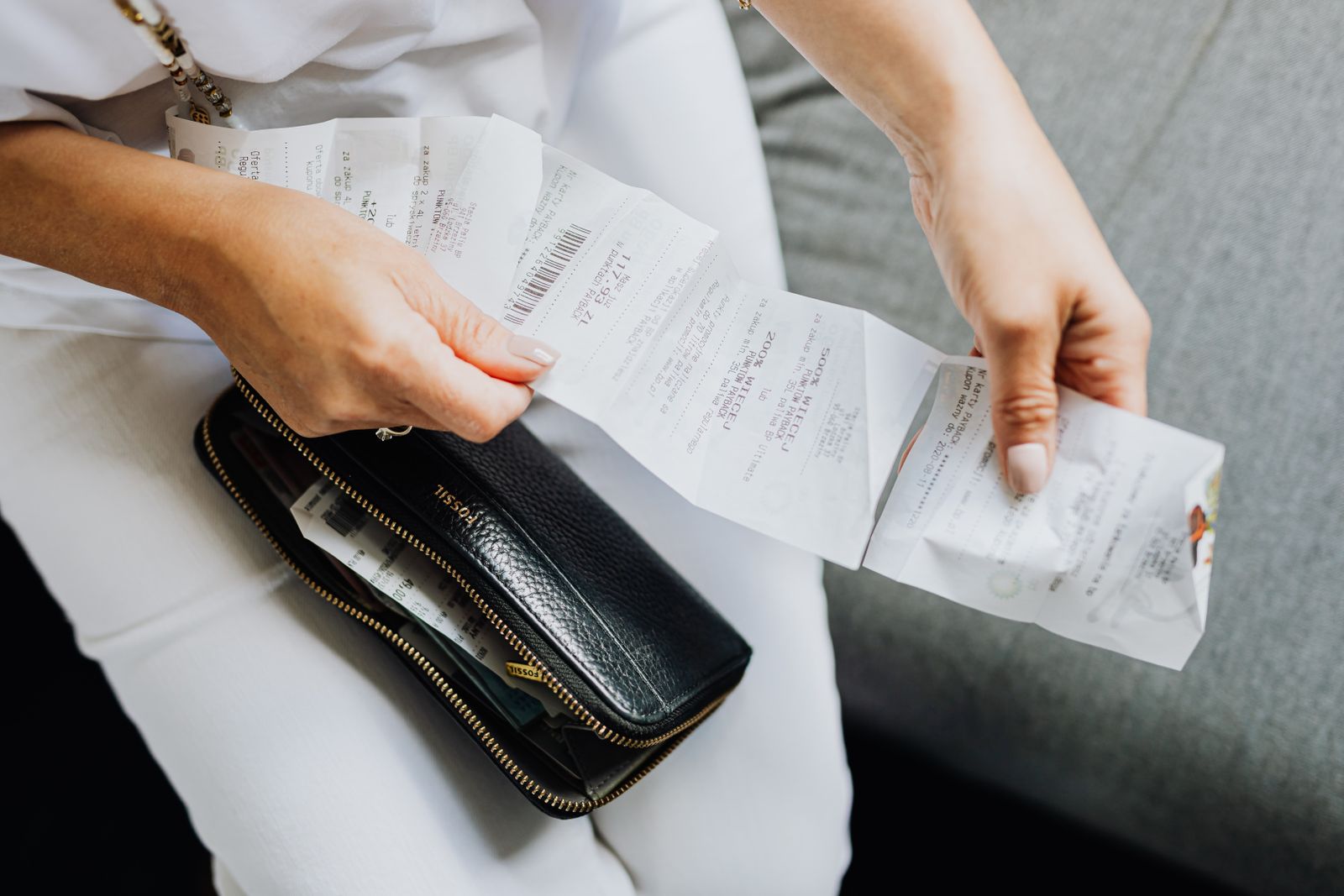
Make a folder for all of your documents regarding your car accident. You can save pictures, bills, receipts, repair estimates, claim letters, and emails. Store hard copy documents in an envelope and take pictures of receipts that are printed on paper.
Include the date of your accident, address, and police report number if applicable. Also the claim numbers for each insurance company that you filed with. Write down the names and contact information for all the claims adjusters.
Begin listing your expenses. Whether you use a spreadsheet or notebook, just make sure you do this for all of your car accident related costs. Having this will help you keep these costs separate from your normal day to day expenses.
When you receive a receipt, list why you had to purchase this item. This will help prove your expense if it’s related to your car accident.
If you paid for something in cash, try to receive a receipt. If you can’t, write down how much you spent, who you gave the money to, and what you purchased.
What To Save If You Were In A Rideshare Accident
If a rideshare trip was involved, there are more documents you’ll want to collect after your car accident.
If you were a passenger, collect the reservation, receipt, directions, and driver information. If you were the driver, collect your ride information, if you were online, on the way to a pick up, or transporting someone.
The driver’s app status can affect which insurance policy applies. A rideshare accident lawyer may help clarify disputed coverage. In Houston, lawyers for car crash victims in Houston can also review medical expenses, vehicle costs, and other losses tied to a collision.
Keep the cost of your ride separate from transportation you may have paid for after your car accident. Keep any later taxi receipt as a separate expense. Make sure you note any fare you were refunded so you don’t count that as a loss.
A List Of Expenses You May Have Incurred Out of Pocket
Below are some expenses you may have incurred out of pocket after a car accident.
Medical Expenses
Save bills and receipts for medical care, therapy, tests, and prescriptions. Your hospital bill may be higher than what you owe after your insurance.
Things to look for: Any copays, deductibles, or money you’ve paid at your medical appointment; Prescription medication, and anything else you may have been instructed to buy for your injuries; Any outstanding balance listed on your medical bill.
Keep your insurer’s explanation of benefits (EOB) with the medical bill. You’ll want to see what they paid and what you may owe. Don’t count the bill and EOB as separate payments.
Auto Repair and Transportation
You may have incurred high amounts from repairing your vehicle. The average total cost of repair was about $4,821 during the first half of 2026, according to CCC Intelligent Solutions in its October 2026 update. This is just one statistic, but doesn’t tell you what your claim is worth or what you paid yourself.
You’ll want to document any towing, impound, release fees, repair bills, and deductibles you may have paid. If your mechanic found additional damage, save the initial estimate and your final bill. Ask for an itemized invoice if it includes work unrelated to the crash.
Transportation costs can also be high after a car accident. Make a note of any rental cars, taxi, bus, or driving to necessary places while your car is being repaired. Note what you were going to, when, and how much it cost. If you had to drive to your medical appointment, you can list how far you drove and any parking you had to pay.
Remember, you can have similar numbers when listing your repair costs. If your mechanic quoted you, gave you a final bill, and you had to pay a deductible, these may all go towards one repair cost.
Assistance With Daily Tasks
If you were injured and couldn’t perform certain tasks, you may have had to hire someone to help you. Save the invoice and explain what you needed help with. If you had to order groceries, separate your delivery fee and what you normally would have purchased.
You may also want to see if any of your belongings were damaged in your car accident. Glasses, phones, kids’ car seats, clothes, work supplies, etc. Take pictures, and if you can, find your receipt or quote on repairing/replacing the item.
You may also have had to purchase documents or pay to get copies for your claim. These can be listed under administrative costs.
Keeping Track Of Your Bills, Payments, and Money Received
For each transaction, you should include: Date (date you paid or were charged); Company (name of business, medical office, etc.); Expense (why you had to pay); Total Billed (amount billed, even if not fully paid); Amount Paid (amount actually paid); Money Received (refunds or insurer payments made on your behalf).
You can also insert a picture of your documentation, or the file name that you saved it as. If you’re unsure about something, mark it to double-check.
If part of your deductible was refunded, record the payment and refund separately. Don’t add your refund to your total expenses.
If you have unpaid medical bills, or think you will need more treatment, list those under unpaid bills. If you missed time from work, you can create another tab to keep track of your lost wages.
Making Sure Your Insurance Company Paid What They Should Have
An expense log doesn’t guarantee reimbursement. Coverage and payment timing depend on your policy. Collision, PIP, UM/UIM, and rental reimbursement can all cover different things in Texas.
Review your policy to make sure what you think they will pay for. Rental reimbursement may only cover a certain amount per day, and for a limited amount of days your vehicle is in the shop.
If your insurance company disputes an expense, save their letter and note what they are requesting. Match their decision to your log to check for missing payments or duplicate entries.
Don’t Forget To Double Check
New expenses may arise as treatment and repairs continue. Keep checking your records. Before you settle your claim, review your documents against your bank statements.
When your insurance company offers you a settlement, make sure you have all of your unpaid bills, medical treatment, money that you’ll be reimbursed, and any expenses that may be in dispute. By signing a release, you may not be able to claim additional compensation for the same crash later.
You should have a good understanding of what you paid, what you still owe, and what your insurance company has paid for you.
Related reading






