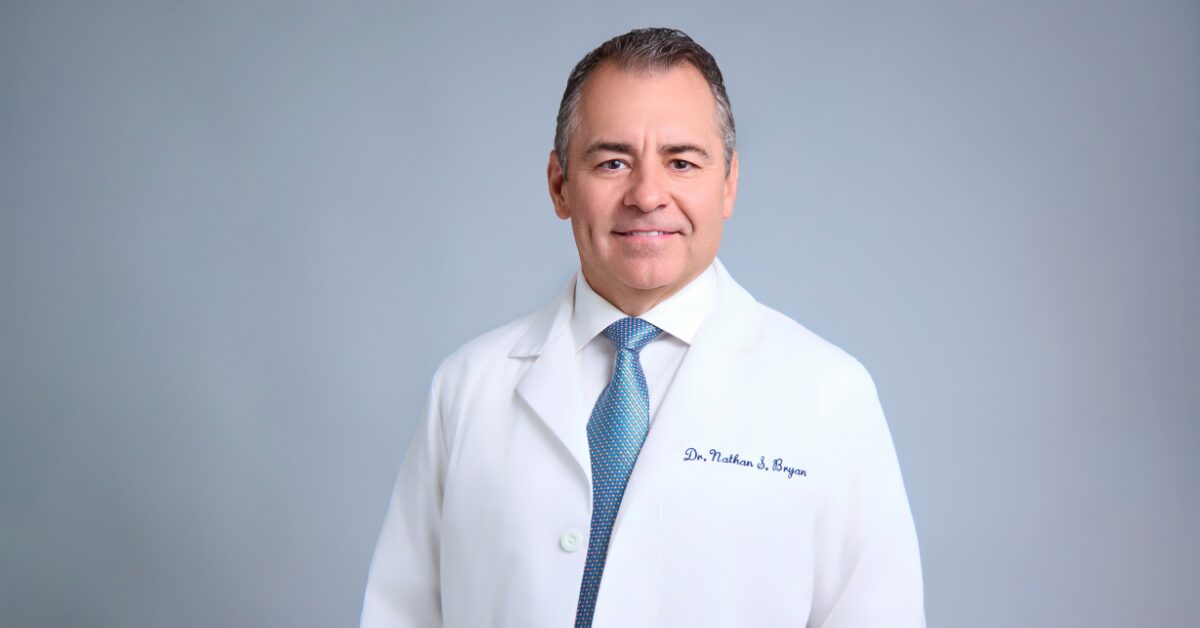
In the landscape of modern medicine, few molecules have garnered as much scientific acclaim and as much consumer confusion as nitric oxide. Often referred to as the “miracle molecule,” its discovery led to a Nobel Prize in 1998, yet its practical application in daily health remained a mystery for decades.
Dr. Nathan Bryan, a Texas-born biochemist and researcher, has dedicated the last 25 years to bridging this gap. Through his work at major medical institutions and his entrepreneurial venture, N1o1 by Bryan Therapeutics, Inc., Bryan is on a mission to shift nitric oxide from a hospital-administered gas to a foundational pillar of global wellness.
From Small-Town Texas to the Frontiers of Physiology
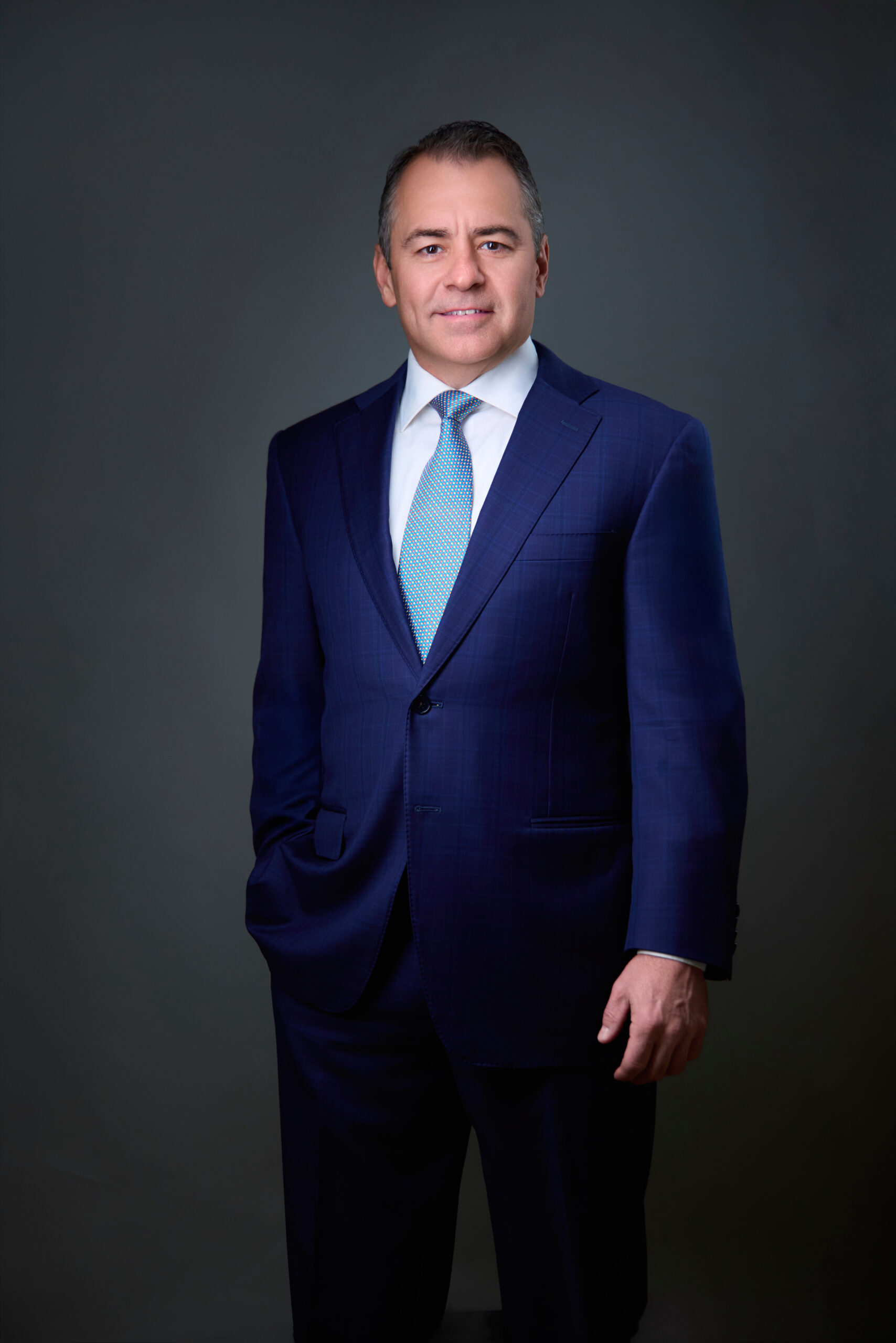
Dr. Bryan’s journey into the depths of human biochemistry began in a small town in Texas, fueled by an early fascination with the intersection of science and medicine. After earning a degree in biochemistry from the University of Texas at Austin, he pursued a PhD in molecular and cellular physiology at the LSU School of Medicine. It was here that he was first introduced to the burgeoning field of nitric oxide research, a timing that proved providential.
“We knew this molecule was important—its discovery had just been recognized with a Nobel Prize,” Bryan said. “But there was still a lot we didn’t know: how and when it’s produced, where it goes, what it turns into, and how it actually signals. Those unknowns are what led me down the path of nitric oxide research.”
After completing his post-doctoral training at Boston Medical Center, Bryan was recruited to the University of Texas Medical School in Houston to join a discovery program at the Institute of Molecular Medicine. This 12-year academic journey solidified his position as a leading authority on how this gas regulates human life.
The Defining Challenge: Delivery and Restoration
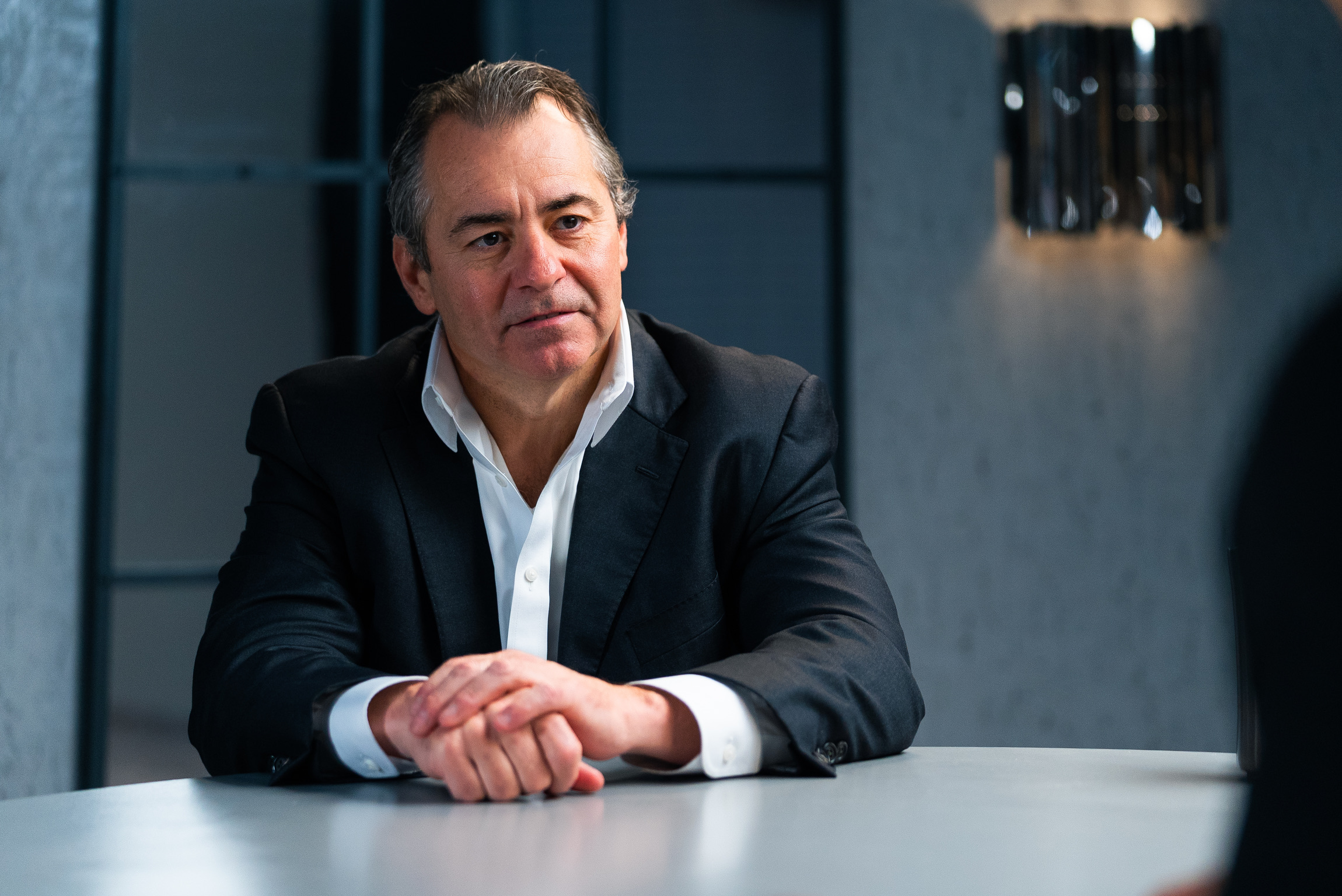
The pivotal catalyst for Dr. Bryan’s shift from the corridors of pure academia to the vanguard of innovative therapy occurred during a momentous dinner with Dr. Louis Ignarro. As one of the three Nobel laureates recognized for discovering the signaling properties of nitric oxide, Ignarro’s insights carried immense weight.
During their conversation, Ignarro issued a profound challenge that would ultimately serve as the blueprint for the rest of Bryan’s professional career.
“He said to me over dinner, ‘If we in the scientific and medical community can ever figure out how to safely and effectively deliver nitric oxide, it will change the world,'” Bryan recalled.
This was not merely a scientific observation; it was a call to action that highlighted a massive gap between laboratory discovery and clinical application.
At the time, the primary hurdle was the volatile nature of the molecule itself. Nitric oxide is an extraordinarily unstable gas with a half-life of mere seconds once produced in the body, making it one of the most difficult substances to “package” or stabilize for therapeutic use. In traditional clinical settings, the only way to use the molecule was via heavy, cumbersome gas cylinders, which had to be carefully delivered through a nasal cannula under strict medical supervision.
Bryan recognized that while this was effective for acute hospital care, it was an impossible delivery method for the millions of people suffering from chronic, age-related conditions in their daily lives. The urgency of this challenge was underscored by a sobering realization regarding the aging process and systemic health.
“Even 25 years ago, we knew that every single age-related chronic disease was associated with a loss of nitric oxide production,” Bryan explained.
This correlation suggested that the decline of this single molecule was a “common denominator” for a host of global health crises. Driven by the potential to leave a lasting legacy, Bryan pivoted his focus toward a singular, ambitious goal.
“How do we restore and replace this molecule?” he asked.
This question became his professional north star, pushing him to transcend the limitations of hospital-grade gas cylinders and find a revolutionary way to make nitric oxide restoration accessible, portable, and effective for the general public.
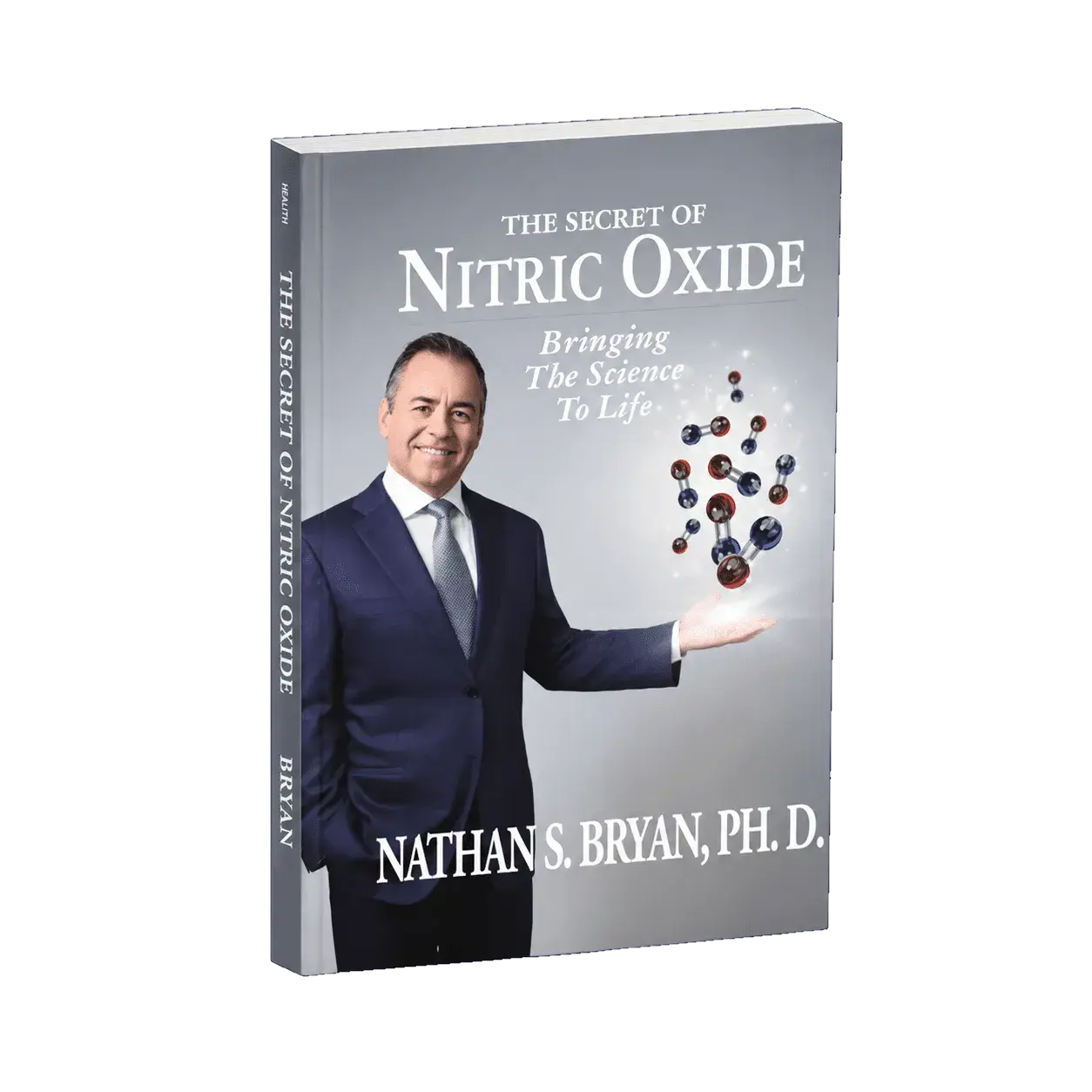
The Role of Nitric Oxide: The Body’s Performance Molecule
To fully appreciate the scope of Dr. Bryan’s mission, one must first understand the multifaceted and indispensable role nitric oxide plays in the human biological system. Far from being a mere byproduct of metabolism, nitric oxide serves as a primary signaling molecule, functioning as a high-speed “biological messenger” that facilitates critical communication between cells.
Without this constant flow of information, the body’s internal systems quickly fall into a state of physiological disrepair. Dr. Bryan often characterizes it as the “performance molecule” because its presence–or lack thereof–directly dictates the functional capacity of virtually every organ system.
Perhaps its most vital and well-documented function is as a potent vasodilator. In this capacity, the molecule signals the smooth muscle surrounding the blood vessels to relax, thereby allowing the vessels to dilate. This process is the primary mechanism for maintaining healthy blood pressure and ensuring that nutrient-rich, oxygenated blood reaches the entirety of the body.
“Nitric oxide opens up blood vessels throughout the body, improving oxygen delivery and circulation,” Bryan explained. “And because every age-related chronic disease is linked to reduced blood flow, this one molecule could help address a wide range of chronic illnesses.”
He noted that whether the issue is heart disease, neurological decline, or sexual dysfunction, a common thread is almost always a localized or systemic reduction in blood flow caused by a deficiency in nitric oxide.
Beyond the fundamental mechanics of circulation, nitric oxide is a critical component of energy production at the cellular level. It acts as a primary regulator for the mitochondria, the “powerhouses” of the cell, which are responsible for converting the oxygen we breathe and the nutrients we consume into adenosine triphosphate (ATP), the universal energy currency of life.
This means that even with perfect nutrition and exercise, a body lacking nitric oxide will struggle to produce the energy required for peak physical and mental performance.
Dr. Bryan also highlighted the molecule’s groundbreaking role in the burgeoning field of regenerative medicine. Nitric oxide is responsible for mobilizing stem cells from the bone marrow into the bloodstream, where they can travel to sites of injury to repair and replace damaged tissue.
Furthermore, recent research has linked nitric oxide to the preservation of telomeres, the protective caps at the ends of our chromosomes that act as biological clocks. Bryan points out that shorter telomeres are a hallmark of a shorter lifespan, whereas longer telomeres are associated with longevity.
“Everything we know about regenerative medicine, longevity, and human optimization is dependent upon adequate and sufficient nitric oxide production,” he said.
By maintaining these chromosomal ends, mobilizing our own stem cells, and facilitating optimal mitochondrial function, nitric oxide stands as a cornerstone of human longevity and the optimization of the human machine.
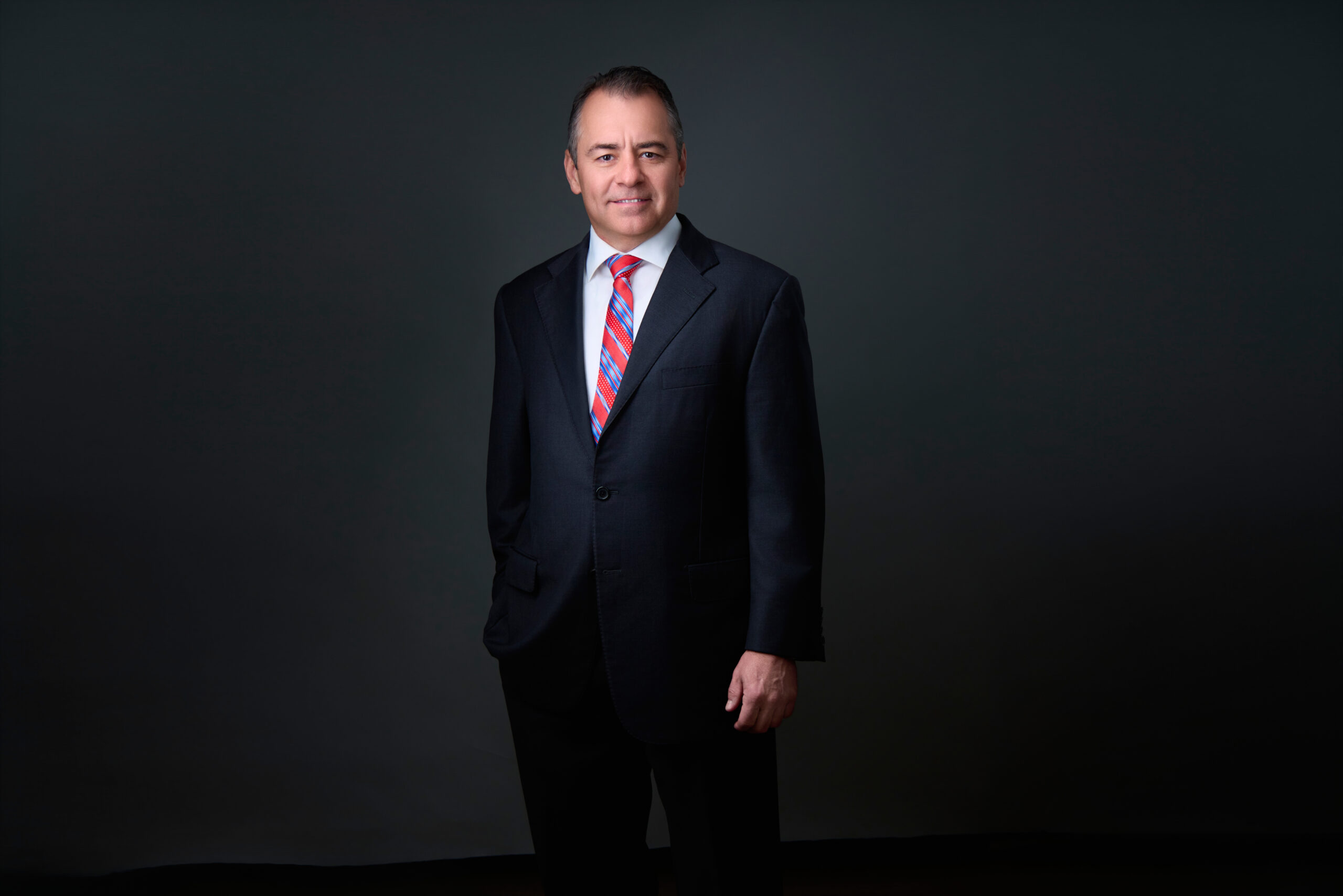
N1o1 and the Science of Oral Health
While Bryan’s background is in drug discovery, he realized that the most immediate way to impact global health was through scientifically validated consumer products. This led to the founding of N1o1, a consumer brand focused on delivering nitric oxide through unconventional channels, including skincare, dietary supplements, and oral care. One of Bryan’s most significant discoveries concerns the “oral-systemic link,” the realization that the bacteria in our mouths produce a large portion of our body’s nitric oxide.
“We found that there are oral bacteria that are responsible for the production of nitric oxide. And, if you destroy these bacteria through the use of antiseptic mouthwash, fluoride-based toothpaste, or poor oral hygiene, it decreases your nitric oxide production,” Bryan stated.
This revelation led him to create a specialized toothpaste designed to foster a healthy oral microbiome rather than indiscriminately killing all bacteria.
“I created a toothpaste that basically changes the environment. It selectively kills oral pathogens and creates an environment for beneficial bacteria to populate. We can improve nitric oxide production just through changes in oral care,” he explained.

Debunking the “Beet” Myth and Looking to the Future
One of Dr. Bryan’s greatest frustrations in the current wellness market is the prevalence of “deceptive marketing,” particularly regarding beetroot products. Many companies market beet gummies and powders as nitric oxide supplements, a claim Bryan said is scientifically unfounded and even potentially harmful.
“The biggest myth out there is that beets are nitric oxide. In fact, I would encourage people to avoid beets and beet-based products. First, because they provide no nitric oxide benefit, and second, because the oxalates in beets can actually do quite a bit of harm,” he warned, noting that high oxalate levels can contribute to kidney stones and inflammation.
The horizon for Dr. Bryan remains expansive as he continues to bridge the gap between rigorous laboratory research and public health. With a relentless schedule of 25 to 35 lectures annually, he addresses a diverse array of professional bodies, ranging from dental organizations to functional medicine groups, with the primary goal of equipping both clinicians and consumers to distinguish between authentic science and deceptive marketing.
While N1o1 continues to innovate in the consumer space, Bryan is simultaneously steering the technology toward the pharmaceutical sector. He is currently navigating the complexities of FDA approval for drug therapies designed to treat debilitating conditions such as ischemic heart disease, Alzheimers’ disease, and diabetic ulcers, ensuring that nitric oxide restoration becomes a standardized, reimbursable part of medical care.
Bryan’s commitment to this field is rooted in a desire to protect the scientific legacy of the molecule from being diluted by inferior products.
“We have to maintain the integrity of the field so that it prospers and grows and is not sabotaged by these companies that don’t understand the science,” Bryan emphasized.
Ultimately, Bryan views his work as a means to empower individuals to return to their biological roots. He asserted that health is often found not just in what we add, but in what we choose to remove to allow our natural systems to thrive.
As he looks toward the future of biological optimization, his fundamental directive for those seeking to reclaim their vitality is a call to respect the body’s innate design: “Stop putting things in and on your body that are disrupting normal cellular function. The human body is regenerative by nature.”
With that philosophy in mind, he remains steadfast in his vision for the future: “The future of medicine and the field of longevity is dependent upon safe and effective nitric oxide-based therapeutics and product technology. I am proud and honored to lead the way. We are on a mission, and nothing will stop us.”
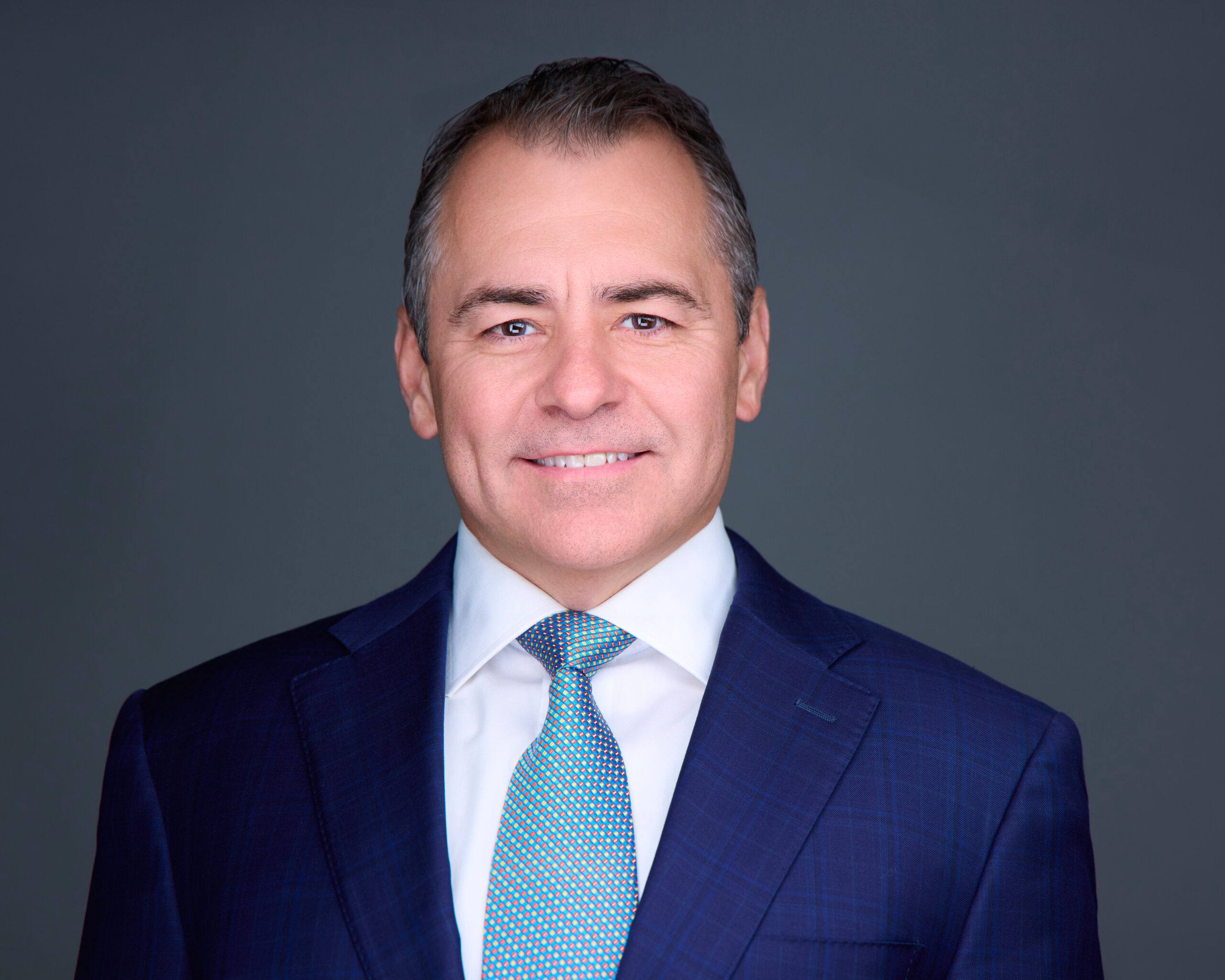
About Dr. Nathan Bryan:
Dr. Bryan earned his undergraduate Bachelor of Science degree in Biochemistry from the University of Texas at Austin and his doctoral degree from Louisiana State University School of Medicine in Shreveport, where he was the recipient of the Dean’s Award for Excellence in Research. He pursued his postdoctoral training as a Kirschstein Fellow at Boston University School of Medicine’s Whitaker Cardiovascular Institute. After a two-year postdoctoral fellowship, in 2006 Dr. Bryan was recruited to join the faculty at the University of Texas Health Science Center at Houston by Ferid Murad, M.D., Ph.D., a 1998 Nobel Laureate in Medicine or Physiology.
Dr. Bryan has been involved in nitric oxide research for the past 25 years and has made many seminal discoveries in the field, has dozens of issued patents, and has published more than 100 peer-reviewed scientific articles in some of the top science and medical journals. Dr. Bryan is a best-selling author and successful entrepreneur who has built a billion-dollar enterprise value portfolio of companies. Dr. Bryan is one of the most successful inventors and top revenue producers in the history of the University of Texas Health Sciences Center at Houston. He is currently the Founder, Chairman, and CEO of Bryan Therapeutics, Inc., a privately held, clinical-stage biotechnology company actively engaged in the discovery and development of nitric oxide-based therapies. BTI has active drug development programs in heart disease, Alzheimers’ Disease, and topical drugs for diabetic ulcer and non-healing wounds. Dr. Bryan’s consumer line of products is among the most innovative and successful nitric oxide products on the market. Dr. Bryan is an international leader in molecular medicine and nitric oxide biochemistry.
To learn more about Dr. Nathan S. Bryan, his research, and his nitric oxide-based innovations, visit N1O1 or Bryan Therapeutics. Dr. Bryan is also active on social media, where he shares educational content and insights on health, performance, and longevity.
Connect with Dr. Bryan:
- Instagram: @drnathansbryan
- X (Twitter): @drnitric
- LinkedIn: @drnathansbryan
- YouTube: @DrNathanSBryanNitricOxide
Media & Speaking Engagements
For media inquiries, podcast and network interviews, speaking engagements, cross-promotional opportunities, editorial features, or personal appearances, please contact:
Alan Morell, CMP
Creative Management Partners
Beverly Hills, California
508-292-7900
amorell@creativemanagementpartners.com