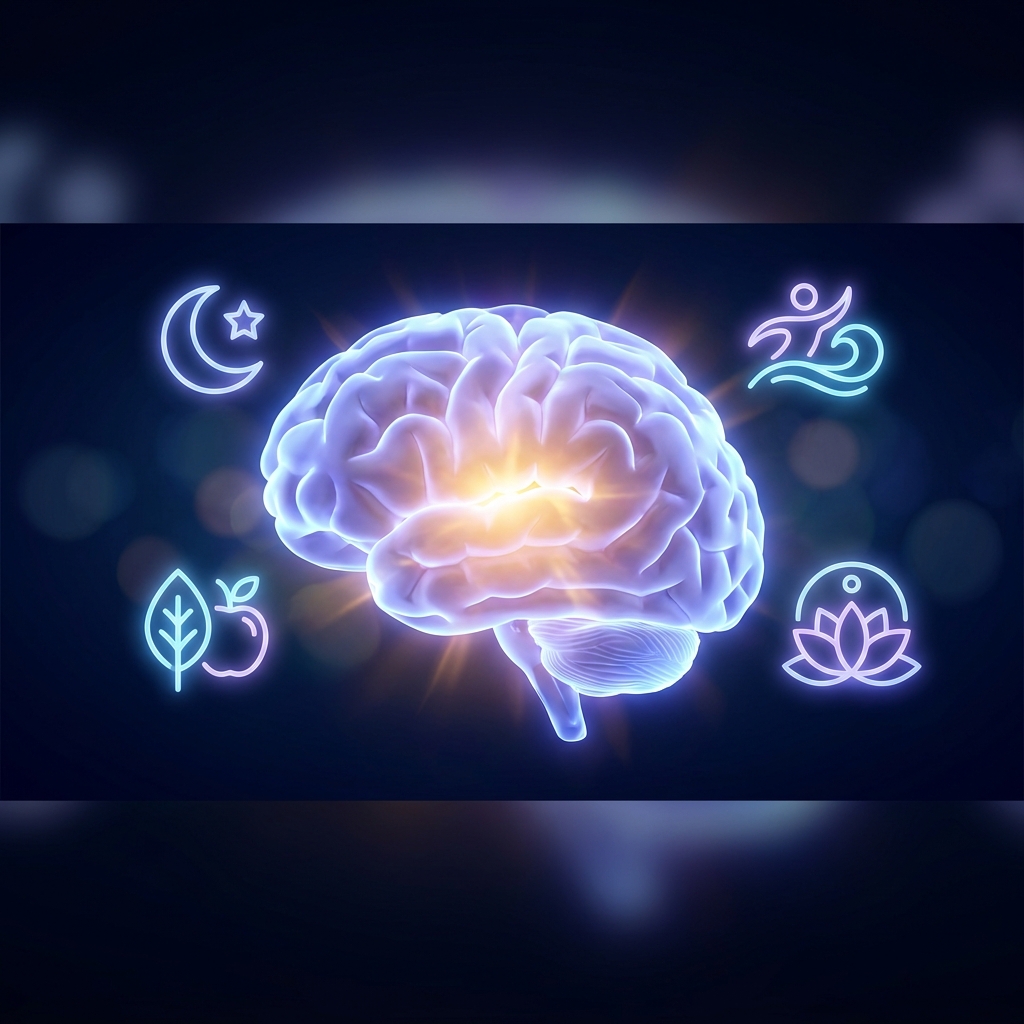
Neurology Health & Brain Wellness Tips: What Neurologists Want You to Know in 2026
Introduction: America’s Neurological Health Crisis — And What You Can Do About It
A landmark analysis published in JAMA Neurology in November 2025 by the American Academy of Neurology (AAN) and the Institute for Health Metrics and Evaluation delivered a sobering finding: one in two Americans is now affected by a neurological disease or disorder. Rather than a cause for panic, neurologists view this statistic as a wake-up call—and an opportunity for meaningful intervention.
This article goes beyond generic wellness advice. It translates the AAN’s clinical brain health framework and the latest 2025–2026 neurological research into actionable, neurologist-backed guidance for every age group. The surprising reality is that cognitive vulnerability is no longer just an older adult issue. A 2025 study published in Neurology found a notable rise in cognitive disability among adults aged 18–39, signaling a generational shift that demands attention.
Readers will discover the AAN’s 12-factor “SAFEST BRAINS” framework, the US POINTER study’s groundbreaking lifestyle protocol, expert neurologist perspectives, age-specific strategies, and emerging 2026 developments in brain health technology. The AAN defines brain health as “a continuous state of attaining and maintaining the optimal neurologic function that best supports one’s physical, mental, and social well-being through every stage of life.” This definition underscores that brain wellness is a lifelong pursuit—not a single intervention or a concern reserved for later years.
The State of Brain Health in 2026: What the Numbers Tell Us
Neurological disorders have become the leading cause of lost disability-adjusted life years (DALYs) globally and rank second only to cardiovascular diseases as a cause of premature mortality. An estimated 7.2 million Americans age 65 and older currently live with Alzheimer’s dementia, with projections suggesting this number could reach 13.8 million by 2060.
Globally, Alzheimer’s disease affects over 55 million people and accounts for 60–80% of all dementia cases. From 1991 to 2021, worldwide prevalence among adults 65 and older increased by 1.6 times, driven largely by an expanding older adult population.
Perhaps most concerning is an underreported generational shift: rising cognitive disability among adults aged 18–39 challenges the assumption that brain health is only a concern for older populations. Meanwhile, 75% of WHO Member States still lack a national dementia plan, reinforcing why individual and community-level action matters now.
The Salk Institute declared 2026 its “Year of Brain Health,” signaling a pivotal moment in scientific focus on cognitive resilience.
What Neurologists Mean by ‘Brain Health’ — And Why the Definition Matters
The AAN’s official definition frames brain health as a continuous state—not simply the absence of disease. This distinction shifts the conversation from fear-based to skills-based.
Dr. Jeffrey Rosenfeld, FAAN, of Loma Linda University Health, explains that brain health centers on synaptic plasticity—the brain’s ability to form new connections. Intellectual pursuits, social engagement, and learning new skills actively enhance this process throughout life.
A March 2026 review published in Stroke by researchers from the University of Miami and Harvard Medical School frames brain health as “capital” for vascular and cognitive resilience, integrating prevention, risk factors, cognition, dementia, and stroke into a unified framework. This perspective positions neurologists at the forefront of preventive neurology—an evolving field with enormous potential.
One critical fact underscores why systemic lifestyle choices have outsized neurological consequences: the brain makes up just 2% of body weight but consumes 20% of the body’s oxygen and energy supplies.
The AAN’s ‘SAFEST BRAINS’ Framework: A Neurologist’s Checklist for Brain Wellness
The AAN’s Continuum journal introduced the “SAFEST BRAINS” mnemonic as a practical screening tool neurologists use in clinical settings. This 12-factor framework offers a comprehensive self-audit checklist:
- S – Sleep
- A – Affect/mental health
- F – Food/diet
- E – Exercise
- S – Supportive social interaction
- T – Trauma avoidance
- B – Blood pressure
- R – Risks (metabolic/genetic)
- A – Affordability/adherence
- I – Infection
- N – Negative exposures
- S – Structural/social determinants
This framework extends beyond typical “eat well, sleep, exercise” advice by including social determinants, affordability, and environmental exposures that mainstream wellness content often ignores. Patients can use this checklist as a starting point for conversations with their neurologist or primary care physician.
Sleep: The Brain’s Nightly Maintenance Window
Neurologists recommend 7–9 hours of quality sleep per night, emphasizing that sleep quality matters as much as quantity. Sleep fragmentation disrupts both non-REM and REM sleep cycles, with REM sleep proving critical for learning, memory consolidation, and emotional regulation.
The relationship between sleep and Alzheimer’s pathology is bidirectional: amyloid and tau proteins can disrupt sleep cycles, while poor sleep accelerates amyloid accumulation, creating a damaging feedback loop. During deep sleep, the brain’s glymphatic system clears metabolic waste products, including amyloid-beta—framing sleep as an active neurological process rather than passive rest.
Neurologist-backed sleep hygiene tips:
- Maintain a consistent sleep/wake schedule
- Limit blue light exposure before bed
- Keep the bedroom cool and dark
- Avoid alcohol within three hours of sleep
- Address sleep apnea—a significant but underdiagnosed risk factor for cognitive decline
Exercise: The Most Powerful Brain-Protective Habit Available
The US POINTER study—the largest randomized clinical trial on lifestyle and brain health in the United States—found that a structured lifestyle program delayed normal cognitive aging by one to nearly two years compared to a self-guided group among 2,111 older adults.
The POINTER intervention protocol included:
- Aerobic exercise four times per week
- Mediterranean diet
- Online cognitive training
- Mandatory social activities
- Blood pressure and blood sugar monitoring
Exercise increases brain-derived neurotrophic factor (BDNF), which helps neurons survive, boosts learning and memory, and stimulates new neuron growth—particularly in the hippocampus. A 2025 UT Southwestern study published in the Journal of Applied Physiology confirmed that high levels of cardiorespiratory fitness may mitigate brain volume loss and preserve cognitive function across the adult lifespan.
The National Institute on Aging recommends a minimum of 150 minutes of moderate-intensity physical activity per week for cognitive health benefits. For younger adults, the priority is building exercise habits as a long-term investment; for older adults, the evidence confirms it is never too late to begin.
Nutrition for the Brain: What Neurologists Actually Recommend
Approximately 60% of the brain is composed of fat, making omega-3 fatty acids (DHA and EPA) critical structural building blocks with neuroprotective effects that support memory, focus, and processing speed. Neurologists typically discuss specific dosage ranges—1,000–2,000 mg per day of combined DHA and EPA—rather than offering generic dietary advice.
The Mediterranean diet received clinical validation through the US POINTER study as a core intervention component. Emerging research also links a healthy gut microbiome to disease prevention and cognitive well-being, an angle neurologists are increasingly integrating into brain health counseling.
What neurologists recommend limiting:
- Ultra-processed foods, excess sugar, and trans fats, which promote neuroinflammation
- Excessive alcohol, which is directly neurotoxic
Hydration also warrants attention: the brain is highly sensitive to dehydration, which can impair concentration, short-term memory, and mood even at mild levels.
New March 2026 research found that microplastics—present in food, water, and household dust—could trigger inflammation and damage brain health, potentially fueling Alzheimer’s and Parkinson’s risk. Minimizing exposure to processed food packaging represents a practical precaution.
Mental Health, Stress, and the Brain: What Neurologists Want Patients to Understand
Chronic stress damages the hippocampus—the brain region critical for memory formation—and may accelerate brain aging while increasing risk for neurodegenerative diseases. Mindfulness-Based Stress Reduction (MBSR), an eight-week structured program, reduces anxiety and depression symptoms as effectively as many medications and produces measurable changes in brain structure and function.
Depression and anxiety are both risk factors for and symptoms of neurological conditions—neurologists treat the whole picture. The “Affect/mental health” component of the SAFEST BRAINS framework reflects this integrated approach.
Neurologist-recommended stress management strategies:
- Structured mindfulness practice
- Journaling
- Therapy, particularly cognitive behavioral therapy
- Limiting news consumption
- Building recovery time into daily schedules
For younger adults, this guidance carries particular relevance: stress, anxiety, and depression peak during early adulthood (ages 18–39), linking mental health management directly to the generational cognitive vulnerability trend documented in recent research.
Social Connection and Cognitive Stimulation: Underrated Brain Health Pillars
Social isolation is a modifiable risk factor for cognitive decline. The POINTER study included mandatory social activities as a core component of the intervention that delayed cognitive aging—social engagement is not optional in a brain health protocol.
Dr. Rosenfeld emphasizes that intellectual pursuits, social engagement, and learning new skills enhance synaptic plasticity, making social and cognitive stimulation neurologically comparable to physical exercise.
Actionable recommendations:
- Join community groups or volunteer
- Learn a new language or instrument
- Engage in intergenerational activities
- Use technology purposefully to maintain relationships
- Incorporate cognitive training through brain training apps, puzzles, and skill-building activities
Blood Pressure, Metabolic Health, and Vascular Brain Protection
The SPRINT MIND study found that lowering systolic blood pressure to below 120 mmHg reduces the risk of mild cognitive impairment—a direct, actionable clinical target. High blood pressure in midlife (the 40s through early 60s) significantly increases the risk of cognitive decline later in life.
Metabolic dysfunction is increasingly linked to Alzheimer’s risk, with some researchers referring to Alzheimer’s as “type 3 diabetes.” Neurologists recommend regular metabolic screening and are beginning to discuss the potential role of GLP-1 drugs in supporting brain health.
Actionable guidance:
- Regular blood pressure monitoring with neurologist-recommended home monitors
- Annual metabolic panels
- Medication adherence
- Lifestyle modifications addressing multiple vascular risk factors simultaneously
Brain Health Across the Lifespan: Age-Specific Guidance from Neurologists
Adults Under 40: The Overlooked Generation in Brain Health
The 2025 Neurology study documenting rising cognitive disability among adults aged 18–39 represents a generational shift that most wellness content ignores. The Lancet Healthy Longevity highlights that young adulthood is neglected in Alzheimer’s and dementia prevention models, despite many modifiable risk factors beginning or peaking during this life stage.
Neurologist-backed priorities for this age group:
- Establish consistent sleep habits
- Build a regular exercise routine
- Address mental health proactively
- Limit alcohol consumption
- Obtain baseline metabolic and blood pressure screenings
Adults 40–65: The Midlife Brain Health Window
Midlife represents a critical intervention window when many vascular risk factors peak in impact, yet the brain retains significant plasticity. Hormonal changes during perimenopause and menopause have documented neurological effects, and neurologists are increasingly attentive to cognitive symptoms during this transition.
Sleep disorder screening becomes particularly important as sleep apnea prevalence rises in midlife. Lifestyle changes made in one’s 40s and 50s yield the greatest long-term neurological returns.
Adults 65 and Older: Protecting and Preserving Brain Function
Even among older adults, the POINTER study demonstrated that structured lifestyle interventions can delay cognitive aging by one to nearly two years. Social engagement becomes a top-tier intervention as isolation risk increases with age.
Medication review is also important: polypharmacy can produce significant cognitive side effects. Fall prevention is a brain health issue—traumatic brain injury from falls represents a meaningful neurological risk. Untreated hearing loss is one of the largest modifiable risk factors for dementia, making regular sensory screenings essential.
The Future of Brain Health: What 2026 Technology Means for Patients
Mass General Brigham researchers predict that noninvasive brain imaging in 2026 is crossing a critical threshold—detecting subtle circuit-level changes before symptoms appear and enabling proactive, precision-tailored interventions.
AI now routinely analyzes MRI and CT scans to detect the earliest markers of neurodegenerative diseases, allowing intervention years before clinical symptoms manifest. Wearable technology for brain health—including seizure-forecasting earpieces, neural activity headsets, and movement biomarker wearables—represents a 2026 clinical reality that is expanding the reach of neurological care.
These advances make early neurological consultation more valuable than ever.
A Neurologist-Backed Brain Wellness Action Plan: 10 Steps to Start Today
- Audit SAFEST BRAINS factors and identify two or three highest-priority areas
- Prioritize sleep quality with 7–9 hours nightly; consult a physician if sleep apnea is suspected
- Move consistently with at least 150 minutes of moderate aerobic exercise weekly
- Adopt a brain-supportive diet with 1,000–2,000 mg DHA/EPA daily and Mediterranean diet principles
- Monitor blood pressure and metabolic health with regular screenings
- Invest in stress management through daily mindfulness or relaxation practice
- Protect social connections by scheduling regular social activities
- Reduce environmental exposures using HEPA air filtration and minimizing microplastic exposure
- Engage the brain continuously by learning new skills and using cognitive training tools
- Schedule a neurological consultation, particularly for those over 40 or with a family history of neurological disease
Conclusion: Brain Health Is a Lifelong Investment
The one-in-two statistic should serve as motivation, not fatalism. The same research revealing the scale of neurological disease confirms that many significant risk factors are modifiable—lifestyle, environment, and early intervention matter enormously.
Brain health is not a single event or a single age group’s concern. It is a continuous, lifelong practice that begins in young adulthood and compounds over decades. The three most evidence-backed neurologist-recommended actions—consistent physical exercise, quality sleep, and proactive vascular health management—are supported by the strongest clinical trial evidence available.
With the Salk Institute’s Year of Brain Health, AI-powered early detection, and the US POINTER study’s landmark findings, 2026 represents a uniquely promising era for neurological science. While this article provides a strong foundation, a relationship with a neurologist or brain health specialist remains the most powerful tool available. Informed patients make better health decisions—and better brain health decisions made today represent the most meaningful investment in quality of life tomorrow.