Cancer Prevention Lifestyle Medicine: What Oncologists and Lifestyle Physicians Agree On in 2026
Introduction: A Turning Point in Cancer Prevention
A landmark February 2026 study published in Nature Medicine by the World Health Organization and the International Agency for Research on Cancer has reshaped the conversation about cancer prevention. The analysis, spanning 185 countries and 36 cancer types, found that 37.8% of global cancer cases are attributable to 30 modifiable risk factors. In concrete terms, approximately 7.1 million of the 18.7 million new cancer cases diagnosed in 2022 could have been prevented through lifestyle and environmental changes.
The scale of this finding demands attention. According to the 2026 American Cancer Society Cancer Facts & Figures report, the United States will see just over 2 million new cancer cases this year, averaging roughly 5,800 new diagnoses daily, with 626,140 projected deaths. These numbers underscore a critical truth: cancer prevention is not merely a public health aspiration but an urgent clinical priority.
What makes 2026 a turning point is the growing convergence between two medical specialties that have historically operated in separate lanes. Oncologists, traditionally focused on diagnosis, treatment, and survivorship, are increasingly aligning with lifestyle medicine physicians who have long emphasized behavioral and environmental interventions upstream of disease. Cancer prevention lifestyle medicine sits at the intersection of these two fields, and both are now finding common ground on the same evidence-based strategies.
This article presents an interdisciplinary approach, examining the pillars of prevention that both specialties endorse. It offers actionable guidance for younger adults navigating rising early-onset cancer rates, cancer survivors seeking to optimize long-term outcomes, and health-conscious readers committed to evidence-based prevention. This is not a fear-based awareness piece but a physician-backed, evidence-anchored prevention roadmap.
The Scale of Preventable Cancer: What the 2026 Data Tells Us
The WHO/IARC 2026 Nature Medicine study represents the most comprehensive global analysis of preventable cancer burden ever published. Researchers examined 30 modifiable risk factors across 185 countries and 36 cancer types, producing a definitive assessment of where prevention efforts should focus.
The findings identify the top three preventable causes of cancer globally: tobacco accounts for 15.1% of all new cases, infections contribute 10.2%, and alcohol consumption is responsible for 3.2%. These three factors alone explain a substantial portion of the global cancer burden.
In the United States, the picture is similarly striking. A 2025 PMC narrative review found that approximately 42% of newly diagnosed cancer cases are attributed to modifiable lifestyle factors including tobacco use, poor diet, physical inactivity, and alcohol consumption. The American Cancer Society’s Cancer Prevention & Early Detection Facts & Figures 2025-2026 corroborates these estimates, reinforcing that lifestyle choices represent the most powerful lever available for reducing cancer incidence.
The economic implications are equally compelling. Cancer care costs are projected to exceed $245 billion annually by 2030 in the United States, making prevention not just a health priority but a financial imperative for healthcare systems, employers, and families.
There is reason for optimism alongside these sobering statistics. The five-year relative survival rate for all cancers combined has reached 70% for people diagnosed between 2015 and 2021, the highest level ever reported. Advances in early detection, prevention, and treatment have driven this milestone. Yet prevention remains the most powerful tool available, and the 2026 data makes clear just how much of the cancer burden is within human control.
Two Specialties, One Goal: Where Oncologists and Lifestyle Physicians Meet
For decades, oncologists and lifestyle medicine physicians operated in distinct clinical spheres. Oncologists focused on tumor biology, chemotherapy protocols, radiation schedules, and surgical interventions. Lifestyle medicine physicians emphasized nutrition, physical activity, stress management, and behavioral change as tools for preventing chronic disease. The two worlds rarely intersected in meaningful ways.
That separation has dissolved. Major organizations including the American Society of Clinical Oncology, the American Cancer Society, and the World Cancer Research Fund now explicitly endorse lifestyle interventions as evidence-based components of both cancer prevention and survivorship care. The shift reflects a growing body of research demonstrating that what patients eat, how they move, and how they manage stress directly influences cancer outcomes.
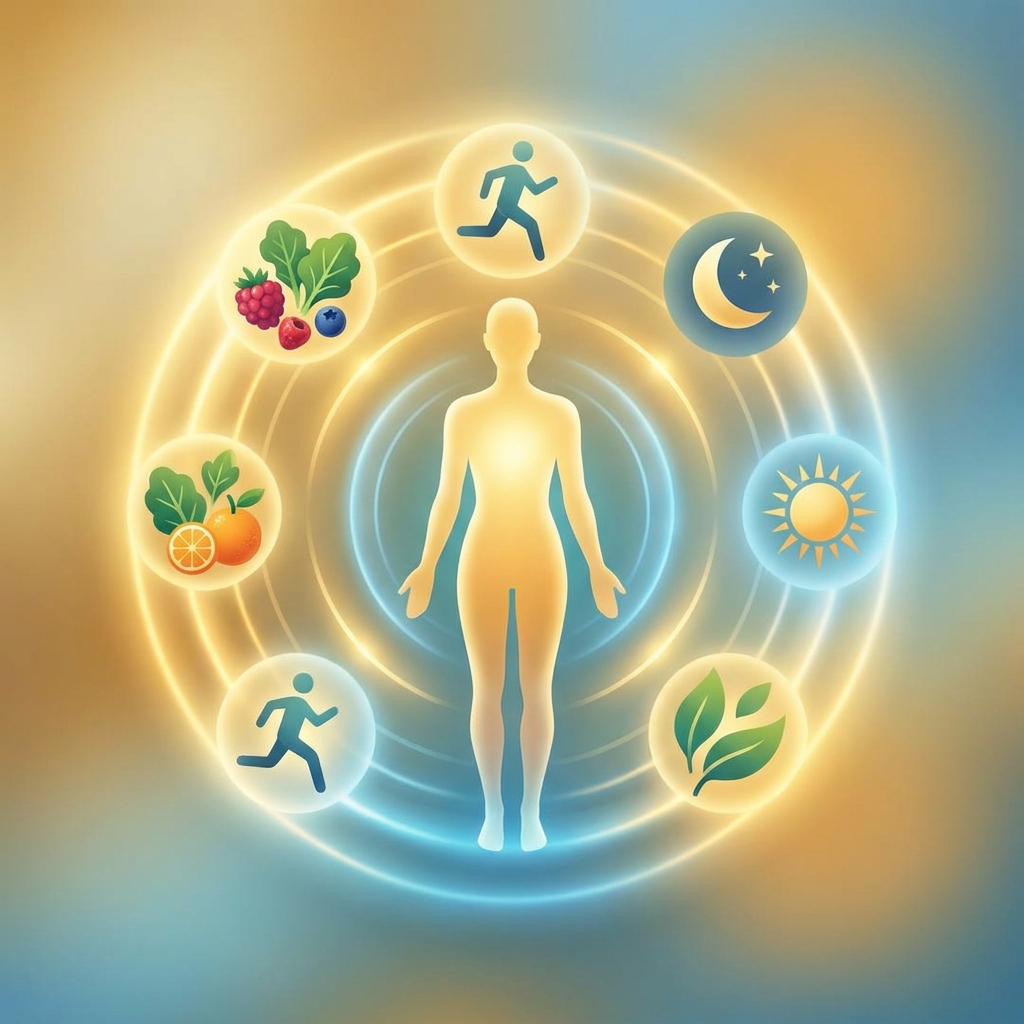
Early in many oncologists’ careers, the prevailing view was that diet and lifestyle had little bearing on cancer outcomes. That perspective has shifted dramatically as evidence has accumulated. Today, both specialties recognize the six pillars of lifestyle medicine as a shared framework: nutrition, physical activity, stress management, sleep, avoiding risky substances, and fostering positive social connections.
These pillars align directly with American Cancer Society prevention guidelines, creating a natural bridge between oncology and lifestyle medicine. Research consistently shows that lifestyle interventions improve treatment tolerance, enhance quality of life, reduce cancer recurrence, and lower comorbidities including diabetes and cardiovascular disease.
The Six Pillars of Cancer Prevention Lifestyle Medicine
The following sections examine each of the six lifestyle medicine pillars with cancer-specific research. These are not isolated recommendations but an integrated system. Adherence across multiple pillars compounds the protective effect, and both oncologists and lifestyle medicine physicians endorse this framework.
Pillar 1: Nutrition and the Ultra-Processed Food Wake-Up Call
A January 2026 study published in JAMA Oncology delivered a wake-up call about ultra-processed foods and cancer risk. Researchers from Harvard and Mass General Brigham analyzed data from the Nurses’ Health Study II and found that women consuming the highest amounts of ultra-processed foods had a 45% higher risk of developing conventional adenomas, the colorectal cancer precursor most associated with early-onset colorectal cancer.
The findings extend to cancer survivors. A 2026 study published in Cancer Epidemiology, Biomarkers & Prevention by the American Association for Cancer Research found that cancer survivors with diets high in ultra-processed foods had a 59% higher rate of cancer-specific death and were 48% more likely to die from any cause over a 15-year follow-up period.
A December 2025 peer-reviewed narrative review published in MDPI synthesized 25 years of evidence and found that adherence to predominantly plant-based diets is consistently associated with lower incidence of breast, colorectal, and liver cancer. The World Cancer Research Fund’s 2025 comprehensive report on dietary and lifestyle patterns reinforces these findings.
Emerging nutritional strategies including caloric restriction, ketogenic diets, and fasting-mimicking diets show promise in improving treatment efficacy and quality of life, though high-quality long-term evidence is still developing. For a deeper look at how regenerative medicine and nutrition intersect in clinical practice, Top Doctor Magazine has covered leading physicians working at this frontier.
Actionable guidance: reduce ultra-processed food intake, increase fiber-rich whole foods, and prioritize plant-forward eating patterns. Diet directly shapes gut microbiome composition, which has downstream implications for cancer risk.
Pillar 2: Physical Activity and Steps That Save Lives
A July 2025 meta-analysis published in The Lancet Public Health analyzed data from more than 160,000 adults and found that achieving 7,000 steps per day significantly lowered all-cause mortality by approximately 47%. Regular exercise is associated with reduced risk of breast, colorectal, and endometrial cancers and improves outcomes in cancer survivors.
The biological mechanisms are well understood. Exercise reduces circulating insulin and IGF-1, lowers systemic inflammation, modulates sex hormone levels, and enhances immune surveillance. A 2025 ASCO Annual Meeting study of 170,030 adults found that GLP-1 receptor agonists were associated with a 7% lower risk of obesity-related cancers, including 16% fewer colon cancer cases and 28% fewer rectal cancer cases. This finding underscores the cancer-protective role of metabolic health, and physical activity remains a primary non-pharmacological tool for achieving it.
Actionable guidance: aim for at least 150 minutes of moderate-intensity aerobic activity per week, incorporate resistance training, and reduce prolonged sedentary time. Even modest increases in daily movement carry measurable mortality benefit.
Pillar 3: Avoiding Risky Substances
The WHO/IARC data confirms that tobacco accounts for 15.1% of all new cancer cases globally, making it the single largest modifiable risk factor. Alcohol contributes 3.2%. There is no established safe level of alcohol consumption for cancer risk; even moderate drinking is associated with increased risk of breast, colorectal, liver, and esophageal cancers.
Tobacco risks extend beyond cigarettes to cigars, smokeless tobacco, and e-cigarettes. Emerging concerns about microplastics and environmental toxin exposures are identified by the National Cancer Institute as likely contributors to rising early-onset cancer rates, though evidence is still developing.
Actionable guidance: complete tobacco cessation, significant alcohol reduction or elimination, and awareness of occupational and environmental carcinogen exposures. This is the pillar where oncologists and lifestyle medicine physicians are most uniformly aligned.
Pillar 4: Stress Management as an Underappreciated Factor
Chronic psychological stress activates the HPA axis and sympathetic nervous system, elevating cortisol and catecholamines that promote inflammation, immune suppression, and tumor-permissive microenvironments. While direct causal evidence linking stress to cancer initiation is still emerging, the downstream effects of chronic stress (poor sleep, unhealthy eating, substance use, and physical inactivity) are well-established cancer risk amplifiers.
Integrative oncology programs at institutions like Memorial Sloan Kettering incorporate mind-body interventions including mindfulness, yoga, and cognitive behavioral therapy as part of survivorship care.
Actionable guidance: evidence-based stress reduction practices including mindfulness-based stress reduction, regular physical activity, social connection, and professional mental health support are recommended for patients and survivors alike.
Pillar 5: Sleep and the Circadian Connection
Chronic sleep deprivation disrupts circadian rhythm regulation, impairs immune function, elevates inflammatory markers, and alters melatonin production. Shift work involving circadian disruption is classified as a probable human carcinogen (Group 2A) by IARC.
Poor sleep worsens stress, impairs dietary choices, reduces motivation for physical activity, and increases substance use, illustrating the integrated nature of the six-pillar framework.
Actionable guidance: prioritize 7 to 9 hours of quality sleep per night, maintain consistent sleep-wake schedules, minimize light exposure at night, and address sleep disorders such as obstructive sleep apnea.
Pillar 6: Social Connection as a Biological Factor
Strong social ties are associated with lower cancer mortality and better treatment outcomes. Social isolation is linked to elevated inflammatory markers, impaired immune function, and poorer health behaviors. Cancer survivors with robust social support networks demonstrate better adherence to lifestyle recommendations across all other pillars.
Actionable guidance: cultivate meaningful relationships, participate in community or support groups, and address loneliness as a health metric rather than a personal failing.
The Early-Onset Cancer Crisis
Early-onset cancers diagnosed under age 50 are rising globally. Colorectal cancer incidence is increasing by 3% per year among adults aged 20 to 49 in the United States, and one in five colorectal cancer diagnoses now occurs in someone under age 55. A February 2026 Harvard Gazette report identified obesity, Western diet, and sedentary lifestyle as key drivers shifting toward younger populations.
Cancer incidence rates in women under 50 are now 82% higher than their male counterparts, up from 51% in 2002. The JAMA Oncology 2026 study on adenoma precursors is particularly concerning for younger adults who have grown up with high ultra-processed food consumption.
The lifestyle medicine message for younger adults is clear: prevention is not a concern reserved for later in life. The dietary and lifestyle patterns established in one’s 20s and 30s have measurable consequences for cancer risk decades later. Women’s health specialists are increasingly vocal on this point, as explored in Top Doctor Magazine’s coverage of gynecology and women’s health.
The Gut Microbiome: A Frontier Both Specialties Are Watching
Gut microbiome dysbiosis is increasingly recognized as a causal contributor to cancer initiation and progression, particularly for colorectal cancer. Specific pathobionts including Fusobacterium nucleatum and pks+ E. coli are implicated in carcinogenesis.
A February 2026 review in Frontiers in Cell and Developmental Biology proposed integration of microbiome modulation into precision medicine frameworks for cancer prevention. Ultra-processed foods, low fiber intake, and high red and processed meat consumption are associated with microbiome dysbiosis, while plant-based, fiber-rich diets support protective microbial diversity.
Actionable guidance: prioritize dietary fiber, fermented foods, and plant diversity to support microbiome health.
What Cancer Survivors Need to Know
With the five-year relative survival rate reaching 70%, there are more cancer survivors than ever before. The AACR 2026 finding that cancer survivors with high ultra-processed food intake had dramatically higher mortality rates makes dietary quality a survival issue, not just a prevention issue.
ASCO, ACS, and WCRF guidelines explicitly recommend lifestyle interventions as part of survivorship care plans. Survivors should ask their oncology team about referrals to registered dietitians, exercise physiologists, and integrative oncology programs. Lifestyle medicine is not an alternative to conventional cancer treatment; it is a powerful complement.
Conclusion: Prevention as Partnership
The 2026 WHO/IARC finding that 37.8% of global cancer cases are attributable to modifiable risk factors is not a statistic of despair. It is a statistic of opportunity. Oncologists and lifestyle medicine physicians, once operating in separate worlds, are increasingly united by the same evidence base and the same goal.
The six-pillar framework of nutrition, physical activity, stress management, sleep, avoiding risky substances, and social connection represents the shared language of that convergence. Whether one is a health-conscious adult, a cancer survivor, a caregiver, or a clinician, the evidence is clear that lifestyle choices made today have measurable consequences for cancer risk and outcomes.
The five-year survival rate is at its highest, prevention science is advancing rapidly, and the integration of lifestyle medicine into oncology care is accelerating. The conditions for meaningful progress have never been better.
Take the Next Step: Your Cancer Prevention Action Plan
Readers seeking to apply these findings should discuss the six-pillar lifestyle medicine framework with their primary care physician or oncologist at their next appointment. Cancer survivors may benefit from asking their care team about referrals to registered dietitians, certified exercise physiologists, and integrative oncology programs.
Clinicians interested in deepening their expertise can explore lifestyle medicine certification pathways through organizations such as the American College of Lifestyle Medicine. Top Doctor Magazine continues to cover evidence-based health and wellness topics through its biweekly newsletter and editorial coverage spanning oncology, integrative medicine, nutrition, and preventive care.