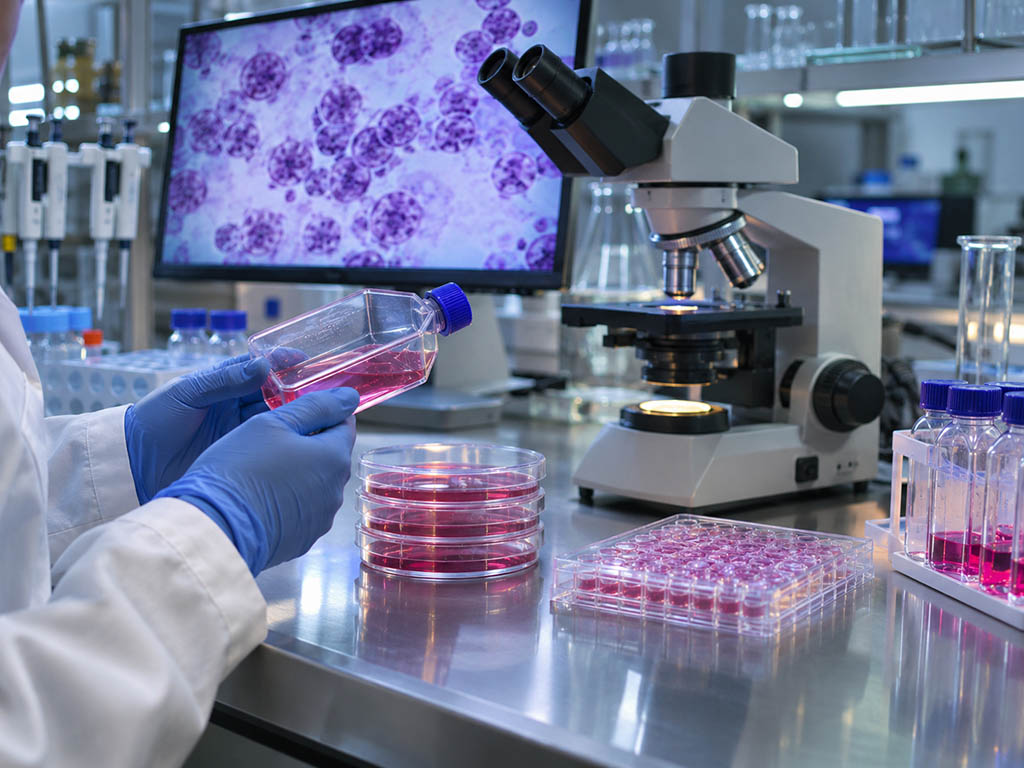
Medical breakthroughs often begin with discoveries that happen long before a treatment reaches patients. Behind many advances in immunology, cancer research, and drug development are laboratory studies that help scientists understand how human cells behave.
One particularly valuable tool in this process is the THP-1 cell line. Although unfamiliar to most people outside the scientific community, these cells have become an established model for investigating immune responses, inflammation, and disease.
Understanding their role offers an interesting insight into how laboratory research contributes to modern medicine.
What Are THP-1 Cells?
THP-1 cells are a human cell line originally developed from the blood of a child diagnosed with acute monocytic leukemia in 1980. They resemble monocytes, a type of white blood cell that plays an important role in protecting the body against infections.
One of their most useful characteristics is their ability to develop into macrophage-like cells under controlled laboratory conditions. Macrophages are immune cells responsible for identifying and engulfing harmful microorganisms, removing damaged cells, and helping regulate inflammation.
By studying the THP-1 cell line, researchers can investigate these processes without repeatedly collecting fresh human blood samples. Their ability to grow under controlled conditions also makes them useful for experiments requiring consistent cellular models.
Investigating Inflammation and Immune Responses
Inflammation is a natural defence mechanism that helps the body respond to infections and injuries. However, excessive or prolonged inflammation can contribute to several health conditions. Researchers use THP-1 cells to investigate how immune cells respond to different substances and environmental conditions.
For instance, scientists can expose these cells to inflammatory stimuli and examine the resulting changes in cellular activity. This can help researchers explore signalling pathways involved in immune regulation and identify biological mechanisms that may eventually become targets for new treatments.
Such investigations are relevant to research into inflammatory disorders, metabolic conditions, and other diseases involving immune system dysfunction.
Supporting Cancer Research
THP-1 cells also have applications in cancer research because they originate from a patient with leukemia. Scientists can use them to investigate certain aspects of leukemia cell biology, including cellular growth, differentiation, and responses to experimental compounds.
They can also provide insights into how immune-related mechanisms influence cancer development and progression. However, laboratory findings must be interpreted carefully. THP-1 cells cannot reproduce every characteristic of human cancer or the complex interactions occurring inside the body.
Results therefore require further investigation using additional experimental models.
Helping Scientists Evaluate Potential Treatments
Before new medicines can be considered for human trials, researchers need to understand how candidate compounds interact with biological systems.
THP-1 cells can contribute to early-stage investigations by helping scientists assess:
Changes in inflammatory signalling.
Cellular responses to experimental compounds.
Potential effects on immune cell activity.
Mechanisms involved in cellular toxicity.
These experiments can help researchers decide which compounds deserve further investigation, although cell-based findings alone cannot establish whether a treatment will be safe or effective in patients.
Recognising the Limitations of Cell-Based Research
Despite their usefulness, THP-1 cells are not identical to healthy human monocytes. Their cancer-derived origin and differences in receptor expression mean that certain immune responses may not accurately reflect those of primary human cells.
Researchers must therefore consider experimental conditions, cell differentiation methods, and the limitations of their chosen model. Combining THP-1 experiments with primary cell studies and other research approaches can strengthen the reliability of scientific findings.
The Continuing Importance of Laboratory Models
THP-1 cells demonstrate how established laboratory tools continue to support medical discovery. By allowing scientists to investigate immune behaviour, inflammation, and cellular responses under controlled conditions, they contribute to the early stages of understanding disease.
Although discoveries made using these cells require extensive further validation, their role in biomedical research remains valuable as scientists work towards developing safer and more effective treatments.