Pain care has changed profoundly in the past decade. The old defaults of surgery first and opioids freely are giving way to something smarter. Modern practices treat chronic pain as a complex, whole-person problem. The goal is lasting function, not a quick chemical mask.
That shift favors multidisciplinary, non-surgical care built around the individual. Practices like Core Medical & Wellness reflect this model, combining several disciplines under one plan. This guide covers why the field moved on, what modern care involves, how a plan comes together, and how patients can engage with it.
Why Did Pain Care Move Beyond Surgery and Opioids?
The reasons are both clinical and human. Surgery carries real risk and does not always resolve chronic pain. Opioids, once prescribed freely, brought a well-documented crisis of dependence. US opioid prescriptions peaked at more than 250 million a year before the reckoning forced a rethink. Together, those lessons pushed medicine toward safer, more sustainable paths.
Several forces drove the change:
Risk. Surgery is not always the best first move.
Dependence. Opioid overuse caused lasting harm.
Evidence. Multimodal care shows strong results.
Function. The goal shifted to living well, not just numbing.
Exploring opioid-free approaches is now central to responsible practice, not a fringe idea. The field learned the hard way that masking pain and treating it are different things. Modern care aims squarely at the latter, and measures success by function regained.
What Does Modern Pain Care Involve?
Today’s approach draws on several disciplines at once. Rather than a single tool, patients get a coordinated toolkit. Each element targets a different piece of the pain puzzle. The combination is what makes it effective, since chronic pain rarely has just one cause. Treating only one part usually leaves the rest to flare again.
Chronic pain affects roughly 1 in 5 adults, and multimodal programs help a large share of them regain real function.
A modern plan may include:
Physical therapy. Rebuilding strength and mobility.
Interventional care. Targeted, minimally invasive treatments.
Lifestyle support. Nutrition, sleep, and movement.
Mind-body methods. Managing the stress that amplifies pain.
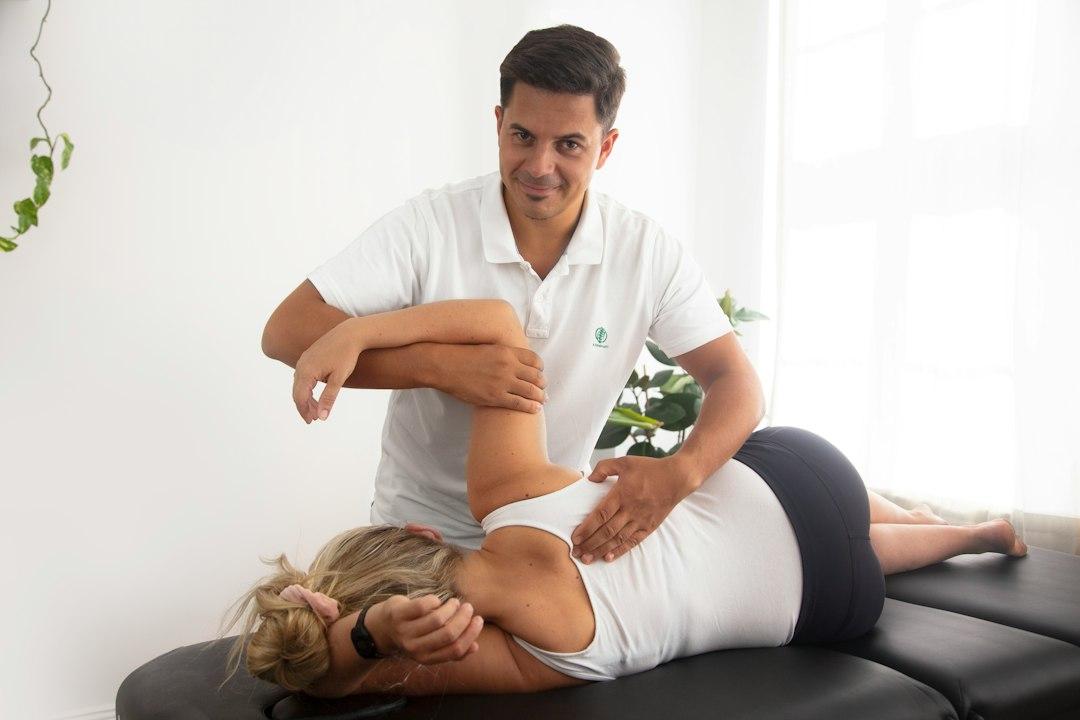
An integrative view recognizes that body and mind are not separate systems. Evidence-based options such as spinal manipulation therapy now sit comfortably alongside conventional medicine. The result is care that fits the patient rather than the other way round.
How Does a Treatment Plan Come Together?
A good plan starts with a genuine diagnosis, not a default prescription. The clinician maps the source, the history, and the patient’s goals. From there, treatments are layered and adjusted over time. It is a process, not a one-off fix.
The path usually runs like this:
Assess. Pinpoint the real source of pain.
Plan. Combine treatments around the person.
Review. Track progress and adjust.
Equip. Teach patients to manage day to day.
Even everyday tools like over-the-counter pain relievers have a place when used correctly within a wider plan. Detailed guides to multimodal pain management care show how the pieces fit together, while practical strategies for managing chronic pain help patients apply them between visits. The art lies in sequencing and combining, not in any single intervention. A typical plan may layer 3 or 4 complementary treatments and adjust them over several weeks. Regular review keeps the plan honest and responsive.
How Can Patients Engage With This Care?
Patients are partners in modern pain care, not passive recipients. The more engaged they are, the better the outcomes tend to be. That means asking questions and following through between visits. Good care is collaborative by design.
Patients get the most by:
Asking questions. Understand each part of the plan.
Being honest. Report what helps and what does not.
Following through. Consistency drives results.
Sharing history. Full context sharpens the plan.
This article is general education, not medical advice, and every case is different. Anyone in chronic pain should consult a qualified practice for a personalized plan. Approached as a partnership, modern pain care offers real, durable relief for many.
Care Built Around the Whole Patient
The move away from surgery-first and opioid-heavy pain care marks real progress in medicine. Modern practices diagnose carefully, then combine physical therapy, interventional treatments, lifestyle support, and mind-body methods into one coordinated plan. Patients who engage actively, ask questions, and follow through tend to see the best results. None of this is medical advice, and every plan should come from a qualified practice.
Built around the whole patient, non-surgical pain management offers a safer, more lasting path out of chronic pain. It asks more of both clinician and patient than a quick prescription, but the results tend to justify the effort. For many people living with pain, that shift has been genuinely life-changing.
Frequently Asked Questions
Is Non-Surgical Pain Management as Effective as Surgery?
For many chronic pain conditions, yes, and it avoids surgical risk. Modern multidisciplinary care often achieves strong, lasting results by combining physical therapy, targeted treatments, and lifestyle support. Surgery still has its place for specific problems, but it is no longer the automatic first step. A good practice reserves it for cases where less invasive options are not enough.
Why Are Doctors Moving Away From Opioids?
Because the risks of long-term opioid use, including dependence, became painfully clear. While opioids can play a limited, carefully managed role, relying on them masks pain rather than treating its cause. Modern care favors approaches that restore function and carry less risk. The shift reflects hard lessons and a stronger evidence base for multimodal treatment.
What Does “Multidisciplinary” Actually Mean?
It means several types of care working together under one coordinated plan. That might combine physical therapy, interventional treatments, nutrition and lifestyle guidance, and mind-body techniques. Rather than one specialist working in isolation, the disciplines complement each other. This coordinated approach tends to address chronic pain more completely than any single treatment used alone.
How Do I Start With a Pain Management Practice?
Begin with an assessment, where a specialist diagnoses the source of your pain and discusses your goals. From there, they build a plan tailored to you and adjust it over time. Come prepared with your history and questions. Engaging actively and following through between visits is what turns a good plan into real, lasting relief.