Sports Medicine Athlete Health Doctor Guide: The 2026 Fitness Veteran’s Playbook for Injury Prevention, Smarter Recovery, and Knowing When You Need a Specialist
Introduction: Thirty Years in the Gym Taught Me What a Doctor’s Office Confirmed
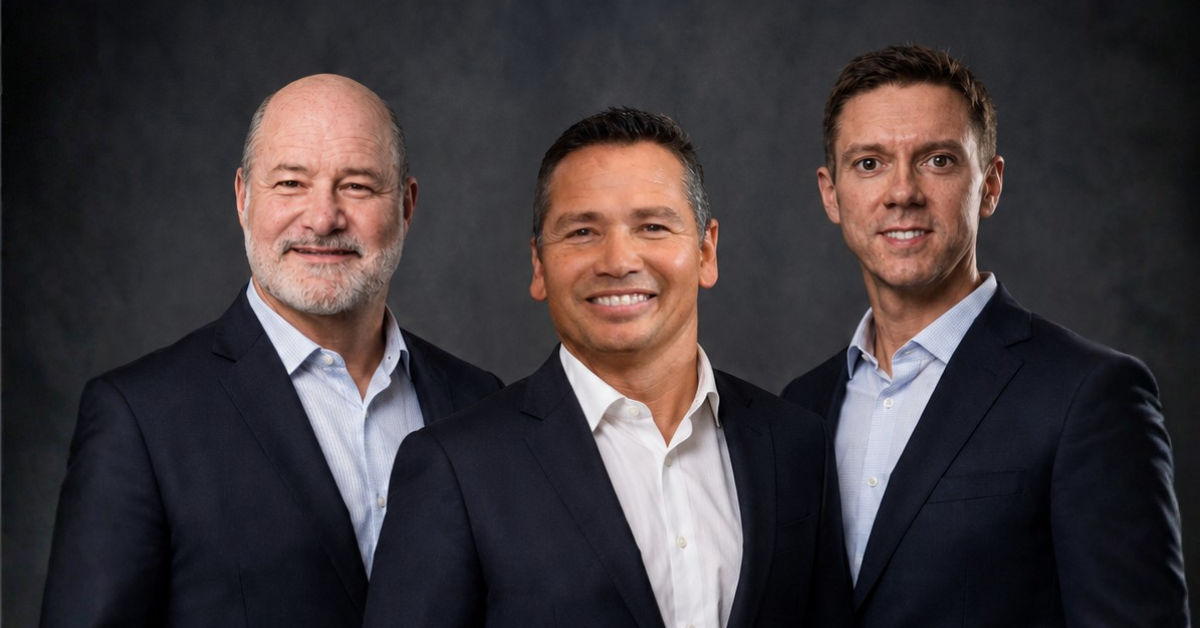
Rob Fletcher, Business Director at Top Doctor Magazine, has spent more than 30 years immersed in health, fitness, and martial arts. That journey taught him plenty about discipline, adaptation, and pushing through. It also taught him something less comfortable: there are limits to self-coaching, and there is real value in sports medicine expertise that no amount of gym experience can replace.
This is not a textbook definition of sports medicine. It is a fitness insider’s playbook for using sports medicine principles to train smarter, recover faster, and stay active for life. The stakes are not abstract. Roughly 8.6 million sports-related injuries are reported in the United States each year, and emergency departments treated 4.4 million people for sports and recreational injuries in 2024 alone, a 17% increase from the prior year.
This guide covers five major themes: understanding sports medicine’s modern scope, the landmark 2026 ACSM resistance training guidelines, AI-powered injury prevention, the sports medicine versus orthopedic surgeon decision, and the underserved pillars of mental health and recovery. The tone throughout is credible, conversational, and grounded in both lived experience and current clinical evidence.
What Sports Medicine Actually Is in 2026 (And Why It’s Not Just for Pro Athletes)
Modern sports medicine has expanded far beyond treating injuries. In 2026, it encompasses biomechanics, nutrition, psychology, load management, and long-term musculoskeletal health. It is a holistic model now standard in both elite and recreational athlete care.
At the center is the sports medicine physician, a non-surgical specialist focused on diagnosis, non-surgical treatment, injury prevention, rehabilitation, and return-to-play decisions. According to the Cleveland Clinic, these physicians treat athletes and non-athletes alike, specializing in the musculoskeletal system without performing surgery.
Sports medicine serves nearly everyone who moves. Physicians work at the youth, NCAA, NFL, NBA, MLB, WNBA, MLS, NHL, and Olympic levels, but they also treat weekend warriors, industrial athletes, and aging active adults.
The credibility of the specialty comes from a demanding training pathway: medical school (MD or DO), residency, a one- to two-year sports medicine fellowship, and board certification through a Certificate of Added Qualification (CAQ) in Sports Medicine.
The market reflects rising demand. The global sports medicine market is projected to grow from $8.6 billion in 2022 to $15.6 billion by 2032, driven by rising sports participation, an aging active population, and advances in rehabilitation technology.
Fletcher’s perspective is straightforward: the first time a sports medicine physician identified a movement fault that years of self-training had missed, it reframed everything. Even experienced fitness veterans benefit from an expert set of eyes.
The 2026 ACSM Resistance Training Guidelines: What Every Fitness Veteran Needs to Know
In March 2026, the American College of Sports Medicine (ACSM) published its first major resistance training guidelines update in 17 years. The 2026 ACSM Position Stand synthesized 137 systematic reviews covering more than 30,000 participants, making it the most comprehensive evidence-based guidance ever produced on the subject.
The headline finding is refreshingly direct: any amount of resistance training improves strength, muscle size, power, and physical function. Consistency beats complexity.
Training all major muscle groups at least twice a week is the foundational recommendation, regardless of experience level or age.
For the fitness veteran, these guidelines validate certain long-held instincts while challenging others. Complicated programming often matters less than showing up consistently. As the body ages, evidence-based adjustments become more important, not less.
The injury prevention connection is clear. Aligning training volume and frequency with evidence-based recommendations reduces overtraining risk and supports musculoskeletal longevity.
The practical takeaway: train all major muscle groups at least twice weekly, scale back excessive volume that produces diminishing returns, and stop equating complexity with effectiveness.
Training Load, Overtraining, and the Metrics That Matter
One of the most useful physician tools is the acute-to-chronic workload ratio, which compares recent training loads to longer-term averages to flag overtraining risk. Once confined to elite performance labs, this metric is now accessible to recreational athletes through consumer wearables.
Overtraining Syndrome (OTS) is a complex biopsychosocial condition. Its neurobiological mechanisms overlap substantially with major depressive disorder, yet it remains clinically underdiagnosed. Fitness veterans often rationalize away the warning signs: persistent fatigue, declining performance, mood disturbances, and increased injury frequency.
The American Academy of Pediatrics policy statement confirms that overtraining results in decreased performance, increased injury and illness risk, and disruption of the endocrine, neurologic, cardiovascular, and psychological systems.
Fletcher has experienced this firsthand. Recognizing overtraining in his own history and consulting a sports medicine physician about it reshaped his approach to periodization and recovery. The lesson: use training load data, whether from a physician’s assessment or a consumer wearable, to make smarter programming decisions before an injury forces the issue.
AI Wearables and the Future of Injury Prevention
AI-powered wearables now enable continuous, multidimensional athlete monitoring, tracking heart rate variability, muscle activity, hydration, sleep quality, and biomechanics. According to peer-reviewed research in Frontiers in Artificial Intelligence, AI and wearables have reshaped athlete monitoring by enabling earlier identification of maladaptive patterns and more informed return-to-play decisions.
For everyday athletes, consumer-grade smartwatches, fitness trackers, and HRV monitors can realistically flag trends in recovery status, sleep debt, and cumulative load, offering early signals of injury risk.
Researchers describe an emerging AIoT framework: a shift from reactive sports medicine toward proactive, personalized, and longitudinal care using AI of Things and wearable sensing.
Wearables cannot replace clinical assessment, physician judgment, or the biomechanical expertise of a trained sports medicine professional. Fletcher’s approach is practical: he uses wearable data to inform training decisions, but when the data consistently signals a problem that cannot be self-corrected, that is the cue for a conversation with a sports medicine physician.
Hyper-Personalized Recovery: Beyond Ice Packs and Rest Days
Recovery has evolved dramatically. Advanced sports medicine clinics now offer hyper-personalized protocols based on genetic testing, microbiome analysis, and metabolic profiling. This enables tailored anti-inflammatory diets, targeted supplement regimens, and individualized training plans that account for each athlete’s unique biology.
Sleep and stress are now recognized as measurable, modifiable risk factors for musculoskeletal injury. Inadequate sleep and elevated psychological stress are not soft variables; they are legitimate injury predictors.
Regenerative therapies have also matured. Evidence cited from Mayo Clinic, Yale Medicine, and the American Orthopaedic Society for Sports Medicine indicates that PRP and mesenchymal stem cell (MSC) injections can enable athletes to return to play 30 to 50% faster than conventional rehabilitation alone.
An honest evidence assessment remains essential. Some interventions are well-supported clinically, while others remain experimental. Readers should approach clinic-marketing claims with skepticism and ask physicians what the evidence actually supports.
Fletcher’s recovery philosophy has evolved across three decades. What once relied purely on intuition and experience is now supplemented by tools that measure what he used to only feel. Athletes looking for evidence-based recovery approaches may also find value in exploring cold plunge and ice bath health benefits as part of a broader regenerative toolkit.
Biomechanics and Movement Quality: The Injury Prevention Layer Most Athletes Skip
Biomechanical assessment is a cornerstone of modern sports medicine injury prevention, not merely a post-injury diagnostic tool. One compelling data point: female athletes are 2 to 8 times more likely to sustain ACL injuries than males, a disparity that biomechanical screening and targeted neuromuscular training can significantly reduce.
A clinical biomechanical assessment may involve movement screening, gait analysis, force plate testing, and video-based motion capture. These tools are now available in many clinical settings.
A persistent research-to-practice gap remains. Athletes, coaches, and organizations often struggle to implement evidence-based prevention measures sustainably, despite strong supporting evidence.
Fitness veterans and weekend warriors do not need a full clinical assessment to start. Fundamental movement quality checks covering symmetry, control, and pain-free range of motion can reveal red flags worth a professional evaluation.
On the horizon, February 2026 research identified HIF1 as a potential trigger behind painful tendon injuries such as jumper’s knee and tennis elbow, opening new avenues for targeted prevention.
Mental Health and the Athlete: The Pillar Sports Medicine Is Finally Taking Seriously
Systematic reviews confirm anxiety, depression, and distress rates of 20 to 35% in high-performance athletes, particularly around injury, deselection, or career change. According to research in the Annals of Medicine and Surgery, mental health is a critical but historically underserved pillar of sports medicine.
The screening gap is striking. The USOPC reports that current mental health screening tools (SMHAT-1) have false-negative rates up to 63% for some conditions among Team USA athletes, meaning the true scope of the problem is likely larger than reported.
Psychological distress, fear of re-injury, and identity disruption following injury are clinically recognized barriers to full recovery and return to play. Because OTS overlaps neurobiologically with major depressive disorder, it is routinely missed in both clinical settings and self-diagnosis.
Fletcher speaks candidly on this point: the mental and emotional dimensions of long-term training are rarely discussed openly in fitness culture. Understanding what are the benefits of mental fitness is a performance decision, not a sign of weakness. Integrated care models with embedded mental health professionals in performance programs are changing outcomes.
Sports Medicine vs. Orthopedic Surgeon: The Decision Tree Every Active Adult Needs
The fundamental distinction is straightforward. Sports medicine physicians are non-surgical specialists; orthopedic surgeons handle cases requiring surgical intervention. Understanding this distinction saves time, money, and unnecessary procedures. As Baptist Health clarifies, sports medicine physicians are non-operative specialists, while surgeons handle referred cases.
The decision framework from the athlete’s perspective:
- Start with sports medicine for most musculoskeletal complaints: sprains, strains, tendinopathies, stress fractures, overuse injuries, concussion management, and return-to-play clearance.
- Escalate to orthopedic surgery when structural damage requires repair: complete ligament tears such as ACL ruptures, severe fractures, joint replacements, and cases where conservative management has failed.
Sports medicine physicians frequently serve as the gateway to orthopedic surgery, providing a non-surgical trial and referring when surgery becomes the appropriate next step. Encouragingly, roughly 90% of athletes successfully return to play after ACL reconstruction.
Fletcher’s guidance for navigating the system: ask which conservative options exist first, understand what red flags warrant urgent evaluation, and advocate for a second opinion before accepting a surgical recommendation.
Special Populations: Youth Athletes, Masters Athletes, and the Full Fitness Lifespan
Youth athletes face particular risks. Over 50% of sports-related injuries in pediatric sports medicine stem from overuse, and approximately 2.6 million children and adolescents suffer sports-related injuries annually, leading to over 775,000 emergency room visits.
The unique risks for young athletes include growth plate vulnerabilities, early sport specialization dangers, and the burnout-overtraining cycle that sports medicine is specifically trained to identify and interrupt.
The same principles that protect elite athletes apply directly to masters athletes and aging active adults over 40 who want to remain competitive and injury-free. The sports medicine market’s growth is partly driven by an aging but active population, and the specialty is built to serve them.
The 2026 ACSM guidelines reinforce that resistance training’s benefits are confirmed across all age groups. It is never too late to start and never too early to train smart.
Fletcher’s lifespan perspective, earned across more than 30 years, comes down to adapting, listening to the body, and recognizing that professional guidance is often the smartest performance investment available. The intersection of sport and science is also explored in depth in this look at biotech and Brazilian jiu-jitsu, which speaks directly to the balance many active adults seek.
How to Find and Work With a Sports Medicine Physician: A Fitness Veteran’s Practical Guide
When selecting a physician, look for CAQ board certification, fellowship training, experience with the athlete’s specific sport or activity, and a philosophy oriented toward keeping patients active rather than defaulting to rest.
At a first appointment, expect a comprehensive history, a movement and biomechanical assessment, imaging if warranted, and a collaborative discussion about training goals rather than injury management alone.
To prepare, bring training logs, wearable data, a clear description of symptoms and their relationship to training load, and specific performance goals.
The physician-athlete relationship works best as an ongoing partnership. Regular check-ins, pre-season assessments, and load management consultations are all legitimate, proactive uses of sports medicine expertise.
Telehealth and AI-integrated platforms are expanding access to sports medicine beyond major metropolitan areas, bringing remote monitoring and expert guidance to more athletes.
Fletcher’s insider advice: build a sports medicine relationship before injury strikes. It is one of the smartest investments an active adult can make.
Conclusion: Staying in the Game for Life
Sports medicine is not a reactive emergency resource. It is a proactive, evidence-based framework for training smarter, recovering faster, and extending athletic longevity. The 2026 landscape offers tools unavailable even a decade ago: the landmark ACSM resistance training guidelines, AI wearables, hyper-personalized recovery protocols, and integrated mental health care.
Fletcher’s 30-plus years in fitness culture reinforced one lesson above the rest: knowing when to seek expert guidance beats pushing through alone. The evidence exists. The real barrier is implementation, and closing that research-to-practice gap for everyday fitness enthusiasts is the central purpose of this guide.
Staying in the game for life is not about avoiding challenge. It is about training with intelligence, recovering with intention, and building the right professional relationships to support both.
Take the Next Step: Your Sports Medicine Action Plan
- Explore the content library. Dive into Top Doctor Magazine’s sports medicine and athlete health content for ongoing, expert-backed guidance.
- Nominate an outstanding physician. Recognize a sports medicine professional making a difference in athlete health through the Top Doctor Magazine Awards program.
- Subscribe to the newsletter. Get the latest in sports medicine, fitness science, and athlete health delivered biweekly to your inbox.
- Join the conversation. Share sports medicine experiences, including what worked, what you wish you had known sooner, and questions for future articles.
- Listen and learn. Tune in to the Top Doctor Magazine Podcast, hosted by Rob Fletcher, for deeper conversations with sports medicine physicians, fitness experts, and health innovators.