
For generations, athletic performance has been measured by visible effort: the weight lifted, the miles logged, the hours practiced, and the willingness to push through discomfort. Recovery was often treated as what happened after the real work was done. Alex Guerrero, Dr. Peter Cummings, and Dr. Patrick Porter are advancing a very different idea: that recovery is not the pause between periods of performance. It is the biological foundation that makes sustainable performance possible.
Their emerging collaboration brings together the TBRx Method and BrainTap in an integrated model designed to support both physical and neurological recovery. Guerrero contributes more than three decades of practical experience helping elite athletes and other high performers move better, recover more efficiently, and extend their productive years. Cummings, a physician and neuroscientist, provides the medical framework connecting movement, cognition, stress, and resilience. Porter, the founder and Chief BrainTap Officer at BrainTap, brings a technology platform focused on brain fitness, relaxation, sleep, mental rehearsal, and cognitive performance.
Although their careers began in different arenas, all three men arrived at the same conclusion: the brain and body cannot be optimized separately. Their shared endeavor aims to create a more complete recovery ecosystem—one that can serve elite competitors while also helping everyday people preserve their healthspan, independence, and ability to do what they love.
Recovery Becomes the Starting Point
Guerrero’s philosophy began with a deceptively simple observation. The athletes who performed at the highest level were not always those who trained the most; they were often those who recovered the best. Training provides the stimulus, but adaptation takes place during recovery. Once he recognized that pattern, recovery ceased to be an afterthought and became the organizing principle of performance.
That insight influenced the performance philosophy that became widely known through the TB12 Method. Today, as co-founder of TBRx Sports, Guerrero is helping evolve those principles into the TBRx Method, an approach centered on movement quality, nutrition, hydration, recovery, sleep, and nervous-system optimization. The fundamentals remain recognizable, but the model has expanded as science has clarified the brain’s role in regulating movement, stress, decision-making, sleep, and adaptation.
“The body doesn’t adapt while you’re training. It adapts while you’re recovering.”— Alex Guerrero |
Guerrero’s work with Tom Brady offered a highly visible demonstration of the philosophy, but he emphasizes that the lesson extends far beyond professional sports. What appeared on Sundays was supported by the decisions made Monday through Saturday: recovery, hydration, movement, sleep, and consistent preparation. Elite athletes may schedule recovery because their careers depend upon it, but the same biology applies to executives, parents, musicians, active adults, and anyone who wants to remain capable throughout life.
For Guerrero, consistency is more powerful than occasional intensity. One perfect workout or one flawless day of nutrition does not create longevity. Repeated decisions do. That shift from dramatic effort to sustainable daily practice is central to TBRx and to the partnership now taking shape with BrainTap.

Where Practical Experience Meets Neuroscience
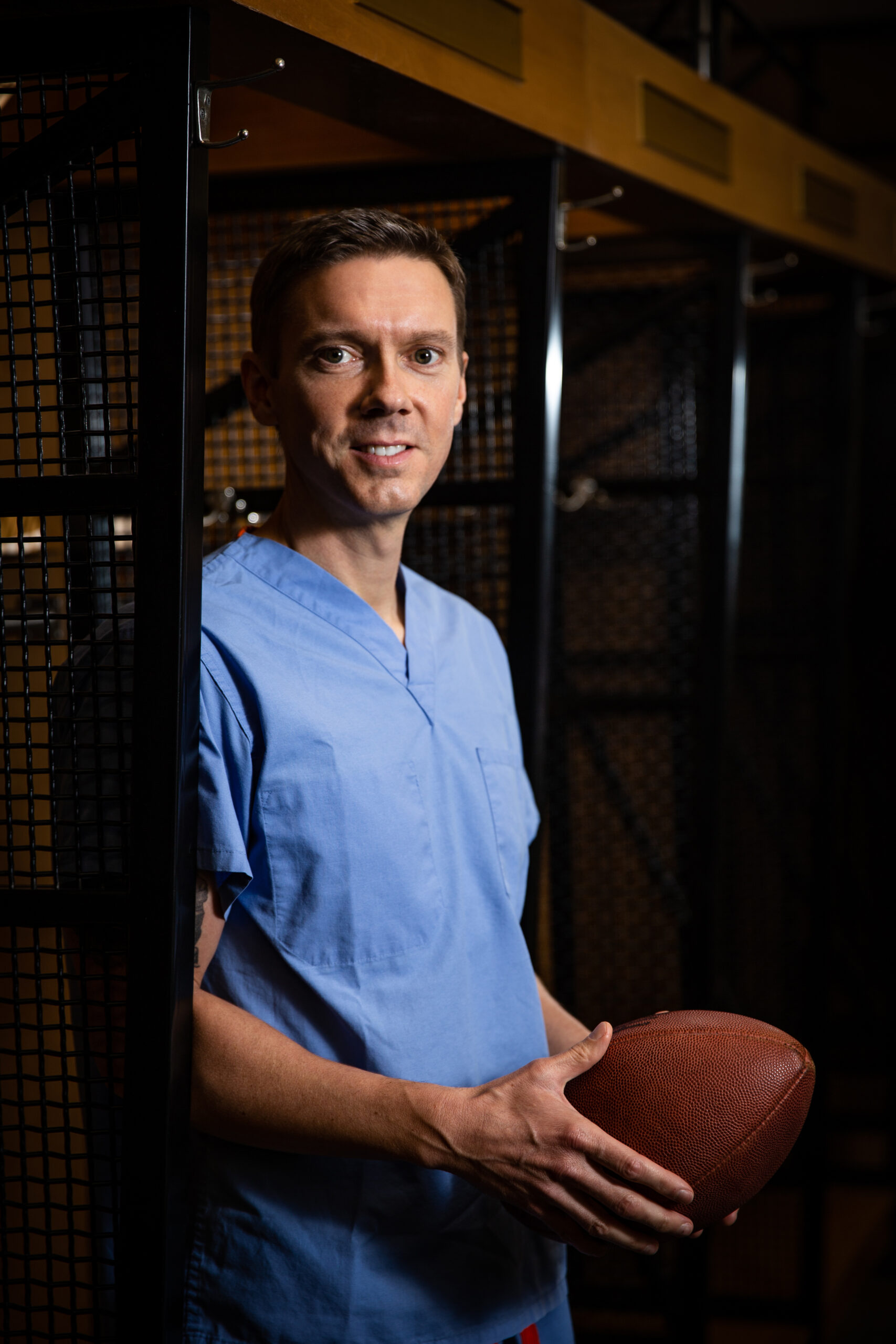
Dr. Peter Cummings came to human performance through medicine, forensic pathology, neuroscience, and the study of movement. His research has examined how the brain controls balance, coordination, prediction, and motor function. As a football coach, he also began noticing subtle changes in athletes’ gait mechanics that seemed to emerge before injuries, suggesting that movement could reveal problems before pain or structural damage became obvious.
While writing about concussion, Cummings learned of Guerrero’s work and became intrigued not only by the reported outcomes, but by the larger philosophy surrounding health, recovery, and performance. Their relationship grew from mutual curiosity. Guerrero had developed an applied understanding from decades of close observation and work with high-performing individuals; Cummings approached many of the same biological questions through medicine and neuroscience. In his words, they were speaking different languages while describing the same system.
That complementary perspective became a foundation of TBRx. Guerrero brings the practical knowledge of what has worked repeatedly in demanding real-world environments. Cummings helps explain why it works, placing those observations within a framework of neural control, stress physiology, movement science, and evidence-based medicine. Together, they seek to optimize the whole person rather than chase isolated symptoms.
“We want to help people do what they love for as long as possible.”— Dr. Peter Cummings |
Cummings often describes the brain as the true battlefield of performance. The competition may appear to take place on a field or court, but every movement, prediction, decision, and emotional response is coordinated by the nervous system. Physical strength matters, yet the athlete who processes information faster, recognizes patterns sooner, regulates stress more effectively, and recovers more fully may possess the deeper advantage.
This principle also reframes longevity. TBRx is not concerned only with producing champions or extending careers at the highest level. Cummings and Guerrero speak of creating ‘elite parents and elite grandparents’—people able to hike, play golf, chase children, lift grandchildren, and remain engaged in meaningful activities as they age. The relevant measure is not only lifespan, but healthspan: the years lived with mobility, confidence, independence, and purpose.
Bringing the Brain Fully Into Recovery
Dr. Patrick Porter has spent his career focused on the neurological side of performance. As founder and Chief BrainTap Officer at BrainTap, he created the company around a mission to ‘better a billion brains.’ BrainTap’s proprietary app and headset technology deliver uniquely encoded audio sessions designed to support relaxation, stress reduction, sleep, cognitive fitness, and performance. The platform includes more than 800 sessions and draws upon guided visualization, breathing, mindfulness, brainwave entrainment, and mental rehearsal.
For Porter, the partnership is a natural extension of TBRx because the nervous system regulates the processes every physical recovery program is trying to influence. Better sleep, improved stress regulation, emotional steadiness, and cognitive recovery can help a person engage more consistently with movement, hydration, nutrition, rehabilitation, and other wellness protocols. In that sense, BrainTap is not intended to replace the physical work of TBRx; it is designed to strengthen the neurological conditions that help that work succeed.
The partners describe the resulting Sports Resilience Series as broader than conventional motivation or visualization. The proposed programming combines mental rehearsal with relaxation, breathing, mindfulness, and neuro-conditioning to support concentration, confidence, sleep quality, emotional regulation, and recovery. The content is informed by Guerrero’s experience with athletes, aligned by Cummings with neuroscience and sports medicine, and delivered through Porter’s BrainTap platform.
The intended audience is equally broad: youth, high-school, collegiate, and professional athletes; coaches and athletic trainers; military personnel; active adults; and clinical patients seeking greater resilience. Specialized programs, including a championship soccer series, are being developed around real performance situations such as recovering after mistakes, maintaining composure under pressure, improving focus, and preparing the nervous system for consistent execution.
“Recovery begins in the nervous system.”— Dr. Patrick Porter |

A Platform for Clinics, Education, and Research
The collaboration is envisioned as more than a collection of audio sessions or an equipment relationship. Its broader ambition is to build an integrated performance and wellness platform that can be used by physicians, therapists, chiropractors, athletic trainers, coaches, sports organizations, and wellness professionals.
For TBRx-certified clinics and BrainTap clinics, the model could combine physical rehabilitation and performance protocols with dedicated cognitive-wellness programming. Practitioners would have access to education, patient-engagement resources, certification opportunities, and specialized Sports Resilience content. Because participants can continue using the app between visits, the platform may also encourage the consistent daily engagement that episodic healthcare often lacks.
Education is another important part of the plan. The team envisions professional development, continuing education, a scalable learning center, and partnerships with universities and research institutions. Academic collaboration could help formalize best practices, support structured training, and contribute to an expanding evidence base. Over time, the partners hope to study how integrated brain-and-body recovery affects stress, sleep, cognition, movement, adherence, and performance across different populations.
The business structure is likewise designed for long-term alignment. Custom educational and performance content can become an ongoing asset, while subscriptions, licensing, certifications, and royalties can support recurring engagement rather than one-time transactions. The stated measure of success, however, reaches beyond headset sales or program enrollment. It includes improved outcomes, stronger participation, an expanding body of educational content, and a model capable of reaching clinics, teams, workplaces, and international audiences.
The Hardware and the Software
The partnership’s central idea may be captured most simply in Guerrero’s comparison: for years, performance specialists have optimized the body’s hardware, while Porter has focused on the brain’s software. Cummings provides the bridge between those worlds, explaining how the nervous system governs movement, recovery, prediction, and adaptation. Together, the three are working toward a system in which physical readiness, cognitive fitness, and emotional resilience reinforce one another.
This integrated view arrives at a moment when human performance is rapidly converging with neuroscience, wearable technology, artificial intelligence, regenerative medicine, and personalized wellness. New tools can produce extraordinary amounts of data, but data alone does not create resilience. The opportunity is to translate science into repeatable daily practices that help people sleep, recover, move, think, and respond to stress more effectively.
For athletes, that may mean clearer decisions under pressure, faster emotional recovery after a mistake, and the ability to sustain performance across a long season. For patients and active adults, it may mean greater consistency, less fear around movement, improved sleep, and more years spent doing the activities that make life meaningful. The same principles serve different definitions of performance.
Guerrero, Cummings, and Porter are ultimately challenging the old assumption that physical performance and mental performance belong in separate categories. Their shared endeavor proposes that the next standard in recovery will begin with the person as a complete system. The body is not merely trained and the brain separately calmed; both are prepared, challenged, and restored together.
That is the larger promise of the TBRx–BrainTap partnership: not simply to help people work harder, but to help them recover intelligently, perform sustainably, and remain capable for the moments that matter most.
About the Experts
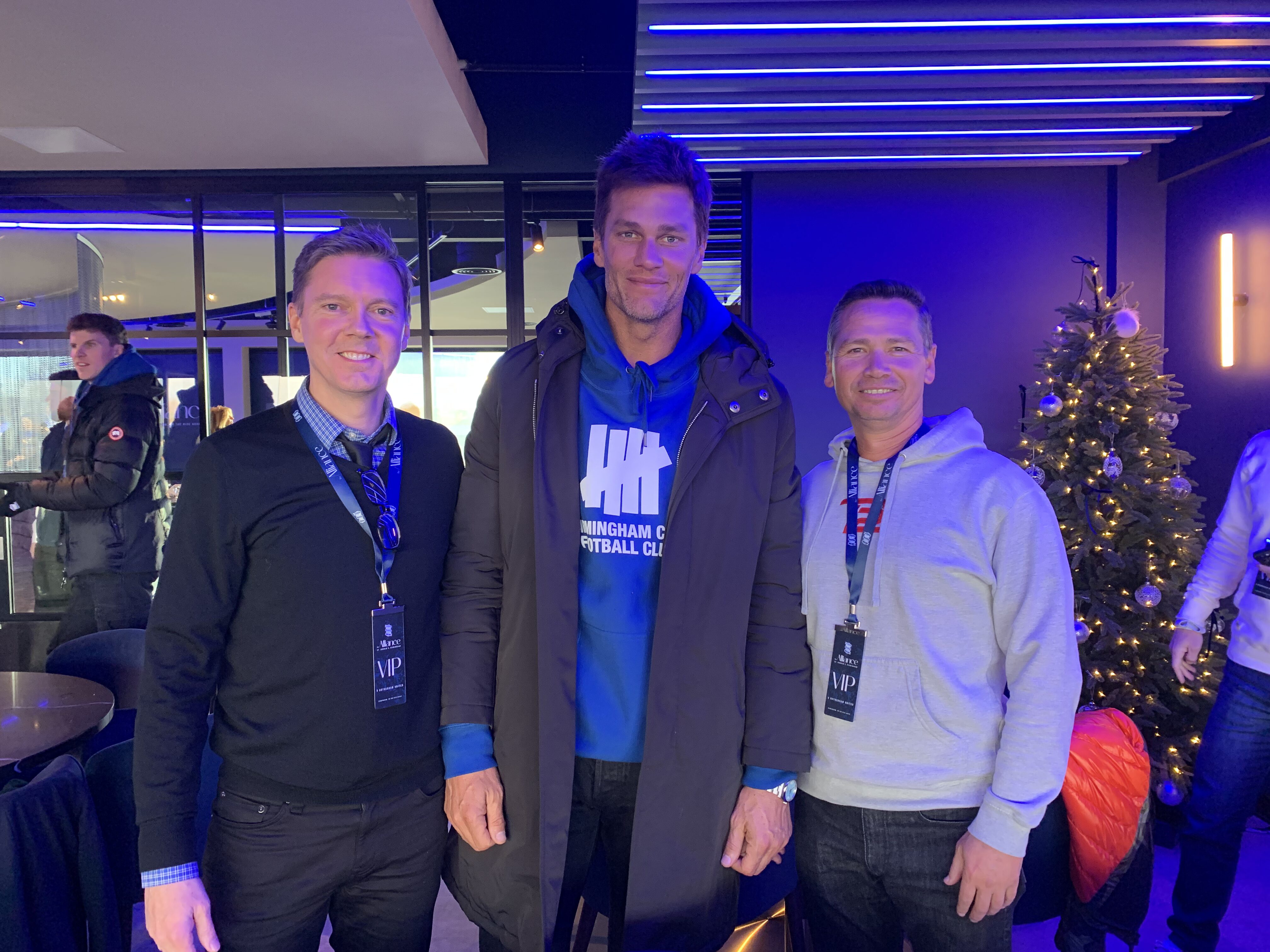
Alex Guerrero is a co-founder of TBRx Sports and a leading specialist in sports recovery, movement optimization, and human performance. Over more than three decades, his work with elite athletes and other high performers has helped advance a recovery-centered approach to longevity and resilience.
Peter Cummings, M.Sc., M.D., is a physician, neuroscientist, educator, and co-founder of TBRx Sports. A triple board-certified physician and former faculty member at Boston University School of Medicine, he has authored two Cambridge University Press textbooks and lectured internationally on neuroscience, forensic medicine, and brain injury.
Patrick K. Porter, Ph.D., is the founder and Chief BrainTap Officer at BrainTap. He is a licensed trainer of neuro-linguistic programming, head of mind-based studies at Quantum University, and the author of six books, including Thrive in Overdrive: How to Navigate Your Overloaded Lifestyle.
About the Authors
Rob Fletcher is a global entrepreneur, publisher, and business strategist focused on health, wellness, and longevity. He is the founder of Longevity Masters Global, an organization dedicated to advancing education, collaboration, and innovation in longevity medicine by connecting world-renowned experts, entrepreneurs, and investors.
Throughout his career, Rob has built an extensive international network across healthcare, media, and business, and is recognized for bringing together influential leaders to accelerate innovation in healthy aging and preventive medicine.
Michele Hughes is the VP of Business Development of Longevity Masters Global, an exciting new startup by Rob Fletcher that is bringing together many of the world’s leading experts in longevity, health optimization, wellness, recovery, and peak human performance.
She is also the visionary founder of Ageless and Timeless and the dynamic host of the Ageless and Timeless Podcast®. As a monthly contributor to TopDoctor Magazine, Michele offers powerful insights on wellness, longevity, and living fully at every stage of life. With a deep passion for health and vitality, and serving as a role model for timeless elegance, she empowers audiences to embrace their highest potential and live with purpose and grace.
The Ageless and Timeless Podcast® was one of only 20 inaugural podcasts selected for the Muscle & Fitness+ platform when it launched in 2023, further expanding Michele’s reach as a trusted voice in the longevity and wellness space.
For more information, to express interest in being a guest on the Ageless and Timeless Podcast®, to be featured in Michele’s TopDoctor Magazine column, or to inquire about podcast collaborations or having Michele Hughes as a guest on your show, please contact:
Email: themichelehughescompany@gmail.com
Website: www.agelessandtimeless.com
Instagram: @agelessandimeless
LinkedIn: https://www.linkedin.com/in/michele-hughes-83a3b935/
Facebook: https://www.facebook.com/michele.hughes.186
Ageless and Timeless podcast, on YouTube, iTunes, Spotify, and wherever podcasts are available.