Naturopathic Medicine Doctor Explained: Inside the Training, Tools, and Philosophy Shaping Modern Natural Care
Introduction: A Different Kind of Doctor’s Visit
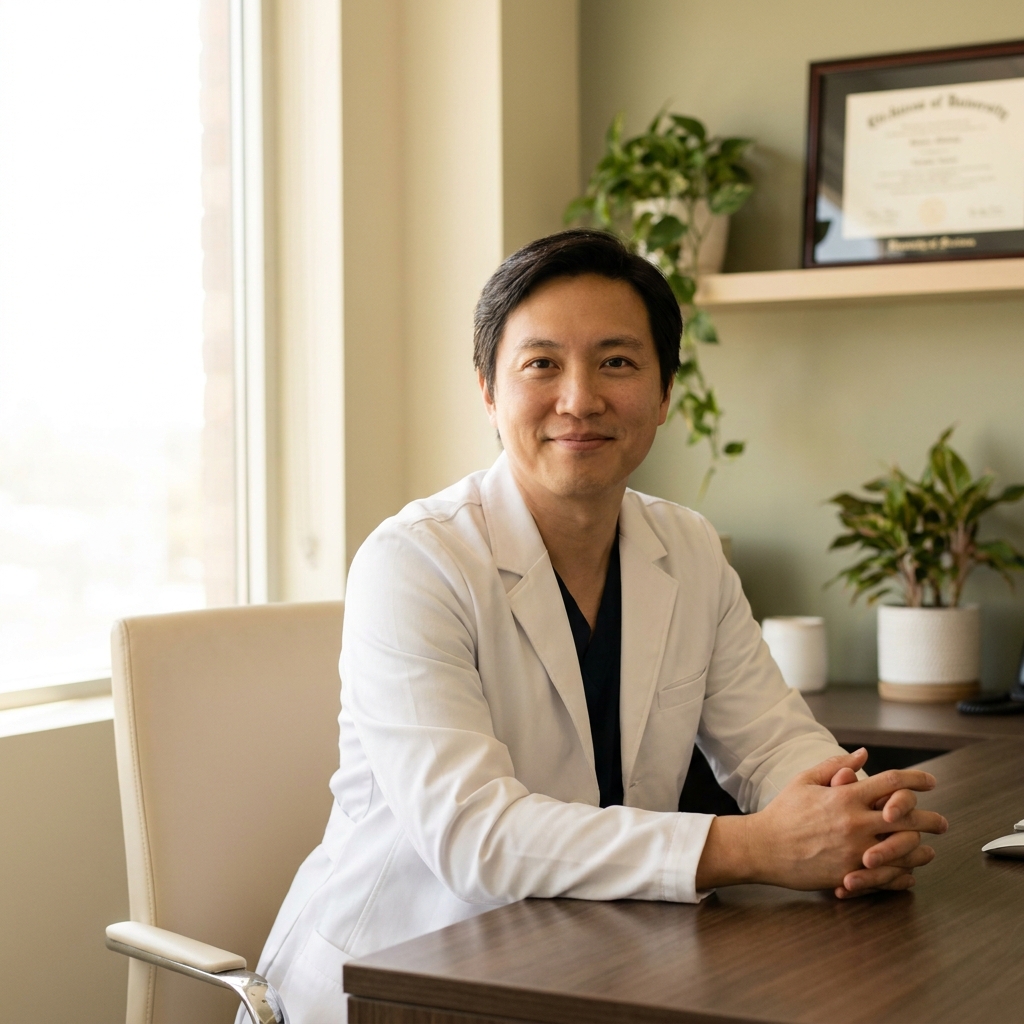
The waiting room looks familiar enough—comfortable chairs, soft lighting, perhaps a few magazines on the side table. But what happens next sets this medical appointment apart from almost any other healthcare experience. Instead of a rushed fifteen-minute consultation, patients meeting with a licensed naturopathic doctor can expect to spend one to two hours in their initial intake. The conversation will cover far more than current symptoms, exploring genetic history, environmental exposures, sleep patterns, stress levels, dietary habits, and emotional wellbeing.
This extended, investigative approach to patient care represents the core of naturopathic medicine—a healthcare profession that has grown into a $37.8 billion global market in 2025, expanding at 8.3% annually. Far from a fringe movement, naturopathic medicine has become a significant force in modern healthcare, with licensed practitioners working alongside conventional physicians in integrative settings across North America.
This article explores three essential questions: What does it actually take to become a licensed naturopathic doctor? How can patients distinguish between credentialed practitioners and unlicensed alternatives? And how are naturopathic doctors and medical doctors reshaping primary care together in 2026?
What Is a Naturopathic Medicine Doctor?
A naturopathic medicine doctor—credentialed as ND or NMD—is a licensed healthcare professional who combines modern scientific knowledge with traditional and natural healing approaches. This is not simply an alternative to conventional medicine but rather a distinct medical discipline with its own rigorous educational standards, licensing requirements, and clinical protocols.
The ND credential represents a Doctor of Naturopathic Medicine degree, earned after completing a four-year graduate-level program at an accredited naturopathic medical school following a bachelor’s degree. This educational pathway totals six to eight years before a practitioner can become licensed—comparable in duration to the training required for medical doctors and doctors of osteopathy.
The World Health Organization officially recognizes naturopathic medicine as a distinct system of traditional and complementary medicine. In the United States, the profession operates under six core principles formally adopted by the American Association of Naturopathic Physicians in 1989—principles that shape every clinical decision and patient interaction.
The Six Principles: The Philosophy That Shapes Every Patient Encounter
What distinguishes naturopathic practice from conventional medicine extends beyond treatment methods to a fundamentally different philosophical framework. These six principles serve not as abstract ideals but as a living clinical guide.
First Do No Harm (Primum Non Nocere): Naturopathic doctors prioritize the least invasive, least toxic interventions first. This principle manifests through the Therapeutic Order, a treatment sequencing framework that guides practitioners to begin with foundational interventions before escalating to more aggressive approaches.
The Healing Power of Nature (Vis Medicatrix Naturae): The body possesses an inherent ability to heal itself. The naturopathic doctor’s role is to identify and remove obstacles to that healing process while supporting the body’s natural restorative mechanisms.
Identify and Treat the Causes (Tolle Causam): Rather than suppressing symptoms, naturopathic doctors investigate underlying causes. A patient presenting with chronic fatigue, for example, might receive a comprehensive evaluation exploring thyroid dysfunction, nutrient deficiencies, sleep disorders, or adrenal function—rather than simply receiving a prescription for stimulants.
Doctor as Teacher (Docere): Naturopathic doctors dedicate significant time to patient education, empowering individuals to make informed decisions about their health. This educational emphasis aligns with the broader healthcare movement toward patient-centered care.
Treat the Whole Person: Physical, mental, emotional, genetic, environmental, and social factors all receive consideration in diagnosis and treatment planning.
Prevention: Naturopathic medicine emphasizes proactive health maintenance over reactive disease management. A 2025 NIH-published paper explored integrating naturopathy with modern medicine specifically as a preventive, personalized healthcare approach.
Inside the Training: What It Takes to Earn the ND Credential
The educational rigor required to become a licensed naturopathic doctor often surprises those unfamiliar with the profession. ND programs require a minimum of 4,100 hours of classroom and clinical instruction across four years of graduate-level study—comparable in scope to MD and DO programs.
The Council on Naturopathic Medical Education serves as the only agency recognized by the U.S. Department of Education to accredit naturopathic doctoral programs. All CNME-accredited programs are campus-based and cannot be completed entirely online—a critical distinction that separates licensed practitioners from unlicensed alternatives.
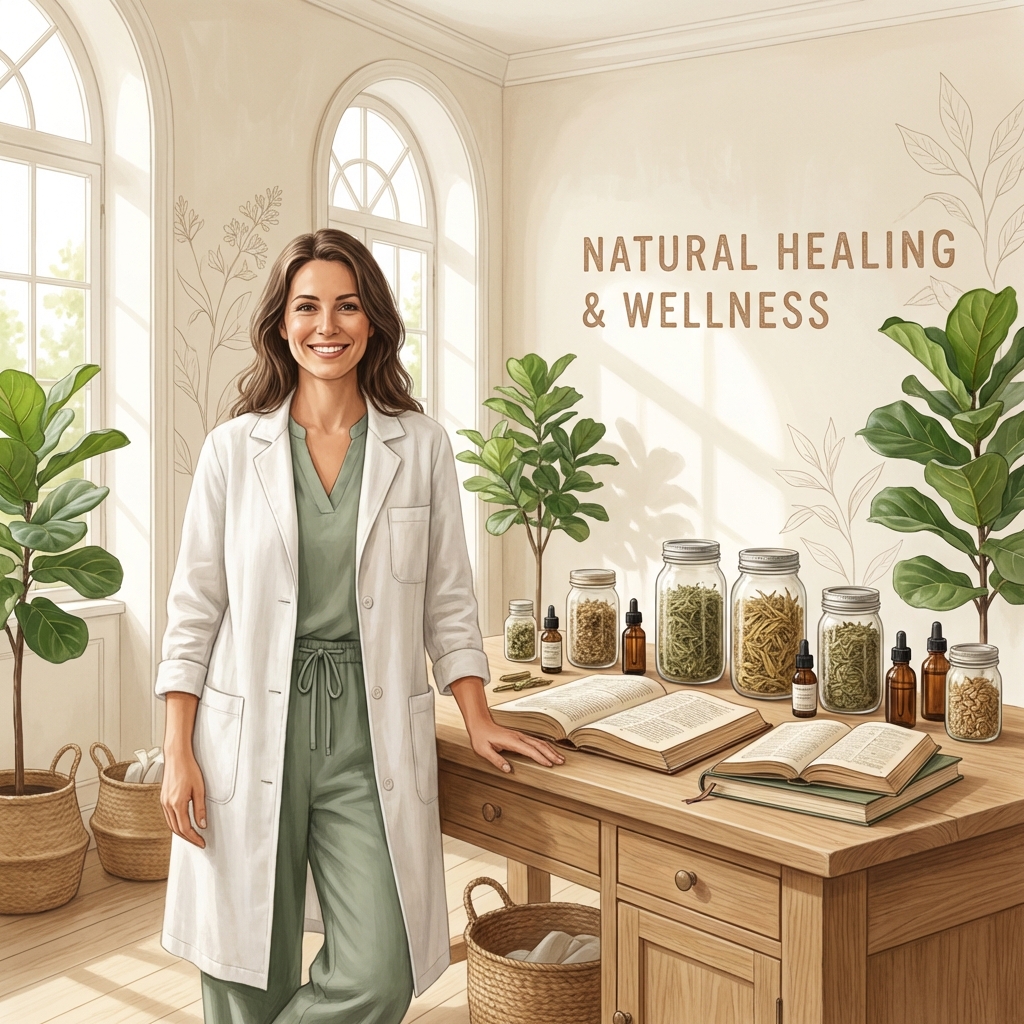
The curriculum encompasses the same biomedical sciences studied by medical doctors: anatomy, physiology, biochemistry, pathology, pharmacology, and clinical diagnosis. Beyond these foundational sciences, naturopathic students receive specialized training that includes more than 155 hours in clinical nutrition, over 130 hours in botanical medicine, and at least 150 hours in behavioral medicine and counseling. Additional coursework covers physical medicine, homeopathy, and minor surgery.
Upon graduation, ND candidates must pass the two-part Naturopathic Physicians Licensing Examinations, covering biomedical science and clinical therapeutics. Administered by the North American Board of Naturopathic Examiners, these examinations maintain passage rates around 90%—comparable to osteopathic COMLEX-USA scores.
Post-graduate residency programs, while voluntary in most states, have expanded significantly. Residency slots have doubled since 2020, with programs now available in integrative oncology and primary care. Utah remains the only state requiring at least one year of residency for licensure.
The Critical Consumer Safety Question: Is Your Naturopath Actually Licensed?
Perhaps no issue matters more to patient safety than understanding the distinction between a licensed naturopathic doctor and an unlicensed practitioner. This difference carries profound legal and clinical implications.
Licensed NDs graduate from CNME-accredited programs, pass NPLEX examinations, and hold government-recognized licenses. In the 26 U.S. jurisdictions that regulate naturopathic medicine—including Washington D.C., Puerto Rico, and the U.S. Virgin Islands—these practitioners can legally order blood tests, X-rays, and MRIs, perform minor in-office procedures, and in some states, prescribe medications.
Traditional or lay naturopaths, by contrast, complete unaccredited training programs—often online or correspondence-based—and cannot legally diagnose, order laboratory tests, or prescribe in any U.S. state or territory. They hold no government-recognized license.
How to verify an ND’s credentials:
- Check the state naturopathic licensing board
- Confirm graduation from a CNME-accredited school
- Verify NPLEX passage
- Consult the AANP’s official list of regulated states
Title restrictions vary significantly by state. In jurisdictions without naturopathic licensing laws, anyone can legally call themselves a “naturopath,” making consumer education on this distinction especially critical.
Scope of Practice: What a Licensed ND Can Actually Do
The regulatory landscape for naturopathic medicine creates a patchwork of practice authorities that patients must understand. In licensed states, naturopathic doctors function as primary care providers, officially recognized as such in several jurisdictions.
Diagnostic capabilities in licensed states include ordering comprehensive blood panels, hormone testing, stool analysis, and imaging studies. Naturopathic diagnosis relies on evidence-based methods rather than intuition alone.
Prescribing rights vary considerably. As of 2022, more than half of states licensing NDs allow some degree of prescribing authority. Oregon, for example, permits limited prescription rights for antibiotics and hormones, while other states restrict naturopathic doctors to natural substances only.
Insurance coverage remains an evolving landscape. Washington and Vermont reimburse naturopathic doctors as primary care physicians, though only six states covered Medicaid for NDs as of 2022.
Conditions commonly treated by naturopathic doctors include digestive disorders, hormonal imbalances, chronic fatigue, persistent pain, cardiometabolic issues such as high blood pressure and prediabetes, autoimmune conditions, anxiety, depression, and skin conditions. A peer-reviewed systematic scoping review published by NIH found that whole-system naturopathic medicine shows evidence of effectiveness for cardiovascular disease, musculoskeletal pain, type 2 diabetes, polycystic ovary syndrome, depression, anxiety, and complex chronic conditions.
The Collaborative Model: How NDs and MDs Are Reshaping Primary Care in 2026
The most significant—and least reported—development in naturopathic medicine is the growing integration of NDs and MDs within the same practices and health systems. This collaborative model offers patients coordinated care that draws on the strengths of both traditions.
The practical division typically positions MDs managing acute care, emergency interventions, and complex pharmacological protocols, while NDs contribute extended patient time, lifestyle medicine expertise, nutritional protocols, botanical interventions, and root-cause investigation.
The broader complementary and alternative medicine market reflects this integration trend, valued at $222.62 billion in 2025 and projected to reach $1,430.70 billion by 2033. North America represents the fastest-growing region, driven by high consumer awareness and healthcare spending.
The American Medical Association maintains a critical perspective on expanding naturopathic scope of practice, noting that even highly educated NDs receive significantly fewer direct patient contact hours than MDs—a minimum of 1,200 hours versus 12,000 to 16,000 hours for physicians. This ongoing professional dialogue continues to shape regulatory decisions across states.
Emerging ND specializations gaining traction in integrative settings include integrative oncology, pediatrics, endocrinology, environmental medicine, and gastroenterology.
What to Expect at a First Appointment with an ND
The initial naturopathic appointment differs markedly from conventional medical visits. Patients should expect one to two hours dedicated to uncovering a complete picture of their health—genetic history, lifestyle habits, diet, stress levels, sleep patterns, environmental exposures, and emotional wellbeing.
Diagnostic tools available to NDs in licensed states include comprehensive blood panels, hormone testing, stool analysis, and imaging. The resulting treatment plan typically presents a prioritized, multi-modal approach that may incorporate dietary modifications, targeted supplementation, botanical medicine, physical medicine, stress management protocols, and—where licensed—pharmaceutical prescriptions.
Practical preparation for a first appointment:
- Bring a complete medication and supplement list
- Gather recent laboratory results
- Prepare a timeline of health history
- Note any family health patterns
Realistic expectations matter. Naturopathic care often addresses chronic, complex conditions that developed over years. Meaningful results may require weeks to months of consistent treatment and lifestyle modification.
The Naturopathic Profession in 2026: Growth, Salary, and Career Outlook
Career data reflects both the legitimacy and momentum of the naturopathic profession. The average salary for a naturopathic doctor in the United States reaches approximately $141,399 per year as of February 2026, with top earners achieving up to $247,312 annually.
The profession more than doubled from approximately 2,000 licensed practitioners in North America in 2000 to an estimated 5,000 or more by 2016, with career growth continuing at nearly 10% per year.
Educational infrastructure continues expanding. Bastyr University launched a new three-year accelerated ND program, while institutions such as the University of Western States have achieved CNME candidacy status. As of 2026, 26 U.S. jurisdictions plus six Canadian provinces and one territory regulate naturopathic doctors, with ongoing legislative efforts underway in additional states.
Conclusion: The Future of Natural Care Is Collaborative, Credentialed, and Evidence-Based
A licensed naturopathic doctor represents a rigorously trained, government-credentialed healthcare professional whose philosophy and clinical tools receive increasing validation through peer-reviewed research. The profession has moved well beyond its alternative medicine origins to become an integral component of integrative healthcare systems.
The single most important step any patient can take before seeing a naturopath is verifying that their practitioner holds a valid state license from a CNME-accredited program. This simple verification protects patients and ensures access to qualified care.
The most promising development in naturopathic medicine is not a competition between ND and MD but rather their collaboration—a model that offers patients the best of evidence-based approaches from both traditions.
Ready to Explore Naturopathic Care? Here’s How to Take the Next Step
Patients interested in naturopathic care should begin by verifying whether naturopathic medicine is licensed in their state through the AANP’s official regulated states directory. This resource also helps locate licensed NDs nearby.
For those who have experienced exceptional care from a naturopathic doctor or integrative medicine practitioner, Top Doctor Magazine welcomes nominations for features and awards—recognizing practitioners who represent the best of modern natural care.
Key Resources:
- AANP Regulated States Directory
- CNME Accredited Programs List
- NABNE NPLEX Information
- AANMC Guide to Becoming a Naturopathic Doctor