Hormone Health Women Doctors Guide: Your Life-Stage Roadmap from PCOS to Post-Menopause in 2026
Introduction: Why Women Need a Lifetime Hormone Roadmap — Not Just a Menopause Checklist
A startling reality confronts women’s healthcare in 2026: 58% of women report only moderate or lower knowledge about hormonal health, and 66% have never tested their hormones. This knowledge gap persists despite hormones governing nearly every aspect of health—from metabolism and mood to cardiovascular function and cognitive clarity.
The core problem lies in how the medical system has historically approached women’s hormonal health. Most guides—and many physicians—treat hormonal concerns as a single event, typically menopause, rather than recognizing the continuous, evolving biological system that spans five or more decades of a woman’s life.
November 2025 marked a landmark turning point when the FDA removed broad black-box warnings from hormone replacement therapy products for menopause. This regulatory shift demands a fresh, informed examination of women’s hormonal healthcare options and specialist pathways.
This guide provides a life-stage-by-life-stage roadmap specifying which specialist to consult, what conditions to monitor, and what questions to ask—from the 20s through the 60s and beyond. The stakes are significant. The global women’s health market reached USD 54.12 billion in 2025 and is projected to grow to USD 91.05 billion by 2035, signaling that hormonal health has become a structural healthcare priority rather than a niche concern.
Understanding the Female Hormonal Ecosystem: A Foundation Every Woman Needs
The female hormonal system operates as an interconnected network, not a collection of isolated chemicals. Key hormones include estrogen, progesterone, testosterone, FSH, LH, thyroid hormones (T3/T4), cortisol, and insulin—each influencing and responding to the others.
Hormonal health extends far beyond reproduction. These chemical messengers regulate metabolism, cardiovascular function, bone density, mood, cognition, and immune response. Understanding this interconnection helps women recognize when symptoms in one area may signal imbalances elsewhere.
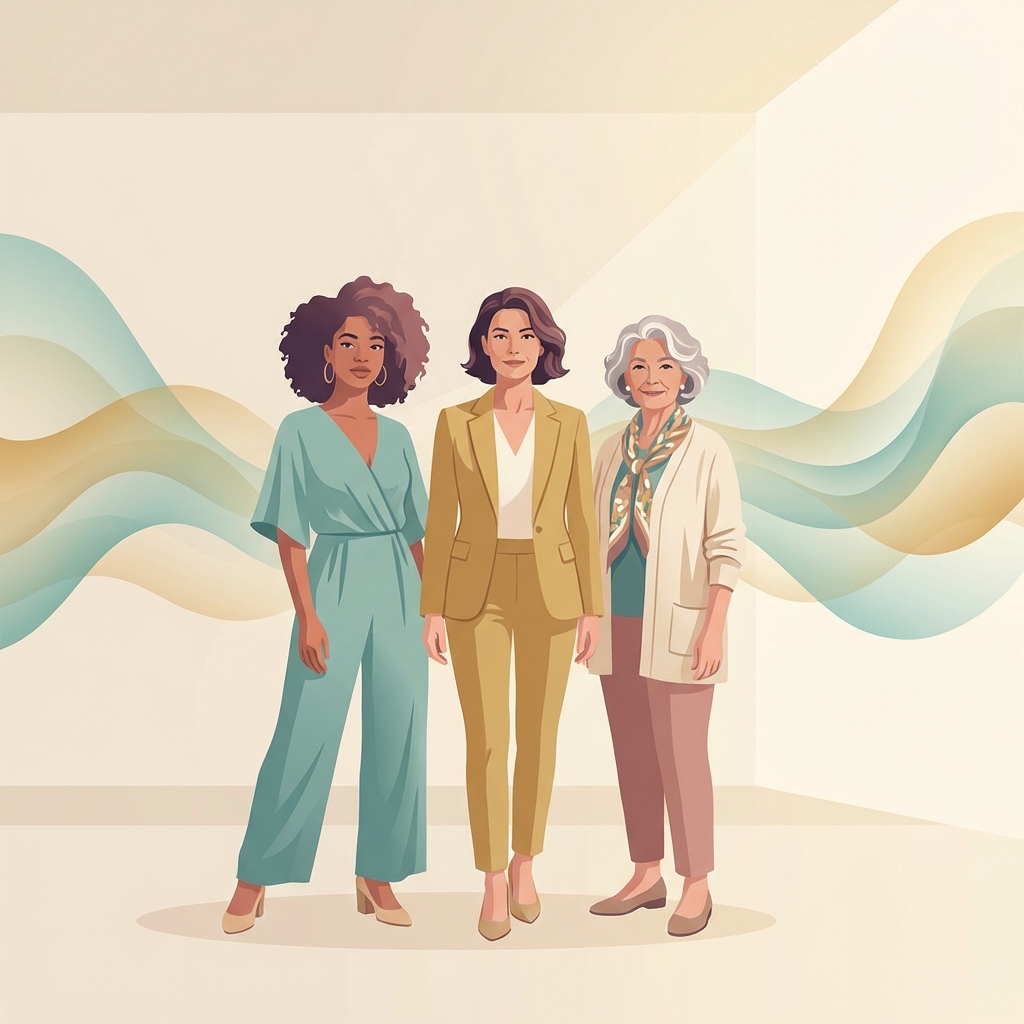
Women’s hormonal lives move through distinct phases: reproductive years (puberty through the late 30s), the perimenopause transition (typically late 30s to early 50s), menopause, and post-menopause. Each phase carries distinct clinical considerations and specialist needs.
A critical research gap compounds these challenges. Females remain underrepresented in roughly two-thirds of medical trials, meaning much clinical knowledge about hormonal health derives from incomplete data. Additionally, the gut-hormone connection deserves attention—a healthy microbiome directly aids estrogen metabolism and nutrient absorption.
Perhaps most significantly, women now spend approximately one-third of their lives post-menopause, transforming long-term hormonal management from a temporary concern into a structural healthcare priority.
The Hormone Specialist Landscape: Who Does What and When to See Them
Selecting the appropriate specialist can mean the difference between prompt treatment and months of diagnostic delay. Over half of women face delays of six months or more for conditions like PCOS and endometriosis. Understanding the specialist landscape serves as a decision tool rather than a hierarchy, since the optimal choice depends on life stage and symptom profile.
OB-GYN: First-Line Hormonal Partner
Obstetrician-gynecologists serve as the primary entry point for women’s hormonal health, managing reproductive cycle concerns, contraception, prenatal care, and initial evaluation of symptoms such as irregular periods, heavy bleeding, or PMS.
OB-GYNs excel at routine hormonal concerns but may lack subspecialty training in complex endocrine disorders. Some OB-GYNs pursue additional certification in menopause management through The Menopause Society—a credential worth inquiring about. This specialist pathway serves women best from the teen years through the reproductive years, pregnancy, and early perimenopause screening.
Endocrinologist: The Hormone System Specialist
Endocrinologists specialize in glands and their hormonal products, including thyroid, adrenal, pituitary, and reproductive hormones. They manage thyroid disorders (Hashimoto’s, hypothyroidism, hyperthyroidism), PCOS with metabolic complications, adrenal dysfunction, female hypogonadism, and complex menopause cases.
The Society for Endocrinology published guidelines in 2024 and 2025 addressing female hypogonadism and androgen excess, recommending endocrinologist-led care for complex presentations. Common reasons women consult endocrinologists include thyroid disorders, PCOS, hirsutism, infertility, and menopause management.
Reproductive Endocrinologist (REI): Fertility and Complex Reproductive Hormones
Reproductive endocrinologists complete additional fellowship training specifically in reproductive medicine and infertility, distinguishing them from general endocrinologists. They manage PCOS-related infertility, premature ovarian insufficiency, recurrent pregnancy loss, unexplained infertility, and egg freezing.
Women under 35 who have tried conceiving for 12 or more months, or those with known hormonal conditions such as PCOS, should consider consultation without waiting for a primary care referral.
Menopause-Certified Practitioner: The Emerging Standard of Care
The Menopause Society Certified Menopause Practitioner (NCMP) credential identifies clinicians with demonstrated advanced knowledge in menopause management. Following the November 2025 FDA ruling, updated prescribing guidelines require nuanced, individualized risk assessment that not all generalists can provide.
These practitioners offer HRT initiation and management, genitourinary syndrome of menopause treatment, bone density monitoring, cardiovascular risk counseling, and cognitive health screening. Women can locate certified practitioners through The Menopause Society’s provider directory.
Integrative and Functional Medicine Physician: Whole-System Hormonal Support
Integrative and functional medicine physicians address root causes of hormonal imbalance through nutrition, lifestyle, stress management, gut health, and targeted supplementation alongside conventional medicine. Notably, 98% of healthcare professionals report that patients increasingly request integrative or lifestyle-based interventions alongside traditional medicine.
These practitioners offer comprehensive hormone panels, adrenal stress testing, gut microbiome assessment, and personalized lifestyle protocols. Women should seek board-certified MDs or DOs with additional integrative medicine training for optimal care.
Stage One: The 20s — Establishing Hormonal Baselines and Navigating PCOS
The 20s represent the critical window for establishing hormonal baselines and identifying early-onset conditions before they compound. PCOS affects an estimated 11–13% of women globally, with global cases increasing 56% in incidence and 59% in prevalence among those aged 10–24 between 1990 and 2021.
The Rotterdam diagnostic criteria require two of three features: ovulatory dysfunction, polycystic ovarian morphology on ultrasound, and clinical or biochemical hyperandrogenism. Yet over half of women face diagnostic delays of six months or more, often because symptoms such as irregular periods or acne are dismissed as normal.
Women with PCOS show significantly higher rates of subclinical hypothyroidism and autoimmune thyroid disease, making co-screening clinically valuable. Key tests to request include a full thyroid panel, fasting insulin and glucose, androgens, AMH, and pelvic ultrasound if PCOS is suspected.
Stage Two: The 30s — Fertility, Thyroid Health, and the First Signs of Perimenopause
The 30s represent a decade of hormonal transition rather than stability. A February 2025 study found that more than half of women aged 30–35 reported moderate to severe menopause-like symptoms, challenging assumptions that hormonal shifts begin only in the late 40s.
Thyroid disorders peak during this decade. Hashimoto’s thyroiditis remains the most common autoimmune condition in women, with symptoms frequently attributed to stress rather than thyroid dysfunction. Endometriosis affects approximately 10% of reproductive-age women, with average diagnosis delays of 7–10 years.
Approximately 32% of women hesitate to address hormonal issues due to cost. Telehealth platforms and at-home hormone testing kits offer increasingly viable, lower-cost alternatives for initial screening.
Stage Three: The 40s — Perimenopause, Brain Fog, and the Cardiovascular Connection
Perimenopause typically lasts 4–10 years, during which estrogen and progesterone levels fluctuate unpredictably. Symptoms extend beyond hot flashes to include irregular periods, sleep disruption, mood instability, cognitive changes, joint pain, decreased libido, and weight redistribution.
Estrogen plays a direct neuroprotective role; declining levels during perimenopause affect verbal memory, processing speed, and attention. Simultaneously, estrogen’s cardioprotective effects diminish, contributing to rising LDL cholesterol and increased cardiovascular risk.
Current 2025–2026 clinical guidelines recommend initiating HRT before age 60 or within 10 years of menopause onset as the safest and most effective window.
The November 2025 FDA Ruling: What the Removal of HRT Black-Box Warnings Means
In November 2025, the FDA initiated the historic removal of broad black-box warnings from HRT products for menopause. The original warnings stemmed from the 2002 Women’s Health Initiative study, which used older oral synthetic hormones in women averaging 63 years old—making those findings poorly applicable to younger perimenopausal women.
The FDA simultaneously approved the first generic version of Premarin in over 30 years and a new non-hormonal treatment for vasomotor symptoms. Women previously denied HRT or who discontinued due to fear should now have informed conversations with qualified specialists.
Menopausal hormone therapy remains the cornerstone treatment for vasomotor symptoms and genitourinary syndrome of menopause. However, individualized risk assessment remains essential, particularly for women with a personal or family history of hormone-sensitive cancers or clotting disorders.
Stage Four: The 50s — Menopause, HRT Decision-Making, and Bone Health
Non-oral HRT routes—patches, gels, and sprays—are now preferred over oral pills for many patients due to lower clotting and cardiovascular risk profiles. Genitourinary syndrome of menopause affects most postmenopausal women but remains dramatically undertreated; local vaginal estrogen is safe and effective even for many women who cannot use systemic HRT.
The 50s represent the critical window for baseline DEXA scanning and bone-protective therapies. Depression and anxiety rates increase during the menopause transition and are frequently undertreated because mood changes are attributed to life circumstances rather than hormonal shifts. Maintaining mental health and hygiene during this period is an often-overlooked component of comprehensive menopause care.
Stage Five: The 60s and Beyond — Post-Menopause and Healthy Aging
Post-menopause requires active health management, not passive acceptance. Current guidelines indicate that healthy women on HRT since the menopause transition can generally continue, while initiating HRT after age 60 requires more individualized assessment.
Long-term priorities include cardiovascular health, cognitive health, bone density maintenance, and metabolic health. For women who cannot use HRT, the November 2025 FDA approval of a new non-hormonal vasomotor treatment expands available options.
Approximately 21% of women report feeling dismissed by healthcare providers regarding hormonal concerns. Post-menopausal women are particularly vulnerable to having symptoms attributed to normal aging rather than treatable conditions. Strategies like anti-inflammatory eating for joint health can also support overall wellbeing during this stage, as declining estrogen levels contribute to increased inflammation and joint discomfort.
The Diagnostic Gap: Why Women Wait Too Long and How to Close It
Productivity losses tied to unmanaged women’s hormonal health reach an estimated $196 billion annually in the U.S. Root causes include symptom normalization, inadequate medical training, cost barriers, and underrepresentation in clinical trials.
Actionable strategies include documenting symptoms systematically before appointments, requesting specific hormone panels, and bringing symptom diaries to consultations. If a provider dismisses symptoms without ordering hormone testing, seeking a second opinion is not only appropriate—it is often medically necessary.
Conclusion: Hormonal Health as a Lifelong Investment
Hormonal health is not a single event or decade—it is a continuous system requiring proactive, life-stage-appropriate care from qualified specialists. The November 2025 FDA ruling, FemTech expansion, generic HRT approvals, and growing clinical guidelines represent a historic shift placing more tools in women’s hands than ever before.
The specialist framework remains clear: OB-GYN for foundational reproductive care, endocrinologist for complex hormonal disorders, REI for fertility challenges, menopause-certified practitioner for perimenopause through post-menopause, and integrative physician for whole-system support.
As the global women’s health market continues expanding toward USD 91.05 billion by 2035, investment in research, technology, and clinical training accelerates. Women who advocate for themselves today benefit from a rapidly improving standard of care.