Healthcare Networking Events for Doctors 2026: Why TopDoctor’s Gala Format Is Changing How Physicians Connect
Introduction: The Problem With How Doctors Network in 2026
A striking paradox defines physician networking in 2026: healthcare conferences are bigger than ever, yet many doctors leave feeling more isolated than connected. HIMSS 2026 drew 24,000 attendees to Las Vegas. HLTH attracts over 12,250 participants annually. The scale is impressive—but scale does not equal connection.
The core tension is straightforward. Most major healthcare events in 2026 are designed for C-suite executives, health IT leaders, and digital health investors. Practicing physicians—the professionals who deliver care at the bedside, in the clinic, and in the operating room—often find themselves navigating conference halls built for someone else.
What physicians actually need looks different. They need peer recognition, specialty-level community, and meaningful human connection—not just keynotes on AI deployment and cybersecurity frameworks.
This gap has created an opportunity for a different kind of event. TopDoctor Magazine’s gala format represents a physician-first alternative, addressing this disconnect through a deliberate structure that prioritizes what doctors actually seek from professional gatherings.
For physicians researching healthcare networking events for doctors in 2026, understanding this shift is essential. This article examines why the event landscape is changing, what makes TopDoctor’s format distinctive, and how it serves physicians at every career stage.
The 2026 Healthcare Conference Landscape: Big, Bold, and Built for the C-Suite
The dominant healthcare networking events in 2026 offer undeniable value—for the right audience.
HIMSS 2026 (March 9–12, Las Vegas) drew 24,000 healthcare leaders with a heavy focus on real-world AI applications. Key themes included AI agents, cybersecurity, and digital transformation. The audience skews toward health IT decision-makers and enterprise healthcare leaders navigating technology strategy.
HLTH 2026 (November 15–18, Las Vegas) attracts over 12,250 attendees, including more than 4,300 C-suite executives and 500+ speakers. The event excels at executive networking and health startup exposure, making it exceptional for those operating at the intersection of innovation and investment.
AAPL Annual Leadership Conference (October 22–24, Scottsdale) offers three days of keynotes, expert-led workshops, and international networking specifically designed for physician leaders moving into administrative roles.
These events do important work. They provide thought leadership on AI-driven diagnostics, ambient listening for documentation, enterprise-scale AI deployment, cybersecurity, and value-based care. For physicians navigating AI adoption, workforce redesign, and system consolidation, attending the right conferences remains a strategic advantage.
However, these events are primarily designed for health IT executives, digital health investors, and physician administrators—not the solo practitioner, the specialist building a community practice, or the physician seeking peer recognition and celebration. This creates a specific and growing need that large conferences cannot fill.
What Physicians Actually Need From Networking Events in 2026
The data tells a compelling story. According to the American Medical Association, 45.2% of physicians reported at least one symptom of burnout in 2023—down from a peak of 62.8% in 2021. Progress exists, but professional isolation remains persistent.
The clinical stakes are significant. Research shows burned-out physicians have twice the rates of medical errors compared to their peers. Peer support and recognition are not merely professionally valuable—they are clinically important.
A privacy barrier compounds the problem. For 45% of primary care physicians, burnout experiences remain private; they rarely or never feel comfortable discussing mental health or burnout with peers. This underscores the need for safe, community-building environments where physicians can connect authentically. Research has also shown that depression can affect immune system function, making mental and emotional well-being a clinical priority, not just a personal one.
The trend in CME and live events reflects this reality. Networking remains the top draw for most medical professionals at live events, with a growing preference for smaller, more meaningful peer connections and mentorship pairings. Physician networking delivers specific outcomes: a robust support system, currency with industry developments, career opportunity discovery, and relief from professional isolation. Large conferences typically offer panels, vendor halls, and executive-level programming—valuable for some purposes, but rarely addressing what the solo practitioner or community-based physician actually needs.
Introducing TopDoctor Magazine’s Gala Event Format
TopDoctor Magazine operates as a digital-first healthcare media publication with over 197 issues published and a mission to foster connections within the health and wellness community. The publication’s live event series represents a deliberate design response to the physician networking gap.
These are not conferences. They are multi-day community experiences built specifically for practicing physicians.
The overall structure spans multiple days with core components including a networking party, CME educational training, and an awards gala dinner. The philosophy is distinctly physician-centric—events designed for individual practitioners across specialties, not health IT executives or digital health investors.
The multi-specialty breadth is notable. TopDoctor’s events serve physicians across dentistry, holistic wellness, orthopedics, family practice, gastroenterology, general practice, and health influencer categories, among others. This creates cross-pollination opportunities that specialty-specific conferences cannot provide.
Component One: The Networking Party — Where Real Connections Begin
The evening networking party serves as an intentional first touchpoint—a social, low-pressure environment designed to welcome attendees and initiate genuine peer relationships.
The contrast with typical conference cocktail hours is significant. TopDoctor’s networking party is a dedicated primary evening event, not an afterthought following a full day of keynotes and vendor hall navigation.
This format aligns with research showing physicians increasingly seek smaller, more meaningful connections. A dedicated social evening creates the conditions for those conversations to happen naturally. Attendees arrive as individuals from different specialties and practice settings and leave as part of a shared professional community. For physicians who rarely discuss professional struggles with peers, a welcoming social environment can be the first step toward building a genuine support network.
The inclusive nature creates unique value. Solo practitioners, group practice physicians, and award nominees share the same space, enabling cross-specialty and cross-career-stage connections that hierarchical conference structures often prevent.
Component Two: CME Educational Training — Relevant, Timely, and Physician-Focused
Educational training sessions are designed specifically for doctors, going beyond regulatory CME compliance to deliver community-driven, clinically relevant content.
Within the 2026 context, sessions can address timely topics including AI-driven diagnostics, ambient listening tools, practice sustainability, and value-based care—the same themes dominating larger conferences, but framed for practitioners at the point of care rather than health system administrators.
The sequencing advantage is intentional. Educational sessions follow the networking party, meaning physicians arrive already connected to peers. This makes collaborative learning more natural and impactful than walking into a CME session surrounded by strangers.
Live CME events in 2026 increasingly blend in-person moments with digital touchpoints to extend value beyond the event window. TopDoctor’s format aligns with this evolution while maintaining the intimacy that large conferences cannot provide. Education represents one component of a larger experience—meaningful professional development within what is also a celebratory event.
Component Three: The Awards Gala Dinner — Recognition as a Clinical and Community Tool
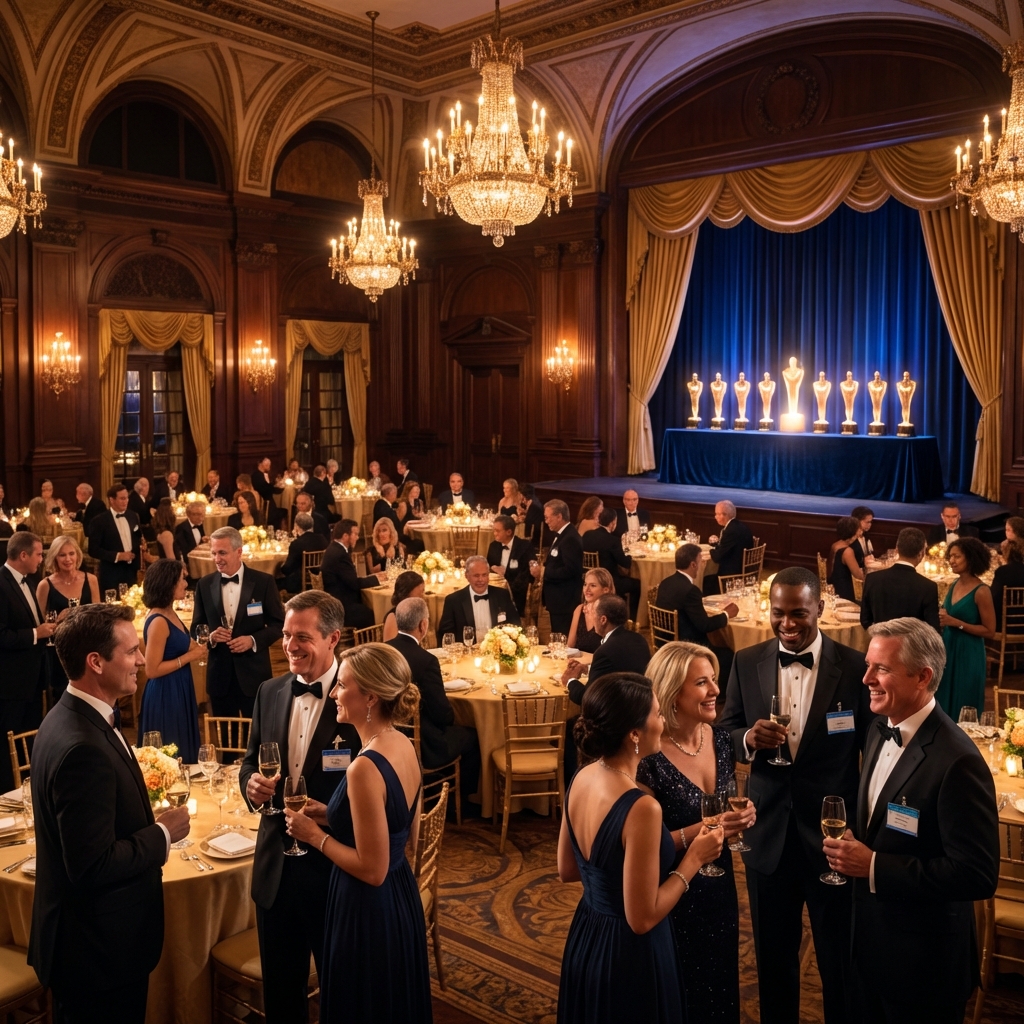
The gala dinner and awards ceremony transforms professional recognition into a formal celebration. The evening features photos, press coverage, and recognition of outstanding physicians across multiple award categories.
Award categories include:
- Technology
- Patient Recommendation
- Peer Review
- Local Area
- Ultimate Practice
- Entrepreneurship
- Philanthropy
The nomination process ensures quality. Nominations must be submitted by another doctor, a patient, or a TopDoctor representative—not by the nominee. Nominees must demonstrate active contribution to their profession or patients.
The community and family dimension distinguishes this format. Award recipients are encouraged to bring partners, family, and friends and to book a table, transforming a professional event into a personal celebration—an approach no major healthcare conference replicates.
The press and media visibility angle serves physicians building their personal brand. Gala coverage and professional photography create lasting media assets, an underserved need in the physician community.
Recognition also connects directly to burnout mitigation. Peer recognition and professional celebration are evidence-based components of physician well-being programs, making the gala format clinically meaningful, not merely ceremonial.
How TopDoctor’s Format Compares to Major 2026 Healthcare Networking Events
A fair comparison reveals distinct positioning:
HIMSS 2026: 24,000 attendees, AI and digital transformation focus, primarily health IT and enterprise healthcare leaders. Valuable for technology strategy; less relevant for individual practitioners seeking peer recognition.
HLTH 2026: Over 12,250 attendees with 4,300+ C-suite executives and 500+ speakers. Strong for executive networking and health startup exposure; not designed for specialty physician recognition or community celebration.
AAPL Annual Leadership Conference: Physician leadership development focus, strong for physicians moving into administrative roles. Does not offer awards recognition or gala experiences.
TopDoctor’s gala events: Physician-centric and multi-specialty, combining peer networking, CME education, and awards recognition in a single format. Fills the prestige and celebration niche that larger events miss.
These events are not mutually exclusive. Physicians can and should attend large conferences for strategic and industry exposure while attending TopDoctor’s events for community, recognition, and peer connection. Notably, no competitor event roundup currently covers boutique, physician-recognition-focused events—making TopDoctor’s format an underrepresented and underserved category in the healthcare event landscape.
Who Should Attend TopDoctor’s Healthcare Networking Events in 2026
Practicing physicians across all specialties represent the primary audience—dentistry, orthopedics, family practice, gastroenterology, holistic wellness, general practice, and beyond.
Solo and independent practitioners often lack access to institutional recognition programs. TopDoctor’s events provide visibility that health system-employed physicians receive through internal channels.
Physicians experiencing professional isolation or burnout recovery benefit from the event’s community-building design and peer recognition components, which offer meaningful support beyond clinical settings.
Physicians building a personal brand gain value from press coverage, professional photography, and editorial features through TopDoctor Magazine, creating lasting media assets.
Award nominees and their supporters appreciate the gala’s family-inclusive format, appropriate for physicians celebrating milestones with those who support their careers.
Physicians at different career stages find distinct value. Early-career physicians benefit from peer mentorship and networking, while established practitioners gain recognition and community leadership opportunities.
Conclusion: Why the Future of Physician Networking Looks More Like a Gala Than a Convention
The 2026 healthcare conference landscape offers rich opportunities for large-scale learning and executive networking. However, the physician-specific need for peer connection, specialty recognition, and community celebration remains underserved by major events.
TopDoctor Magazine’s gala format—combining networking, CME education, and awards recognition—represents a deliberate and effective response to what practicing physicians actually need from live events.
As physician burnout rates stabilize but professional isolation persists, events designed around community, recognition, and celebration are not luxuries. They are professional necessities with clinical implications. The broader trend is clear: the future of CME and physician networking is moving toward smaller, more meaningful, more personal experiences, and TopDoctor’s format anticipates this evolution.
As the healthcare industry continues to transform through AI adoption, workforce redesign, and value-based care, the physicians who thrive will be those who invest in both professional development and professional community. For physicians evaluating healthcare networking events for doctors in 2026, this distinction matters.
Explore TopDoctor’s 2026 Events
Physicians interested in joining a community that values recognition, connection, and celebration can visit topdoctormagazine.com to learn about upcoming 2026 gala events, including dates, locations, and registration details.
Those who know a deserving colleague—or wish to submit a nomination through a qualified third party—can explore the TopDoctor Magazine Awards nomination process. Nominees must be a force for positive change in medicine and wellness, and nominations must be submitted by another doctor, a patient, or a TopDoctor representative.
Subscribers to the TopDoctor Magazine newsletter receive updates on event announcements, award nominations, and healthcare community content throughout the year.