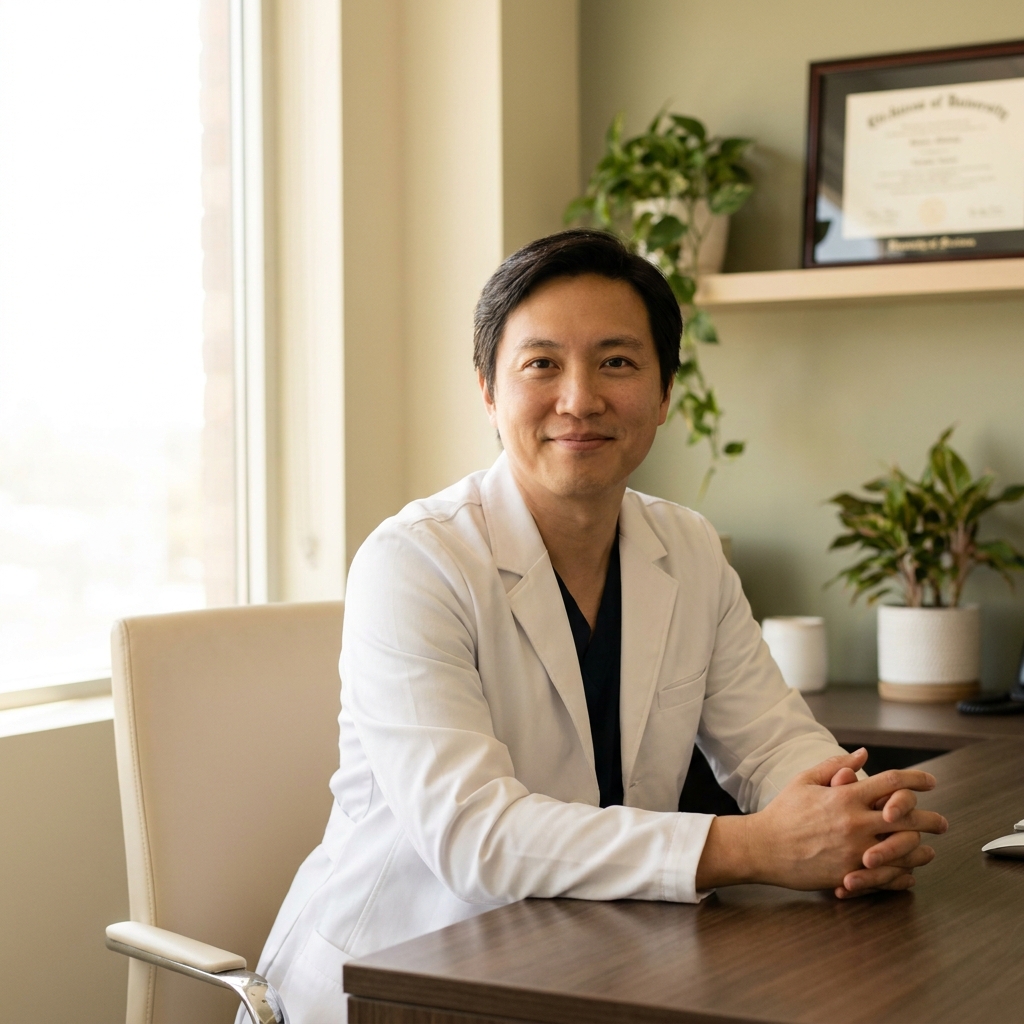
Addiction Medicine Recovery Doctor Perspectives: Inside the Specialty Closing America’s Biggest Treatment Gap in 2026
Introduction: The Specialists Quietly Reshaping America’s Addiction Crisis
The year 2024 delivered a paradox that defines the state of addiction care in America. On one hand, the country recorded the largest single-year decline in overdose deaths ever measured: a stunning 26.2% drop that pulled total deaths from 105,007 in 2023 down to 79,384, according to the CDC. On the other hand, SAMHSA’s data showed that 95.6% of American adults with substance use disorders still received no treatment at all.
Between those two numbers lives a small, underrecognized medical specialty: addiction medicine. Its practitioners are not simply crisis responders. They are architects of a recovery revolution, working at the intersection of pharmacology, psychology, and social medicine. Yet addiction medicine recovery doctor perspectives are largely absent from mainstream health media, which tends to cover addiction as a story of statistics and policy fights rather than of the physicians who treat it.
This article fills that gap. It examines who addiction medicine specialists are, why they chose the field, how their clinical philosophies look in 2026, and where the specialty is heading. The tone is deliberately solutions-focused and practitioner-first, because the people closing this treatment gap deserve to be understood.
What Is Addiction Medicine? Understanding the Specialty Most Doctors Never Hear About
Addiction medicine became a formally recognized subspecialty of the American Board of Medical Specialties (ABMS) in 2016, a milestone that acknowledged addiction as a chronic, treatable brain disease requiring specialized physician expertise. Addiction medicine physicians diagnose and treat substance use disorders involving alcohol, opioids, stimulants, cannabis, and nicotine, and they routinely manage co-occurring mental health conditions using a blend of pharmacological, behavioral, and social interventions.
The community is strikingly small. The American Society of Addiction Medicine (ASAM) represents over 7,000 physicians, clinicians, and associated professionals, a modest number given that 48.4 million Americans (roughly one in six people aged 12 or older) met diagnostic criteria for a substance use disorder in 2024.
The specialty’s appeal lies in its complexity. Addiction medicine integrates neuroscience, psychiatry, internal medicine, social work, and public health, making it uniquely rich for physicians drawn to whole-person care. Notably, a 2026 study published in BMC Medical Education found that the specialist shortage is driven not by lack of interest but by lack of awareness. Many physicians discover the field only by chance, having never encountered it during medical training.
How Physicians Find Their Way Into Addiction Medicine
Unlike cardiology or orthopedics, addiction medicine is rarely a planned career destination. Many physicians arrive through personal experience, a transformative patient encounter, or the influence of a mentor. The field’s roots reflect this history. Addiction medicine was born in 1954 out of the alcoholism treatment movement, and physicians in recovery played a foundational role in shaping its treatment philosophy.
The “discovery by chance” phenomenon documented in the BMC Medical Education research has real consequences for recruitment, training pipelines, and the coming 2027 fellowship mandate. Physicians who do find the specialty often describe their work as among the most meaningful in medicine, combining sophisticated pharmacology with long-term patient relationships and measurable recovery outcomes.
The field also carries a diversity gap that compounds access inequities. Underrepresented minority groups made up less than 0.1% of addiction medicine and psychiatry fellows in 2018, a disparity that limits culturally responsive care for many marginalized patient populations.
The 2027 Fellowship Mandate: A Turning Point for the Specialty
A landmark change is approaching. Beginning in 2027, physicians must complete an ACGME-accredited addiction medicine fellowship to be eligible to sit for the board certification exam, according to ASAM. This requirement formalizes the specialty, raises the bar for training, standardizes clinical competencies, and signals to the broader medical community that addiction medicine is a rigorous, evidence-based discipline.
The workforce implications are debated. Some worry the requirement could reduce the number of physicians entering the field in the short term. Others argue it will attract more serious candidates by elevating the specialty’s prestige. A genuine tension exists between formalization and access: as the specialty professionalizes, will it become harder to fill the 95.6% treatment gap, or will higher-quality specialists improve care efficiency and outcomes? For physicians already practicing, ASAM’s current certification pathways continue during the transition, giving established clinicians a window to complete board certification under existing rules.
Clinical Philosophies in 2026: How Addiction Medicine Doctors Think About Recovery
Addiction medicine recovery doctor perspectives vary significantly, and understanding those differences helps patients and referring physicians find the right fit. A central debate divides the field. ASAM supports flexible, harm-reduction-oriented practices (including higher-than-traditional medication doses and non-abstinence recovery goals), while some physicians favor traditional abstinence-first models. This tension was highlighted in a January 2026 NPR investigation.
Harm reduction, as a clinical philosophy, aims to reduce the harms associated with substance use rather than demand immediate abstinence. It is supported by strong evidence but remains controversial in some clinical and cultural contexts. The abstinence-first perspective deserves fair presentation as well. Its proponents argue that abstinence-oriented frameworks provide clearer goals, stronger accountability, and better long-term outcomes for certain patients.
In practice, most addiction medicine specialists in 2026 operate somewhere on a spectrum, tailoring their approach to individual patient needs, co-occurring conditions, social determinants, and patient-defined recovery goals. Trauma-informed care has also become central: as of 2026, 68% of accredited treatment facilities have adopted specialized trauma-informed protocols, improving treatment stay duration for women by an average of 14 days.
Medication-Assisted Treatment: The Evidence, the Barriers, and the Physician Perspective
Medication-Assisted Treatment (MAT) combines FDA-approved medications such as buprenorphine, methadone, and naltrexone with counseling and behavioral therapies to treat opioid and alcohol use disorders. The evidence is compelling: MAT combining buprenorphine or methadone with counseling produces success rates of up to 50% in maintaining long-term abstinence or achieving major reductions in opioid use.
Yet uptake remains disappointing. Even after the X-waiver requirement for buprenorphine prescribing was eliminated, fewer than one in five people with opioid use disorder receive medications. Barriers include stigma, lack of training, and rigid clinic protocols. Addiction medicine physicians also face stigma from colleagues who view MAT as “substituting one drug for another,” a misconception specialists counter through education and demonstrated outcomes.
Policy has helped. In January 2025, the DEA and HHS jointly issued a final rule permanently allowing buprenorphine prescriptions via telehealth without a prior in-person visit, a change addiction medicine doctors describe as transformative for patient access. Regulatory debates continue around methadone, particularly the requirement that it be dispensed largely through opioid treatment programs rather than office-based settings.
Telehealth and Addiction Medicine: How Remote Care Is Changing the Doctor-Patient Relationship
The DEA extended telehealth prescribing flexibilities for controlled substances through December 31, 2026, and the January 2025 permanent rule fundamentally altered how addiction medicine physicians reach patients. For many specialists, the ability to prescribe buprenorphine via audio-video or even audio-only visits without a prior in-person evaluation has expanded their patient panels dramatically, especially in rural and underserved areas.
The nuances matter. Telehealth removes geographic barriers but introduces challenges: building therapeutic rapport through a screen, ensuring medication safety without physical examination, and serving patients with limited technology access. Still, the equity dimension is significant. Telehealth reaches patients who face transportation barriers, inflexible work schedules, or communities with no local addiction medicine specialists.
Policy uncertainty persists. While the buprenorphine rule is permanent, addiction medicine physicians continue to advocate for expanded telehealth access to methadone and other controlled substances. Telehealth has also reshaped the practice model, enabling hybrid care, asynchronous check-ins, and integration with digital tools for relapse risk monitoring.
The GLP-1 Frontier: Addiction Medicine’s Most Exciting and Debated New Tool
GLP-1 receptor agonists such as semaglutide (Ozempic) and tirzepatide (Mounjaro) are emerging as a potentially transformative tool. A study of more than 600,000 U.S. veterans found that GLP-1 users with pre-existing substance use disorders experienced roughly 50% fewer drug-related deaths, about 40% fewer overdoses, and around 30% fewer emergency room visits over three years.
The mechanism hypothesis is intriguing. GLP-1 drugs appear to act on shared craving and reward pathways across substances, potentially dampening the neurological drive to use alcohol, opioids, nicotine, cocaine, and other drugs. GLP-1 use was associated with lower risks of new SUD diagnoses across every major substance examined: alcohol (18%), cannabis (14%), cocaine (20%), nicotine (20%), and opioids (25%).
More than 30 clinical studies are now investigating GLP-1 drugs for addiction, making it one of the fastest-growing areas of GLP-1 research in 2026. Practicing specialists remain appropriately cautious. GLP-1s are not yet FDA-approved for SUD treatment, and physicians emphasize they are a promising adjunct rather than a replacement for established MAT and behavioral therapies. Open questions around dosing, patient selection, insurance coverage, and long-term outcomes remain.
Beyond Medications: The Full Toolkit of an Addiction Medicine Specialist
Addiction medicine is never just about prescribing. It is a comprehensive, biopsychosocial specialty that integrates pharmacology with behavioral, psychological, and social interventions.
- Contingency management: An evidence-based approach using positive reinforcement (such as incentives for negative drug tests) gaining wider adoption in 2026, and especially valuable for stimulant use disorders where no approved medications exist.
- Addiction Consult Services (ACS): Hospital-based multidisciplinary teams, increasingly implemented at institutions like the University of Pennsylvania, bring addiction medicine expertise to inpatients and improve linkage to follow-up care.
- Dual diagnosis management: Specialists routinely treat depression, anxiety, PTSD, and other conditions alongside substance use disorders, requiring deep knowledge of psychopharmacology.
- Artificial intelligence: Emerging systems identify relapse risk patterns, personalize care pathways, and reduce administrative burden.
The economic case is powerful: for every $1 invested in supervised treatment and rehabilitation, communities save approximately $7 in combined healthcare and criminal justice costs.
The Workforce Reality: A Specialty Stretched Thin Across a Massive Need
The scale of the challenge is daunting. In 2024, 48.4 million Americans met SUD diagnostic criteria, yet only about 4.4 million received specialty substance use treatment, a 95.6% treatment gap that widened slightly from 94.7% in 2023. Against that need, ASAM’s roughly 7,000 members represent an almost impossibly small workforce.
The pattern is global. In Australia, there are only 245 addiction medicine specialists and 68 trainees nationwide, with an average workforce age of about 62, raising urgent succession concerns mirrored in the United States.
The frustration is that addiction medicine is genuinely attractive. Specialists report high job satisfaction (4.1 out of 5), a median compensation of $315,000 in 2026, and a manageable workload of about 42 hours per week. Many describe it as one of the best-kept secrets in medicine and advocate for earlier education during training to address the recruitment gap.
Stigma From Within: The Hidden Challenge Addiction Medicine Doctors Face
An underreported dimension of addiction medicine is the stigma specialists face from colleagues in other fields who may view addiction treatment as less rigorous, less prestigious, or morally fraught. This manifests as reluctance to refer patients, skepticism about MAT from surgeons and hospitalists, and the lingering perception that addiction is a moral failing rather than a medical condition.
The buprenorphine stigma is specific and persistent, held over from the X-waiver era even among prescribers now legally permitted to prescribe it. Addiction medicine physicians counter these attitudes through education, hospital consult services, peer-to-peer outreach, and measurable patient outcomes. This matters because physician stigma directly feeds the treatment gap by reducing referrals, limiting prescribing, and discouraging medical students. A cultural shift is underway, however, propelled by the 2024 overdose decline, the 2027 fellowship mandate, and expanding GLP-1 research.
The Policy Landscape Shaping Addiction Medicine Practice in 2026
Several developments define the policy environment. The permanent telehealth buprenorphine rule, the 2025 SUPPORT Act reauthorization, and the 2027 fellowship mandate together represent significant momentum.
The SUPPORT Act reauthorization secured vital SUD treatment funding through 2030 and mandated that all state Medicaid programs cover FDA-approved MAT medications. For physicians serving high proportions of Medicaid patients, guaranteed coverage for buprenorphine, methadone, and naltrexone removes a major barrier to prescribing.
Gaps remain. Physicians continue to advocate for expanded methadone access outside opioid treatment programs, stronger parity enforcement, and greater federal investment in fellowship training. Many also work at the interface of the legal system, treating patients in drug courts, jails, and re-entry programs, and they increasingly view policy engagement as integral to closing the 95.6% treatment gap.
What Recovery Looks Like: Addiction Medicine Doctors Redefine Success
Addiction medicine physicians in 2026 reject the binary of “sober or not sober.” The National Council for Mental Wellbeing describes the field’s future as defined by neuroscience, personalized medicine, AI, and recovery-oriented systems of care that support long-term wellness rather than mere acute stabilization.
In this framework, reduced substance use, improved functioning, stable housing, employment, family reconnection, and self-reported quality of life are all valid recovery markers alongside abstinence. Because addiction medicine physicians often follow patients for years or decades, the therapeutic alliance itself becomes central to sustained recovery. These clinicians routinely treat patients with histories of trauma, homelessness, incarceration, and chronic pain, a complexity many find deeply meaningful. The 26.2% decline in overdose deaths in 2024 represents real lives saved, and addiction medicine physicians are among its primary architects.
Why Addiction Medicine Matters to Patients: Choosing the Right Specialist
For someone seeking treatment or supporting a loved one, understanding the specialty helps. Board-certified addiction medicine physicians bring specialized training in pharmacology, withdrawal management, co-occurring disorders, and evidence-based protocols that general practitioners or counselors may lack.
When choosing a specialist, patients should look for:
- ABMS board certification in addiction medicine
- ASAM membership
- Fellowship training
- Experience with the specific substances involved
Common concerns are understandable. Patients may wonder whether a doctor will judge them, push abstinence, or prescribe medications. Addiction medicine physicians are trained to meet patients where they are and to build individualized plans. Trust, continuity, and non-judgmental care are as important as any medication. Telehealth now expands access for patients in rural and underserved communities who lack a nearby specialist.
The Future of Addiction Medicine: Where the Specialty Is Headed
The trajectory points upward. The 2027 fellowship mandate, GLP-1 research expansion, AI integration, and growing policy support are converging to elevate the specialty. As neuroscience advances, physicians anticipate tailoring treatment based on genetic profiles, neuroimaging, and biomarkers, moving toward personalized medicine that could transform outcomes for patients with substance use disorders.
AI will increasingly identify relapse risk patterns and reduce administrative burden, freeing physicians for complex clinical decisions and patient relationships. With more than 30 clinical trials underway, the next three to five years may produce FDA-approved GLP-1 indications for specific substance use disorders, fundamentally expanding the pharmacopeia. Workforce growth is expected as prestige and compensation data attract more graduates, though the pipeline must expand dramatically to meaningfully narrow the treatment gap. Specialists themselves describe their field as being at an inflection point: better tools, better policy, better training, and growing recognition that addiction deserves the same investment as any other chronic disease.
Conclusion: The Doctors Closing America’s Biggest Treatment Gap
The central paradox endures. A 26.2% decline in overdose deaths is historic progress; a 95.6% treatment gap is a historic failure. Addiction medicine specialists live in the space between these realities every day. They chose a stigmatized, underrecognized specialty not despite its challenges but because of the depth of its meaning.
These physicians are solutions-focused. They are building clinical infrastructure, advocating for policy change, and integrating new tools to close the gap one patient at a time. The 2027 fellowship mandate, GLP-1 research, telehealth expansion, and the SUPPORT Act reauthorization all represent genuine momentum, but momentum requires more physicians, more funding, and more public awareness. Behind every statistic is a physician who chose one of the most complex and consequential areas of American medicine, and a patient whose recovery may depend on finding them. Profiling those specialists, illuminating their philosophies, and connecting them with patients and peers is exactly the kind of journalism Top Doctor Magazine exists to deliver.
Find an Addiction Medicine Specialist: Take the Next Step
For patients and families: Use ASAM’s physician locator tools to find a board-certified addiction medicine specialist in your area or via telehealth.
For healthcare professionals: Physicians, residents, and medical students interested in the field can explore ASAM membership, fellowship program directories, and the ABMS board certification pathway.
For Top Doctor Magazine readers: Explore profiles of addiction medicine specialists and other physician innovators, and nominate an addiction medicine doctor for a Top Doctor Magazine feature or award.
Stay informed: Subscribe to Top Doctor Magazine’s free biweekly newsletter for ongoing coverage of addiction medicine, emerging treatments, and physician profiles across every specialty.
Recovery is possible. Treatment is available. And the physicians profiled in this specialty have dedicated their careers to making both of those statements more true every day.