The holiday season is often presented as a time to celebrate. But for many people, it also brings more: more travel, more social commitments, more family responsibilities, and more pressure to make everything feel special. Even enjoyable events take energy. When the calendar fills up, rest can become the first thing we postpone.
That makes this a good time to remember that recovery is not something we have to earn after we have done enough. It is part of how we meet life’s demands.
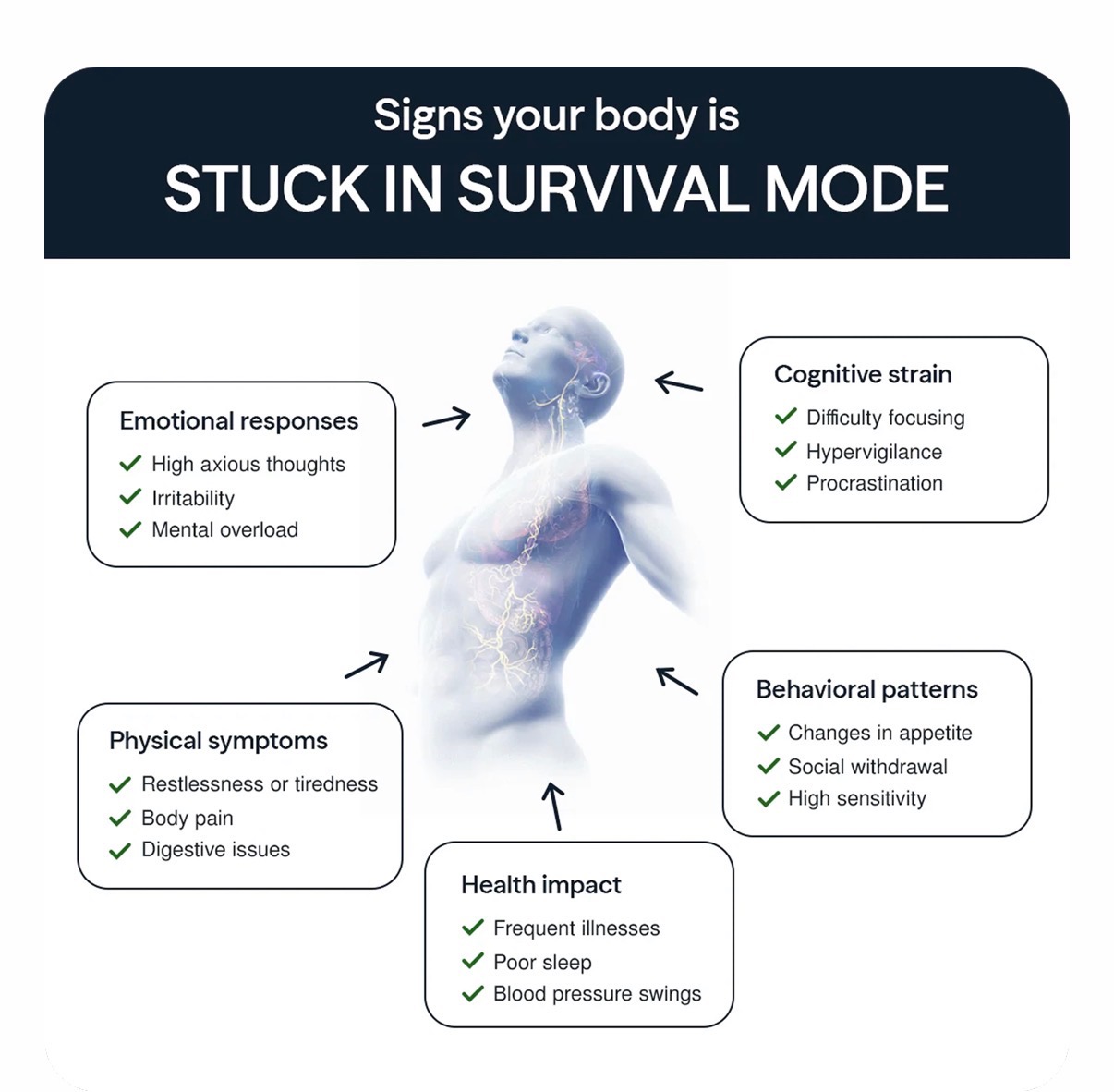
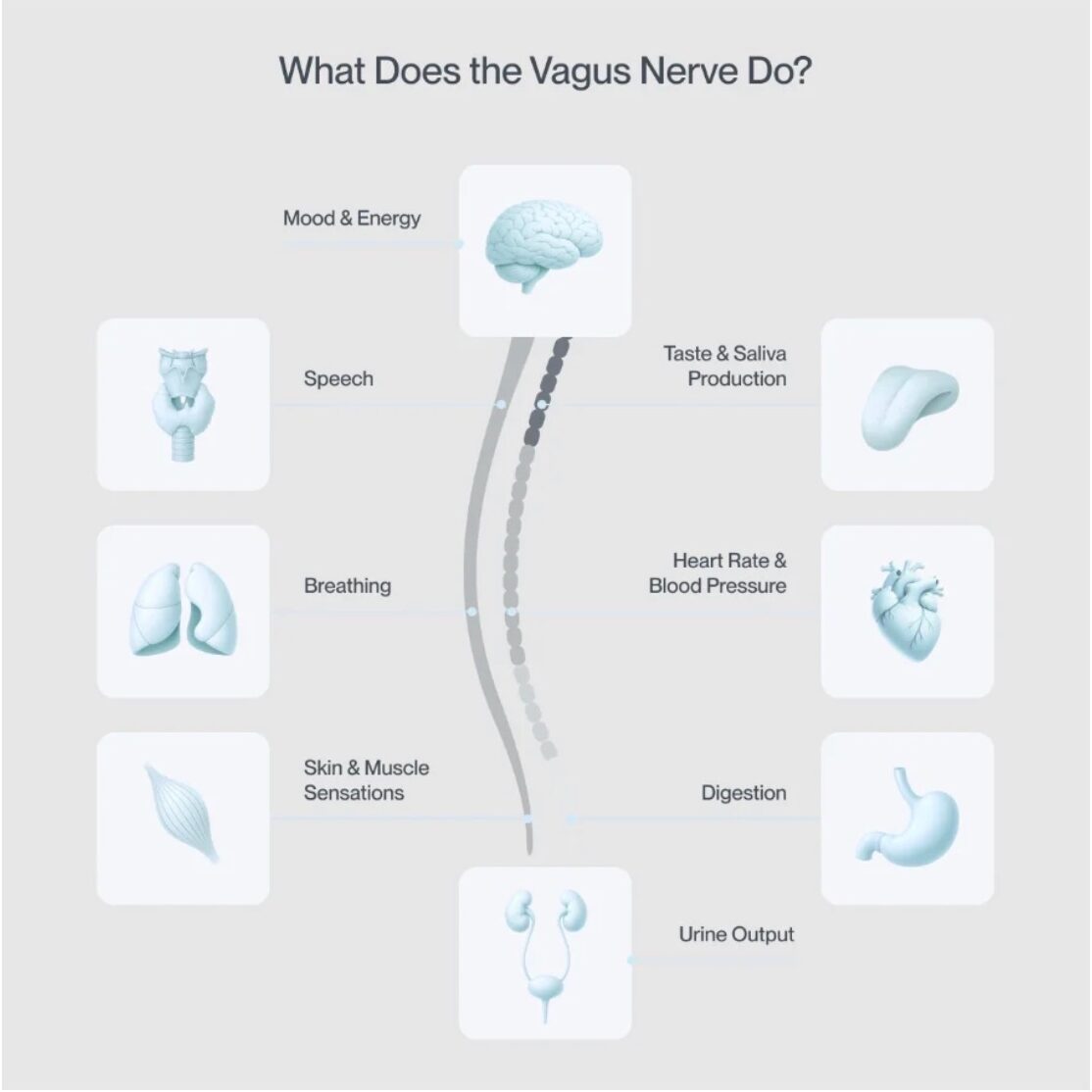
Our bodies are built to respond to challenges. The nervous system helps coordinate changes in heart rate, breathing, and digestion as we move between activity and rest. When demands keep coming, we may feel as if we are always “on,” tense, distracted, exhausted, or unable to settle down even when we finally have a quiet moment.
People sometimes call this being “dysregulated.” The word can describe difficulty shifting out of a heightened stress state, but it is broad and does not name one specific condition. Stress, fatigue, sleep disruption, and anxiety can have many causes. Still, the feeling many people recognize is real: I’m tired, but I can’t seem to slow down.
When Resilience Becomes Another Demand
We often praise resilience as the ability to keep going. Athletes are taught to push through hard training. Parents push through long days because someone depends on them. Professionals keep working because the next deadline is already waiting.
But resilience is not simply enduring more. It also includes the capacity to recover after effort. Without enough recovery, pushing through can become the only mode we know.
The holidays can make this gap especially visible. A person may be surrounded by people and still feel depleted. They may look forward to a gathering and then need time alone afterward. They may keep saying yes because they want to make others happy, while ignoring signs that they need a pause.
Rest can mean sleep, but it can also mean a few minutes between commitments, a walk without a performance goal, asking someone else to take a task, or letting a tradition be simpler this year. These choices do not make us less committed. They help make our commitments sustainable.
Recovery for the Athlete, the Parent—and Everyone in Between
For an athlete, recovery is part of training. Adaptation does not happen only during the workout; it depends on what follows, including sleep, nutrition, and appropriate rest. A harder session is not always a better session if the athlete has not recovered enough to benefit from it.
Parents face a different version of the same challenge. Their work is often emotional and logistical, and it can be difficult to find a clear “off switch.” A short pause will not erase the demands of parenting, but noticing the need for recovery can help a parent respond with more intention instead of running on empty.
The point is not to make athletes and parents identical. Their stressors differ. But both can benefit from recognizing that recovery is a basic part of functioning, not a prize reserved for after everything is finished.
Where Emerging Tools Fit
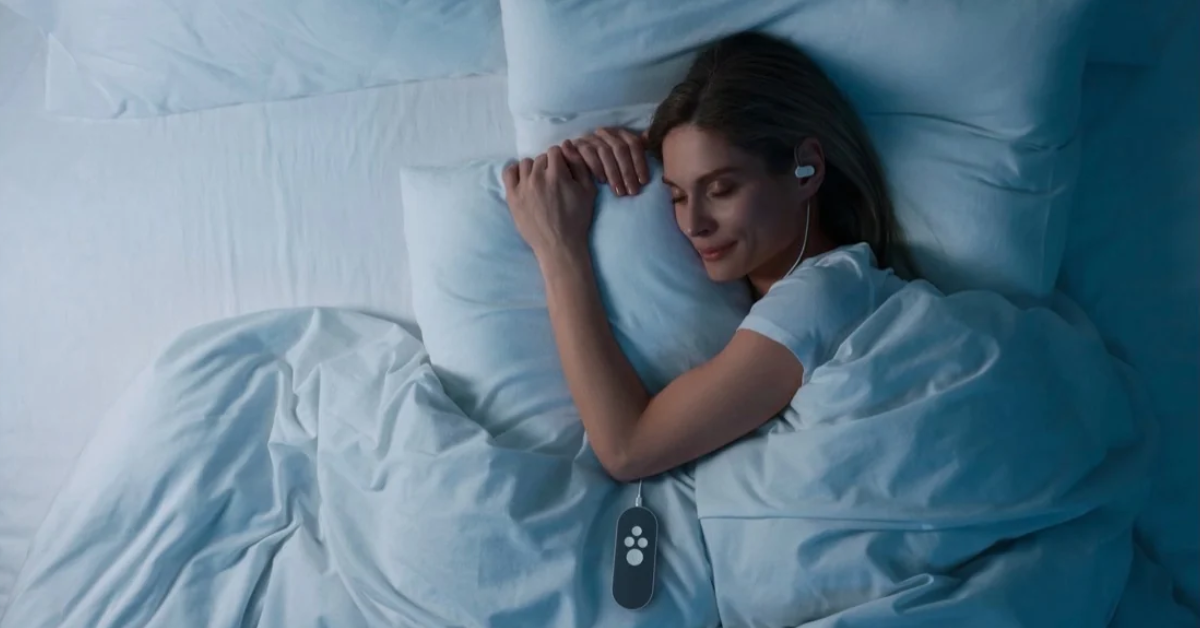
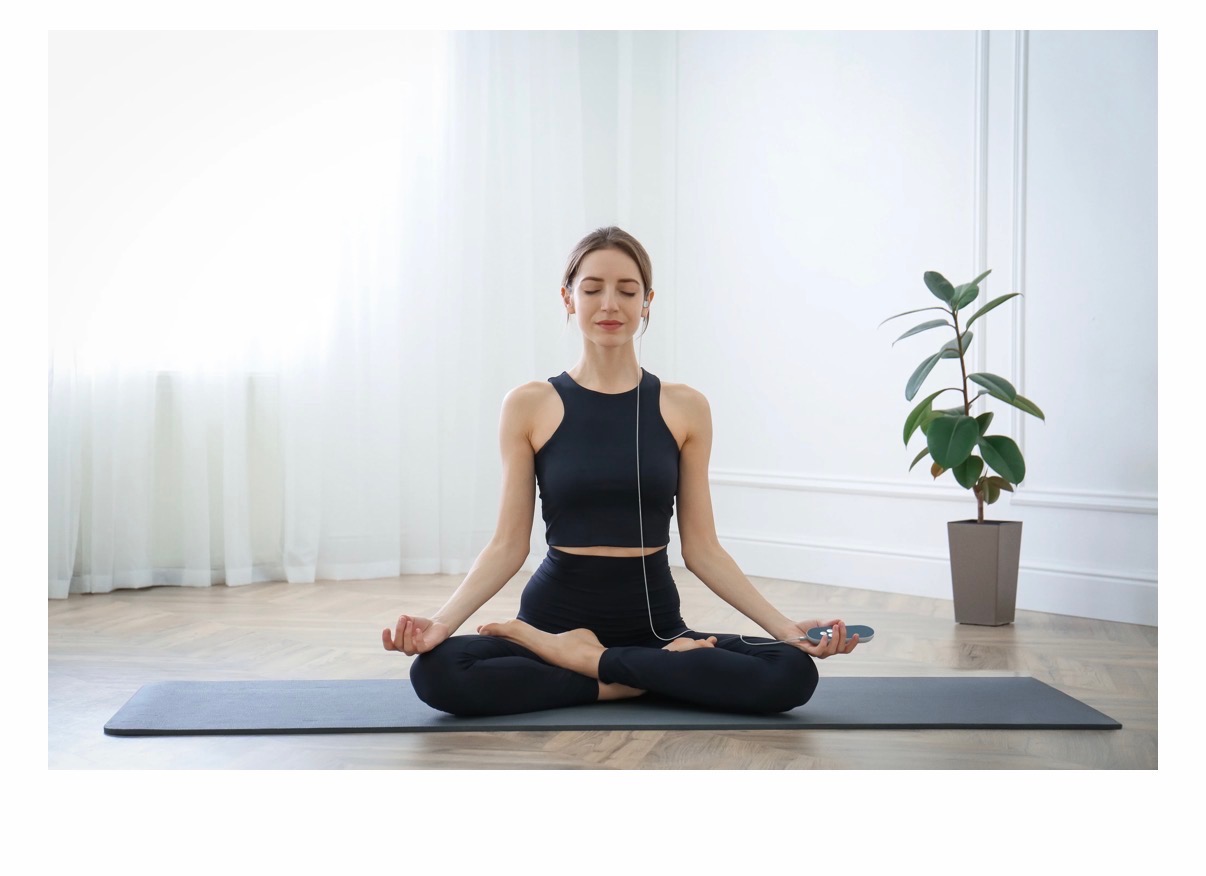
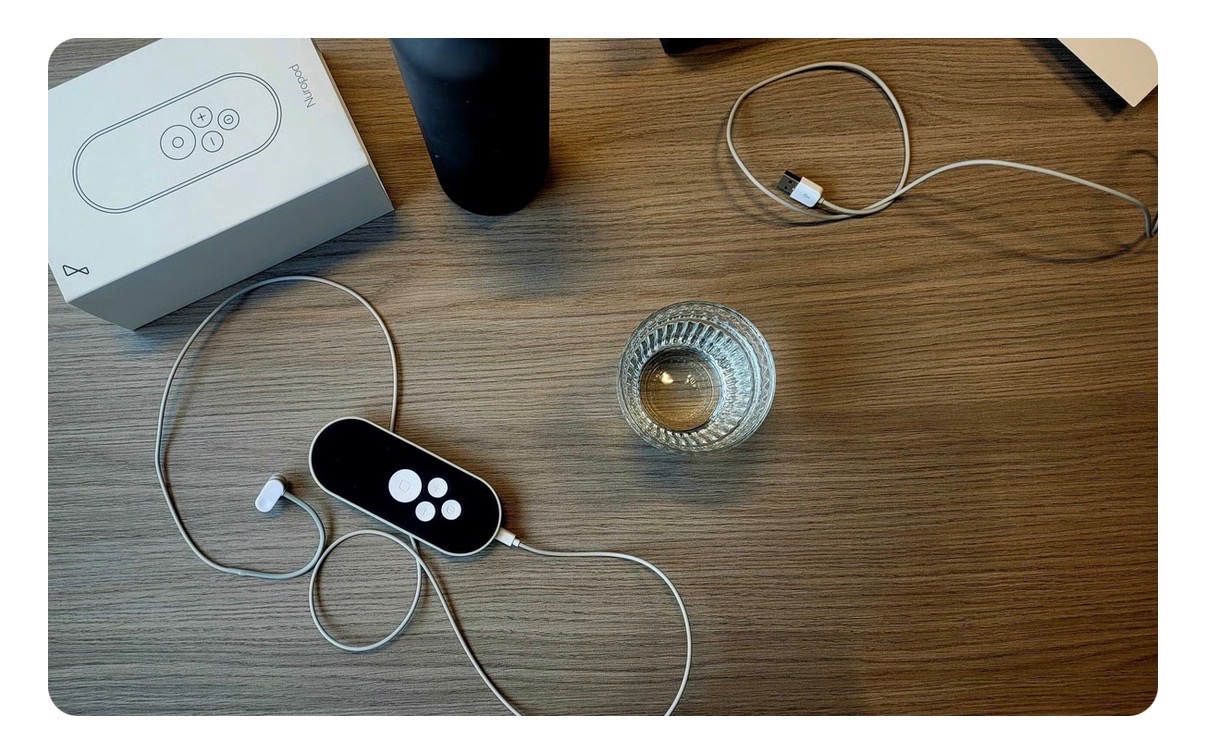
Interest in nervous-system health has also led people to ask about noninvasive neuromodulation. Nuropod, a wearable device from Parasym, delivers electrical stimulation through the ear. The company describes its approach as Auricular Vagal Neuromodulation Therapy, intended to influence signaling through a branch of the vagus nerve.
In practical terms, a person wears the device at the ear for a set stimulation session. Someone might choose to make that session part of a planned recovery routine, for example, during a quiet wind-down after training or at the end of a demanding day. The research does not establish that it must be used at a particular time, that it works better for athletes than parents, or that using it during activity improves performance. Its most defensible role in this article is as an emerging tool people may explore while researchers study how specific stimulation protocols affect specific outcomes.
What are we trying to obtain? Researchers may measure physiology such as heart-rate variability, or assess outcomes such as sleep or fatigue using validated scales. A user may also be interested in whether they personally notice a change in how settled or rested they feel. Those are related questions, but they are not interchangeable: a shift in a biomarker does not guarantee a felt benefit, and one person’s experience cannot establish a general effect.
Research into transcutaneous auricular vagus nerve stimulation, or taVNS, is growing. A 2022 PLOS ONE study in healthy young people found changes in several heart-rate-variability measures during stimulation compared with sham stimulation. The authors also described the research as preliminary and noted that protocols vary across studies. A change in HRV is a physiological finding; by itself, it does not prove that a person feels calmer, performs better, or has become more resilient.1
A 2024 sham-controlled trial in JAMA Network Open studied taVNS for chronic insomnia in 72 participants and found greater improvement in sleep-quality scores in the active-stimulation group. That is a promising result in a specific clinical population. It does not show that Nuropod will have the same effect for every person or that it treats ordinary holiday stress.2
Nuropod’s website also summarizes research using Parasym’s proprietary technology, including studies of repeated use and self-reported symptoms. Those findings should be considered in light of each study’s design, participants, and comparison group; results in one study population cannot automatically be applied to athletes, parents, or all consumers. The company reports, for example, symptom-score changes after repeated sessions in specific study groups; those are not promises of the same result for a consumer.3
The distinction between one session and consistent use matters. A single session may produce a short-term change in a physiological measure under study conditions. Repeated protocols have been studied over days or weeks for particular health outcomes. Some studies report effects lasting through a defined follow-up period, but that does not show that long-term use permanently “resets” the nervous system or creates lasting resilience in the general population.4 Reviews note that stimulation methods and study quality vary, and that the lasting effect of repeated use remains an open research question.5
For athletes specifically, early evidence does not yet establish that vagus nerve stimulation reliably improves performance. A randomized study of one session in elite athletes found no statistically significant improvement in its measured performance outcomes compared with sham stimulation.6 A 2026 systematic review found that stimulation may affect some measures of autonomic recovery after exercise, while results varied and evidence for direct performance gains remained limited.7
Nuropod may be part of a person’s interest in recovery, but it is one emerging tool—not a replacement for sleep, appropriate training, medical care, or the everyday practices that make recovery possible. Anyone considering a device should ask what evidence applies to that exact device and goal, and discuss relevant health questions with a qualified clinician.
A Reminder for the Season
As the holidays approach, consider choosing one thing to make more manageable. Leave a little space between events. Protect a bedtime when you can. Say no to one obligation that does not need to be yours. Take a short walk or a quiet moment before moving into the next part of the day.
The goal is not to create a perfect, stress-free season. It is to notice when you are carrying too much and to treat recovery as part of caring for yourself and the people who depend on you.
Resilience is not only the ability to keep going. It is also knowing that rest belongs in the plan.