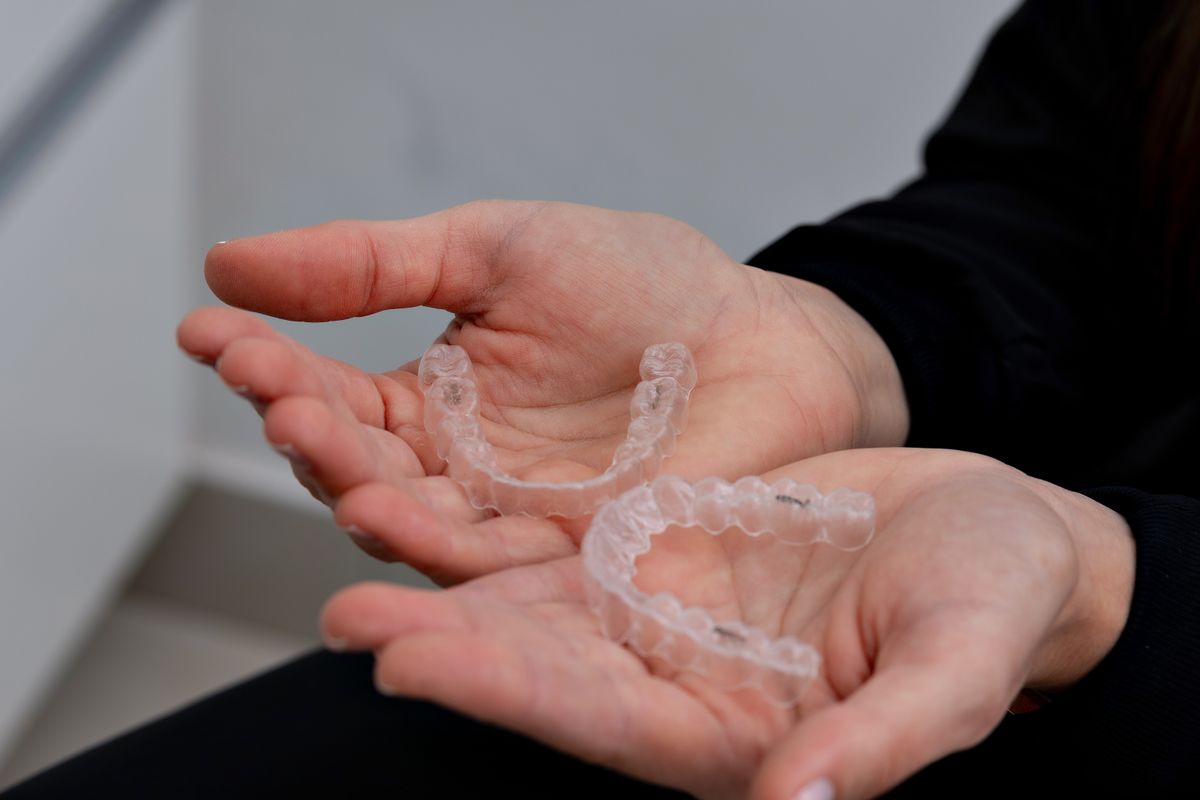
Your aligner tray is a snitch. It keeps a quiet record of every coffee you sip with it in, every hour you skipped, every night you fell asleep on the couch and forgot to put it back. Most people never read that record. They just hand the tray to their orthodontist and hope for a gold star.
Here is the good news: the record is legible, and it’s fixable. If you’re weighing treatment options in Georgia, you can start with clear aligners in johns creek from Brookhaven Orthodontics and then pay attention to what your own tray tells you between visits. This guide shows you how to read the clues, which ones actually matter, and what to change this week.
Think of it as a small habit audit. You don’t need an app. You need twenty minutes of honesty and a bathroom mirror.
Why bother reading the tray at all?
Because a tray that sits in your pocket for nine hours tells a story your smile will repeat in six months. Clear trays only work when they’re worn, and the pressure they apply is cumulative. Miss enough hours and the next tray in the series won’t seat properly. You’ll feel a dull ache, the aligner will rock when you bite down, and your orthodontist will see it in the fit before you say a word.
I’ve watched this play out with friends who treat the tray like a retainer instead of an active device. The ones who finish on schedule are almost never the most disciplined people. They’re the ones who built the tray into a routine they already had, like pouring morning coffee or plugging in a phone at night.
The American Dental Association notes that orthodontic treatment works best when patients follow their provider’s instructions on wear time, and that’s the whole game here. No tool fixes a tray that’s sitting in a case on your desk.
Five clues, one habit each
Read your tray like a page of handwriting. Each clue below maps to a habit you can adjust, and most of them are worth five minutes of attention.
Yellow or cloudy edges: you’re drinking more than water with the tray in, or you’re skipping the rinse. Rinse after every meal and brush the tray before bed.
White crust at the molars: that’s dried saliva and bacteria, not a stain. It means the tray goes in before your mouth is clean. Clean the tray first, then put it back.
Easing the tray in with your fingers at the sides: you’re seating the aligner unevenly, and the pressure lands on one molar. Use both thumbs evenly and check the fit on both sides before you trust it.
Mild ache on day three: this is normal. A tray that still hurts badly on day ten isn’t seating and needs a call.
A case in your bag that’s never open at lunch: the tray is going in on an unrinsed mouth, or staying out until evening. Pick one habit.
Two of those clues are worth acting on the same day. The rest can wait for your next visit. If your tray is cloudy and still aches on day ten, you’re looking at a fit problem, not a hygiene problem, and those need different fixes.
What the tray won’t tell you
Your tray tells you about your habits. It can’t tell you about the shape of your bones, the way your bite sits, or whether your upper and lower jaws are meeting in a way that’ll hold once the trays come off. That’s the orthodontist’s job, and it’s why the “clear aligners work for everyone” line you see in ads is nonsense.
According to the American Dental Association, orthodontic treatment should be planned and supervised by a licensed dental professional, and aligner treatment is no exception. A generic plan you order online can’t see your bite. Your tray is the feedback loop; the doctor is the plan.
Here’s where I’d push back on the DIY crowd: the tray looks like a simple plastic object. It is not. It’s a calibrated device that only works when the plan behind it matches what your mouth is actually doing. You wouldn’t serve yourself a steak with a scalpel and call it surgery.
The three-week reset
If your tray record is messy, don’t overhaul your whole life. Run this for three weeks and you’ll almost certainly see a cleaner tray and a faster fit. I call it the five-minute tray check: five minutes a day, one minute after each meal and one extra minute before bed.
Week one, dining: set a tray case on the table before you order. Take the tray out, eat, rinse, tray back in. Nothing in your mouth except water.
Week two, cleaning: pick one time of day, always the same time, to brush the tray. Right after your own brushing is easiest. No soap, no hot water, no denture tablets unless your provider says otherwise.
Week three, tracking: put a sticky note on the bathroom mirror and make one tally mark each night you wear the tray through the night. Seven marks in a week is the goal.
Track the tallies in a notes app if sticky notes feel juvenile. What matters is that you see the pattern. The MouthHealthy guidance from the ADA is a solid baseline for general oral care, but aligner wear time is going to come from your own provider’s instructions, not a general article.
One thing I’d skip: fancy aligner-cleaning gadgets. A soft brush and cool water does more than any device I’ve seen, and it’s less likely to warp the tray.
| Clue | What it usually means | First fix |
|---|---|---|
| Cloudy tray | Sugary or staining drinks with tray in | Water only during wear |
| Rocking at the molars | Tray isn’t seated evenly | Seat with both thumbs, check both sides |
| Pain past day ten | Fit issue or skipped hours | Call the office |
| White crust | Inserting on an unclean mouth | Brush and rinse first |
The habits that actually decide your finish line
The Centers for Disease Control and Prevention has long tracked the fact that oral health is tied to everyday routines more than to any single product, and that’s the frame that matters here. Your finish line is set by the small, repetitive choices: the twenty seconds before bed, the decision to skip the iced tea, the call to the office when a tray won’t seat.
If you’re a teen, this is where a parent helps without hovering. One check at bedtime, one weekly look at the tray, no lecture. If you’re an adult, this is where you stop treating the tray like an accessory and start treating it like a tool you’re responsible for.
I’d take a boring, well-worn tray over a spotless one that only shows up at night. The boring tray is doing its job.
Reading your record at your next visit
Before you walk into the office, do two things. Look at the tray under bright light, and write down three answers: how many hours you actually wore it, what you drink with it in, and whether it seats evenly on both sides. Bring those answers. They turn a routine check into a useful conversation.
Your tray is honest, even when you aren’t. So read it, fix one habit this week, and let the next tray in the series do its job. Which clue in your own tray are you going to deal with first?