Healthy veins are responsible for keeping blood flowing through the body. Veins deliver blood to the heart and ensure adequate circulation. But certain conditions can affect vein function, leading to leg pain, swelling, and visible veins. There are times when ignoring signs is ill-advised, as these conditions can turn more serious.
Notice Changes in the Appearance of Your Veins
Veins often appear to be enlarged. This can occur with veins becoming visible through the skin. These vein abnormalities become apparent when you are standing. Vein issues may have few, if any, symptoms. However, many people report unusual feelings, most often pain, heaviness, or itching in the area. Your health care provider should be consulted if your veins are noticeably changing.
Understand When Professional Vein Care Is Needed
Many causes exist for vein issues, and therefore many solutions and vein specialists can diagnose them. After reviewing your history and evaluating your vein issues, your vein doctor may request diagnostic testing. If you are experiencing persistent vein-related symptoms, consulting a vein doctor in Ridgewood can help you understand your condition and explore suitable treatment options. Most diagnoses will result in treatment and care, which can include lifestyle changes, compression therapy, and even certain medications. Other diagnoses will require treatment, which may be minimally invasive procedures.
Do Not Ignore Leg Pain and Swelling
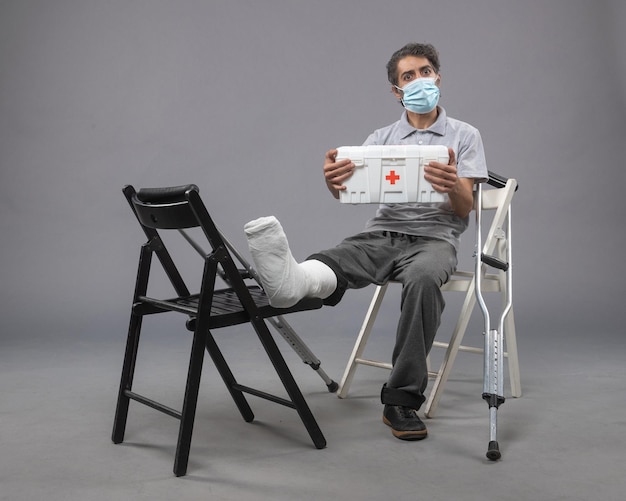
Circulation problems can cause symptoms such as swelling and pain in the legs, and many medical conditions can cause these issues as well. In many cases, these symptoms develop from being in a particular position, such as sitting or standing, for a long period. If your swelling becomes painful, interferes with your daily life, or is chronic, you should schedule a doctor’s visit. Sudden swelling in one leg should be considered a medical emergency and requires an urgent visit to the doctor if accompanied by warmth or pain in that leg, because swelling may indicate that a blood clot has formed.
Watch for Skin Changes Around Your Legs
There can be long-term vein problems that can lead to changes in your skin around the lower part of your legs and your feet. This can cause you to experience dry skin, and you may also find that your skin itches or develops color and begins to irritate you. If you have a chronic lack of blood flow in that region, you may develop skin damage around your feet, specifically at your ankles, where sores can form. There is no reason to put off medical treatment because if you find the root cause, you can stop further issues from developing.
Recognize the Importance of Early Evaluation
Many people push back on booking their medical checkups due to the idea that vein disorders are purely aesthetic. Unfortunately, some vein disorders negatively affect health, mobility, and general comfort. Early consultations mean doctors can spot issues and work out a plan of action. Being active and eating healthy can assist with blood flow, as can limiting sitting and taking steps such as following medical orders.
Conclusion
There are several symptoms associated with vein disorders such as visibly dilated veins, leg swelling, and changes to the skin. Listening to these signs, in conjunction with seeking professional medical assistance, will reduce the risk of symptoms. When you have unusual and lingering symptoms, be sure to have an evaluation from a medical specialist.