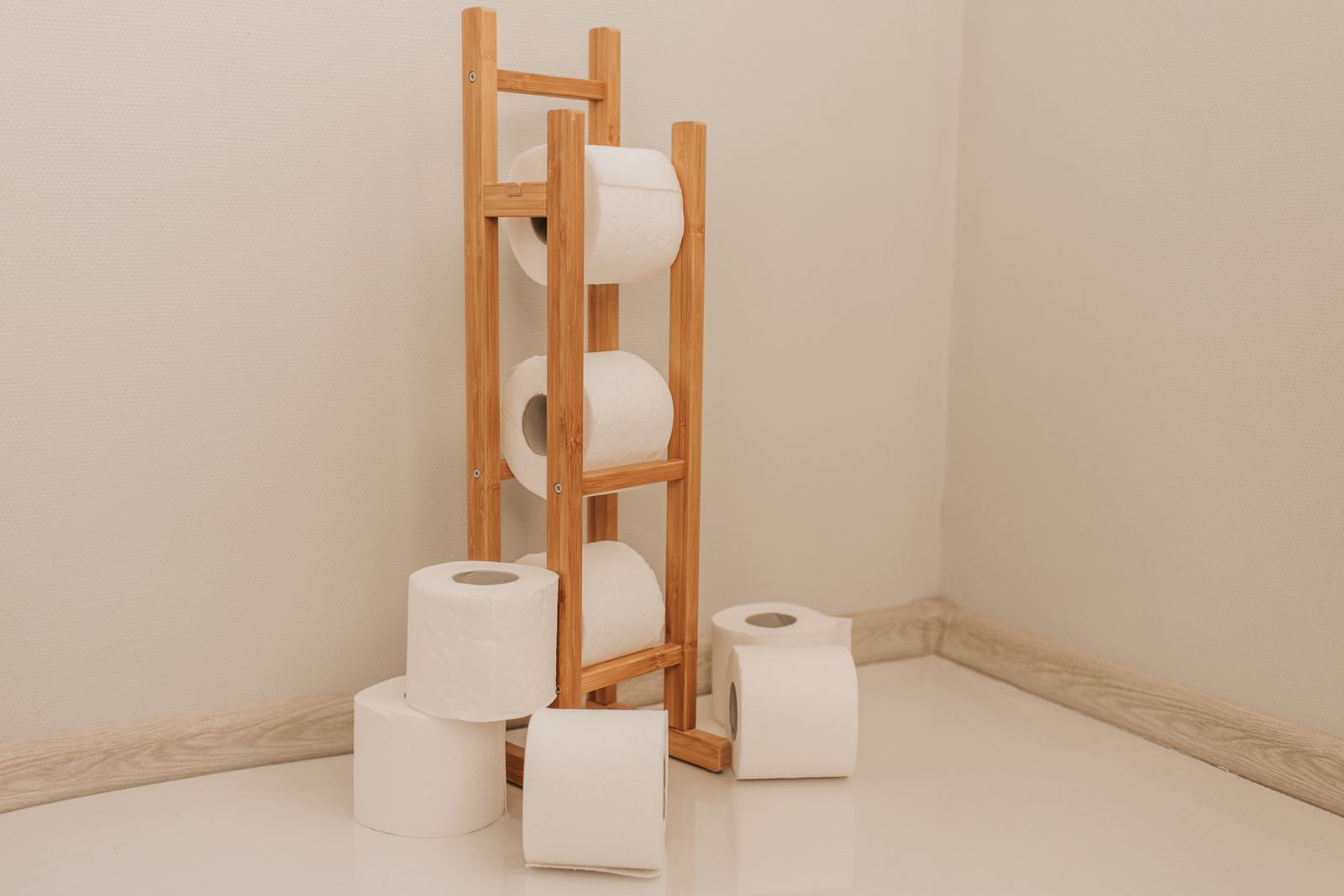
Toilet paper isn’t something most people think about. You grab a roll at the store, use it, and move on. But for women’s health, this choice actually matters more than most realize.
Different toilet papers contain different materials, chemicals, and textures. Some can disrupt pH balance. Others trap bacteria. Some cause microabrasions that make infections more likely.
This guide breaks down how toilet paper affects women’s health and what to look for when choosing a product that protects your body.
How Toilet Paper Affects Women’s Health
pH Balance and Vaginal Health
The vagina maintains a delicate pH balance between 3.8 and 4.5, acidic enough to prevent harmful bacteria from growing but balanced enough to support beneficial bacteria like lactobacillus.
Toilet paper that’s too harsh, bleached, or chemically treated can disrupt this balance. Once pH goes off, infections follow. Bacterial vaginosis, yeast infections, and urinary tract infections all become more likely when pH is compromised.
Using gentle toilet paper that doesn’t introduce irritants helps maintain that protective barrier.
Chemical Exposure
Conventional toilet paper undergoes extensive processing. Bleaching, dyes, perfumes, and chemical softeners are added to make it white and soft. These chemicals sit directly against sensitive tissue, the most absorbent part of your body.
Over time, repeated exposure to these chemicals can cause the following:
- Irritation and burning
- Allergic reactions
- Disruption of healthy bacteria
- Increased vulnerability to infections
Women with sensitive skin experience this more acutely, but everyone’s health is affected to some degree.
Texture and Microabrasions
Rough or poorly made toilet paper can cause microscopic tears in vaginal tissue. These tiny abrasions are too small to notice, but they damage the protective barrier against bacteria and viruses.
Softer, higher-quality paper prevents these microabrasions and keeps tissue intact.
Conventional Toilet Paper: What’s Actually In It
Most conventional toilet paper starts as wood pulp and goes through several chemical processes.
Bleaching: Chlorine is used to whiten paper. This is absorbed into tissue and can irritate sensitive areas. Over time, repeated exposure disrupts the natural pH.
Softening agents: Quaternary ammonium compounds (quats) are added to make paper feel soft. These disrupt vaginal bacteria and can trigger infections.
Dyes and inks: Even “white” paper contains dyes to achieve that bright color. These irritate tissue and introduce foreign chemicals.
Fragrance: Perfumed toilet paper adds unnecessary chemicals directly to an area that should stay unscented. This is a common trigger for irritation and infections.
All these chemicals accumulate with daily use. For women, this constant exposure directly affects vaginal health.
Organic Toilet Paper: A Healthier Alternative
Organic toilet paper, such as bamboo-based toilet paper, avoids most of these chemicals.
Why Bamboo Is Better for Health
Bamboo grows fast without pesticides, herbicides, or GMOs. When processed into toilet paper, minimal chemicals are needed because bamboo fibers are naturally soft and strong.
Gentler processing: Organic bamboo toilet paper uses fewer chemicals overall. The fibers don’t need heavy bleaching or aggressive softening.
No fragrance or dyes: Quality organic options stay unscented and uncolored, exactly what women’s health needs.
Better pH balance: Without the chemical load, organic toilet paper doesn’t disrupt vaginal pH the way conventional paper does.
Stronger and softer: Bamboo fibers are naturally stronger than wood pulp, so the paper lasts longer while still being genuinely soft. No harsh texture that causes microabrasions.
Hypoallergenic: For women with sensitive skin or a history of infections, organic options reduce irritation and lower the risk of infection.
Materials Comparison for Women’s Health
Conventional Wood Pulp
The most common choice and the cheapest option. But for health, it’s the worst choice.
Heavy bleaching, dyes, and chemical softeners are standard. Fragrance is common. The combination of chemicals creates a hostile environment for vaginal health.
Women who switch away from conventional toilet paper often report immediately noticing less irritation and fewer infections.
Organic Bamboo
The healthiest choice for most women.
Bamboo grows sustainably without pesticides. Processing involves fewer chemicals. The result is gentle, strong, and safe for vaginal health.
The only downside is cost; organic bamboo toilet paper costs more upfront. But for women dealing with recurring infections or chronic irritation, the health benefit is worth it.
Recycled Paper
A middle ground. Recycled toilet paper avoids the pesticide issue, but it depends on what was recycled and how it was processed.
Some recycled options are chemically treated. Others are minimal-process. Read the label carefully.
Unbleached, Chlorine-Free
Better than conventional but not as ideal as organic.
Unbleached paper avoids the most aggressive chemical processing. But “unbleached” doesn’t mean organic; pesticides and other chemicals may still be present.
How to Choose the Right Toilet Paper for Women’s Health
Read the Label
Look for:
- “Organic” certification
- “Chlorine-free” or “TCF” (totally chlorine-free)
- No fragrance, dyes, or added lotions
- Minimal or no chemical processing listed
Avoid:
- “Whitened” or “bleached.”
- Added fragrance, even “natural” scents
- Dyes or coloring
- Moisturizing additives
Consider Your Individual Needs
For sensitive skin or recurring infections: Go organic. The chemical reduction is worth the cost.
For the budget-conscious: Unbleached, chlorine-free options offer a balance.
For environmental impact: Organic bamboo or recycled options both work.
For normal health: Unbleached or organic both work well.
Test Gradually
Switching to toilet paper can take time for your body to adjust. Give new options at least 2-3 weeks before deciding whether they help.
The Health Benefits Women Report
Women who switch from conventional to organic toilet paper frequently report:
Reduced irritation: Less burning, itching, and general discomfort.
Fewer infections: Bacterial vaginosis and yeast infections occur less frequently.
Better pH balance: Symptoms of imbalance (unusual discharge, odor) improve.
Reduced allergic reactions: Women with sensitive skin notice fewer rashes.
More comfort during periods: Less irritation during menstruation when sensitivity is highest.
Fewer UTIs: Cleaner wiping without chemical irritants reduces UTIs.
These benefits aren’t a placebo. They’re direct results of reducing chemical exposure and supporting natural pH balance.
Cost and Sustainability
Organic toilet paper costs more per roll, typically 2-3 times as much as conventional options.
Over a year, a family might spend an extra 50 on higher-quality paper. But consider the savings:
Doctor visits for infections avoided
Antibiotics not needed
Fewer missed work days
Less time dealing with chronic irritation
For women’s health and quality of life, the investment pays off.
Environmental impact: Bamboo grows faster than trees and requires no pesticides. Organic processing creates less chemical pollution in waterways.
To learn more about making conscious choices for your health and the planet, check out resources like Wythout, which focuses on informed decision-making for health and wellness.
FAQs
Q: Can toilet paper really cause infections?
A: Yes. Chemical irritation, pH disruption, and microabrasions all increase the risk of infection. Switching to gentler, chemical-free options reduces the frequency of infections for many women.
Q: Is organic toilet paper actually softer?
A: Yes. Bamboo fibers are naturally soft and strong, so organic options don’t need harsh chemical softeners. They’re typically softer than conventional paper.
Q: How long does it take to notice a difference?
A: Most women notice improvement within 2-3 weeks. Those with active infections may take longer as the body rebalances.
Q: Is fragrant toilet paper bad for you?
A: Yes, especially for women. Fragrance disrupts pH balance and is a common trigger for irritation and infections. Unscented is always better.
Q: What if I have a current infection?
A: Switch to organic, unscented toilet paper immediately. Avoid any additives. Consider using bidets or water-based cleansing if possible. See a doctor if the infection persists.
Related Reading
For more on women’s health from TopDoctor Magazine, read Gynecology and Women’s Health: Dr. Rachel Spieldoch Shares What You Need to Know About It, Women’s Health Beyond Menopause: Doctor Insights on the Decades That Define You, and The Benefits of Yoga and Meditation for Women’s Health.