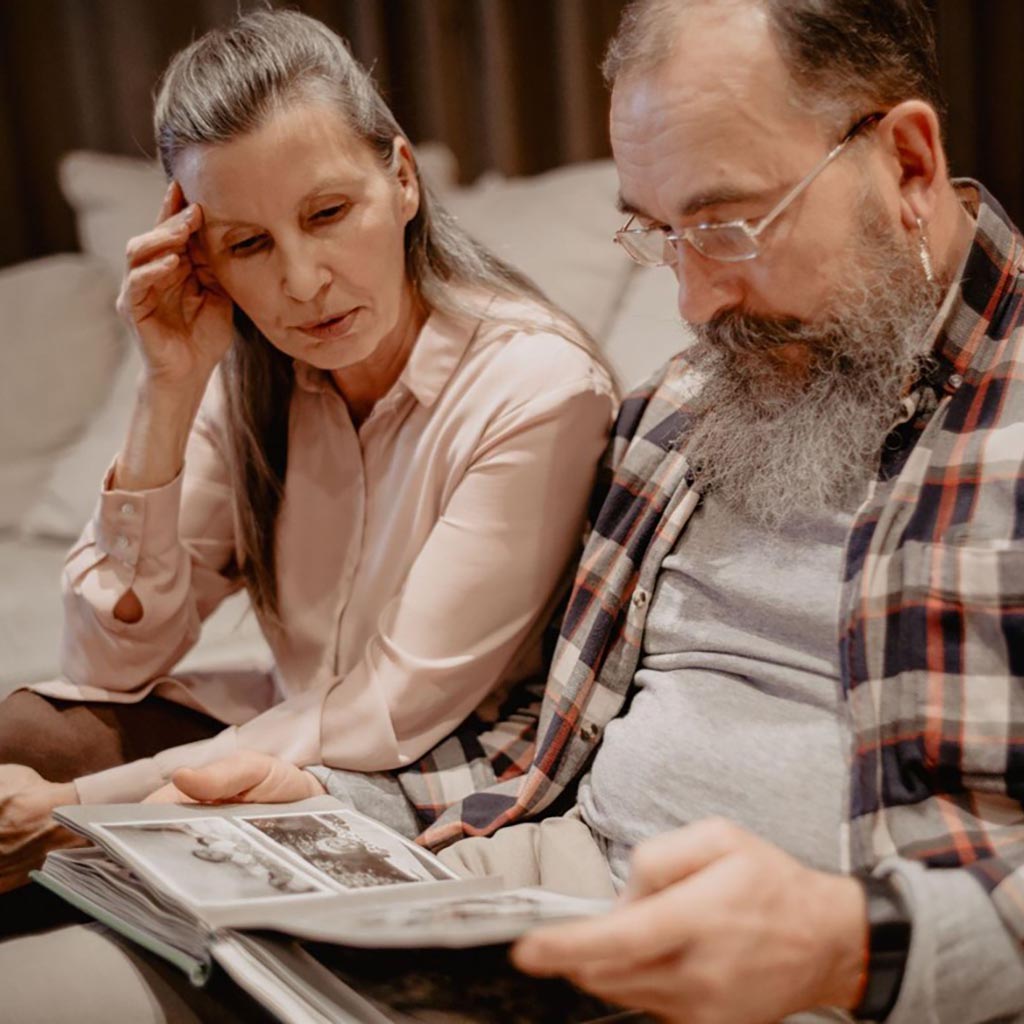
Photo by Mikhail Nilov: https://www.pexels.com/photo/healthy-couple-love-relaxation-6973110/
A New Era of Alzheimer’s Management Outside the Clinic
For decades, Alzheimer’s management centered almost entirely on the clinic. Diagnosis happened there, medication adjustments happened there, follow-up visits happened there. The home was where a family simply coped with whatever the clinic decided during a twenty-minute appointment.
That’s shifting, and the shift has real evidence behind it now. A growing body of 2026 research points to home-based, non-drug approaches doing genuine, measurable work, not as a substitute for medical care, but as an active extension of it that clinics were never structured to provide on their own.
Why Non-Drug Approaches Are Getting Serious Scientific Attention
The shift didn’t start with a general preference for something more natural or less medicalized. It started with a hard limitation in what medication alone can actually do.
A 2026 systematic review published in Frontiers in Aging Neuroscience notes plainly that current pharmacological interventions for Alzheimer’s offer only limited relief and cannot halt neuronal loss or cognitive decline. That’s not a criticism of medication, or an argument against using it. It’s the honest state of the science right now, and it’s exactly why non-pharmacological interventions have moved from a nice-to-have footnote to an active, funded area of serious research in their own right.
The review specifically evaluated physical activity, dietary interventions, and cognitive stimulation therapy, building what the authors describe as an evidence-based framework for using these approaches deliberately rather than incidentally or as an afterthought. None of these interventions happen in an exam room under a physician’s direct supervision. They happen at home, in daily routines, over months and years of consistent practice.
What Senior Care Services in Dr. Phillips Show About This Shift in Practice
This research shift is already showing up in how home care actually gets delivered on the ground, not just in academic journals or conference presentations.
Senior Helpers of Orlando, serving the Dr. Phillips area, structures its dementia and Alzheimer’s care around exactly this kind of ongoing, in-home engagement rather than isolated clinical touchpoints spread weeks apart.
Structured daily routines, consistent caregiver relationships, and activities tailored to cognitive ability reflect the same underlying principle the research describes: management that happens continuously within daily life, not just during a scheduled appointment once a month or every few months.
That distinction matters practically, more than it might sound on paper. A clinic visit captures a snapshot, a single data point in time. A home-based care relationship captures the actual day-to-day pattern, which is precisely where most of the meaningful non-drug interventions the research points to actually need to happen in order to work.
The Technology Layer Making This Possible at Scale
None of this would scale well without some technological support behind it, and that’s exactly where a lot of current research attention is currently going.
A 2026 editorial in Frontiers in Medicine describes assistive technologies as a developing platform for delivering non-pharmacological interventions specifically, combining person-centered assessment with digital health tools for cognitive training and ongoing monitoring. One study cited in the editorial, a cluster randomized controlled trial across 16 community centers in Taiwan, found that a 16-week video-guided multimodal program produced a significant reduction in appetite and eating disturbances among people with dementia, a notoriously difficult symptom to manage well in advanced stages of the disease.
That’s a meaningful clinical result achieved without introducing a new medication at all, delivered instead through structured, technology-supported programming rather than a traditional clinical intervention requiring a prescription.
Watching the Caregiver, Not Just the Patient
Part of what makes home-based management genuinely new is that some of it now actively monitors the caregiver directly, not just the person living with dementia.
Research published through PMC describes an in-home smart health intervention that monitors stressful moments for caregiving dyads using acoustic signals, then delivers real-time stress management strategies directly to the caregiver in the actual moment of difficulty. That’s a genuinely different model than traditional caregiver support, which usually happens well after burnout has already set in, at a support group meeting or a follow-up appointment weeks later.
Catching caregiver stress as it actually happens, rather than reviewing it retroactively after the fact, is only really possible outside a clinic setting, where the stress is occurring in real time, in the actual home, not recalled secondhand during a scheduled visit.
Why the Scale of This Matters Now
The timing of this shift isn’t a coincidence or a passing trend. It’s responding directly to a scale problem that clinic-only models were never built to handle in the first place.
An estimated 7.4 million Americans age 65 and older are living with Alzheimer’s dementia in 2026, and unpaid caregivers provided more than 19 billion hours of care in 2025 alone. No clinic infrastructure, however well resourced or well staffed, can realistically absorb that volume of ongoing daily management through scheduled appointments alone. The math simply doesn’t work out, no matter how the system gets restructured.
Home-based approaches aren’t replacing clinical care in this picture, and that framing would be a mistake. They’re absorbing the enormous portion of daily management that was never going to happen inside a clinic to begin with, whether the formal research and reimbursement systems caught up to that reality or not.
What This Actually Means Going Forward
None of this suggests skipping medical care or treating home-based approaches as a substitute for a physician’s involvement.
What it does suggest is that the meaningful, day-to-day work of managing Alzheimer’s, the parts that determine quality of life far more than any single appointment ever could, is increasingly happening outside clinic walls, backed by real evidence rather than just necessity or resignation. That’s a genuine shift in how the disease actually gets managed, not just where it gets managed.
The clinic remains essential for diagnosis, medication management, and monitoring disease progression over time. The daily work of actually living with the condition well, it turns out, was always going to happen somewhere else entirely, whether medicine formally recognized that fact or not.