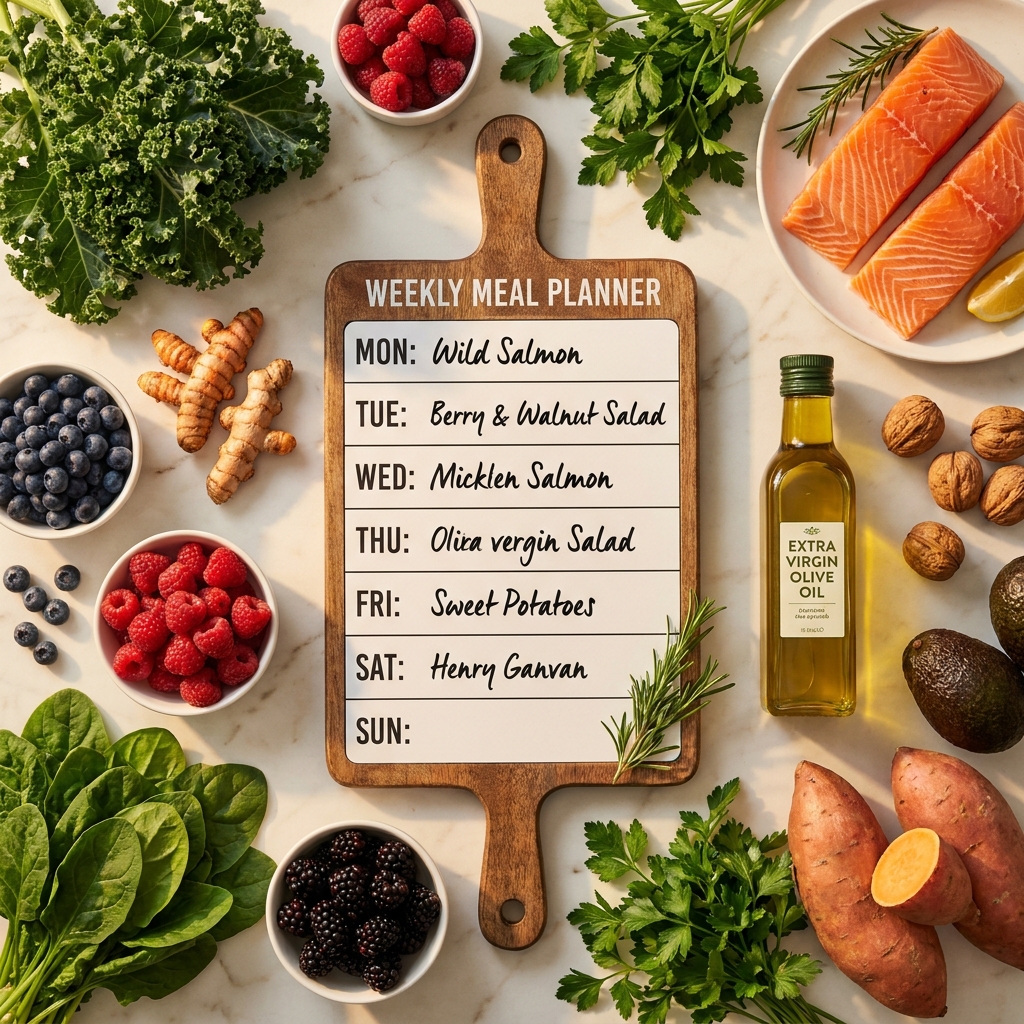
Your 7-Day Anti-Inflammatory Diet Menu: Meals That Fight Chronic Inflammation
Introduction: Why Your Diet May Be Fueling Chronic Inflammation
Six out of 10 adults in the United States have at least one chronic condition, and chronic diseases cause 7 in 10 deaths each year, according to a U.S. Department of Veterans Affairs Evidence Map. Behind many of these conditions lies a quiet, persistent driver: low-grade chronic inflammation.
Often called “silent inflammation,” this low-level immune activation rarely announces itself with obvious symptoms. Yet it is closely linked to cardiovascular disease, type 2 diabetes, Alzheimer’s disease, certain cancers, and autoimmune conditions (NIH StatPearls). The food consumed every day either raises or lowers that inflammatory load, which makes a structured meal plan one of the most actionable starting points available.
This 7-day menu differs from generic “eat healthy” advice. Every meal is grounded in the Dietary Inflammatory Index (DII) and current research. Readers can expect a complete day-by-day plan covering breakfast, lunch, dinner, and snacks, plus the science behind each choice. Measurable reductions in inflammatory biomarkers like CRP and IL-6 can begin within 2 to 6 weeks of consistent change, with more robust results typically seen at 8 to 12 weeks.
Understanding the Dietary Inflammatory Index (DII): The Science Behind the Menu
The DII is a validated scoring tool that rates diets on a scale from −8.87 (highly anti-inflammatory) to +7.98 (highly pro-inflammatory), based on 45 food components. It tracks key biomarkers including CRP, IL-1β, IL-4, IL-6, IL-10, and TNF-α. Elevated levels of these markers signal the kind of chronic immune activation that quietly damages tissues over years.
The goal of this menu is straightforward: consistently push the daily DII score toward the negative, anti-inflammatory end of the spectrum. A 2026 Frontiers in Immunology article positions the DII as a practical integrative metric aligned with the 2025 to 2030 U.S. Dietary Guidelines, which now explicitly warn against highly processed foods with artificial dyes and heavy preservatives. The stakes extend to the brain as well: a higher DII score has been linked to lower cognitive function, including deficits in language, attention, and executive function (Food & Function, 2025).
The Anti-Inflammatory Diet at a Glance: Core Principles
The anti-inflammatory diet is not a branded or rigid program. It is an evidence-based dietary pattern grounded primarily in the Mediterranean model, which holds the strongest randomized controlled trial evidence for reducing chronic inflammatory load. A 2026 Nutrition Reviews umbrella review found that Mediterranean and vegetarian dietary patterns most consistently reduce low-grade inflammation in adults with chronic conditions.
A 2025 BMJ Nutrition meta-analysis reinforced this finding, linking anti-inflammatory diets to significant improvements in physical health-related quality of life across 23 RCTs involving 3,294 participants. Yet roughly 90% of Americans do not eat enough fruits and vegetables, the cornerstone of any anti-inflammatory menu (Harvard Health). As the Mayo Clinic Health System notes, no single food makes a diet anti-inflammatory; it is the cumulative daily pattern that matters. Fiber plays a central role, feeding beneficial bacteria that produce short-chain fatty acids like butyrate, which regulate immune responses throughout the body.
Foods That Fight Inflammation: Your Anti-Inflammatory Pantry
- Fatty fish (salmon, mackerel, sardines): reduced circulating cytokines in 78% of studies reviewed (MDPI Nutrients, 2025).
- Fruits and berries: the food group with the highest cytokine-reduction rate (80%), rich in polyphenols.
- Extra virgin olive oil: contains oleocanthal, a compound with ibuprofen-like anti-inflammatory effects.
- Leafy greens, cruciferous vegetables, turmeric, ginger, walnuts, almonds, and legumes: recommended at 1 to 2 servings daily per the 2026 Anti-Inflammatory Food Pyramid.
- Fermented foods (kefir, yogurt) and whole grains: dairy showed cytokine reduction in 67% of studies; cereals showed reduction in 64%.
- Beverages: green tea, coffee in moderation, and turmeric lattes.
Foods That Worsen Inflammation: What to Remove From Your Menu
The primary pro-inflammatory culprits are refined sugars, ultra-processed foods, trans fats, refined seed oils (soybean, corn), processed meats, white bread, and excessive alcohol. Refined seed oils shift the omega-6 to omega-3 ratio unfavorably, driving systemic inflammation, while ultra-processed foods damage the gut lining and activate inflammatory genes.
Plant-based diets promote colonization of beneficial bacteria, while meat-heavy diets may encourage harmful microbial shifts associated with systemic inflammation. Practical swaps make this transition manageable: replace refined seed oils with extra virgin olive oil, white bread with whole grain sourdough, and processed snacks with nuts and berries. Knowing what to remove makes the menu more effective, not more restrictive.
Your Complete 7-Day Anti-Inflammatory Diet Menu
Each day is designed to keep the DII score in the negative range, prioritize foods with the strongest cytokine-reduction evidence, and remain practical for real-world use. The framework is Mediterranean-inspired, and consistency over 2 to 6 weeks is when initial biomarker changes typically become measurable.
Day 1: Jumpstart With Omega-3s and Polyphenols
- Breakfast: Wild blueberry and walnut overnight oats with ground flaxseed and a drizzle of honey.
- Lunch: Mixed greens salad with wild-caught canned salmon, cherry tomatoes, cucumber, olives, and an olive oil lemon dressing.
- Dinner: Baked salmon with roasted broccoli and quinoa, seasoned with turmeric and black pepper (piperine boosts curcumin absorption).
- Snacks: A handful of walnuts; green tea with lemon.
- Budget swap: Canned wild salmon and frozen blueberries.
Day 2: Gut Health and Fiber Focus
- Breakfast: Greek yogurt parfait with mixed berries, chia seeds, and walnuts.
- Lunch: Lentil and vegetable soup with whole grain sourdough.
- Dinner: Stir-fried tofu with bok choy, shiitake mushrooms, garlic, and ginger over brown rice with low-sodium tamari and sesame oil.
- Snacks: Apple slices with almond butter; an unsweetened turmeric latte.
- Gut-brain note: Butyrate from lentil fiber regulates immune signaling, including neuroinflammation.
Day 3: Mediterranean Midweek Reset
- Breakfast: Avocado toast on whole grain bread with two poached eggs, sliced tomatoes, and fresh herbs.
- Lunch: Chickpea and roasted red pepper wrap with hummus, arugula, and lemon.
- Dinner: Grilled mackerel with a Greek-style salad and a side of farro.
- Snacks: Mixed berries; unsweetened kefir.
Day 4: Plant-Powered Anti-Inflammatory Day
- Breakfast: Smoothie bowl with spinach, mango, banana, flaxseed, and almond milk, topped with pumpkin seeds and berries.
- Lunch: Black bean and sweet potato burrito bowl with brown rice, salsa, avocado, and lime.
- Dinner: Roasted vegetable and white bean stew with kale, tomatoes, rosemary, and olive oil.
- Snacks: Celery and carrot sticks with tahini; a square of 70%+ dark chocolate.
Day 5: Anti-Inflammatory Comfort Food
- Breakfast: Warm turmeric oatmeal with banana, cinnamon, ginger, and almond butter.
- Lunch: Sardine and avocado open-faced sandwich on rye with cucumber and red onion.
- Dinner: Chicken and vegetable curry (turmeric, ginger, garlic, tomatoes, spinach, chickpeas) with brown or cauliflower rice.
- Snacks: A handful of almonds; green tea.
- Budget note: Sardines are among the most affordable omega-3 sources available.
Day 6: Weekend Prep and Anti-Inflammatory Indulgence
- Breakfast: Smoked salmon and scrambled eggs with sautéed spinach and sliced tomatoes.
- Lunch: Quinoa tabbouleh with parsley, mint, cucumber, tomatoes, lemon, and olive oil.
- Dinner: Grilled wild-caught shrimp skewers with roasted asparagus, white bean and herb salad, and whole grain pita.
- Snacks: Sliced mango with chili and lime; mixed nuts.
- Dessert: Dark chocolate avocado mousse (avocado, cocoa, honey, vanilla).
Day 7: Consolidate and Sustain
- Breakfast: Chia seed pudding with coconut milk, kiwi, pomegranate seeds, and honey.
- Lunch: Lentil and roasted beet salad over arugula with goat cheese, walnuts, and balsamic dressing.
- Dinner: Baked cod with a walnut-herb crust, roasted Brussels sprouts with garlic, and wild rice pilaf.
- Snacks: Kefir smoothie with frozen berries; dark chocolate.
After one week of consistent eating, the body’s inflammatory load begins to shift. The first measurable CRP and IL-6 changes typically emerge within 2 to 6 weeks of maintaining the pattern.
Anti-Inflammatory Snacks, Beverages, and Desserts: Filling the Gaps
Most 7-day menus omit snacks and desserts, leaving readers without guidance for the full day. Reliable snack options include mixed nuts, fresh fruit, hummus with vegetables, kefir, chia pudding, and edamame. For beverages, green tea (EGCG catechins), moderate coffee (chlorogenic acids), turmeric lattes, tart cherry juice, and lemon-ginger water are excellent choices. Dessert alternatives that satisfy cravings without spiking inflammation include 70%+ dark chocolate, baked cinnamon pears, berry sorbet, and avocado-based mousses. Sugary sodas and juices with added sugar are pro-inflammatory and should be replaced with the options above.
Biomarker Timeline: What to Expect From Your Anti-Inflammatory Menu
CRP (C-reactive protein) is a liver-produced marker that rises with systemic inflammation, while IL-6 is a pro-inflammatory cytokine elevated in chronic disease. Initial shifts in both are typically measurable within 2 to 6 weeks, with more robust reductions at 8 to 12 weeks. The 2025 BMJ Nutrition meta-analysis found that anti-inflammatory diets produced significant improvements in physical health-related quality of life across 23 RCTs.
The DII score of the overall diet, not any single meal, determines the rate and magnitude of improvement. Lifestyle factors amplify results: 7 to 9 hours of sleep per night and at least 150 minutes of moderate exercise per week both reduce cortisol and CRP. This menu is a starting point, not a one-week cure.
The Nitric Oxide Connection: How Anti-Inflammatory Eating Supports Cardiovascular Health
Systemic inflammation damages the endothelium (the blood vessel lining), impairing the body’s ability to produce nitric oxide (NO), a critical molecule for vascular health, blood pressure regulation, and circulation. Nitric oxide production naturally declines with age, and chronic inflammation accelerates this decline, compounding cardiovascular risk.
Several foods in this menu directly support NO pathways: leafy greens and beets are nitrate-rich, garlic stimulates eNOS activity, and olive oil protects endothelial function. The Mediterranean pattern that anchors this menu improves cardiovascular outcomes partly through endothelial protection and nitric oxide support.
This is where the science of N1O1 becomes relevant. Founded by Dr. Nathan S. Bryan, Ph.D., whose 30-plus years of nitric oxide research underpin the company’s products, N1O1 develops science-based tools designed to support the body’s nitric oxide pathways. For readers pursuing cardiovascular health alongside dietary changes, targeted nitric oxide support, such as N1O1’s lozenges or N.O. Beetz fermented beet root powder, may be worth exploring as a complement to dietary changes rather than a replacement, particularly for adults over 30.
Practical Tips for Following Your Anti-Inflammatory Menu
- Batch-cook grains and legumes early in the week to reduce daily cooking time.
- Save money with frozen wild blueberries, canned salmon or sardines, dried lentils, and seasonal produce.
- Protect the oral microbiome: avoid antibacterial mouthwashes that kill nitrate-reducing bacteria, as the mouth is a gateway to systemic nitric oxide production.
- Read labels: many packaged “health foods” contain refined seed oils, added sugars, or preservatives.
- Stock staples: olive oil, canned fatty fish, dried legumes, whole grains, nuts, seeds, and spices.
The diet is flexible and sustainable. Occasional deviations do not negate the cumulative benefit of consistent healthy aging through diet.
Frequently Asked Questions About the Anti-Inflammatory Diet Menu
How quickly will results appear? Initial CRP and IL-6 changes are typically measurable within 2 to 6 weeks, with more significant reductions at 8 to 12 weeks.
Is it safe for prediabetes or cardiovascular disease? Yes. A 2026 Frontiers in Immunology article identifies anti-inflammatory dietary patterns as a cornerstone for prediabetes remission, and a 2025 Frontiers in Nutrition meta-analysis supports cardiovascular risk reduction. Always consult a healthcare provider before making significant dietary changes. For a deeper look at managing blood sugar through lifestyle, see this diabetes management guide.
Can this menu be followed on a budget? Yes. Canned fatty fish, frozen berries, dried legumes, and seasonal produce keep it accessible.
Are supplements necessary? The diet provides the foundation, though adults experiencing age-related declines in nitric oxide production may find targeted support complementary.
What is the DII? A validated tool rating diets from −8.87 to +7.98 across 45 food components based on their effects on markers like CRP and IL-6.
Is this the same as the Mediterranean diet? The two overlap heavily, but the anti-inflammatory diet can also incorporate vegetarian and other plant-forward patterns. A holistic nutritionist can help tailor either approach to individual needs.
Conclusion: Start Your 7-Day Anti-Inflammatory Menu Today
Chronic inflammation is a modifiable risk factor, and a structured, DII-informed 7-day menu is one of the most evidence-based tools available for reducing it. Consistent adherence can produce measurable CRP and IL-6 changes within 2 to 6 weeks, with more robust improvements at 8 to 12 weeks. Success rests on three pillars: anti-inflammatory eating, adequate sleep, and regular moderate exercise. For those focused on heart health, pairing this dietary pattern with targeted nitric oxide support addresses inflammation from both a dietary and biochemical angle. Bookmark this menu, share it with a healthcare provider, and return to it as a sustainable long-term framework.
Take the Next Step: Support Your Anti-Inflammatory Goals With Nitric Oxide Science
For readers who have committed to dietary change, addressing nitric oxide deficiency is a natural next step, given that chronic inflammation accelerates its decline. N1O1 is the company behind Dr. Nathan S. Bryan’s 30-plus years of nitric oxide research, with products clinically validated to support the body’s nitric oxide pathways. The N1O1 Nitric Oxide Lozenges and N.O. Beetz fermented beet root powder serve as complementary tools for cardiovascular and circulatory health, especially for adults 30 and older. N1O1’s approach also addresses the oral microbiome’s role in systemic nitric oxide production, aligning with this menu’s emphasis on gut and systemic health. Explore the science at n1o1.com.