Healthcare Podcast Host Doctor Interviews: Inside Rob Fletcher’s Method for Getting Physicians to Open Up in 2026
Introduction: Why the Host Matters as Much as the Guest
With over 4.57 million podcast titles worldwide as of early 2026, yet only an estimated 10 to 11 percent (around 440,000 to 500,000) actively releasing new episodes, standing out in healthcare audio requires far more than booking impressive guests. It requires a distinctive hosting philosophy.
Most analysis of healthcare podcast content fixates on what doctors say. Very little attention goes to how a skilled host draws those insights out in the first place. That craft, the ability to make a cautious, precise, time-pressured physician relax and speak candidly, is where the real value lives.
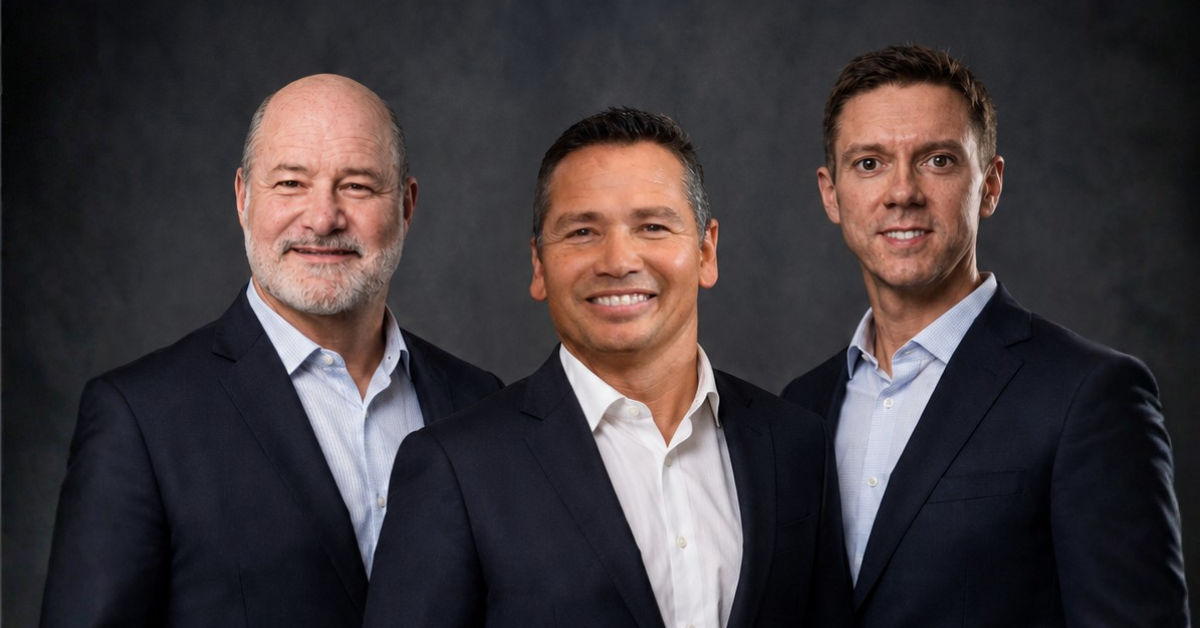
Enter Rob Fletcher, Business Development Director at TopDoctor Magazine and host of the TopDoctor Magazine Podcast. With more than 30 years in health, fitness, and martial arts, Fletcher brings a rare crossover of athletic performance science and clinical medicine to every conversation.
This article serves three audiences: listeners who want to understand the TopDoctor interview experience, physicians considering a guest appearance, and aspiring health media creators studying the format. The stakes are high. The global podcast audience surpassed 619 million listeners in 2026, and health-related podcasts saw a 123 percent year-on-year increase in streams on Spotify. Getting doctor interviews right has never mattered more.
The Landscape of Healthcare Podcast Host Doctor Interviews in 2026
Medical podcasting has moved from novelty to mainstream. According to the Infinite Dial, 55 percent of the U.S. population, roughly 158 million Americans, now listen to podcasts monthly, the first time monthly consumption has reached a majority of American adults.
Physician interviews specifically have surged in demand. Academic research confirms podcasts are noninferior to traditional teaching methods for knowledge retention, with studies showing self-reported practice change in both residents and practicing physicians after listening.
The competitive field is crowded but predictable. Most major medical podcasts prioritize didactic clinical content over narrative-driven physician profiles. That is precisely the gap TopDoctor Magazine fills: consistent coverage of regenerative, functional, and integrative medicine combined with personal physician storytelling, a combination most major medical podcasts do not offer.
Platform dynamics reinforce the challenge. YouTube, Spotify, and Apple Podcasts collectively account for 64 percent of weekly U.S. podcast listeners, with YouTube now the leading platform at 31 percent. Against this backdrop, the craft of hosting physician interviews becomes a strategic differentiator, not merely a production detail.
Who Is Rob Fletcher? The Host Behind the TopDoctor Magazine Podcast
Rob Fletcher serves as Business Development Director at TopDoctor Magazine and hosts the TopDoctor Magazine Podcast, also known as the Rob Fletcher Podcast on Apple Podcasts.
His 30-plus years in health, fitness, and martial arts create an uncommon crossover between athletic performance science, longevity medicine, and clinical healthcare. That background allows him to engage physicians on their terms while translating complex concepts for a general audience.
His non-physician identity is an asset. Fletcher asks questions from an informed outsider’s perspective, bridging the gap between expert physicians and everyday listeners. This mirrors TopDoctor Magazine’s broader mission: connecting healthcare providers and patients through personal interviews and professional profiles.
The podcast focuses on leaders and experts in health, fitness, and anti-aging, with dedicated emphasis on regenerative, functional, and integrative medicine. It pairs with the magazine’s biweekly digital publication (now past 198 issues) and a free newsletter, creating a comprehensive content experience that standalone podcasts cannot replicate.
Pre-Interview Preparation: How Rob Fletcher Researches Physician Guests
Deep preparation is the foundation of authentic physician interviews. Doctors immediately detect when a host has not done the homework, and they retreat into rehearsed talking points rather than genuine insight.
Fletcher’s process involves reviewing each physician’s published work, specialty credentials, practice philosophy, and prior media appearances before recording begins. TopDoctor’s awards nomination process reinforces this: nominees commit 30 to 45 minutes for an initial interview and supply photos, videos, and relevant information, giving the host a structured pre-interview brief.
A key preparation goal is identifying each physician’s origin story, the personal or professional turning point that shaped their specialty or philosophy. This becomes the conversational anchor.
Fletcher’s performance-medicine background allows him to prepare technically informed questions in regenerative, functional, and integrative medicine without forcing the physician to over-explain foundational concepts. Patient testimonials also inform preparation, helping him frame questions that reveal the human impact of clinical decisions.
Crafting Questions That Physicians Actually Want to Answer
There is a meaningful difference between questions that produce clinical recitation and questions that produce authentic storytelling. The latter require emotional and experiential framing, not just technical prompts.
Fletcher applies an “informed curiosity” principle. His questions signal genuine knowledge of the physician’s field while leaving room for the doctor to educate, correct, or expand. This creates a dynamic in which the physician feels both respected and needed.
Open-ended narrative prompts do much of the work. Phrases such as “walk me through the moment you decided” or “what does a patient look like when this treatment works” invite story rather than data.
In emerging fields like stem cell therapy, peptide protocols, and hormone optimization, standard interview templates do not exist. Fletcher frames questions around each physician’s unique positioning instead. He also builds in “translation bridges,” pre-planned moments where complex clinical concepts are rendered accessible for a general audience in real time.
Finally, the unexpected question matters. One well-placed prompt outside the physician’s clinical comfort zone, whether about personal health practices, a career failure, or a patient who changed their thinking, often produces the most memorable moments of an episode.
The Conversational Architecture: How the Interview Is Structured
The TopDoctor Magazine Podcast follows a three-phase structure:
- Establishing rapport and the physician’s personal story
- Exploring clinical expertise and innovation
- Connecting the physician’s work to patient and public health impact
Fletcher uses a “warm entry” technique, beginning with background and journey rather than clinical questions. This lowers defenses and establishes human connection before technical content arrives.
Pacing is deliberate. Physicians are accustomed to time-pressured clinical environments, so Fletcher creates a conversational rhythm that feels unhurried while still covering substantive ground within a defined episode length.
Active listening drives the best moments. Rather than rigidly following a prepared list, he pursues unexpected threads that surface mid-conversation, producing the clinically rich, unscripted exchanges listeners value most. When a guest becomes overly technical or promotional, he redirects gently, keeping the conversation authentic without making the guest feel corrected.
There is a structural advantage here as well. Because physician guests are often connected through the awards program or a magazine feature, an existing relationship and level of trust already exists, something cold-booked podcast guests rarely enjoy.
Building Trust With Physician Guests: The Ethics and Dynamics of Medical Interviews
Trust is the single most important variable in a physician interview. Doctors are trained to be precise and cautious with public statements. Without trust in the host, they self-censor the clinically interesting insights that make an episode worth hearing.
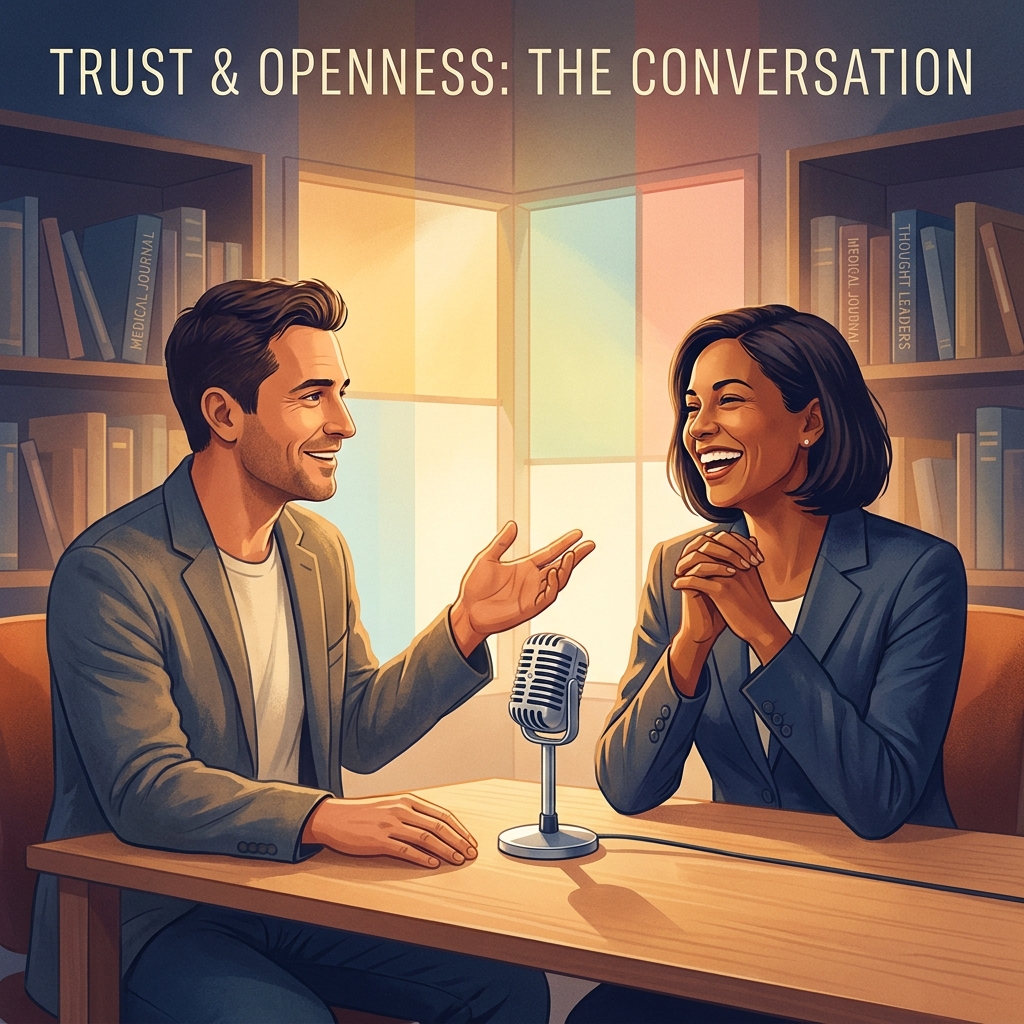
Fletcher’s non-adversarial, collaborative style differs sharply from journalistic interrogation models. The goal is illumination, not confrontation. A brief off-air exchange before recording helps physicians understand the audience, the format, and the host’s intentions, reducing anxiety and increasing openness.
Medical interviews carry specific sensitivities. Physicians must balance sharing clinical insights against making statements that could be misinterpreted as medical advice. A skilled host navigates this boundary through careful framing.
Fletcher’s decades in health and fitness create peer-level credibility in performance and longevity medicine, making conversations feel collegial rather than extractive. TopDoctor Magazine’s journalistic integrity standards reinforce long-term trust: physicians who have been featured return as guests and refer colleagues because the publication has a consistent track record of respectful, accurate representation.
Covering Emerging Medicine: Why Regenerative and Functional Topics Require a Different Interview Approach
Regenerative, functional, and integrative medicine interviews present unique challenges. These fields sit at the intersection of cutting-edge science and contested clinical evidence, requiring a host to navigate nuance without either dismissing or uncritically amplifying claims.
Fletcher’s background gives him the vocabulary to engage with stem cell therapy, peptide protocols, hormone optimization, and biohacking at a depth generalist hosts cannot reach. He grounds these conversations in patient outcomes and physician experience rather than regulatory status or mainstream acceptance, keeping the discussion credible.
The demand is real. Medicine continues to evolve rapidly, with physicians and patients alike hungry for content that covers innovation ahead of the clinical mainstream. This is where TopDoctor closes the competitor gap. Despite growing interest, most major medical podcasts do not dedicate consistent coverage to these areas.
The audience is expanding as well. Podcast adoption among the 55-plus demographic reached 27 percent weekly in 2025, up from 19 percent in 2024, a group with high interest in longevity and anti-aging content.
From Audio to Multi-Platform: How TopDoctor Amplifies Physician Interview Content
TopDoctor’s amplification strategy integrates podcast episodes with the biweekly digital magazine, newsletter, and social channels, creating touchpoints that standalone podcasts lack.
Video is central. With 31 percent of podcasters now publishing video episodes and YouTube leading with 31 percent of weekly U.S. listeners, recording physician interviews on video is essential for reach.
Clip-based promotion extends that reach further. Short social clips can account for 20 to 40 percent of new audience acquisition for video shows, making the selection of memorable interview moments a genuine post-production editorial skill.
Magazine cover features and editorial profiles create a halo effect. Physicians who appear both in print and on the podcast receive amplified visibility, which motivates high-quality guests to participate. The free biweekly newsletter carries episode summaries and profiles to subscribers who may not be active listeners, expanding each interview’s effective audience.
What Physicians Can Expect When Guesting on the TopDoctor Magazine Podcast
For physicians considering a guest appearance, the process is structured and supportive. Many guests connect through the TopDoctor Magazine Awards program, which includes a 30 to 45 minute initial interview as part of the nomination process.
Fletcher provides topic guidance, question previews, and format explanations so physicians feel confident rather than caught off guard. The professional development value is significant: with 55 percent of Americans listening to podcasts monthly, a well-produced physician interview reaches a scale that traditional medical journal publications cannot match for public visibility.
Being featured on a podcast paired with a 198-plus issue digital magazine and an established awards program carries real professional weight in the medical community. Episodes reach audiences on Apple Podcasts, Spotify, YouTube, and the TopDoctor Magazine website.
Lessons for Aspiring Healthcare Podcast Hosts: What Rob Fletcher’s Method Teaches
- Lesson 1: Develop genuine domain expertise. A host who understands the clinical and wellness landscape earns physician trust and asks better questions. Fletcher’s 30-plus years in health and fitness is not incidental to his success.
- Lesson 2: Build a pre-interview relationship. Cold-booking produces transactional interviews. The TopDoctor model of awards, magazine features, and pre-interview conversations produces authentic ones.
- Lesson 3: Design questions for story, not just information. The most clinically rich insights emerge from narrative prompts, not technical interrogation.
- Lesson 4: Integrate the podcast into a larger content ecosystem. The average listener spends about seven hours per week on podcast content, but they also read, watch, and scroll. A multi-format strategy captures them across every channel.
- Lesson 5: Own a niche competitors ignore. Regenerative and functional medicine represent a significant content gap. Specificity of focus is a competitive advantage, not a limitation.
- Lesson 6: Respect the physician’s dual role as expert and human. The best interviews reveal both clinical expertise and personal journey, creating content that is educational and emotionally resonant at once.
Conclusion: The Craft Behind the Conversation
The quality of a healthcare podcast’s physician interviews depends not just on guest credentials but on the preparation, philosophy, and conversational skill of the host. Rob Fletcher’s combination of decades in health and fitness, his role within TopDoctor Magazine’s multi-format ecosystem, and his focus on emerging medicine creates an interview environment most healthcare podcasts cannot replicate.
The broader context underscores the point. The global podcast market is projected to reach $131.13 billion by 2030, and health podcasts are experiencing explosive growth. The craft of hosting physician interviews will only become more valuable as a result.
Listeners now understand why TopDoctor interviews feel different. Physician guests know what to expect and why participation is professionally worthwhile. Aspiring creators have a framework to study and adapt. As medicine evolves, with regenerative therapies entering mainstream practice and patient expectations shifting, the host who can draw out authentic, clinically rich physician stories will play an increasingly important role in public health communication.
Listen to the TopDoctor Magazine Podcast and Experience the Difference
For listeners: Subscribe to the TopDoctor Magazine Podcast on Apple Podcasts, Spotify, and YouTube. Search “Rob Fletcher Podcast” or “TopDoctor Magazine Podcast” on any platform to start listening.
For physician guests: Healthcare professionals interested in being featured can connect with Rob Fletcher through TopDoctor Magazine at info@topdoctormagazine.com or robfletcherangt@gmail.com, or via the magazine’s nomination platform.
For aspiring health media creators: Follow Rob Fletcher on Instagram (@robfletcherpodcast) and explore TopDoctor Magazine’s content library to see the interview format in action.
Newsletter: TopDoctor Magazine’s free biweekly newsletter delivers physician profiles, podcast highlights, and health innovation coverage directly to subscribers’ inboxes.
Awards program: Outstanding physicians can be nominated for TopDoctor Magazine Awards, connecting the podcast’s interview format to a broader recognition ecosystem.
Subscribing means accessing physician insights on regenerative, functional, and integrative medicine that most other healthcare media platforms do not cover, making it a genuinely differentiated resource for listeners at every level of health knowledge.