For most of modern economic history, gold has been the ultimate hedge. Stable, portable, trusted when markets wobble.
But spend time around elite founders, professional athletes, physicians, and high-net-worth investors in 2026, and you will hear a different conversation.
The asset many are quietly protecting is not sitting in a vault.
It is biological capital: the intentional investment of time, money, and discipline into maintaining physical and cognitive capacity over decades. Energy. Focus. Recovery. Resilience. Prioritized not as lifestyle choices, but as strategic ones.
Because building and sustaining wealth becomes significantly harder when chronic fatigue, cognitive decline, inflammation, and reduced capacity begin to erode performance.
For decades, the people most serious about protecting this asset got on planes.
Americans seeking cutting-edge diagnostics, advanced therapies, preventative care, and personalized health optimization often traveled abroad to places like Switzerland, Spain, Germany, and Thailand. These “medical tourism” destinations offered something difficult to find in the United States: a healthcare experience built around optimizing health before it declined rather than managing disease after it appeared.1
The numbers suggest that mindset is rapidly becoming mainstream.
The Global Wellness Institute2estimates the global wellness economy reached approximately $6.3 trillion in 2023 and is projected to approach $9 trillion by 2028.3 Meanwhile, research from McKinsey found that 82% of U.S. consumers consider wellness a top priority in their daily lives.4 For affluent consumers, that priority is increasingly centered around one question:
How long can I continue to perform at my highest level?
The most valuable thing in the room is no longer what you own.
It is what you know about yourself.
That shift is occurring at the same time America faces a growing health crisis. Chronic disease now accounts for roughly 90% of the nation’s healthcare5 spending, while six in ten American adults live with at least one chronic condition.6 The reactive healthcare model that once drove many longevity seekers overseas has become increasingly expensive, fragmented, and inefficient.
The result has been a massive opportunity.
Physicians, researchers, entrepreneurs, and investors are now building an entirely new category of care focused on extending healthspan, optimizing performance, and helping people remain functional and independent longer.
One of the most compelling examples is Dr. Michael Roizen.
Dr. Roizen,7 Chief Wellness Officer Emeritus of the Cleveland Clinic, five-time New York Times bestselling author, and co-founder of Lifespan Edge,8 has spent decades advocating for prevention as medicine.
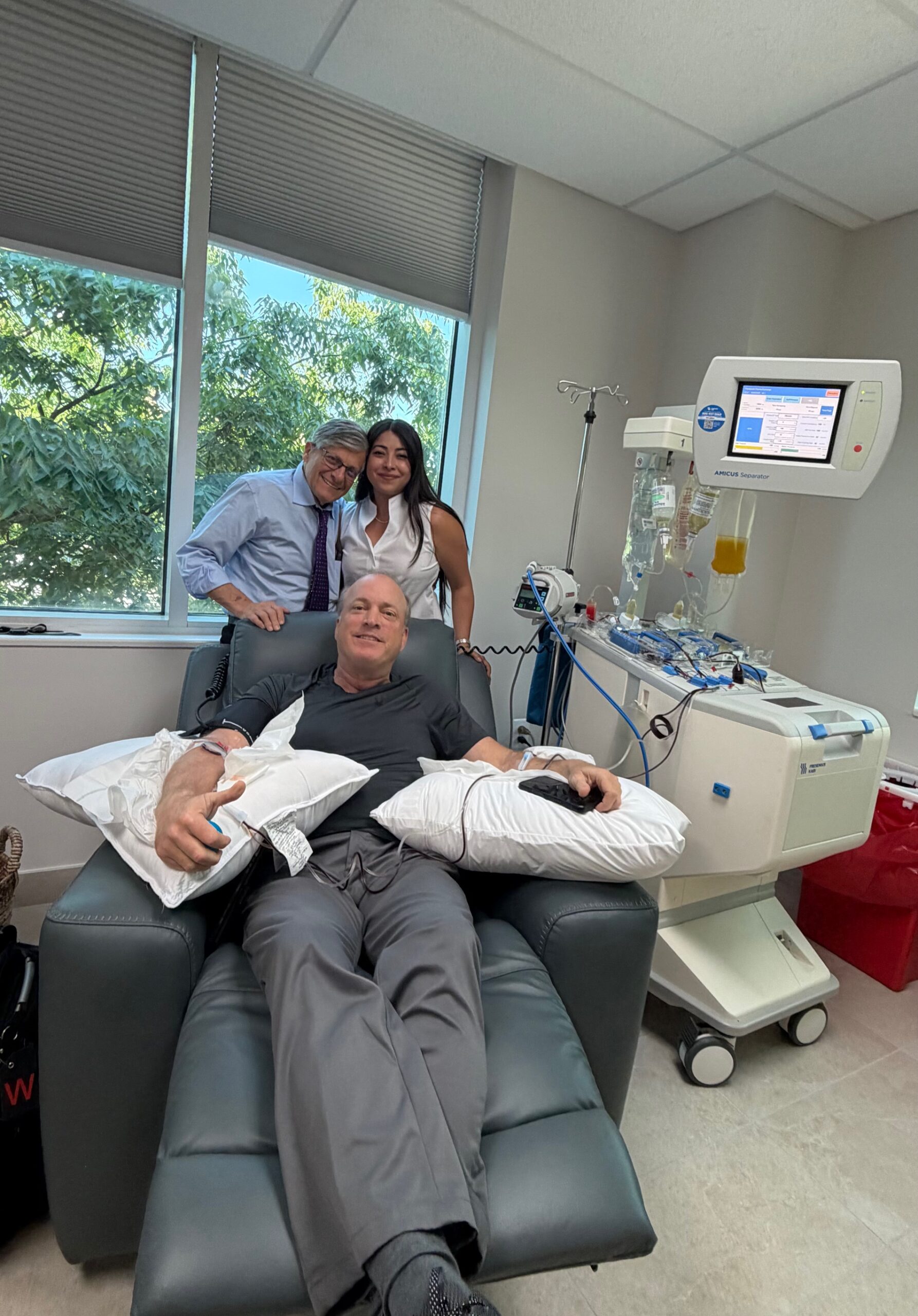
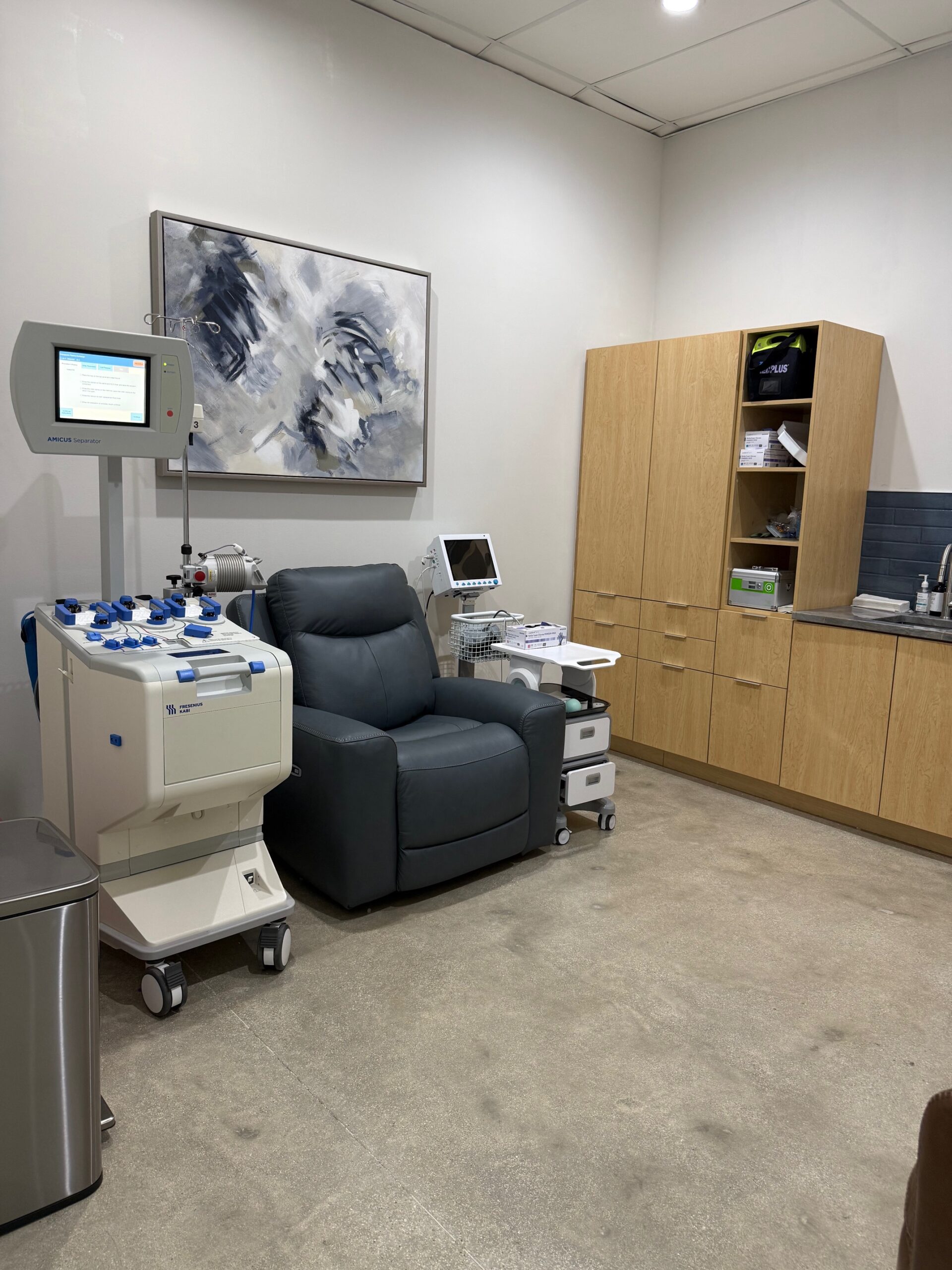
When he encountered clinical research from Spain involving therapeutic plasma exchange, an FDA-approved blood purification procedure showing promise for cognitive decline, he became determined to make the treatment more accessible in the United States.
After receiving little interest from major institutions, he eventually found a clinic willing to offer the therapy domestically.
According to the profile, one patient who struggled to form complete sentences before treatment was reportedly speaking in full sentences by the third session.
Whether future research ultimately validates the full potential of these interventions remains to be seen. What matters is the larger lesson: innovators are no longer willing to wait for healthcare systems to catch up with emerging science.
They are building the future themselves.
That future is increasingly visible across the United States.
The number of longevity-focused clinics operating nationwide is estimated to be in the hundreds and growing rapidly. Venture capital investment in longevity-focused companies continues to accelerate, while concierge medicine and integrated wellness models have become some of the fastest-growing segments in healthcare.
More importantly, the infrastructure is evolving.
Today, biological capital can be built through a variety of experiences.
In some cases, it may begin with a specialized clinic focused on a single intervention. In others, it may involve a fully integrated ecosystem that combines diagnostics, recovery, nutrition, sleep optimization, movement, and advanced therapies under one roof.
Take South Florida, for example.
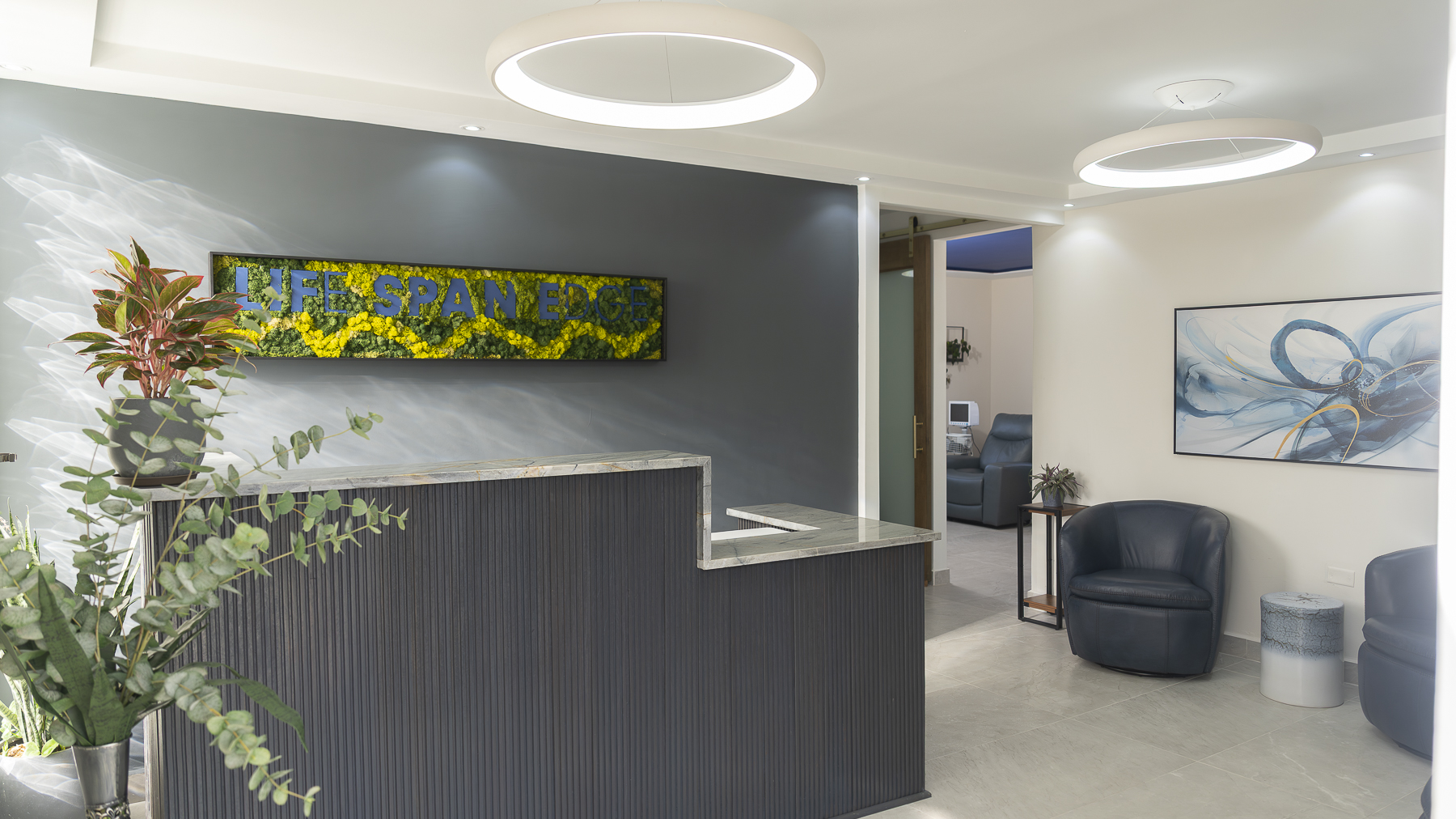
Lifespan Edge recently expanded into West Palm Beach, helping bring advanced longevity-focused care closer to American consumers who previously might have traveled internationally to access similar services.
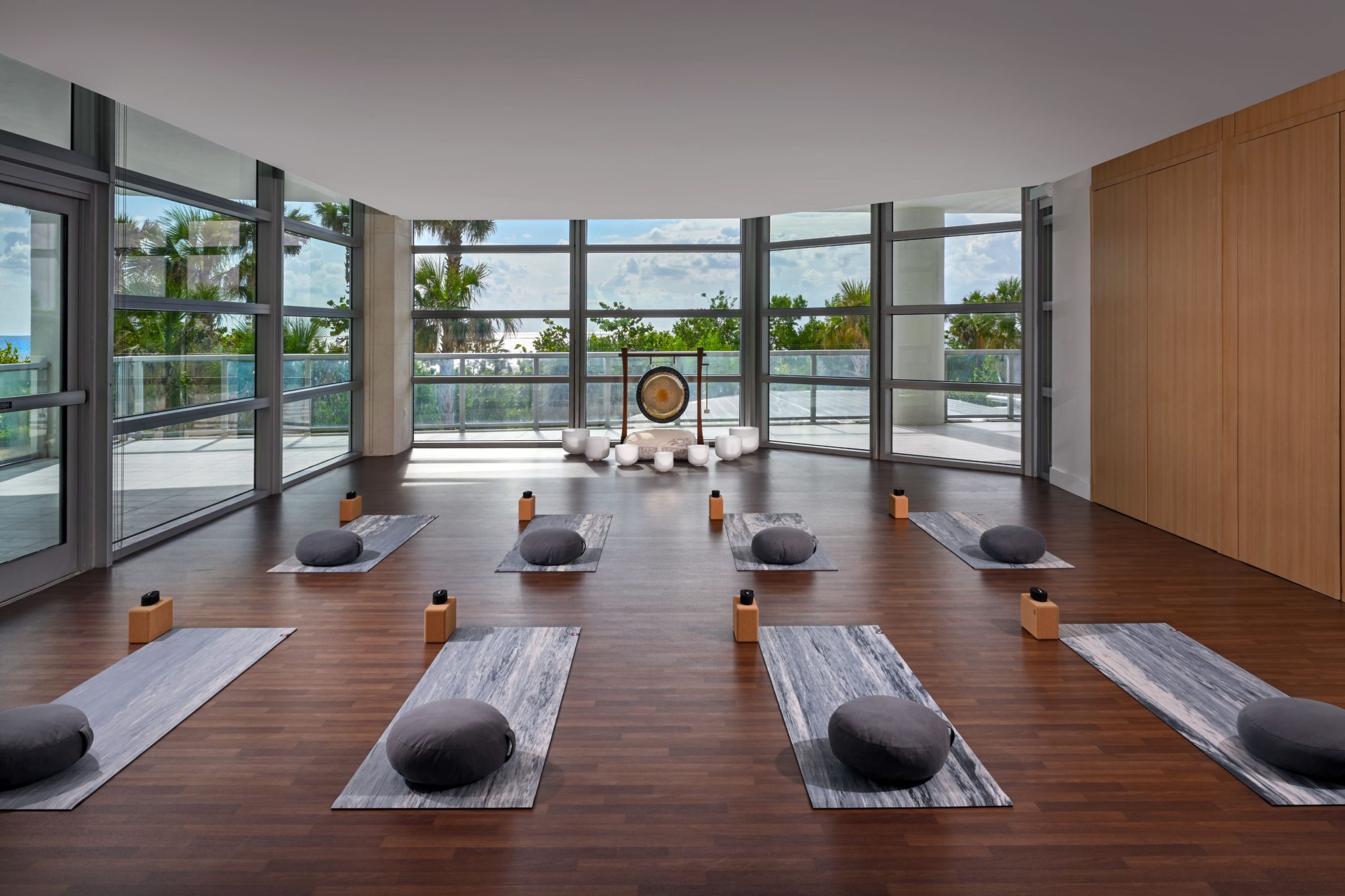
Just minutes away sits the extraordinary Amrit Ocean Resort, one of the most ambitious wellness hospitality projects in the country.9 Combining over 100,000-square-feet of luxury accommodations with advanced health optimization offerings, Amrit represents a new category of destination where hospitality, prevention, performance, and recovery converge.
Together, these organizations demonstrate an important truth.
Whether someone visits a focused longevity clinic, joins a concierge medicine practice, invests in advanced diagnostics, or checks into a biohacking retreat, the common goal is the same:
To preserve and grow biological capital.
And that investment is no longer limited to Europe or Asia.
It is happening here.
For founders, operators, physicians, and wellness entrepreneurs, the implications are significant.
The longevity consumer of 2026 is more educated than ever.
They understand the difference between a modality and an outcome.
They are less interested in buying individual treatments and more interested in systems that help them achieve measurable results.
That means bundled diagnostics instead of fragmented testing.
Membership models instead of one-off transactions.
Continuous monitoring instead of annual checkups.
Integrated care rather than disconnected providers.
Time efficiency has become a competitive advantage.
People are not looking for more appointments.
They are looking for fewer obstacles.
The organizations winning today are the ones creating seamless journeys from assessment to action.
And perhaps most importantly, credibility has become the ultimate differentiator.
As longevity and biohacking continue to grow, consumers are becoming increasingly skeptical of exaggerated claims, miracle cures, and marketing hype.
Evidence matters.
Transparency matters.
Clinical oversight matters.
Trust matters.
Because when the asset being protected is your body and brain, the stakes are significantly higher than a financial portfolio.
For generations, wealth was measured primarily in dollars.
Today, a broader definition is emerging.
Health is becoming a prerequisite for sustained performance.
Performance drives opportunity.
Opportunity creates wealth.
The most sophisticated investors understand that these variables are inseparable.
They are not just thinking about what they own.
They are thinking about how long they can continue to operate at their highest level.
And that is why biological capital is no longer a niche concept.
It is becoming one of the most important investments of our time.