
In the evolving landscape of wellness and medical innovation, few molecules have garnered as much scientific intrigue as molecular hydrogen. At the forefront of this movement is Dr. Tyler LeBaron, MSc, PhD, a researcher whose journey from a young skeptical student to an adjunct professor and Chief Science Officer of InhaleH2 is bridging the gap between academic rigor and accessible healthcare.
 A Quest for Clarity in the Water
 A Quest for Clarity in the Water
Dr. LeBaron’s interest in hydrogen was born not out of a desire to sell a product, but a need to debunk or validate extraordinary claims. In 2009, he encountered the world of alkaline ionized water, where enthusiasts claimed life-changing benefits based on pH levels and “water structure.”
“I wanted to figure out whether there were any benefits and what they could possibly be,” LeBaron said.
His investigation led him to a landmark 2007 study in Nature Medicine, which demonstrated that hydrogen gas at a concentration of just 2% could dramatically reduce brain damage in stroke models.1
“Hydrogen gas is something very easy to administer. It’s easy to get, and it’s safe, being a natural byproduct of healthy gut bacteria,” LeBaron explained. “If you’re able to just supply 2% of hydrogen gas and have the benefits, it could really change healthcare.”
 From Nagoya University to the Molecular Hydrogen Institute
 From Nagoya University to the Molecular Hydrogen Institute
In 2013, LeBaron’s academic pursuit took him to Nagoya University in Japan, a global hub for hydrogen research. There, he collaborated with pioneers in the field, investigating the effects of hydrogen on various cell signaling pathways.
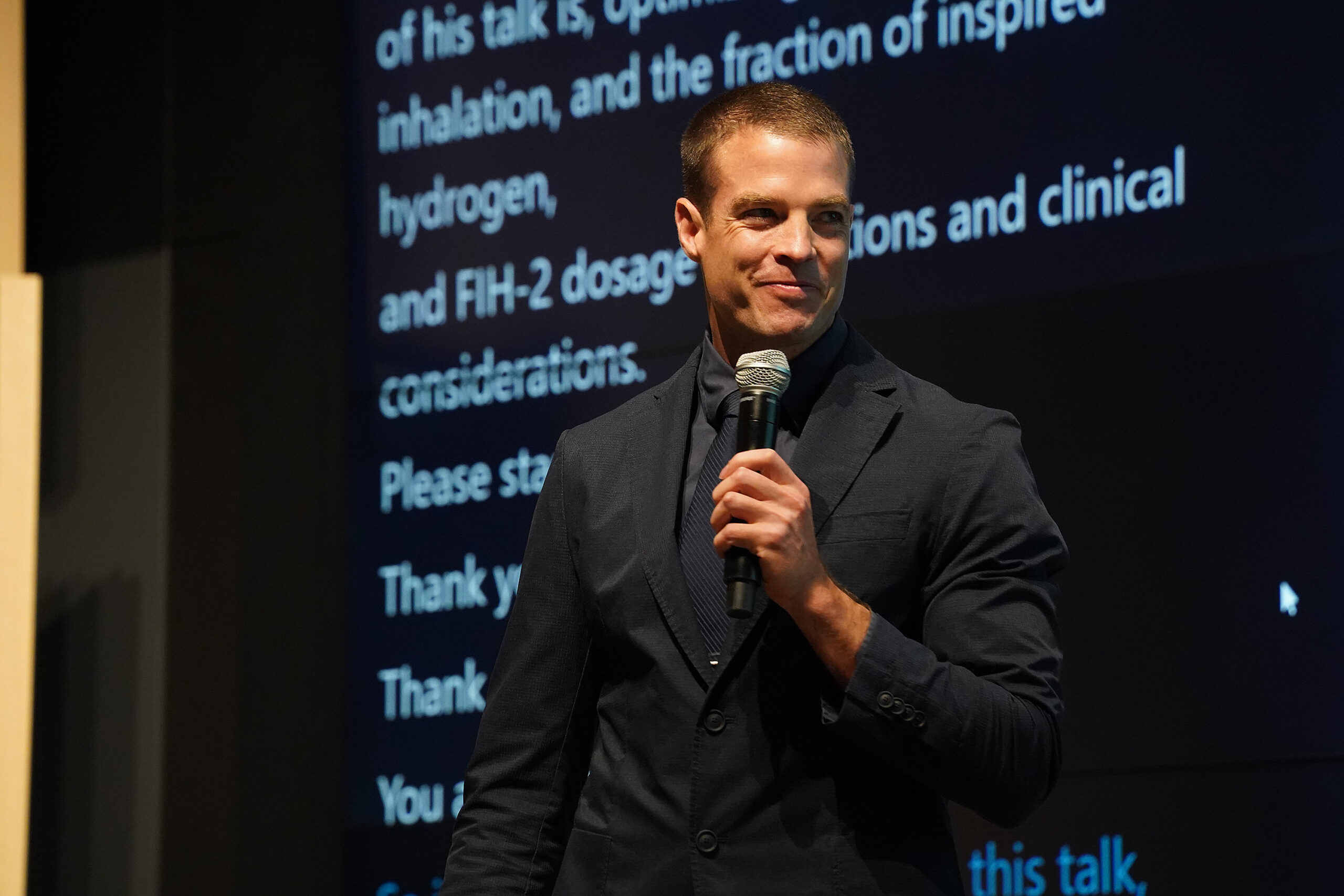
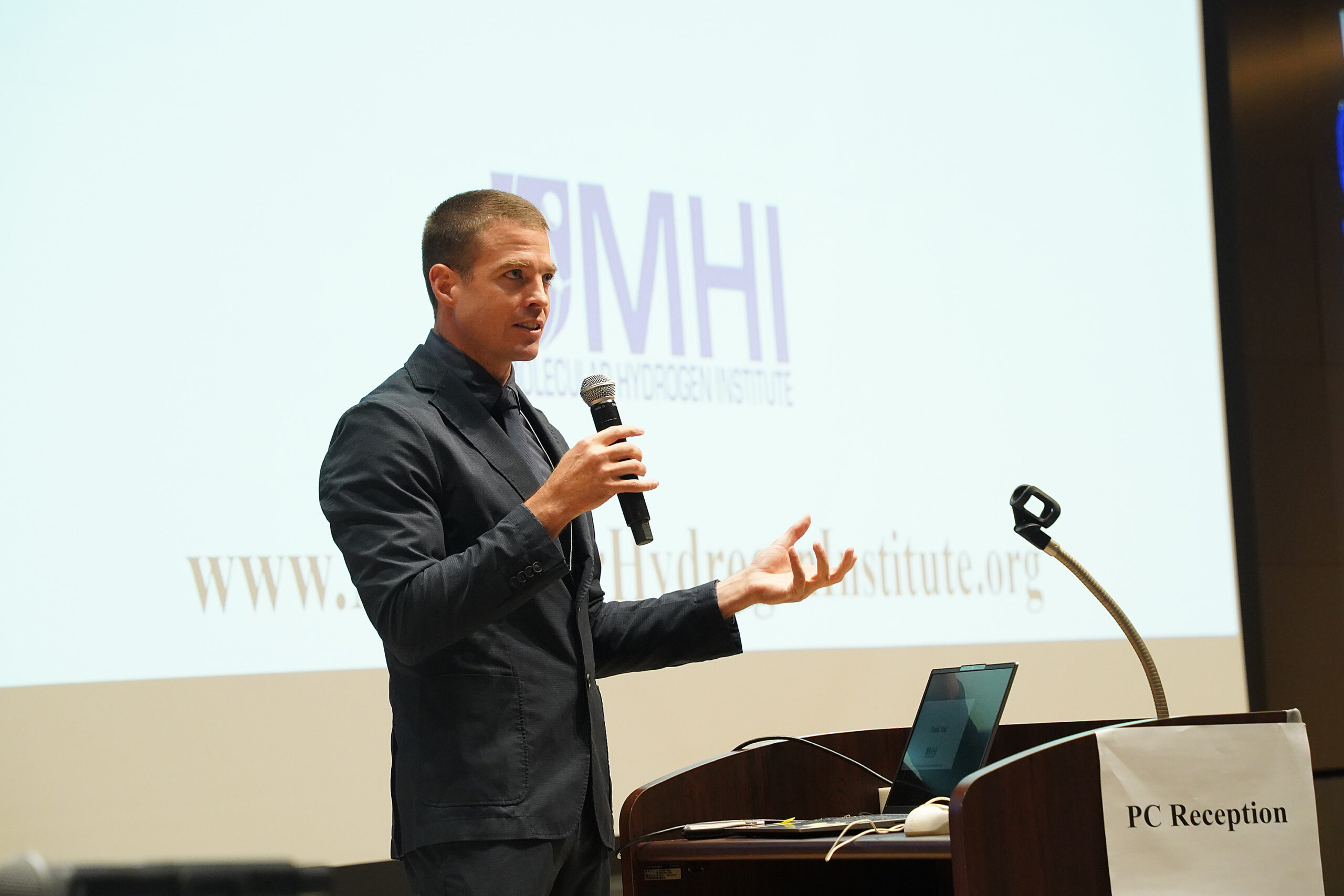
Returning to the United States, he recognized a massive void in public awareness and scientific accuracy. To address this, he founded the Molecular Hydrogen Institute, a science-based 501(c)(3) non-profit dedicated to advancing research and education (ref).2
“I’ve remained in academia for essentially 16 years researching this molecule,” LeBaron said, noting that his Ph.D. in physiology focused specifically on molecular hydrogen as a therapeutic for cardio and cerebrovascular diseases.
The Problem with the Status Quo
While hydrogen therapy grew in popularity, LeBaron noticed a dangerous trend in how the gas was being delivered to consumers. Most devices on the market utilize nasal cannulas that deliver either 100% pure hydrogen or a mixture of 66% H2 and 33% O2. During inhalation, the gas is often diluted below the 1% therapeutic threshold. Thus, some companies simply increase the flow rate to account for the dilution. On the surface, it makes sense, but LeBaron warned that this is a dangerous misconception.
“Anything above 4% hydrogen gas is flammable,” LeBaron noted, adding that high-concentration machines violate international fire codes and pose a risk of internal combustion in the airway. There are documented cases in the literature of internal detonations, complex facial fractures, and property damage from explosions.
Furthermore, LeBaron highlighted a lack of precision in common delivery methods. Since humans breathe at varying rates and often via their mouths, a nasal cannula delivering a small flow of hydrogen is often diluted to sub-therapeutic levels.
“One individual is not even getting a therapeutic level when H2 is diluted below 1%, while another individual, using the same machine, is getting well over 10%. This is extremely dangerous,” LeBaron said. “The evidence for the efficacy of H2 does not justify introducing an explosion hazard, especially when such products do not even ensure a consistent therapeutic concentration for all users.”
 A Precision Solution: InhaleH2
 A Precision Solution: InhaleH
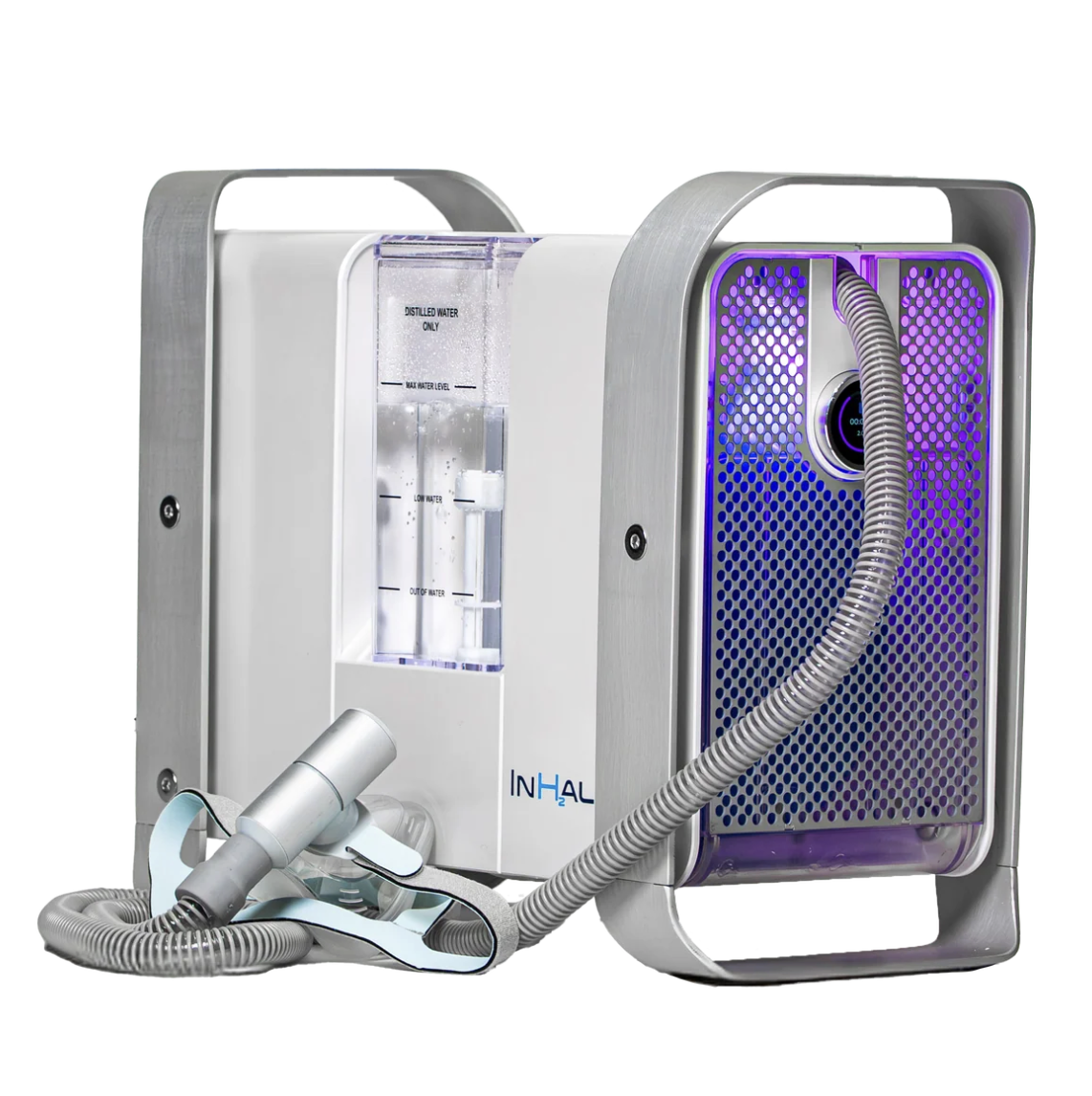
When entrepreneur Alex Tarnava approached LeBaron for input on a new inhalation system, LeBaron realized this would facilitate pre-clinical and clinical research. When LeBaron did his PhD, they used tanks of premixed gases containing 1-4% H2. Although this made it challenging and expensive to study, it ensured a nonflammable and therapeutic concentration of hydrogen. There was no machine in the market that could provide safe, clinical-grade precision. The result was the collaborative creation of a device made available to the public that mirrors the systems used in major studies, including those conducted in Japanese hospitals and at Harvard.3
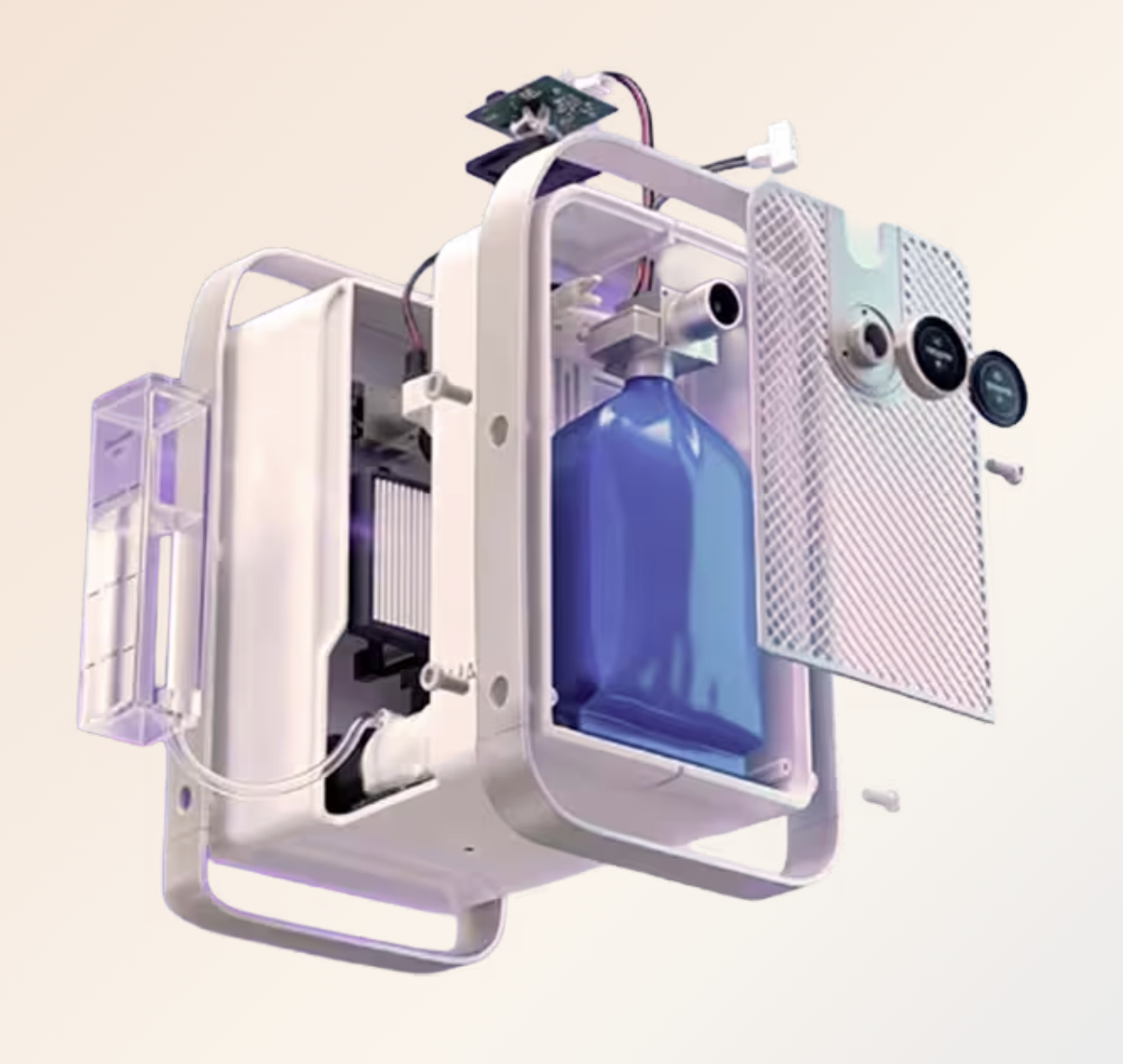
The InhaleH2 machine allows users to choose a precise concentration between 1% and 4%, which falls within the “therapeutic window” identified in research studies. By mixing the gas internally coupled with a reservoir, the device ensures that the Fraction of Inspired Hydrogen (FiH2) remains constant regardless of the user’s breathing dynamics.
“This machine solves all the key problems other machines have,” LeBaron said. “You can choose between 1% to 4%, and it doesn’t matter what your ventilation rate is. It’s never above 4%, so you never have to worry about flammability concerns.”
Targeting the Powerhouse: The Mitochondrial Edge
At the heart of Dr. LeBaron’s research is the understanding that almost all chronic conditions share a common origin: cellular dysfunction. Specifically, he points to the mitochondria, the organelles responsible for generating the energy that powers our lives.
“Hydrogen is able to target the mitochondria and improve its function directly,” LeBaron explained, noting that his team recently published a major paper in Redox Biology disclosing a primary target of hydrogen in complex III of the mitochondria.4
The mechanism is more sophisticated than a simple antioxidant reaction. Hydrogen acts through a process known as hormesis, where a mild, beneficial stress triggers a robust protective response.
“It targets a specific protein that induces a stress signal in the mitochondria,” LeBaron said. “This activates what we call the mitochondrial unfolded protein response (UPRmt). It’s very similar to how exercise works by providing a controlled stress, you actually build cellular resilience and regeneration.”
By regulating the production of free radicals, hydrogen ensures the body has enough to signal healthy function, but not so many that they cause oxidative damage. This “adaptogenic” quality is why hydrogen shows promise across more than 200 human and animal disease models, and in over 200 human studies.
From cardiovascular health to neurological conditions, the molecule helps the body maintain homeostasis in response to environmental toxins, sleep deprivation, and metabolic stress. It is this systemic optimization that leads users to report life-enhancing secondary benefits, such as the lifting of “brain fog,” improved sleep quality, and a noticeable surge in daily motivation.
 The Future of Hydrogen Integration: Data and Synergy
 The Future of Hydrogen Integration: Data and Synergy
As InhaleH2 looks toward the future, the focus is shifting from simple administration to sophisticated, data-driven integration. The company is currently finalizing a proprietary app designed to bridge the gap between therapy and measurable results. By connecting to popular biometric wearables such as the Oura ring or Apple Watch, the platform will allow users to track real-time trends in heart rate variability (HRV) and recovery speeds.
“We can actually start tracking trends over time for our customer base,” LeBaron said. “These trends can be used to guide future clinical trials and tailor protocols specific to the individual’s goals.”
InhaleH2 is also pioneering the concept of “stacking” protocols to create synergistic health effects. One such collaboration involves combining hydrogen inhalation with red light therapy. Although not yet available, the InhaleH2 hardware is designed to be compatible with future technologies, such as red-light therapy masks.
“Hydrogen has no known contraindications with other treatments and interventions,” LeBaron noted, “if anything, it might work synergistically with other protocols.”
Ultimately, LeBaron’s vision for the future is one of empowered, informed consumers. He remains a staunch advocate for scientific literacy in the wellness space.
Hydrogen isn’t a miracle therapy, and it is not currently FDA-approved for the treatment of disease,” LeBaron said. “But if this field is going to mature, we have to hold ourselves to true clinical standards, such as precise dosing, strict safety boundaries, and alignment with the published literature. Our responsibility is to separate marketing from methodology and apply the science exactly as it was studied”.
 The Path Forward: Science-Backed Wellness
 The Path Forward: Science-Backed Wellness
As hydrogen therapy moves from the fringes of alternative medicine and university laboratories into the mainstream spotlight, Dr. LeBaron remains committed to the data. By shifting the focus from “more is better” to “precise is safer, and likely better,” he is establishing a new standard for the industry. Through InhaleH2, LeBaron is not just providing a product, but a clinical-grade tool designed to optimize human homeostasis at the cellular level.
“It’s an exciting area because it’s a natural molecule that our bodies are already exposed to”, LeBaron concluded. For those looking to take charge of their health, the message is clear: the future of wellness is rooted in rigorous science, precise delivery, and an informed understanding of our own physiology.
To learn more about Dr. LeBaron, visit tylerlebaron.com5 and InhaleH2, visit inhaleh2.com.6