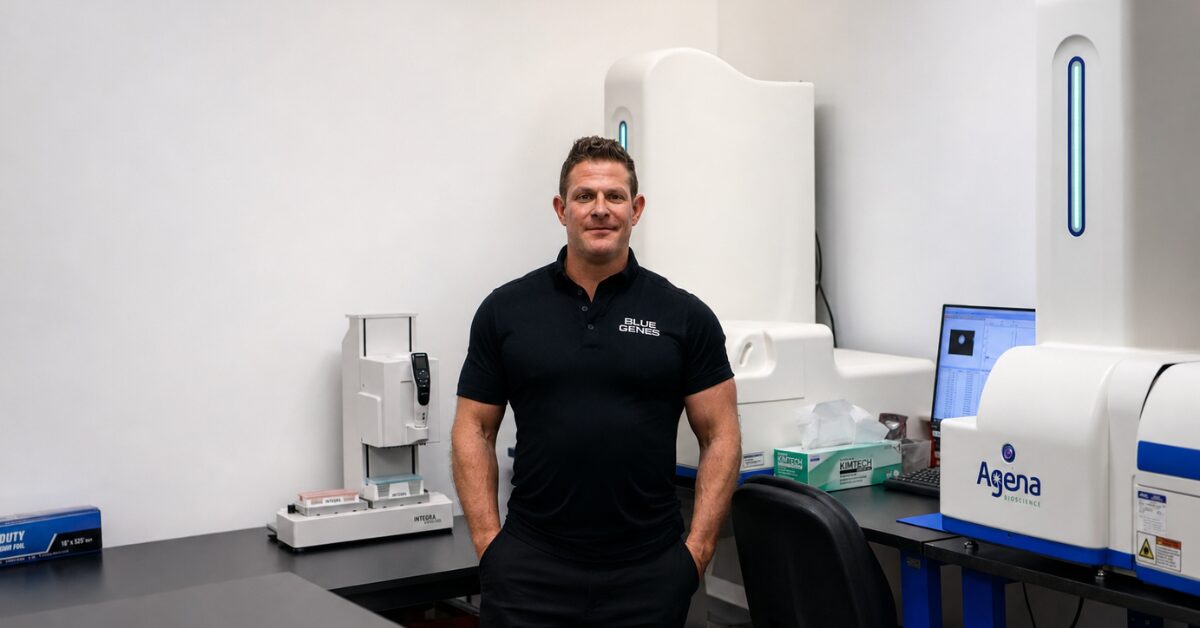
In the rapidly evolving landscape of precision medicine, the gap between complex genetic data and actionable, daily patient care has long been a significant barrier to Tru-1 health optimization. Nick Glimcher, the visionary leader behind Blue Genes Lab, is working to dismantle that barrier by fundamentally transforming how providers and patients utilize genetic information.
Driven by a philosophy that prioritizes proactive health management over the traditional, reactive model, Glimcher is pushing the boundaries of what is possible in modern healthcare. By focusing on the intersection of genetics and lifestyle, he is creating a new paradigm in which data serves as a roadmap for personal well-being rather than merely a diagnostic tool.
A Journey from Real Estate to Healthcare Innovation
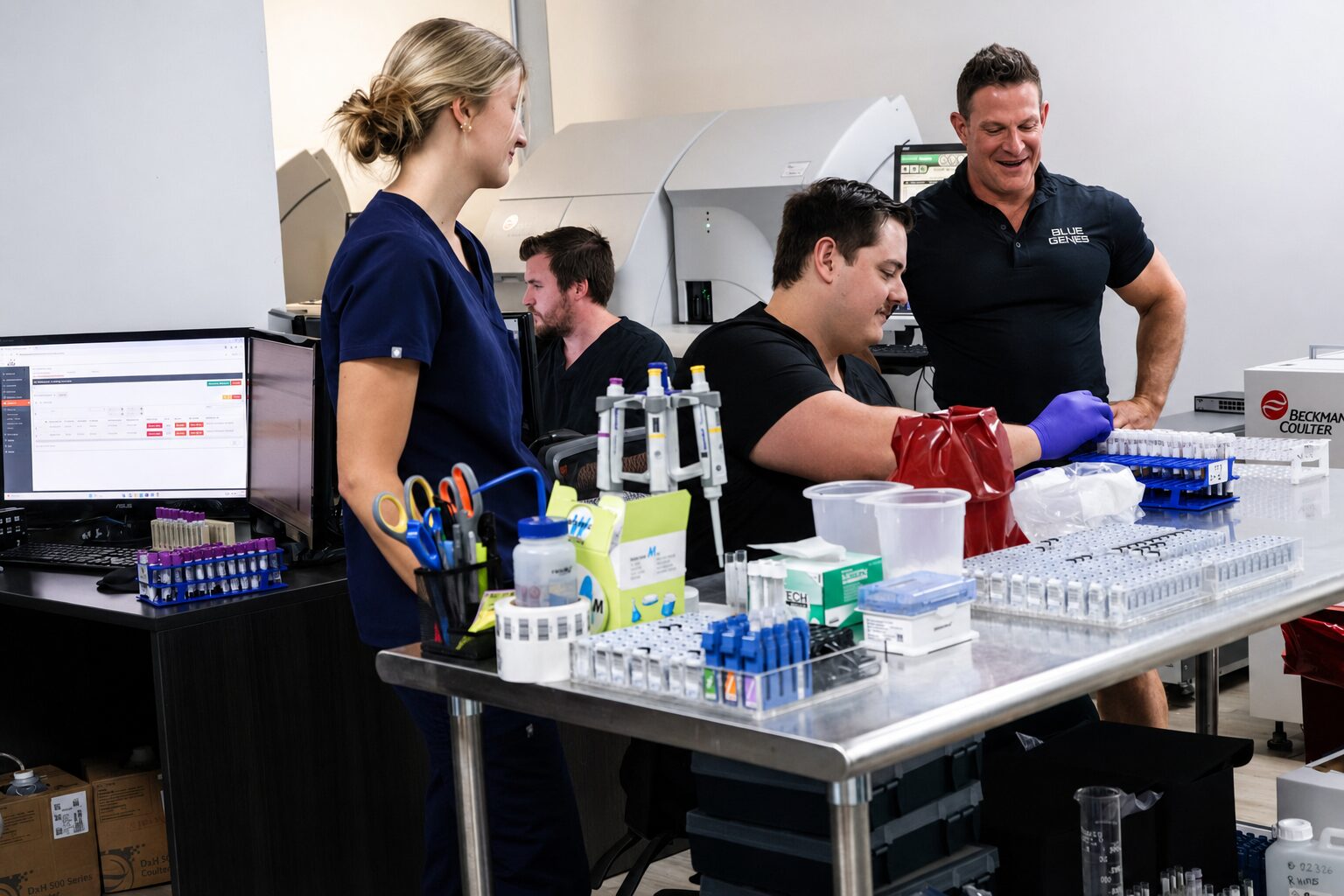
Glimcher’s path to the forefront of genetic technology was far from linear. Initially following in his family’s footsteps within the shopping center development industry, Glimcher spent his early career mastering the intricacies of real estate and, later, the electronic payment sector. It was here that he began to understand the power of data and scalability. Yet, it was a pivotal conversation with a fund manager that shifted his focus entirely toward the complexities of the healthcare industry.
That single interaction in 2015 sparked his venture into acquiring healthcare-related assets. This journey eventually led to the development of GTI Laboratories and the subsequent launch of the Blue Genes platform. The mission, according to Glimcher, was always clear: to bridge the gap in information delivery.
“We built our genetic platform, Blue Genes, to deliver meaningful, actionable data not only to providers, but also to patients and, in some cases, consumers,” he said. “Our goal is to help people become better informed and more proactive about their health.”

Redefining Pharmacogenetics and Patient Outcomes
At the heart of the Blue Genes initiative is an urgent desire to address systemic issues within the American healthcare system, particularly the prevalence of medical error related to adverse drug reactions. Glimcher noted that approximately 50% of these reactions are directly attributable to drug-gene interactions, a preventable issue that his platform is meticulously designed to solve.
“Pharmacogenetics, in layman’s terms, is simply the science of what drugs work and what drugs don’t,” Glimcher explained. “About 95% of the variability between how two different patients with the same diagnosis respond differently to medication is known to be genetic. Blue Genes is on a mission to eliminate a large portion of those unnecessary deaths and complications, which impact both patient care and system costs– all completely avoidable aspects if we’re able to move the data fast enough.”
By streamlining this data, Blue Genes allows for safer medication choices and more effective treatment plans.

Three Platforms: A New Standard of Care
To put this ambitious vision into practice, Blue Genes Lab has developed three products: Blue Genes Pharmacogenetics, Tru-1, and Lumyn. Each is engineered to integrate seamlessly into existing clinical workflows while providing personalized, data-driven insights that were previously inaccessible to the average practitioner.
With Blue Genes Pharmacogenetics, as soon as a physician submits a prescription, Blue Genes compares an individual’s genetic profile to identify ineffective or unsafe medications and texts the patient in real time. Blue Genes checks for drug-gene interactions for more than 500 medications, including 65 ultra-high-cost specialty drugs. Unlike other pharmacogenetics providers who send a report that can get lost in a portal or on a fax machine, Blue Genes intervenes the moment it matters: before the script is filled.
Tru-1 is specifically designed to navigate the rapidly growing GLP-1 market. Recognizing that weight-loss medications–and indeed, all peptides–are not “one-size-fits-all,” the Tru-1 test analyzes specific genetic markers to predict a patient’s potential for success and tolerability before they begin treatment.
“It is not a binary decision of whether you can prescribe or not prescribe,” Glimcher noted. “It is a propensity for success, and how we approach a patient care plan is based on propensities of success.”
By identifying potential side effects, such as gastrointestinal discomfort or poor appetite suppression, early on, providers can better manage patient expectations and optimize dosing strategies.
Complementing this is Lumyn, a comprehensive genetic wellness test that looks far beyond the singular genetic markers often highlighted on social media platforms. By analyzing 41 genes and 49 SNPs, Lumyn provides a wide-angle view of metabolic health, including muscle fiber types, predispositions for obesity, and insulin resistance. The platform differentiates itself significantly by incorporating an AI-powered personal wellness coach that manages the “final mile” of patient engagement and suggests vitamin and nutraceutical supplementation based on genetic deficiencies. This is a great opportunity for provider participation.
“What this agent does is remember all of your conversations and all the data you give it, allowing it to continuously build upon your wellness plan and adapt to your evolving health,” Glimcher explained.
This AI integration is a critical innovation intended to alleviate the resource burden on healthcare providers, allowing them to offer sophisticated, tailored care plans without requiring extensive additional time for patient education or follow-up consultations.
Blue Genes Pharmacogenetics, Tru-1, and Lumyn all utilize a simple at-home mouth swab. For people requiring a blood test for other clinical needs, Blue Genes offers an at-home blood collection kit, along with lab processing and reporting. This is particularly helpful for people who cannot easily visit a lab.

Overcoming the Hurdles of Adoption
Despite the potential of precision medicine, Glimcher acknowledged that industry-wide adoption remains a significant challenge. Many providers feel overwhelmed by the complexities of genomics and the time-intensive nature of translating that data into daily practice. However, he remains optimistic.
“Providers don’t have 30 to 45 minutes to review a genetic test for proactive care,” he observed, “They’re dealing with the immediate issues–‘I have the flu, my arm is broken,’ or whatever it may be.”
By designing Blue Genes to act as an automated, educational partner for both the provider and the patient, Glimcher is removing the logistical barriers that have historically held back precision medicine.
Today, too many genetic test results sit in a portal or patient file and are never acted on,” said Glimcher. “We’ve designed our entire approach around delivering precise, personalized information at the moment it matters and taking the heavy lifting out of the equation.”
The test is an easy at-home mouth swab, and the results are good for a lifetime. It does not disrupt the prescriber’s workflow, and patients receive actionable recommendations. This ease of implementation is vital, as it allows practices to focus on the human side of medicine while the technology handles the complex analysis.

The Future of Proactive Health
Looking toward the next decade, Glimcher envisions a genuine renaissance in precision medicine that shifts reactive, symptom-based care to proactive, preventative health and becomes the global standard. He is acutely aware that the United States currently faces a significant imbalance in its pharmaceutical consumption and healthcare costs, and he believes genetic empowerment is the key to correcting this course.
“We need to empower patients, and empower ourselves as human beings, to take control, because we’re responsible for our own well-being,” Glimcher stated. “If we know that you have a propensity for cancer, you’d have the opportunity to delay that cancer.”
As Glimcher continues to scale these technologies, his message to fellow entrepreneurs is clear: change in healthcare is notoriously slow, but the opportunity for disruption is immense. He emphasized that success requires “perseverance and persistence” and the staying power to outlast the slow pace of systemic change.
By meeting the market where it is, utilizing digital influencers and social platforms to educate the public, Glimcher is working to turn the tide against the “junk information” currently saturating the internet. His ultimate goal is a healthcare landscape where everyone has access to their own genetic blueprint and can proactively monitor themselves, enabling them to make informed choices that improve their quality of life for decades to come. Through Blue Genes Lab, Nick Glimcher is not just providing a test; he is providing a path to a longer, healthier, and more empowered life.
The Rise of Blue Genes Lab
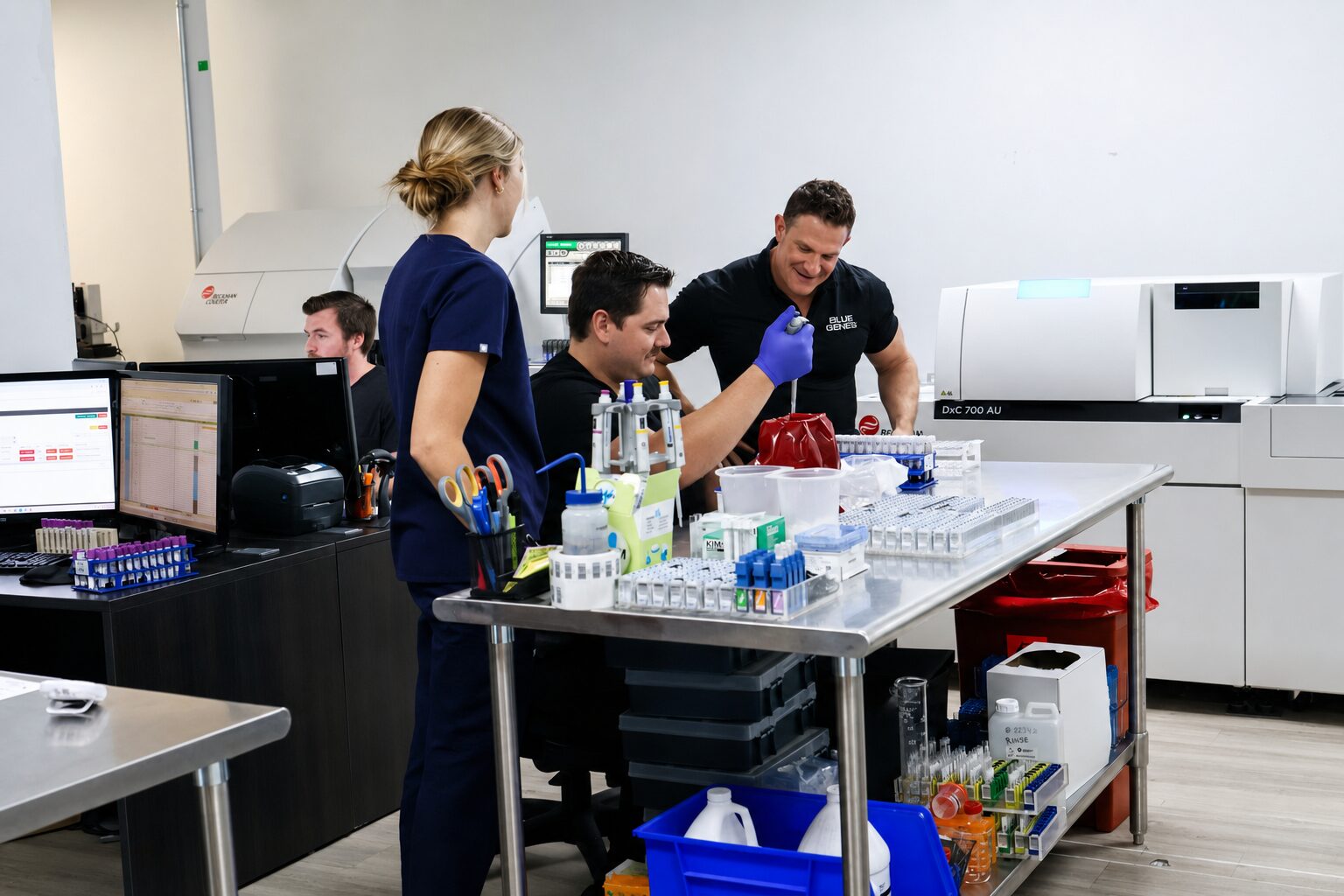
Ultimately, the rise of Blue Genes Lab represents a fundamental shift in how we approach the modern healthcare journey, moving away from a reactive, trial-and-error model to one defined by precision and foresight. By successfully integrating complex genomic data into existing clinical workflows, Nick Glimcher is not merely offering diagnostic tests, but providing a comprehensive framework for wellness that empowers both the provider and the patient.
This evolution toward proactive, data-informed care addresses the core inefficiencies of the current system while significantly mitigating the risks associated with adverse drug interactions and unnecessary medical complications. As Glimcher continues to champion this transition, the focus remains on equipping individuals with the clarity they need to make meaningful, long-term lifestyle changes.
To learn more about Nick Glimcher and his innovative company, Blue Genes Lab, visit bluegeneslab.com.