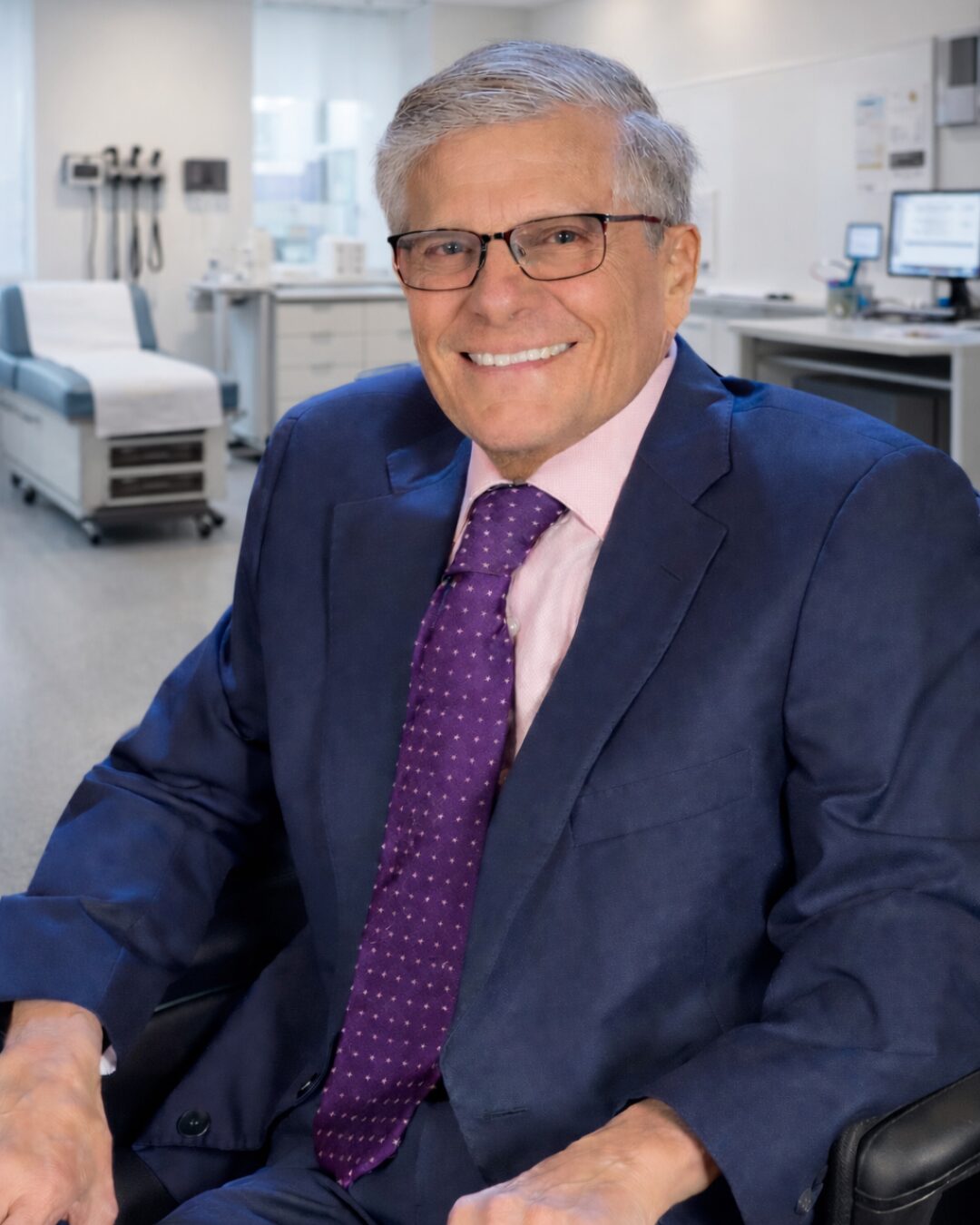
For more than three decades, Dr. Michael Roizen has been asking a question most of medicine has ignored.
What if aging itself is the disease we should be treating?
At 80 years old, he moves with the energy and curiosity of someone decades younger. He still sees patients. He still reads medical journals for fun. He still builds new companies. And he still believes that most people are dramatically underestimating how much control they have over their future health.
His goal is not just to help people live longer, but to help them reach 90 while still feeling like they’re 40. And if he succeeds, the impact will reach beyond the medical industry, reshaping the economy, the workforce, and the way society thinks about retirement itself.
However, the story of how he got here isn’t as glamorous and begins with a sick child, a house call, and a moment that changed his life forever.
The Shot That Changed His Future
When Michael Roizen was nine years old, he remembers feeling terrible. He was exhausted, feverish, and miserable. He was, as he described it, “sicker than hell.” It was likely strep throat.
A pediatrician came to see him. He gave him a shot, and six hours later, everything had changed.
He felt normal again. The fever was gone. The fog had lifted. The pain had disappeared almost as quickly as it had arrived.
But what stayed with him was not just the relief. It was the realization.
“You can make people feel better as a doctor,” he remembered thinking. “And that’s what I wanted to do.”
It was not about prestige or titles. It was about impact. One person helping another feel better. That moment set the direction for a career that would stretch across decades, cities, specialties, and eventually, an entirely new way of thinking about aging.
A Career Built on Big Questions
His path through medicine took him from Buffalo to San Francisco, and eventually to Cleveland. Along the way, he trained in anesthesia and internal medicine and found himself drawn to the most complex patients.
During his time in cardiac anesthesia at the University of California, San Francisco, he was studying surgical outcomes across the state. He expected to see that organ function mattered most. The strength of the heart. The condition of the lungs.
But the data told a different story.
Age was the biggest predictor of outcomes.
“Not organ function. Not anything else,” he said. “Age.”
That realization bothered him. It felt too fatalistic. Too passive.
“So I asked a different question,” he said. “How do we make someone 10 or 20 years younger physiologically, before surgery?”
He called the idea “prehabbing.” Not rehabilitation after something goes wrong. Prehabilitation. Strengthening the body in advance, reducing risk factors, and making the patient biologically younger, before the stress ever arrives.
That thinking led to the concept that would define his career: RealAge. The idea that your biological age, shaped by your daily habits, matters far more than your chronological age.
When he tried to publish the idea, 10 literary agents told him the same thing: no one would buy it, and it would never sell more than 10,000 copies.
He published it anyway.
“I never give up,” he said simply.
The book became a medical bestseller. Later, the series YOU would reach millions more readers around the world and become some of the most widely read health books of their time.
Almost Fired for Trying to Keep People Healthy
In 2007, the Cleveland Clinic created a new role: Chief Wellness Officer. No major health system had ever done it before.
Most hospitals were built around treating disease. Dr. Roizen wanted to prevent it.
“A huge amount of disability in the United States, about 80%, and roughly 60% of healthcare costs, are due to us not taking control of our own health,” he said.
He created an incentive-based wellness program for employees and their families that rewarded healthy behaviors and encouraged prevention.
It did not go well at first.
“For the first 10 quarters, I was almost fired,” he said. “People thought it wasn’t working.”
Despite this, he stayed with it. The Cleveland Clinic’s CEO, Toby Cosgrove, co-fathered it with him and supported it.
Over time, the data shifted. More than 40% of participants reached what he called the “six plus two normals.” A group of metrics strongly associated with lower disease risk and longer life.
The program ultimately helped the health system avoid more than a billion dollars in projected healthcare costs.
“It proved prevention works,” he said. “But you have to stick with it.”
Why 90 Could Be the New 40
Dr. Roizen talks about aging the way some people talk about the future of technology – not as a limit, but as a frontier.
“When we say 90 will be the new 40, it’s hard for people to grasp emotionally,” he said. “But imagine your parents having more energy than you. Better memory. A new career.”
In research models, scientists have already shown improvements in both physical performance and cognition with certain longevity interventions.
“If you delay aging,” he said, “you don’t just get more years. You get better years.”
And in his mind, the implications go far beyond medicine.
If people reach 90 and still feel like they are 40, they will not be forced into retirement by illness. They will keep working. Keep mentoring. Keep contributing.
That means lower healthcare costs. Stronger retirement systems. A more stable economy.
Longevity, in that world, is not a burden. It is an advantage.
That belief is no longer theoretical for him. It is the driving force behind his latest clinical venture, Lifespan Edge, built to translate emerging longevity science into real-world patient care.

The Habits That Matter Most
For all his work in advanced therapies, Dr. Roizen still believes the biggest changes come from daily behavior.
“The greatest ager of all is stress,” he said. “Purpose, Posse (relationships), and Play are critical.”
Food comes next. He recommends avoiding simple sugars, syrups, refined carbohydrates, red and processed red meats, and fried foods.
“Find foods you love that love you back,” he said.
Movement is the third pillar. Resistance training. Cardio. Impact activity.
“What doesn’t kill you makes you stronger,” he said. “Literally.”
A Doctor Who Lives the System He Built
At 80, Dr. Roizen follows almost every longevity practice he recommends.
He jokes that he completes 180 out of 181 of them, with sleep occasionally slipping when he has early patient mornings.
He meditates daily. He works out several times per week. He jumps lightly when stepping out of his car to stimulate bone strength. He parks far from his office to get more steps.
He also credits his personal life.
“I’ve been married 52 years to a sensational wife,” he said. “And I love watching the Cleveland Cavaliers.”
The Study That Would Not Let Him Go
In 2019, a scientific abstract from Spain stopped him in his tracks. The study, conducted alongside the Cleveland Clinic, suggested that therapeutic plasma exchange, or TPE, might reverse cognitive decline in early Alzheimer’s patients.
He read it once. Then again.
If this were real, it was not incremental. It was transformative.
He started making calls.
He contacted the head of the brain center. No one knew who was actually performing the treatments. He called section leaders. Department heads. More colleagues.
Still no answers.
After a week of searching, he finally tracked down the researcher through a public relations contact. He referred one of his own patients.
But there was another problem.
“They wouldn’t do it,” he said. “It wasn’t an approved indication.”
Most physicians would have stopped there. The paper existed, the data was interesting, but the system was not ready.
Dr. Roizen was not interested in waiting for the system.
He called the Mayo Clinic. No.
He called the University of Pittsburgh. No.
More calls. More resistance.
Finally, a clinic in Marin County, California, agreed to try it.
The patient’s condition was advanced.
“He couldn’t string two words together,” Dr. Roizen recalled. “After the third treatment, he was speaking in sentences. After the fourth, he wouldn’t stop talking.”
Another colleague later underwent the therapy and experienced dramatic improvement in severe arthritis symptoms.
Those moments confirmed what the abstract had suggested. There was something here. Not hype. Not theory. Something biologically meaningful.
TPE was already being used in conventional medicine for serious autoimmune, neurological, hematologic, and renal disorders, but its implications for aging were only beginning to surface.
That was the turning point.
If the therapy had this kind of potential, it needed to be accessible. It needed to be studied further. It needed to be integrated into a broader longevity strategy.
That is when Lifespan Edge was born.
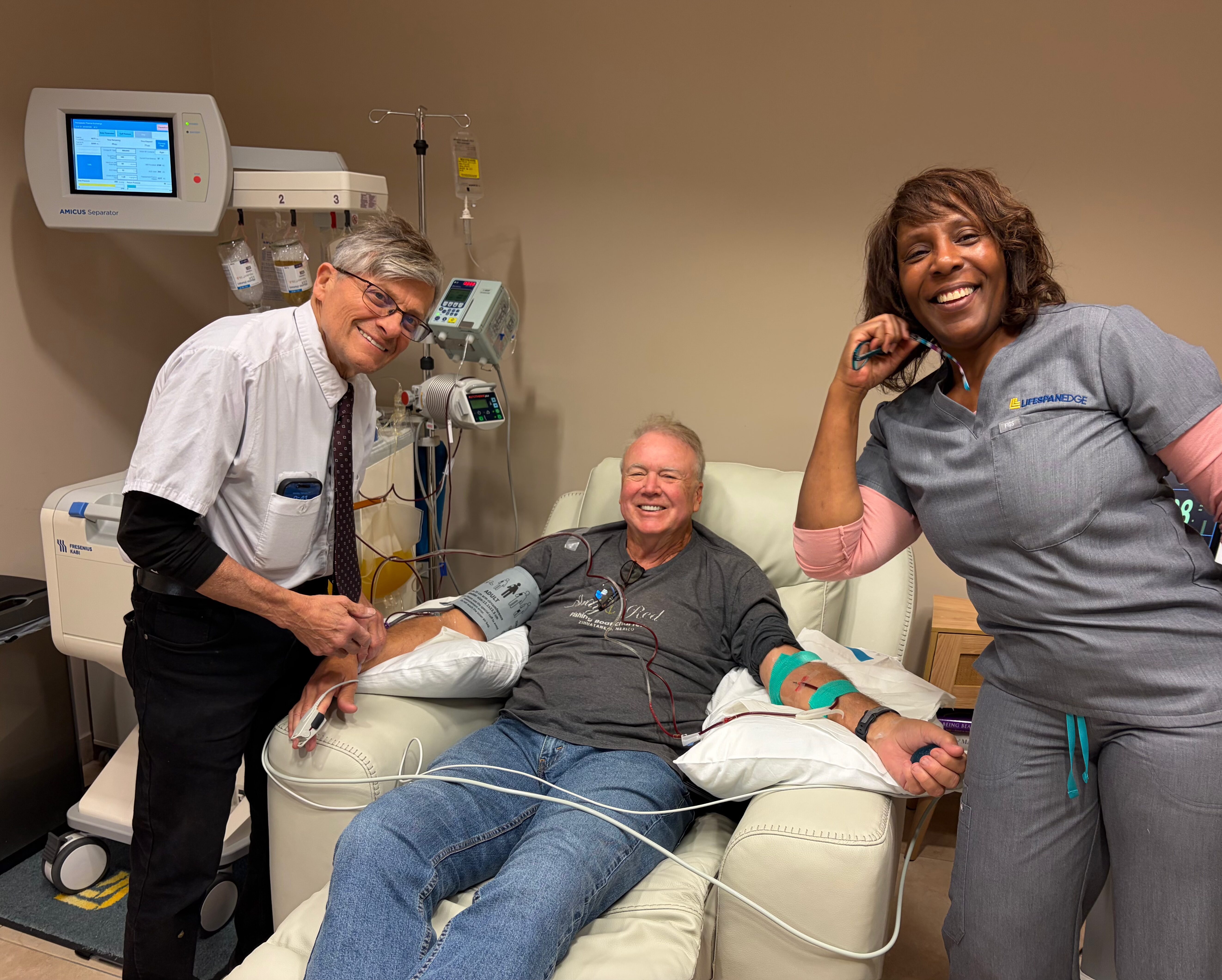
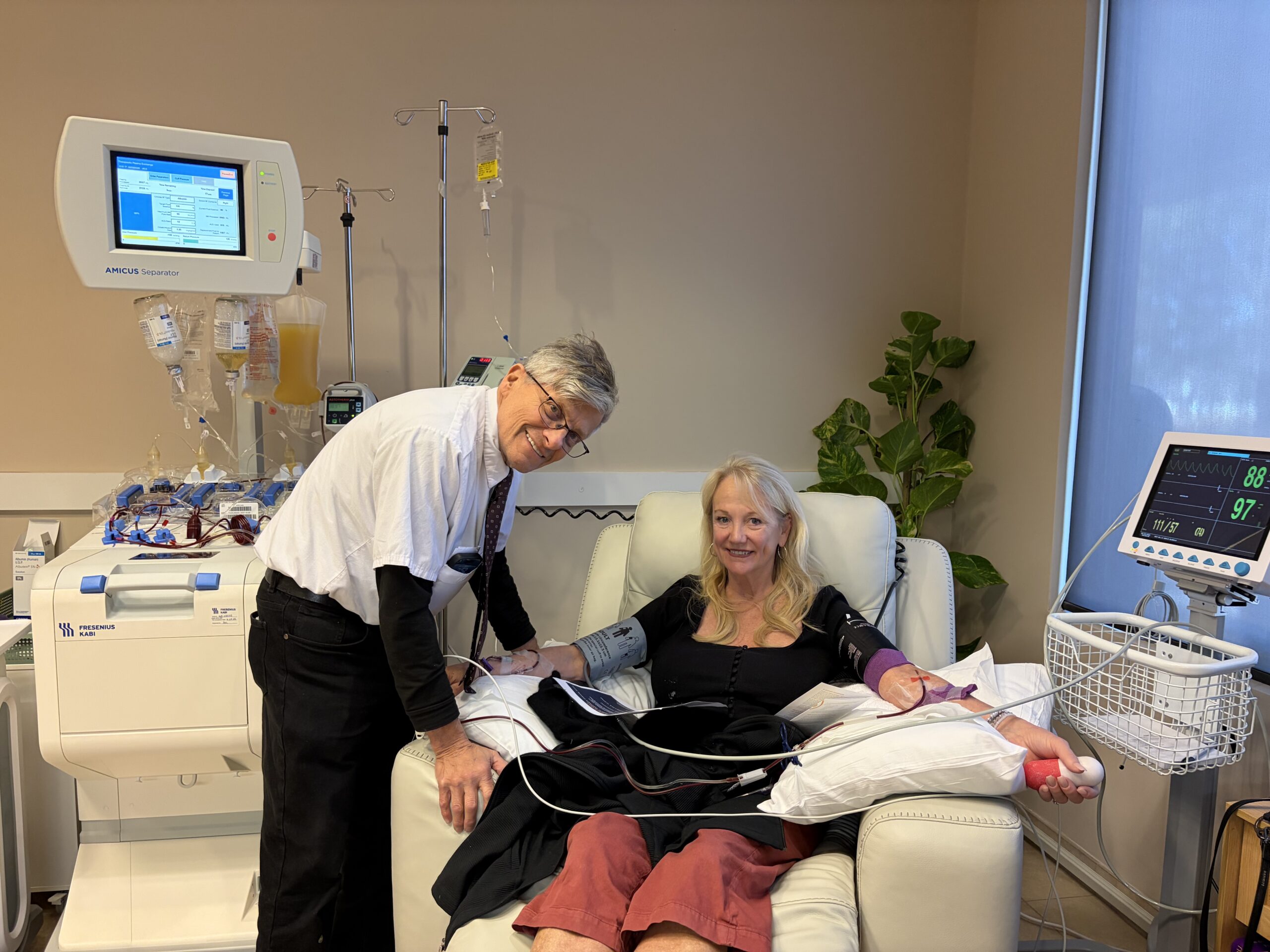
Lifespan Edge is Dr. Roizen’s clinical platform built around therapeutic plasma exchange and precision longevity medicine. The goal was not simply to offer TPE, but to create a medically supervised, evidence-informed model where patients could access advanced therapies responsibly, with ongoing coaching and long-term monitoring.
Today, Lifespan Edge operates in highly accessible locations in the United States and has expanded to Dorado, Puerto Rico, bringing advanced longevity interventions to a broader patient population.
For Dr. Roizen, it was never about launching a company.
It was about refusing to let a breakthrough sit on a shelf.
It was about doing what he has always done.
Just do it.
Never give up.
Move science forward at the speed of human health.
An Oil Change for the Human Body
Therapeutic plasma exchange removes older plasma proteins from the bloodstream and replaces them with fresh fluids. The process stimulates the body to produce new, healthier proteins.
“It’s like an oil change,” he said. “But much more important, because these proteins send signals throughout your body.”
By clearing out dysfunctional signaling proteins, the body begins to behave more like it did decades earlier.
The therapy is already used for serious neurological, autoimmune, hematologic, and renal conditions. In longevity medicine, it is now being explored for early Alzheimer’s, long COVID, and age-related decline.
Through Lifespan-Edge, Dr. Roizen is helping build a model that integrates plasma exchange into a broader longevity strategy.

The Future He Sees
Dr. Roizen believes the next two decades will bring breakthroughs that fundamentally change the human experience.
“We will likely have gene editing processes that reduce or eliminate predispositions to many age-related diseases,” he said.
In that future, people do not just live longer. They live stronger, clearer, and more productive lives.
“If people are healthy at 90 and feel like they’re 40, they won’t want to retire,” he says. “They’ll keep working, contributing their knowledge and experience. That reduces healthcare costs, increases productivity, and stabilizes retirement systems.”
The Message He Has Spent a Lifetime Repeating
After decades in medicine, research, and public health, his message remains simple:
“Your choices make much more difference than you think,” he said. “You have much more control than you realize.”
A world filled with healthy, vital older adults would not just transform medicine. It would transform the economy, the workforce, and the way society defines aging itself.
And for Dr. Michael Roizen, that future is not theoretical.
At 80 years old, it is something he lives every day.
To learn more about Dr. Roizen’s latest work, clinical innovations, and longevity insights:
Explore Lifespan Edge (clinical longevity platform): lifespan-edge.com
Discover longevity-focused products and nutritional support: 4youngevity.com
Follow Dr. Roizen’s ongoing research and insights: michaelfroizenmd.substack.com