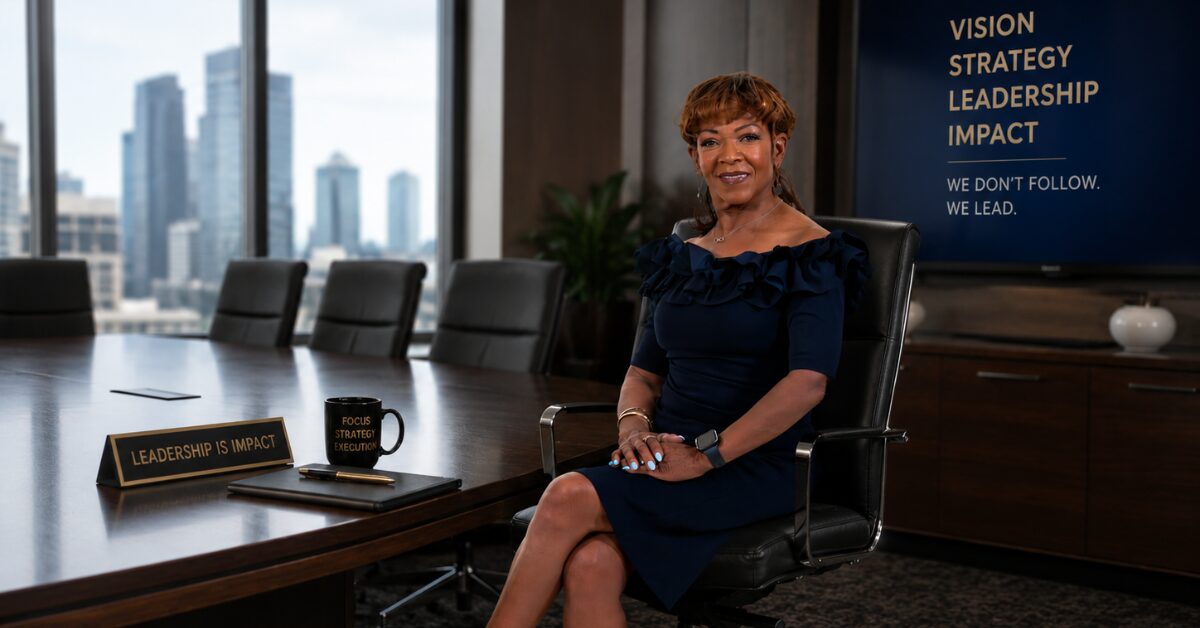
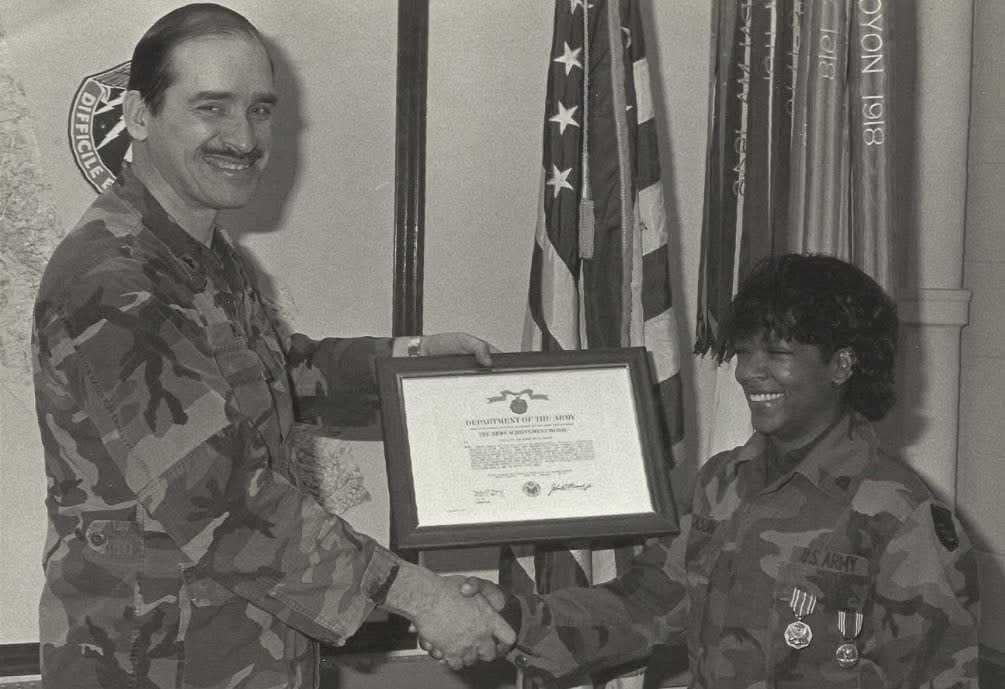
The current landscape of American healthcare often feels like a dichotomy between two worlds: the high-tech, intervention-heavy realm of conventional medicine and the personalized, root-cause-focused world of integrative care. For Sharon Jackson, an Army veteran and former Alaska State Representative, this divide is more than a professional challenge—it was the catalyst for a personal miracle. As the driving force behind the Integrative Medicine Chamber of Commerce (IMCC), Jackson is leveraging her extensive background in small-business lobbying and public policy to advocate for a future in which regenerative and conventional modalities coexist within a single, collaborative ecosystem.
A Journey Rooted in Service and Recovery
Jackson’s journey to this pivotal role was anything but linear. After 15 years in office equipment repair following her military service, she found her true calling in advocacy through her work with the National Federation of Independent Business and later as a constituent liaison for U.S. Senator Dan Sullivan. Approximately six months into her role with the senator’s office, a massive stroke in 2016 abruptly changed the course of her life. The stroke left her paralyzed on her left side and unable to speak clearly, a moment that could have ended her public service career. Instead, it began her immersion into regenerative medicine and ultimately inspired a renewed sense of purpose. Two years later, she ran for lieutenant governor of Alaska and subsequently served three years in the Alaska State House, bringing her experiences in recovery and resilience into public service.
“I witnessed a miracle with my recovery,” Jackson said, reflecting on the arduous journey back to health. “Hyperbaric oxygen therapy put me on a path to healing my body from the effects of my stroke. It changed my life and sparked that vision of helping more people with integrated medical modalities.”
Jackson recalled recognizing the severity of the stroke almost immediately. Unable to speak clearly, she attempted to write the word “stroke” on a piece of paper to communicate to her husband what was happening. During a later speech reflecting on the experience, she described the quiet determination that carried her through recovery: “This will not take me out.” That mindset of resilience would become a defining theme in both her personal recovery and her future advocacy work.
Having experienced the profound impact of non-conventional therapies firsthand, Jackson realized that her recovery was not just a personal victory, but a call to action. She saw a glaring lack of accessibility and awareness regarding the very treatments that restored her independence, prompting her to found the IMCC as a 501(c)(6) non-profit designed to give these modalities a unified national voice.
The IMCC: A Platform for Advocacy and Policy Reform
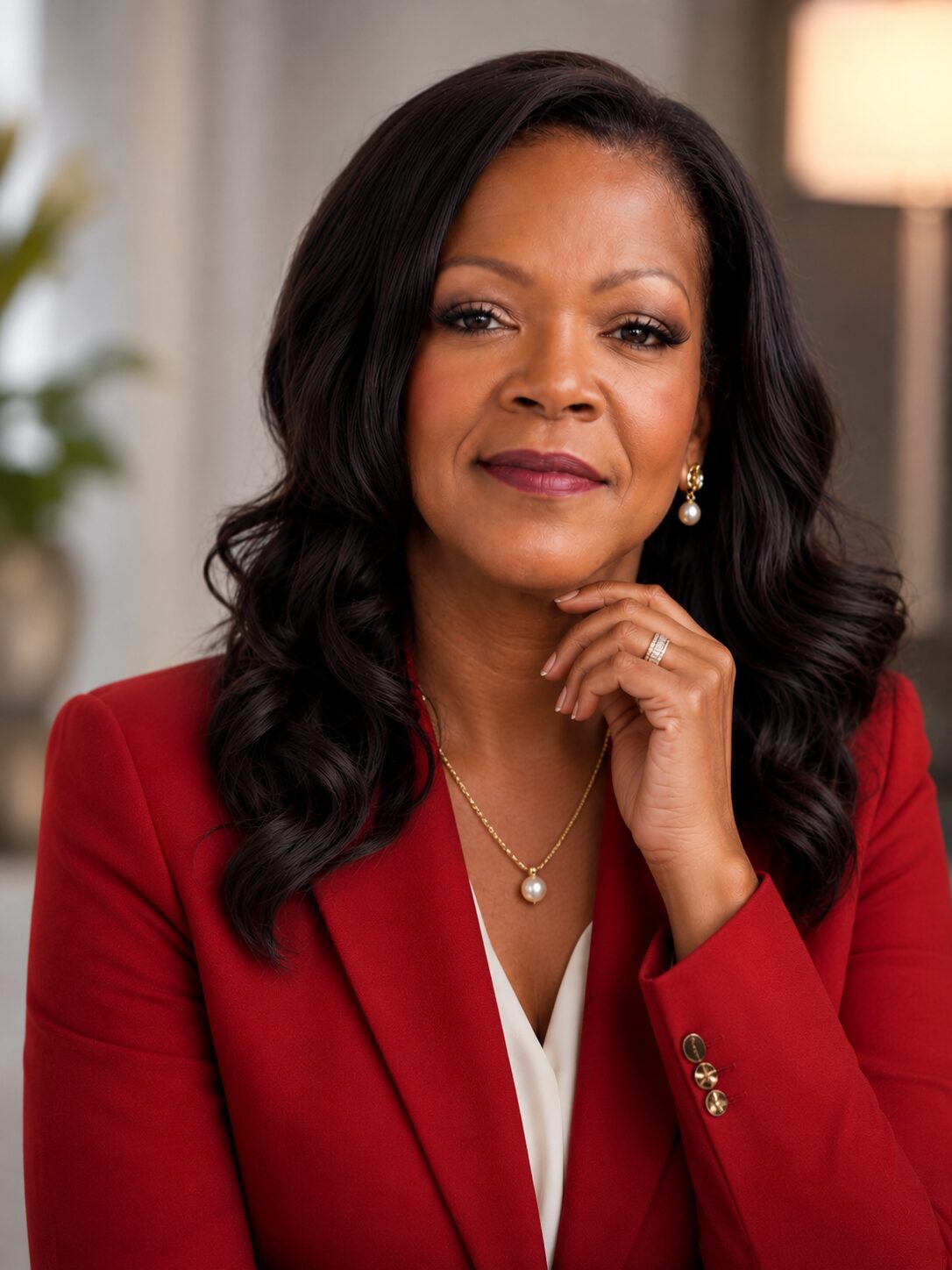
The IMCC functions as a bridge, connecting practitioners of alternative, regenerative, and integrative medicine with the resources and advocacy needed to achieve mainstream legitimacy. Jackson noted that many practitioners currently operate in a state of isolation or even fear, often staying “low” due to the lack of federal recognition and the potential risk to their licenses. By providing a platform for education, collaboration, and policy reform, the IMCC aims to remove these barriers. The goal is to move these treatments from the fringes of healthcare to a position where they are not only recognized by the federal government, but crucially covered by insurance.
“This isn’t about disrupting healthcare; it’s about rebuilding it with prevention and innovation before the system fails the very people it was created to save,” Jackson explained. “America deserves a healthcare system built for healing, not just surviving.”
The IMCC focuses on bridging the gap through evidence-based advocacy, utilizing “white papers, studies, and numbers” to speak the language of legislators and federal agencies. Jackson’s experience in the Senate and the State House has given her a unique perspective on the psychology of government, allowing her to present integrative medicine not as a radical departure, but as a necessary evolution of the current system.

Addressing the Root Cause of a Growing Health Crisis
The growing demand for integrative services is evidenced by the rapid proliferation of modalities such as IV hydration lounges and longevity centers appearing in communities across the country. Jackson believes this cultural shift is driven by a weary public that has grown tired of the traditional medical model, which often focuses on merely managing symptoms rather than resolving the underlying issues.
She argued that while conventional medicine excels at trauma management and acute care, both essential services in emergencies, it often falls short in addressing the complex, multi-faceted root causes of chronic illness and long-term degeneration.
Jackson pointed to a shifting tide in patient expectations, noting that the modern healthcare consumer is increasingly well-informed and looking for alternatives that support the body’s innate ability to heal.
“People are just ready for wellness,” she said. “It shouldn’t take a health crisis in order to have the best health and performance that we can possibly have. Our current health system is good at prescribing drugs, but it is becoming more apparent that many of those drugs only mask the problem and can cause other unintended health issues. It becomes a domino effect.”
This “domino effect” refers to the cycle of secondary side effects often triggered by long-term pharmaceutical use, which can lead to a secondary set of symptoms and further prescriptions, eventually obscuring the original health concern.
Furthermore, Jackson observed that the need for a root-cause approach has never been more urgent, particularly as the nation grapples with the long-term effects of recent global health challenges. She noted that many people, including a younger generation that appears “sicker than we’ve ever seen,” are suffering from a lack of vitality that conventional settings struggle to quantify.
By identifying and treating the source of dysfunction through more natural, restorative methods, Jackson believes the IMCC can help patients avoid the trap of chronic symptom management and instead move toward a state of genuine, sustainable health.

Prioritizing Brain Health and Proactive Wellness
Central to Jackson’s vision for the IMCC is the concept of brain health as the foundational cornerstone of overall human wellness. Drawing on her extensive work and deep friendship with the late neurologist Dr. Carol Henricks, Jackson emphasized that the brain, like any other vital organ, can experience disease and trauma. More importantly, it possesses a remarkable capacity to repair and reorganize itself when provided with the right biological tools. This focus on neuro-regeneration was a key element of Jackson’s own recovery, where she witnessed how oxygen-rich environments and cellular support could facilitate healing that traditional protocols deemed unlikely.
By championing treatments such as hyperbaric oxygen therapy, nutrition, and light frequency therapies, the IMCC advocates for a “pro-active” rather than just a “preventive” approach to healthcare. In Jackson’s view, prevention is about avoiding a negative state, whereas being pro-active is about optimizing a positive one.
This philosophy encourages individuals to view their biological health as their primary source of wealth, an asset that requires consistent investment and high-quality maintenance.
“If you can work with the brain, allowing it to repair itself, then the whole body benefits,” she noted, highlighting the intrinsic link between mental clarity, physical performance, and emotional resilience.
This focus on the brain also addresses the silent epidemic of mental health and cognitive decline. Jackson argued that when the brain is struggling with “disease” or inadequate oxygenation, it affects every internal system, leading to a loss of productivity and happiness. By prioritizing brain health through integrative modalities, the IMCC aims to reinvigorate the energy of the nation. For Jackson, when individuals feel better, they “do better,” creating a ripple effect in which healthy people contribute to more vibrant education systems, more effective government, and a more joyful society at large. This holistic perspective shifts the focus from managing illness to empowering the individual to reach their highest potential.

A Divine Assignment for a Healthier America
Looking forward, Jackson sees no shortage of opportunities to expand the IMCC’s reach and solidify its place as a cornerstone of the medical community. With high-profile endorsements from organizations such as the Association of Pro Ball Players of America and a rapidly growing network of scientists, researchers, and frontline doctors, momentum is building toward a tipping point.
Jackson remains a “boots on the ground” leader, a self-described “army girl” who finds her greatest joy in traveling the country, attending conferences, and meeting face-to-face with practitioners who have long sought a unified platform to share their successes and challenges. She views the current era as a time of “putting the pieces together,” where the knowledge gained over decades of research is finally meeting the political and social will necessary for systemic change.
Jackson often describes resilience as a form of defiance—not rebellion, but the decision to continue moving forward despite adversity. “Strength is deciding that pain will not have the final say,” she said during a recent address, a philosophy that continues to shape both her leadership and the mission of the IMCC.
For Jackson, the IMCC is more than a professional organization; it is the missing key in a fractured healthcare landscape–a divine assignment aimed at creating a more sustaining, inclusive, and effective medical environment for all Americans. She believes that by providing the government with the necessary white papers and clinical evidence, the path toward federal recognition and insurance coverage is not just possible, but inevitable. This mission is driven by the conviction that healthcare should empower the individual, providing them with the vitality needed to pursue their own purpose.
“Our health is our wealth,” Jackson said, emphasizing the profound connection between physical well-being and national prosperity. “Without good health, we really have nothing to offer. This modality is invigorating; I see it reigniting the energy of the people of our nation.”
As the IMCC continues to bridge the gap between traditional and integrative care, Jackson’s vision remains clear: to ensure that every American has access to a system that prioritizes healing and performance, allowing the “joy that we can now reconnect with” to spread through every facet of society, from education to government. In her view, when the people are healthy, the nation itself can finally evolve.
To learn more about Sharon Jackson and her missions, visit www.imcc.us.