In the high-stakes environment of modern healthcare, a silent crisis has been brewing for years. Nurses and clinicians are facing what many describe as a “war zone” of workplace violence, with data suggesting that nearly 30% of new graduates leave the profession within their first year due to the physical risks and emotional toll.
For decades, the industry has relied on “legacy” safety programs, check-the-box training that provides little more than a paper handbook, and a handful of techniques that clinicians, security, and even the instructors themselves know are ineffective in real-world settings. This has created a culture of “imagined effectiveness” in which everyone in the training room knows the skills are ineffective, yet they are taught anyway to satisfy liability requirements.
A Breakthrough in Distance Management
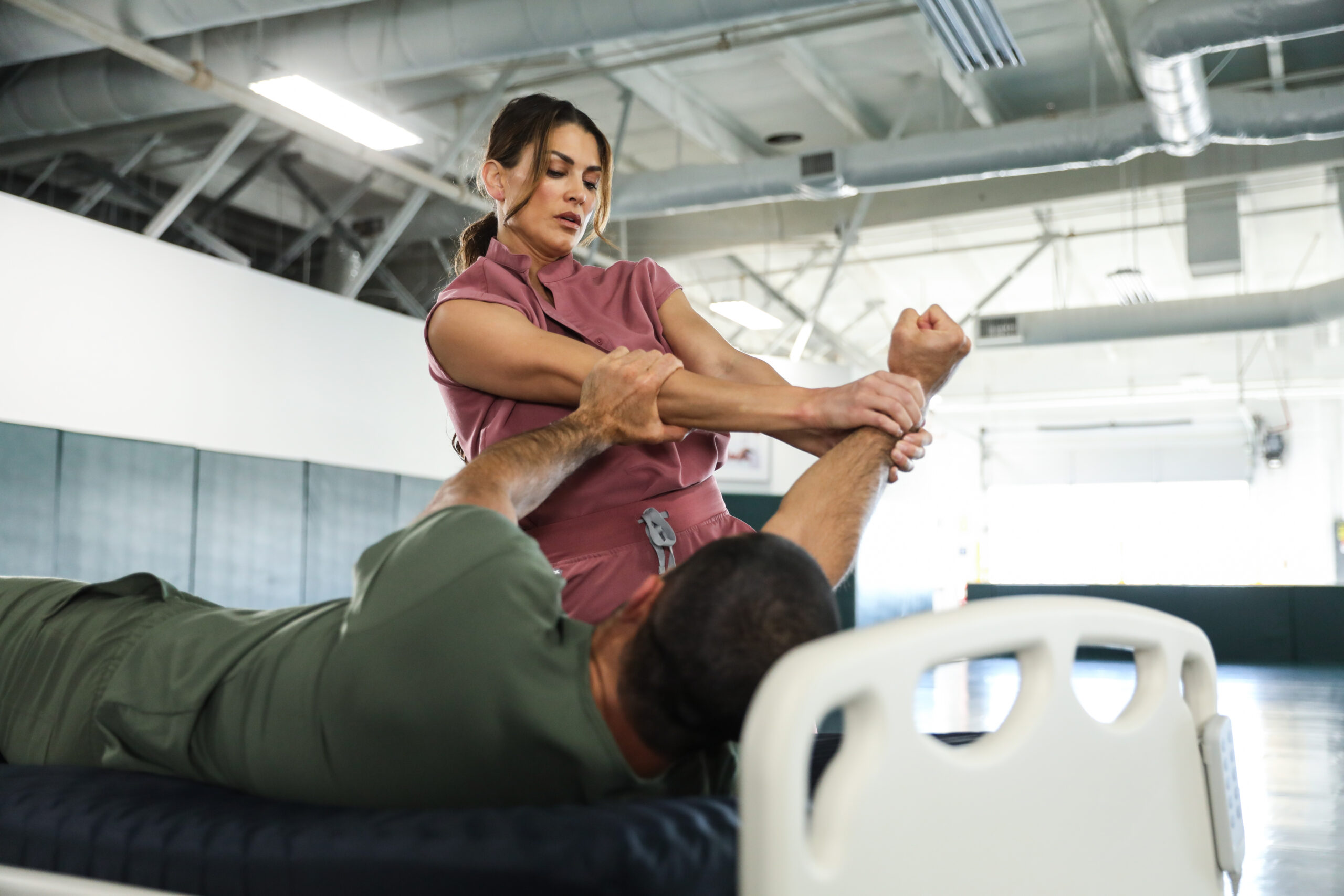
Enter Rener Gracie. The Gracie family name is synonymous with the birth of modern self-defense, responsible for founding and developing Brazilian Jiu-Jitsu and the UFC. But Rener’s latest mission isn’t about the Octagon; it’s about the ER, the behavioral health unit, and the pediatric ward. Through Gracie Medical Defense (GMD), he is introducing a breakthrough that is taking the industry by storm by “sanitizing” the world’s most effective martial art for the hospital floor.
“Legacy workplace violence prevention programs typically emphasize creating distance from aggressive patients, but in healthcare, proximity is unavoidable; clinicians must be close to provide care. These traditional approaches fail because they don’t offer solutions when distance isn’t an option.” Gracie said. “While GMD also emphasizes verbal de-escalation and safe space, it equips clinicians with practical, hands-on methods for managing aggression when close proximity is inevitable. This is a revolution born from over a century of experience in safely de-escalating aggressive behavior across diverse scenarios.”
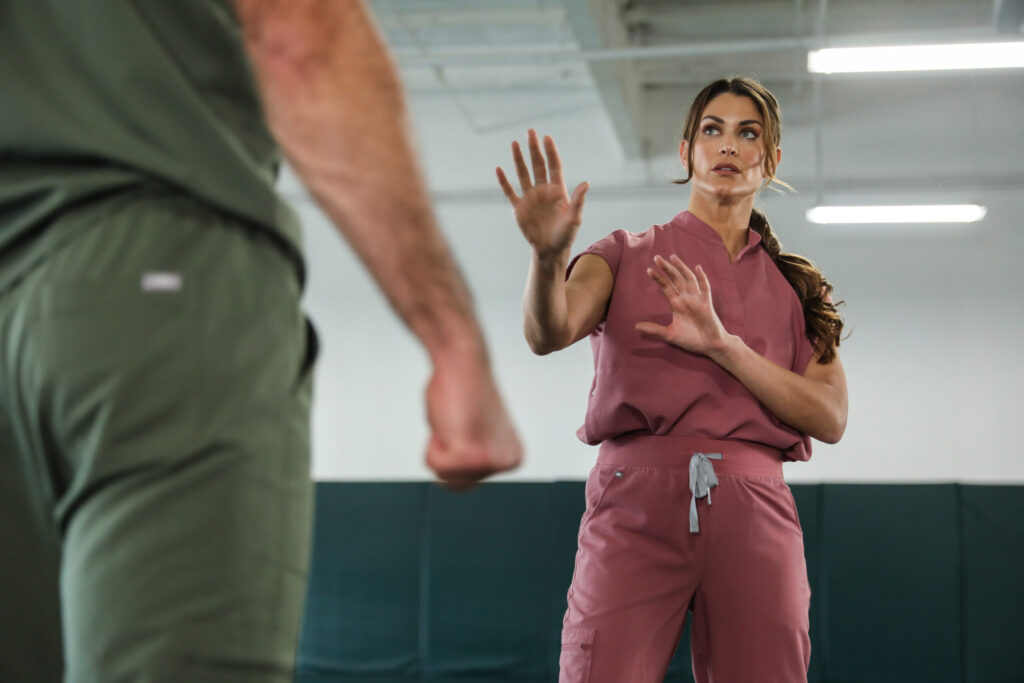
The fundamental flaw in legacy training is the absence of viable and effective solutions that are also safe. When a patient becomes aggressive and creating distance is not possible, clinicians are left without practical options and may panic, escalating to injurious physical force. GMD bridges this gap by providing a structured, safety-centric framework for managing aggression in close proximity.
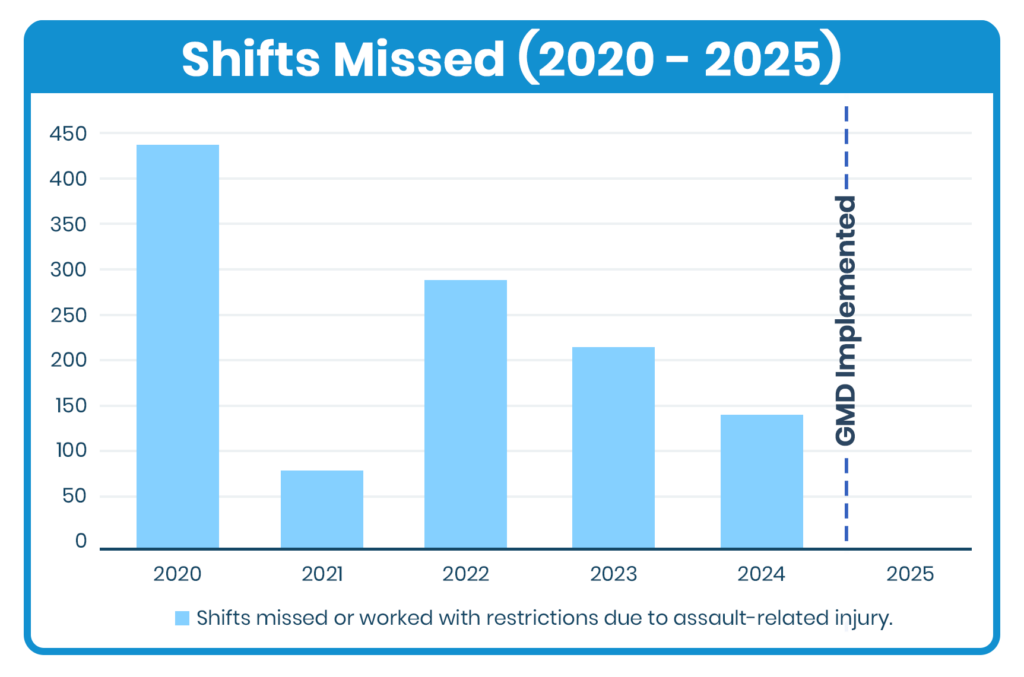
Gracie explained that GMD techniques are inherently de-escalatory. “Everything we teach is designed to reduce the intensity of an encounter through verbal and physical de-escalation. By teaching clinicians to effectively manage distance, even in close-contact situations with aggressive patients, we have seen a significant reduction in injuries resulting from these encounters.”
In many healthcare institutions, clinical and security personnel often face significant challenges when they speak different languages and are trained in separate systems, leading to miscommunication and increased risk during critical moments. GMD is a breakthrough, ensuring that both security and clinical teams are trained together and speak a unified language, drastically reducing injuries and enhancing communication, creating a safer, more cohesive environment during even the most difficult encounters.

The Psychology of Verbal De-escalation
Perhaps the most profound insight the program offers is the link between physical safety and verbal de-escalation. Gracie argued that verbal de-escalation competence goes up as physical safety skills improve, not the other way around.
“The more physically secure you feel, the more verbally empowered you become to say, ‘Sir, I understand you’re upset. We’re going to get the doctor, but if you take another step in my direction, I will have to call security,’” Gracie said. “When you do not feel safe, it is extraordinarily difficult to communicate with clarity, confidence, and calm authority. That is why the single greatest enabler of effective verbal de-escalation is physical competence. Without the confidence that you can protect yourself, your words lose strength. You cannot separate the two.”
This confidence enables clinicians to remain anchored in their professional role, rather than reacting from fear and inadvertently escalating the encounter. By offering a clinically adapted version of Brazilian Jiu-Jitsu that excludes strikes and joint locks, GMD equips healthcare professionals with tools designed solely for control and protection. The result, as Gracie explains, is the ability to “fight fire with water instead of fighting fire with more fire,” responding to aggression with measured, safety-focused escape or restraint, rather than forceful retaliation.
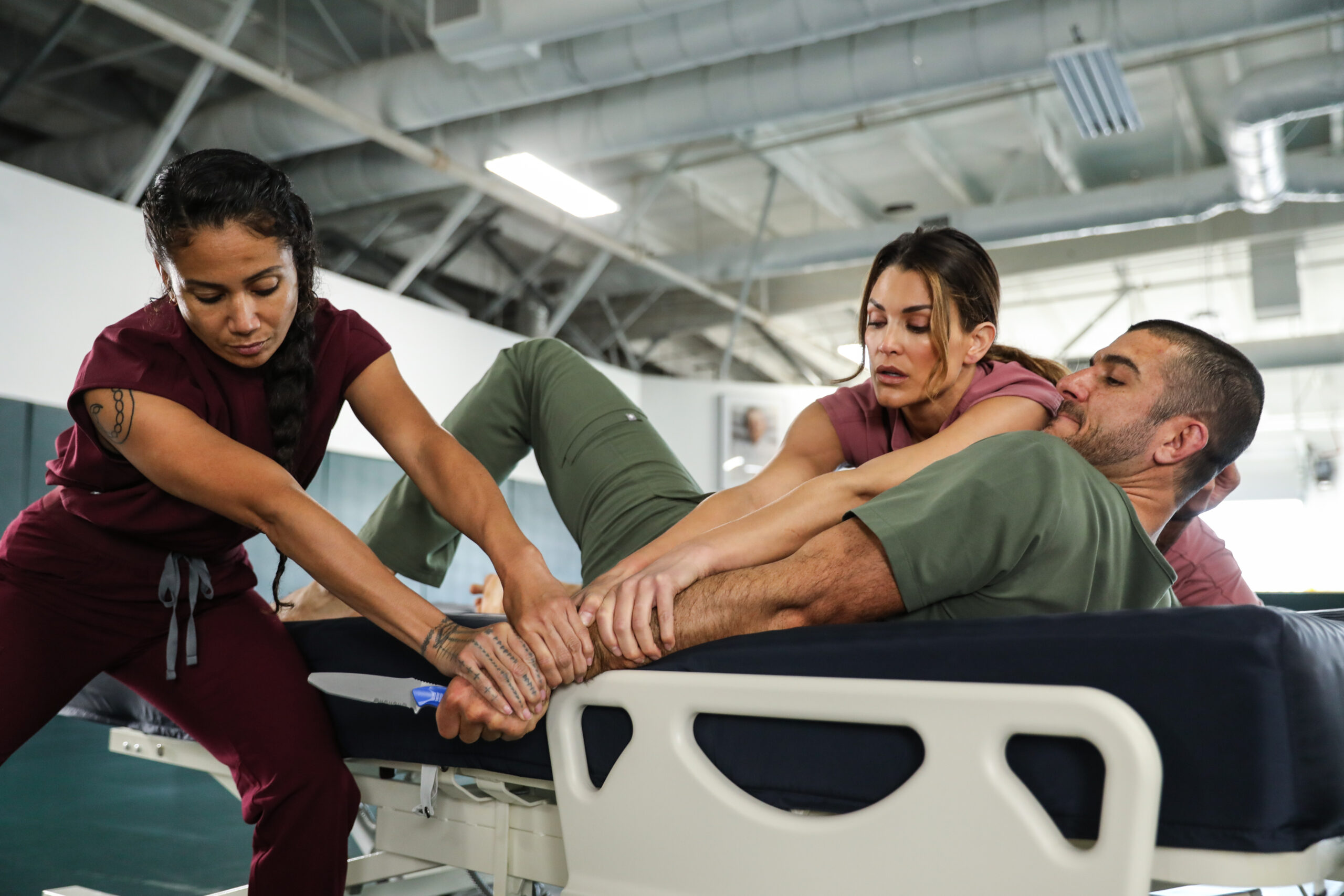
SafeWrap: A Revolution in Restraint
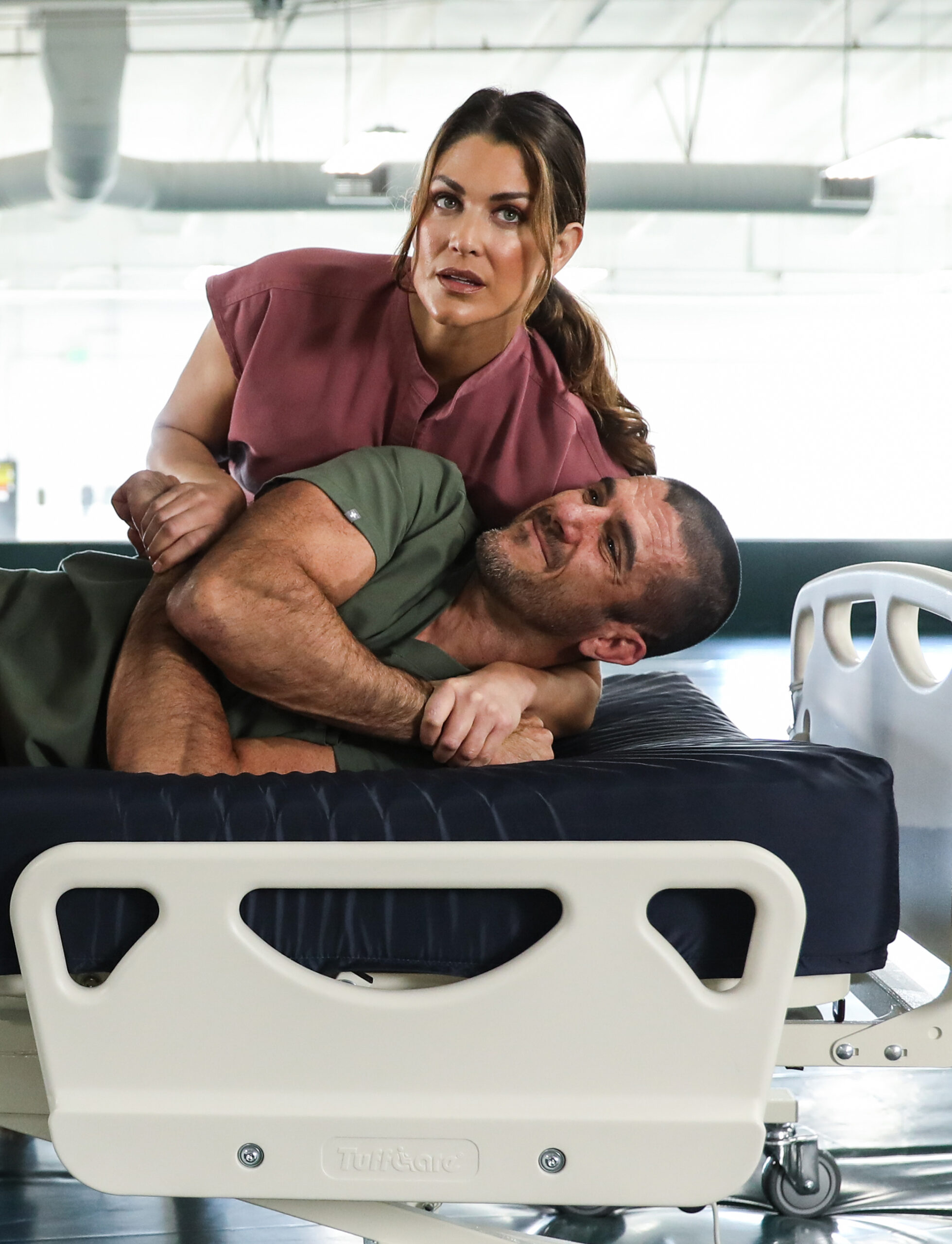
One of the most consequential encounters in healthcare is the physical restraint of a violently resisting patient. When UC Health (University of California Health) approached Gracie, they presented a challenge: develop a restraint method that used no joint locks, no chokeholds, no prolonged diaphragm compression, no strikes, and no pressure points. Gracie admitted his initial reaction was skepticism.
“At first, I didn’t think such a method existed,” he said. “Any conventional restraint used on a violently resisting individual involves one or more of those risks.”
Determined, he developed SafeWrap, a patent-pending lateral restraint system.
“It is a restraint method that allows as few as two staff members to establish safe, nonviolent control by positioning the individual on their side rather than on their stomach or back, utilizing a unique and proprietary configuration of coordinated arm and leg controls,” Gracie explained.
This lateral position is critical because it supports unrestricted breathing and allows for continuous medical monitoring, ensuring the individual’s condition remains visible and assessable at all times.
He added, “They are unable to kick, punch, or bite, and throughout the entire process we maintain visual contact, communicate with them, and continuously monitor their condition to keep them as safe as possible.”
Retention Through Best-in-Class Training
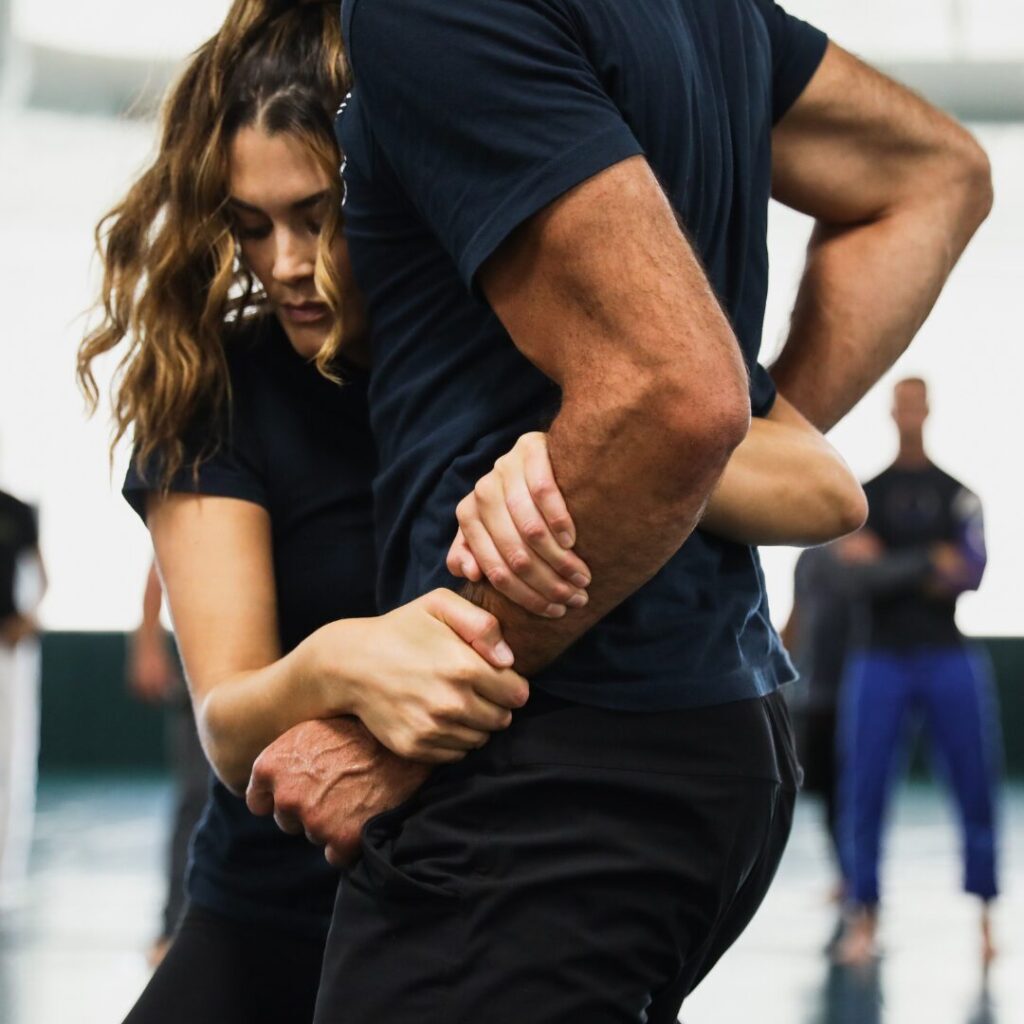
The implementation of GMD is specifically designed to solve one of the greatest failures of legacy programs: skill retention. In many hospitals, training consists of a once-a-year classroom session followed by a handbook that is rarely opened again. The result is predictable. When a crisis occurs months later, the skills are no longer there.
GMD takes a fundamentally different approach. It operates as a structured train-the-trainer model, equipping certified internal instructors to deliver a blended curriculum of computer-based modules and hands-on classroom instruction.
Crucially, every staff member receives 24/7 access to a comprehensive video library covering the entire curriculum.
Gracie noted that “legacy competitors in this space do not offer that. They do not provide a comprehensive video library that every staff member can access whenever they need it. The impact that has on retention is enormous.”
That access changes everything. A nurse can revisit a technique months after certification, rehearse it with a colleague, or refresh their understanding before a shift. Instead of fading over time, the skills remain sharp and accessible when they are needed most.
Beyond performance metrics, GMD is reshaping hospital culture. When an organization invests in best-in-class training developed by a world-renowned family, it sends a clear message that staff safety matters. Gracie describes the program as an employee-retention partnership. At a time when nurses across the country are advocating for safer working conditions, GMD offers a tangible, proactive solution.
“When healthcare organizations prioritize training at this level, it sends a powerful message that staff safety is non-negotiable,” Gracie said.
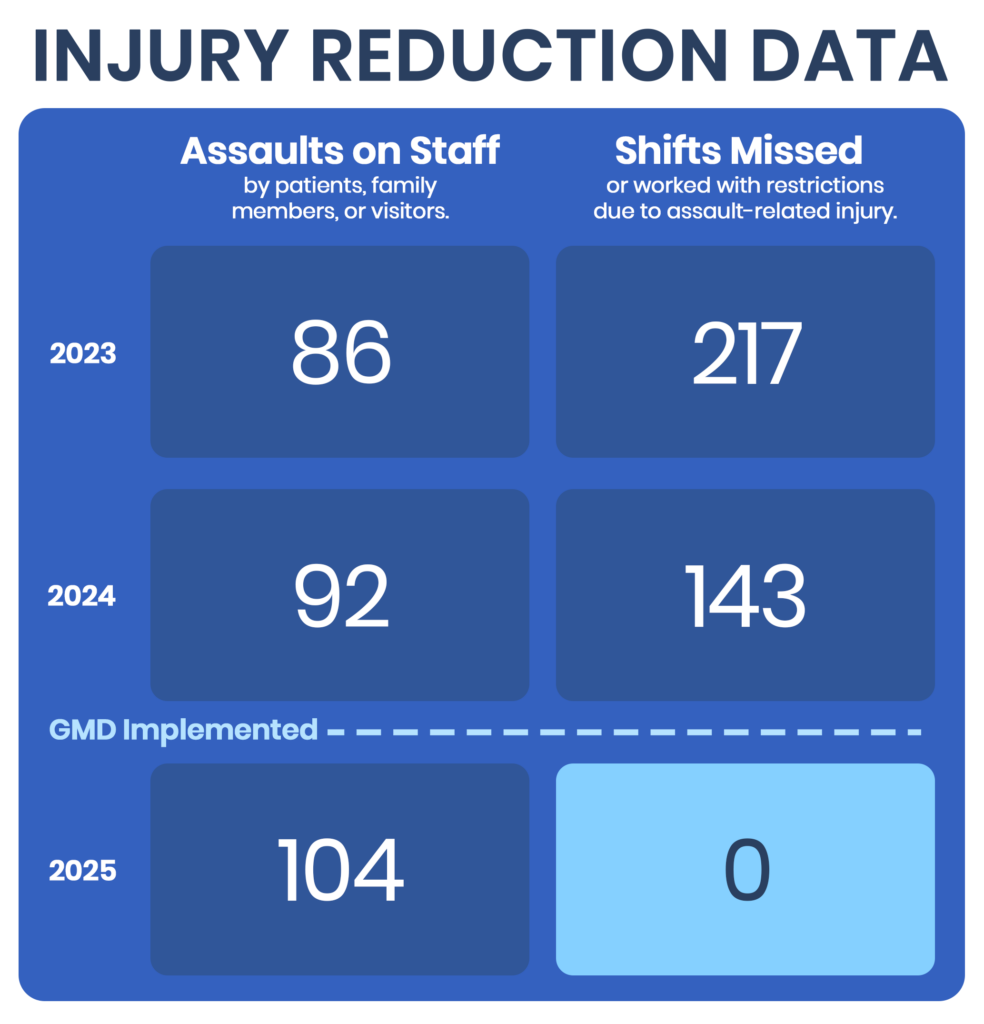
By replacing ineffective legacy systems with simple, effective, and non-injurious control techniques, hospitals are demonstrating that violence-related harm can be reduced to near-zero levels, protecting both staff and patients alike.
The Future of Healthcare Safety
As the healthcare industry continues to confront a persistent nursing shortage and rising rates of workplace violence, the growth of Gracie Medical Defense offers a practical blueprint for systemic change. By shifting the focus from compliance-driven, check-the-box training to clinically applicable, reality-based skill development, hospitals are beginning to address one of the true drivers of burnout and injury: preventable physical harm.
“The goal is for GMD to become the standard for workplace violence prevention in America and around the world,” Gracie said. “Large institutions do not change overnight, but once leaders see that it is possible to operate with little to no injuries, the entire conversation changes.”
The era of escalating force in response to patient aggression is beginning to give way to something smarter. Through the principles of distance management and the innovation of SafeWrap, Gracie is demonstrating that safety and compassion can coexist. When clinicians feel physically secure, they are free to focus on what they were trained to do: deliver high-quality care without the fear of becoming patients themselves.
As hospitals adopt time-tested control principles refined for the modern clinical environment, the hospital floor no longer has to resemble a conflict zone. With the right training, it can return to what it was always meant to be: a place of healing.
To learn more about Gracie Medical Defense or Rener Gracie, visit GracieMedicalDefense.com.