When we think of spring, we think about warmer weather ahead and longer days. All around us, we are surrounded by the beauty of nature as trees begin to regain their leaves and flowers begin to bloom. It’s a signal of renewal, a time to clear out the old and make room for the new.
We begin by setting our clocks forward to give us more daylight hours. Some of us start tending to our gardens, raking the fallen leaves, preparing the soil with fertilizer, and planting grass seed. Soon, bulbs, shrubs, and flowers are added, bringing color and life back to our yards.
Inside the house, there is work to be done as well. We are reminded to change the batteries in our smoke alarms. Many of us start cleaning out our closets, packing away heavy winter clothing, and bringing out lighter spring outfits. We rummage through drawers, deciding what stays and what needs to go. Some people even take the time to clean out their pantry, throwing away old spices and expired canned goods.
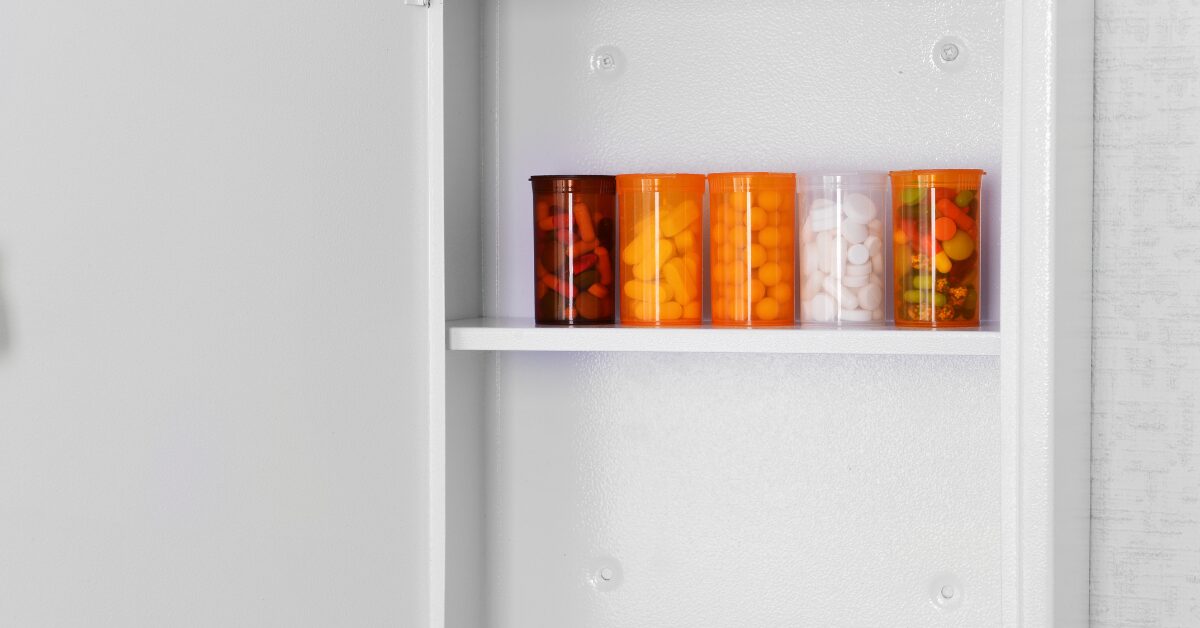
But how many of us think about spring cleaning our medicine cabinets?
Yes, our medicine cabinets.
For most households, the medicine cabinet becomes a place where products quietly accumulate year after year. We buy something for a headache, a cold, allergies, or a minor injury. Once we feel better, the product gets pushed to the back of the shelf and forgotten. The next time we need something, we often buy another bottle rather than checking what we already have. Before long, the cabinet is filled with half-used containers, outdated prescriptions, expired cough syrups, supplements we tried once, and products we barely remember purchasing.
Unlike a shirt that goes out of style or a spice that simply loses flavor, medications can pose real risks when they are expired or improperly stored. Many people assume expiration dates are just suggestions, but they serve an important purpose. Medications change over time, and those changes can affect how well they work or whether they should be used at all.
Cleaning out your medicine cabinet may not seem like the most exciting task, but it is one of the simplest steps you can take to protect your health and your family’s health. Once you actually look closely at what’s inside that cabinet, you may be surprised, maybe even shocked, at how many items are long past their expiration date. Trust me, I was – which is why today I clean out my medicine cabinet every spring.
Why Expiration Dates Matter
Every medication, whether prescription or over-the-counter, comes with an expiration date. Manufacturers determine this date through stability testing and indicate how long the medication is expected to maintain its full strength, safety, and quality when stored properly.
After that date, the medication’s chemical composition may begin to change. In some cases, the medication simply becomes less effective. In other cases, the breakdown of ingredients can lead to compounds that irritate the body or produce unwanted side effects.
Think about the last time you reached for a pain reliever during a headache or grabbed cold medicine when you weren’t feeling well. You expect that product to work. But if it has been sitting in your medicine cabinet for years and is long past its expiration date, the relief you’re hoping for may never come.
Many people keep medications “just in case,” but when that “just in case” moment arrives, the product may no longer do what it was designed to do.
Prescription Medications
Prescription medications deserve special attention when cleaning out your medicine cabinet. These drugs are carefully formulated and dosed to treat specific medical conditions, and their effectiveness can decline once they expire.
Common examples include antibiotics, blood thinners, thyroid medications, and birth control pills. These medications rely on chemical stability to deliver precise therapeutic effects.
For example, I personally take Synthroid since I had my thyroid removed. This medication replaces a hormone that the body either does not produce or does not produce in sufficient amounts. Because thyroid hormones influence metabolism, energy levels, and many other bodily functions, the dosing must be extremely precise.
If a medication like Synthroid has passed its expiration date, its potency may decline. That means the amount of hormone your body receives may no longer match the dose listed on the label. Even small variations in thyroid hormone levels can cause symptoms such as fatigue, brain fog, changes in metabolism, or weight fluctuations.
This is why medications like Synthroid should never be taken past their expiration date. A pill may look perfectly fine, but appearance tells us nothing about whether the active ingredients inside remain stable and effective – and for me, that is extremely important.
Antibiotics are another category where expiration dates are especially important. Expired antibiotics may lose their ability to fight infections effectively. Taking antibiotics that are no longer potent can allow infections to linger and may even contribute to antibiotic resistance.
When it comes to prescription medications, the rule is simple: if it’s expired or no longer prescribed to you, it doesn’t belong in your medicine cabinet.
Over-the-Counter Medications
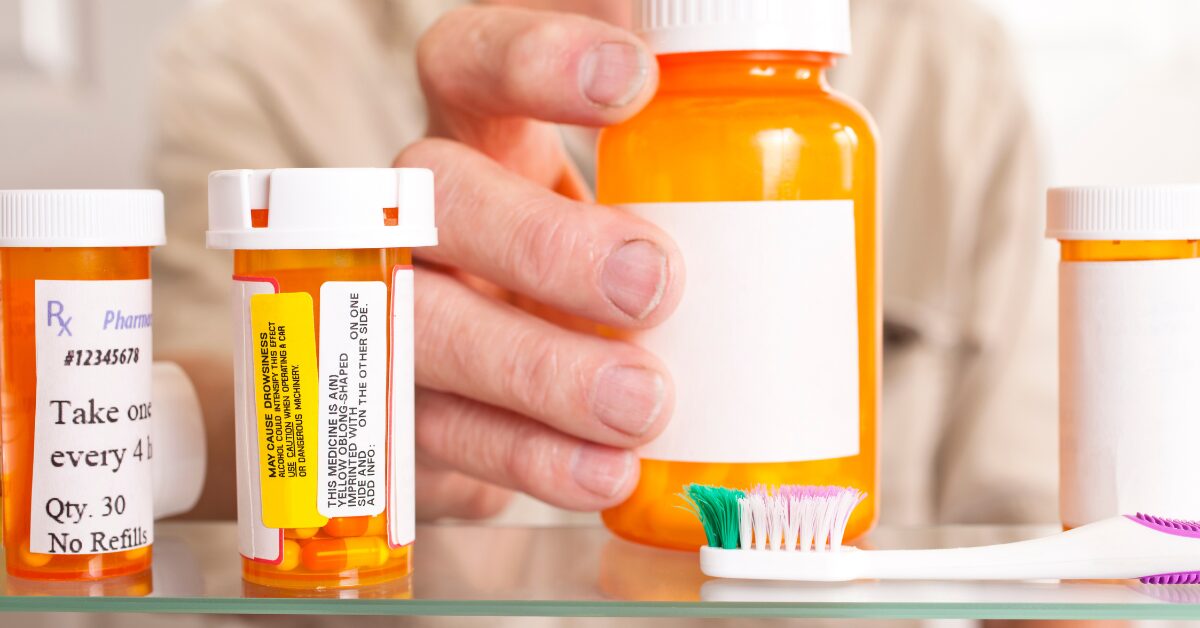
Over-the-counter medications are some of the most common items found in cluttered medicine cabinets. Because they are easy to purchase without a prescription, we often buy them frequently and store them without much thought.
Typical examples include pain relievers such as Aspirin and Ibuprofen, cold and cough syrups, allergy medications, antacids, and sleep aids.
Although these medications are widely used and generally safe when taken properly, they are still subject to expiration. Over time, the active ingredients can degrade, which reduces their effectiveness.
Liquid medications such as cough syrups are particularly vulnerable. Once opened, they are exposed to air and potential contaminants. Even if they look normal, their chemical composition may have changed. Do you want someone in your family or yourself drinking something that’s expired? I am confident the answer is no.
Allergy medications are another common product people tend to keep for years. If you suffer from seasonal allergies, you may have several boxes tucked away. But if those medications are expired, they may not provide the relief you expect when allergy season arrives.
Topical and Liquid Products
When people think about expiration dates, they often focus on pills and tablets, but topical and liquid products are just as important to review.
Eye drops, ear drops, and nasal sprays can easily become contaminated once opened. Because these products are used in sensitive areas of the body, using an old or contaminated bottle can introduce bacteria where they do not belong.
I bet you thought Hydrogen peroxide lasts forever. Guess again. Hydrogen peroxide and antiseptic creams can also lose potency over time. Hydrogen peroxide gradually breaks down into water and oxygen, meaning an old bottle may no longer have the disinfecting strength needed to clean a wound properly.
Antibiotic ointments and antiseptic creams can also degrade, reducing their ability to prevent infection.
These products may seem harmless, but if they are no longer effective, they may not provide the protection you expect when treating cuts, scrapes, or minor injuries.
Vitamins and Supplements
Vitamins and supplements are another category that tends to pile up in medicine cabinets. Many people try different supplements for immune support, bone health, or overall wellness.
Although supplements are often considered mild compared to medications, they still have expiration dates for a reason.
Over time, vitamins can lose potency, especially when exposed to heat, humidity, and light. Vitamin C, for example, is particularly sensitive to air and moisture. A supplement that has been sitting in a cabinet for years may no longer deliver the nutrient levels listed on the label.
Herbal supplements can also degrade over time, and in some cases, their chemical composition can change enough to cause digestive upset or other reactions.
Even though supplements are widely available and often marketed as natural, they should still be checked regularly and discarded when they expire.
Child Safety
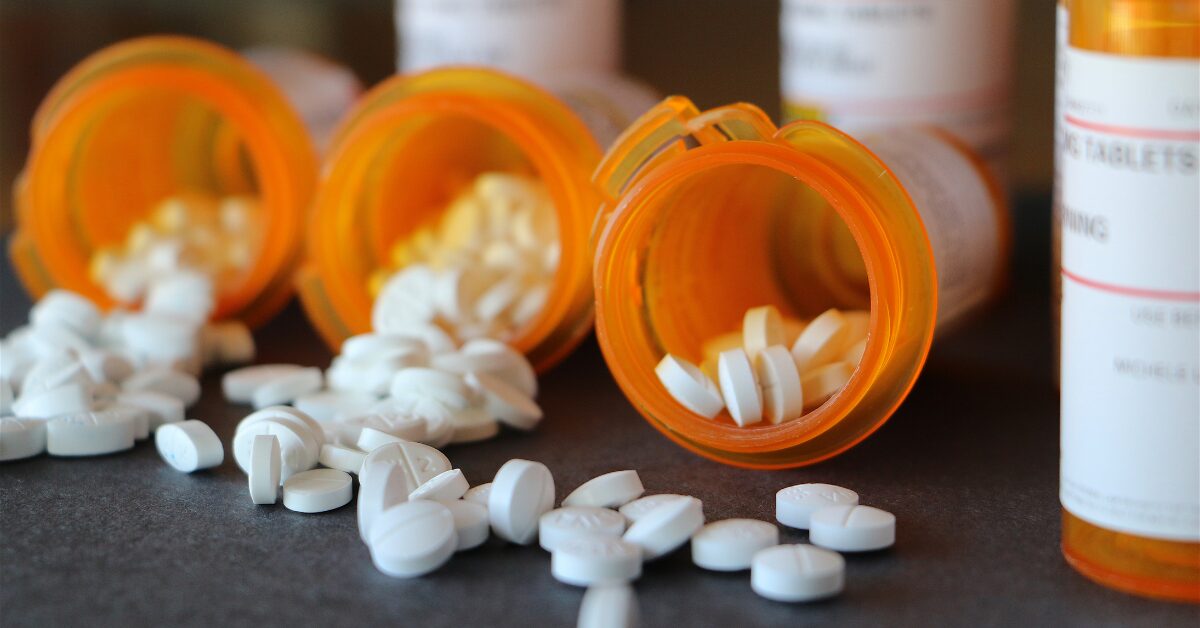
Another important reason to clean out your medicine cabinet is child safety. Children are naturally curious, and many medications resemble candy. Chewable tablets, brightly colored capsules, and flavored syrups can easily attract a child’s attention.
Even a small amount of medication can be dangerous if taken accidentally by a child. For this reason, medications should always be stored out of reach and preferably in cabinets with child-resistant locks. Child-resistant caps provide some protection, but they are not foolproof. Given enough time and curiosity, children can sometimes open them.
Removing expired or unnecessary medications reduces the number of potentially dangerous items in your home and helps create a safer environment for children.
Storage Matters
Another factor many people overlook is where medications are stored. Ironically, the traditional bathroom medicine cabinet is often not the best place for medications.
Bathrooms are warm and humid environments due to showers and baths. Heat and moisture can accelerate the breakdown of many medications, shortening their shelf life. A better option is storing medications in a cool, dry location away from direct sunlight. A bedroom drawer, hallway cabinet, or dedicated storage container can provide a more stable environment.
Proper storage helps medications maintain their potency and effectiveness throughout their intended shelf life.
Safe Disposal
Once you have gathered expired or unused medications, the next step is disposing of them properly.
Flushing medications down the toilet or sink is generally not recommended because these substances can enter wastewater systems and potentially affect waterways and wildlife.
Many communities offer medication take-back programs that allow residents to dispose of unused drugs safely. Pharmacies, hospitals, and local health departments often participate in these programs.
One well-known initiative is National Prescription Drug Take Back Day, organized by the U.S. Drug Enforcement Administration. These events provide safe and anonymous opportunities for people to dispose of unwanted medications.
If a take-back program is not available in your area, medications can be mixed with unappealing substances such as coffee grounds or cat litter, sealed in a bag, and placed in the trash. This helps prevent accidental ingestion by people or animals.
Before discarding prescription containers, remember to remove or scratch out any personal information on the label.
A Simple Habit That Protects Your Health
Cleaning out your medicine cabinet does not need to be complicated. In fact, it can often be done in less than thirty minutes once or twice a year.
Start by removing everything from the cabinet and checking expiration dates. Discard anything that is expired, no longer needed, or no longer prescribed to you. Wipe down the shelves and organize the remaining products so they are easy to find.
Many people choose to do this during seasonal transitions such as spring and fall, when other household maintenance tasks are already on the to-do list.
The truth is, most of us rarely think about what is in our medicine cabinet until we suddenly need something from it. But that small cabinet holds products that directly affect our health.
Once you take the time to clean it out, you may find yourself thinking, Wow, I had no idea how many of these medications were expired. You might even realize that in the past, you reached for something expecting relief, when in reality, it may have already lost its effectiveness.
Just as we clean our closets, organize our homes, and refresh our gardens each spring, our medicine cabinets deserve the same attention. A simple check twice a year can protect your health, keep your family safe, and ensure that when you reach for a medication, it is ready to do exactly what it was designed to do.