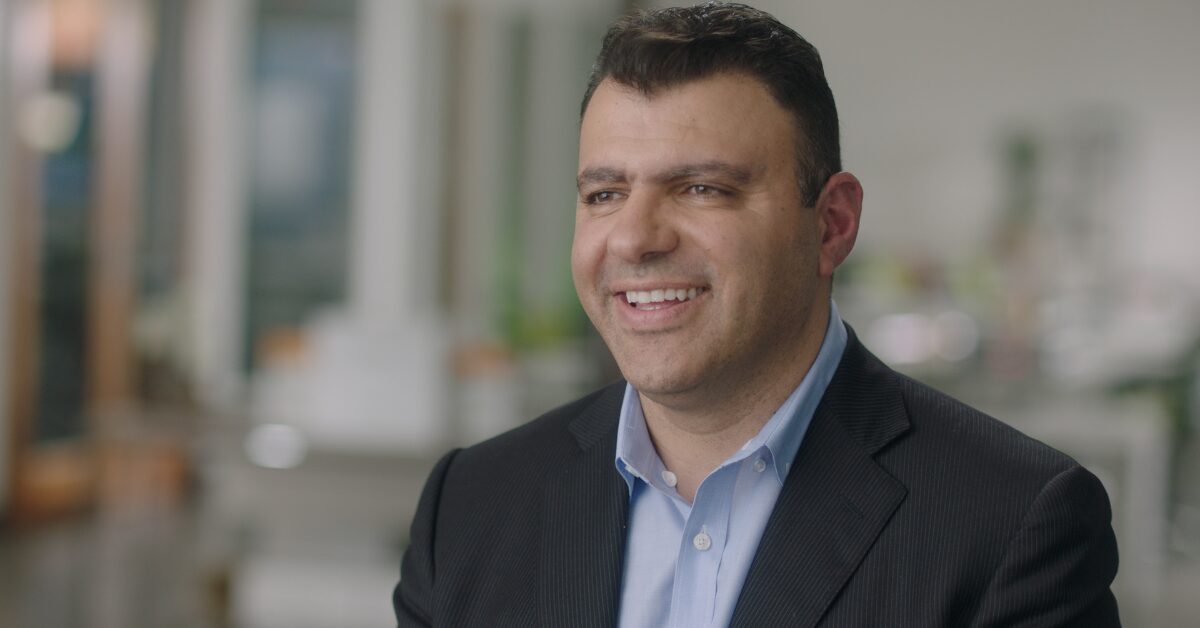
Few leaders have done more to turn longevity science into practical medicine than Dr. Joseph Antoun. As CEO and Chairman of L-Nutra Inc., a leading nutrition technology company focused on aging and age-related disease, he has helped transform longevity from an emerging research field into clinically validated medical interventions designed to prevent and manage chronic conditions. His work spans medicine, scientific research, public policy, and investment, placing him at the center of a global shift toward prevention-based healthcare.
Under Antoun’s leadership, L-Nutra, a global pioneer in clinically validated longevity nutrition and precision fasting technologies, achieved a major scientific milestone by becoming the first organization to clinically demonstrate that autophagy and cellular rejuvenation can be activated in humans through a precisely formulated nutritional intervention, without pharmaceutical treatment. The company’s science-based programs translate decades of aging research into structured interventions used by physicians and patients worldwide. Subsequent research published in Nature suggested potential reductions in biological age of up to 11 years, providing some of the strongest clinical evidence to date that targeted nutritional interventions can influence the biology of aging.
These findings represent a broader shift in how aging is understood within medicine. For decades, aging was treated as an inevitable process rather than a modifiable biological pathway. Advances in nutrient signaling research, cellular stress responses, and metabolic regulation are now reframing aging as a dynamic process influenced by measurable biological mechanisms. By translating these mechanisms into structured nutritional interventions, Antoun has helped position longevity not as an abstract aspiration but as an actionable clinical framework grounded in human data.
This reframing carries profound implications for healthcare systems. If aging biology can be influenced upstream, then prevention becomes more than a lifestyle recommendation; it becomes a strategic medical intervention. In this context, longevity medicine is less about extending years alone and more about compressing morbidity, preserving functional capacity, and reducing the economic burden of chronic disease.
For more than two decades, Antoun has worked across medicine, policy, and industry to establish longevity as both a scientific discipline and an emerging economic sector. Long before longevity became a major investment category, he launched the first investment fund dedicated to longevity science in 2011. Today, his work focuses on translating aging biology into structured medical programs designed to be implemented safely and consistently within real healthcare systems.
From Longevity Research to Clinical Practice
Modern longevity medicine builds on decades of research exploring how metabolism and nutrient signaling influence aging biology. One of the most influential contributors to this work is Dr. Valter Longo, professor of gerontology and biological sciences and director of the Longevity Institute at the University of Southern California. Longo’s research clarified how targeted nutritional interventions can influence cellular repair mechanisms and long-term disease risk.
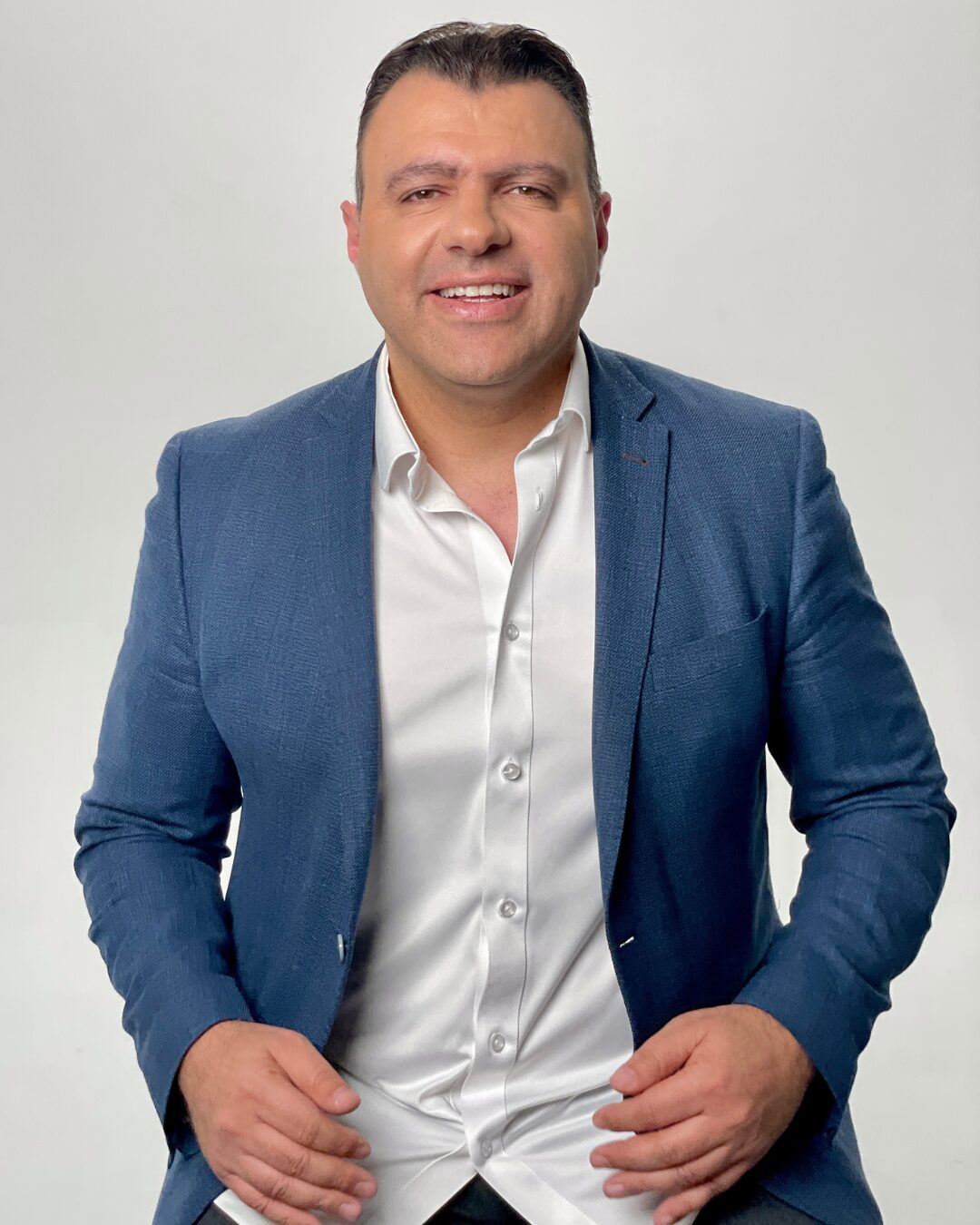
Working closely with Longo’s scientific discoveries, Antoun helped translate this research into structured clinical programs designed for real-world use. The result was the development of the Fasting Mimicking Diet (FMD), a five-day nutritional intervention designed to activate protective biological pathways while maintaining clinical safety.
More than 30 clinical trials have explored fasting-mimicking interventions, with published outcomes demonstrating improvements in cardiometabolic risk factors, diabetes-related markers, and biological aging indicators.
Antoun frequently emphasizes that scientific discovery alone is not enough. Physicians need interventions that can be implemented consistently and safely. A promising biological mechanism becomes meaningful only when it can be integrated into clinical workflows and patient care.
This emphasis on practical implementation reflects a larger evolution within preventive medicine. Nutritional interventions, once viewed primarily as lifestyle recommendations, are increasingly being developed into structured therapeutic programs supported by clinical oversight.
Understanding the Biology of Longevity
One of the most significant developments in modern longevity science has been the ability to demonstrate key cellular renewal processes in humans. A clinical study conducted under Antoun’s leadership showed that a five-day fasting-mimicking diet can activate autophagy, the body’s cellular recycling system, marking a major milestone in aging research.
For decades, autophagy had been primarily studied in laboratory models. Demonstrating activation of this process in humans confirmed that precisely designed nutritional interventions can influence fundamental biological pathways associated with aging. The findings helped move longevity science from theoretical promise toward clinical reality.
These findings align with a broader shift in how chronic disease is understood. Increasingly, metabolic dysfunction is recognized as a root contributor to conditions ranging from cardiovascular disease to neurodegeneration and type 2 diabetes. Rather than addressing symptoms in isolation, a metabolic-first approach focuses on restoring insulin sensitivity, reducing visceral fat, and improving mitochondrial function.
Fasting-mimicking nutrition offers one structured method for initiating this metabolic reset. By lowering glycemic load and modulating nutrient signaling pathways, it supports metabolic flexibility, allowing the body to shift between energy sources more efficiently. In this context, metabolic health becomes less about weight alone and more about long-term physiological resilience.
Structured nutritional interventions have also shown potential for improving markers associated with type 2 diabetes. Antoun is careful to distinguish between remission and cure, emphasizing that the goal is not to eliminate long-term vigilance but to provide patients with tools that can restore metabolic balance and reduce disease burden over time.
The widespread adoption of GLP-1 medications has reinforced the understanding that weight and metabolic health are fundamentally biological issues rather than matters of willpower. While these therapies have produced meaningful results for many patients, Antoun sees nutrition as an essential component of long-term success, particularly after medication use. Without careful nutritional support, patients risk losing lean mass and metabolic resilience, challenges that structured dietary programs aim to address.
Protein intake represents another area where longevity science has introduced nuance into conventional nutrition advice. Adequate protein is essential for maintaining muscle mass, particularly with aging, but both the quality and quantity of protein intake influence metabolic signaling. Antoun often emphasizes a balanced approach that supports muscle preservation while maintaining long-term metabolic stability.
The convergence of metabolic science, aging biology, and structured nutritional programming reflects a larger maturation of the field. Longevity is increasingly defined not by isolated supplements or short-term interventions, but by systems-based approaches that address the underlying drivers of biological decline. Antoun’s work sits squarely within this evolution, emphasizing reproducibility, clinical oversight, and measurable outcomes rather than theoretical promise.
Moving Beyond Diet Culture
A broader focus on metabolic resilience and long-term vitality is gradually replacing the language of traditional dieting. Patients increasingly recognize that short-term weight loss strategies rarely produce durable health improvements. Instead, there is growing interest in approaches that support sustainable metabolic health and long-term vitality.
Antoun views personalized nutrition programs as an important evolution in preventive care. Positioned between pharmaceuticals and general lifestyle advice, these programs offer structured interventions tailored to individual metabolic profiles.
Preventive medicine increasingly focuses on upstream drivers of disease, including inflammation, oxidative stress, and metabolic imbalance. Whole-food, plant-forward, low-glycemic dietary patterns are gaining renewed recognition not as alternatives to medicine but as foundational components of it.
Longevity science is also reshaping how nutrition is understood in relation to mental and emotional health. Metabolic efficiency influences brain function, mood regulation, and stress resilience through pathways involving inflammation and energy metabolism. Supporting metabolic health, therefore, becomes a way to support both physical and cognitive well-being.
Women’s metabolic health highlights the importance of tailoring longevity strategies to biological differences. Hormonal transitions influence insulin sensitivity and body composition in ways that have historically been underrepresented in research. Nutritional strategies that acknowledge these differences can better support metabolic resilience across the lifespan.
Longevity is no longer limited to older populations. Younger individuals are increasingly proactive about long-term health, while older adults remain focused on independence and quality of life. This cross-generational interest reflects a broader cultural shift toward prioritizing healthspan alongside lifespan.
The Longevity Economy
Longevity has become one of the fastest-growing areas of innovation in healthcare, evolving into a multibillion-dollar global industry attracting major institutional investment.
Long before longevity became a major investment category, Joseph Antoun helped lay the financial and organizational foundation for the field. In 2011, he launched the first investment fund dedicated to longevity science, helping catalyze the early development of what is now a rapidly expanding global sector.
Today, longevity innovation attracts venture capital, institutional investors, and sovereign wealth funds seeking exposure to what many analysts describe as one of the defining healthcare markets of the 21st century.
Antoun’s early investment in longevity science positioned him not only as a company builder but as a field architect. By combining intellectual property strategy, clinical validation, and capital formation, he helped create the conditions for longevity to evolve into a credible economic category.
Clinical Leadership and Integration
As longevity science moves from research into patient care, clinical leadership becomes essential. At L-Nutra, Joseph Antoun has built a multidisciplinary team designed to translate scientific discovery into scalable medical programs.
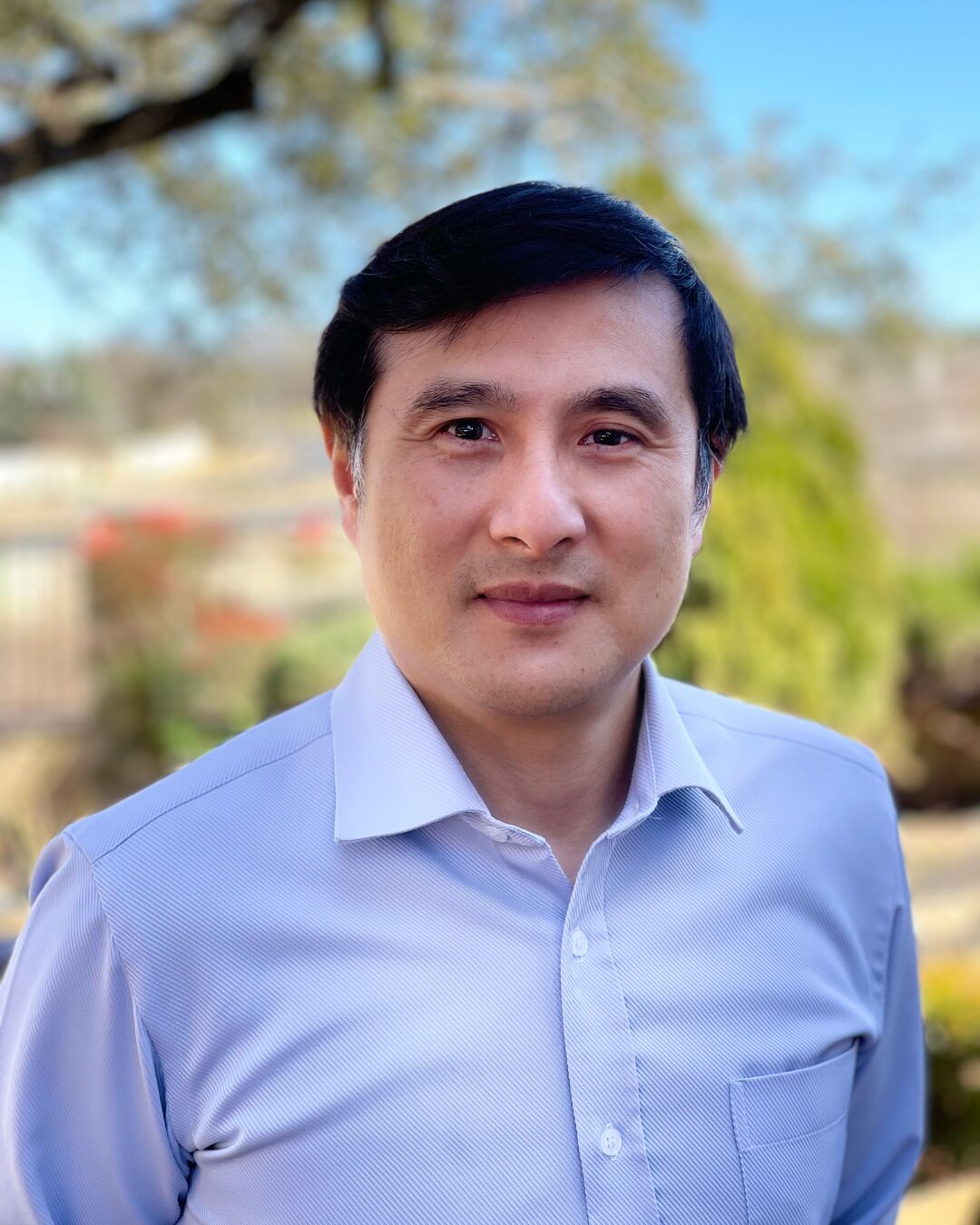
Working alongside Antoun in this effort is Dr. William Hsu, Chief Medical Officer of L-Nutra Inc. and Clinical Lead of L-Nutra Health. Before joining L-Nutra, Hsu spent two decades at Harvard’s Joslin Diabetes Center, where he served as vice president and helped lead international diabetes initiatives.
Today, Antoun and Hsu collaborate to advance physician-guided programs focused on restoring metabolic health through structured nutritional interventions, including the Fasting Mimicking Diet. Hsu’s clinical leadership helps bring these protocols into real-world medical practice, ensuring they can be implemented safely and effectively within healthcare systems.
Together, their work reflects L-Nutra’s broader mission: translating breakthroughs in longevity science into practical tools for physicians and patients. Under Antoun’s leadership, this integration of scientific research and clinical medicine continues to shape the emerging field of longevity healthcare.
The Future of Longevity Medicine
Longevity medicine is still an emerging discipline, but its direction is becoming increasingly clear.
Antoun believes the next phase of longevity medicine will involve deeper clinical integration, broader physician participation, and continued innovation in precision nutrition.
As biomarker testing becomes more sophisticated and digital health tools expand, structured nutrition programs may become increasingly tailored to individual physiology.
Antoun envisions a healthcare model in which periodic metabolic interventions, guided by physicians and supported by data, become routine components of preventive care rather than reactive responses to disease.
Such a model would represent a fundamental shift in how healthcare systems allocate resources. Instead of managing late-stage complications, providers could focus on preserving cellular resilience earlier in life.
Longevity is no longer a distant scientific ambition. It is becoming a practical clinical discipline that brings together biology, medicine, and nutrition into a unified approach to extending healthy human life.
As aging populations reshape global healthcare systems, Joseph Antoun’s work continues to help define what longevity medicine will become.
The Doctor Who’s Rewriting Metabolic Medicine: Dr. William Hsu
Dr. William Hsu spent more than two decades helping advance diabetes care as vice president at Harvard’s Joslin Diabetes Center, one of the world’s leading institutions for metabolic disease.
Yet years of clinical practice revealed a persistent limitation in modern medicine. Despite having more medication options and tighter glucose control, the biological drivers of metabolic disease — including insulin resistance, visceral fat accumulation, and progressive cellular fatigue — were rarely addressed directly.
For Dr. Hsu, the gap was clear. Medicine has become increasingly sophisticated at managing the symptoms and biomarkers of metabolic disease, but far less effective at restoring the metabolic health that prevents those diseases from progressing in the first place.
That realization ultimately led him to pursue a different approach — one rooted in the growing scientific evidence that targeted nutrition can function as a therapeutic intervention when designed with the rigor of modern medical science.
Today, as Chief Medical Officer of L-Nutra, Dr. Hsu is advancing a new model of metabolic care centered on clinician-guided medical nutrition therapy programs powered by interventional nutrition technologies and whole-food dietary frameworks designed to address the root causes of chronic disease.
The Scale of the Metabolic Crisis
The urgency behind this shift is difficult to overstate. Metabolic disease has become one of the defining health challenges of the modern era.
Conditions driven by cardiometabolic dysfunction, including type 2 diabetes, hypertension, dyslipidemia, fatty liver disease, and obesity, now account for the majority of chronic illnesses worldwide. In the United States alone, nearly 93% of adults show signs of metabolic dysfunction.1
While pharmaceutical innovation has produced important tools for managing these diseases, healthcare systems remain largely structured around treating complications rather than restoring metabolic resilience.
At L-Nutra, Joseph Antoun has positioned metabolic restoration as a central pillar of longevity medicine. Working alongside clinical leaders such as Dr. William Hsu, Antoun has focused on developing physician-guided nutritional interventions designed to address the biological drivers of metabolic disease rather than simply managing its symptoms.
From Food as Medicine to Nutrition Technology
Over the past decade, a growing body of research has begun to demonstrate that nutrition can do far more than support general wellness. When precisely formulated and delivered within structured clinical protocols, nutrition can directly influence the biological pathways that regulate metabolism, inflammation, and cellular repair.
At the center of this emerging field is the concept of precision nutrition—nutritional interventions designed with the same scientific rigor applied to pharmaceutical development.
One of the most promising examples is the Fasting Mimicking Diet (FMD), a nutrition technology developed from decades of longevity research that temporarily shifts the body into a fasting-like metabolic state while still providing carefully calibrated nutrients.
Clinical studies have demonstrated that periodic FMD cycles can reduce visceral fat, improve insulin sensitivity, and activate cellular repair mechanisms associated with metabolic restoration.
For Antoun, this represents a fundamental shift in how metabolic disease can be approached within modern healthcare. Working in conjunction with clinicians such as Dr. Hsu, he has helped translate these scientific insights into structured programs that physicians can implement in real-world patient care.
Rather than relying exclusively on pharmaceuticals to manage glucose levels, clinicians may increasingly deploy targeted nutritional technologies capable of influencing the biological processes that drive disease itself.
A Platform for Root-Cause Care
At L-Nutra Health, the medical division of L-Nutra, this scientific foundation has been translated into physician-guided, dietitian-supported medical nutrition therapy programs designed to address metabolic disease at its biological roots.
These programs combine clinical oversight, laboratory monitoring, and ongoing dietetic consultations with structured FMD nutrition cycles to create an integrated therapeutic platform.
The goal is not simply to improve laboratory markers but to restore metabolic function by targeting the key drivers of disease: insulin resistance, visceral fat, and cellular aging.
Multiple clinical trial outcomes from these comprehensive programs demonstrate meaningful improvements in HbA1c, fasting glucose, blood pressure, lipids, and abdominal adiposity—markers closely tied to long-term cardiometabolic risk.
Under Antoun’s leadership, the integration of clinical medicine with scientifically designed nutrition technologies has become a defining feature of L-Nutra’s approach. In collaboration with physicians such as Dr. Hsu, the company is developing scalable models of metabolic care that integrate medical oversight with precision nutrition protocols.
Activating Cellular Repair
A key component of this model involves activating autophagy, the body’s cellular recycling process.
Autophagy helps remove damaged cellular components, improve mitochondrial function, restore metabolic efficiency, and lower biological age. When impaired, it contributes to metabolic dysfunction, accelerated aging, and increased susceptibility to chronic disease.
Through clinically structured fasting-mimicking nutrition cycles, researchers working with the FMD platform have demonstrated the ability to activate autophagy and cellular rejuvenation pathways in humans without pharmaceutical intervention.
For Antoun and his clinical collaborators, including Dr. Hsu, this represents a critical advancement in metabolic medicine—the ability to influence cellular repair and reprogramming mechanisms that conventional therapies rarely address.
Leading the Next Frontier of Medicine
The implications of this work extend far beyond any single intervention. As metabolic disease continues to rise globally, many clinicians are beginning to recognize that managing chronic disease indefinitely is not a sustainable long-term strategy.
The next era of medicine will require tools capable of restoring metabolic health earlier in the disease process, before irreversible complications occur.
At L-Nutra, Joseph Antoun’s vision for longevity medicine centers on this shift toward root-cause metabolic care, supported by physician-guided nutrition technologies and clinical collaboration with leaders such as Dr. William Hsu.
By combining physician oversight, dietetic expertise, and scientifically engineered nutrition platforms like the FMD, Antoun believes healthcare can move toward a model that does more than manage disease. It can help reverse its trajectory.
In that emerging model, nutrition is no longer simply advice—it becomes a clinically deployed intervention capable of reshaping the future of metabolic medicine. Through the integration of scientific discovery, physician-guided care, and precision nutrition technologies, Joseph Antoun and his clinical collaborators, including Dr. William Hsu, are helping redefine how medicine approaches aging and chronic disease. As longevity science continues to move from laboratory research into everyday clinical practice, Antoun’s work is helping to establish a new framework for healthcare—one focused not only on treating illness, but also on preserving metabolic health, extending healthspan, and changing the trajectory of human aging itself.
About Joseph Antoun, MD, PhD, MPP
CEO and Chairman, L-Nutra Inc.
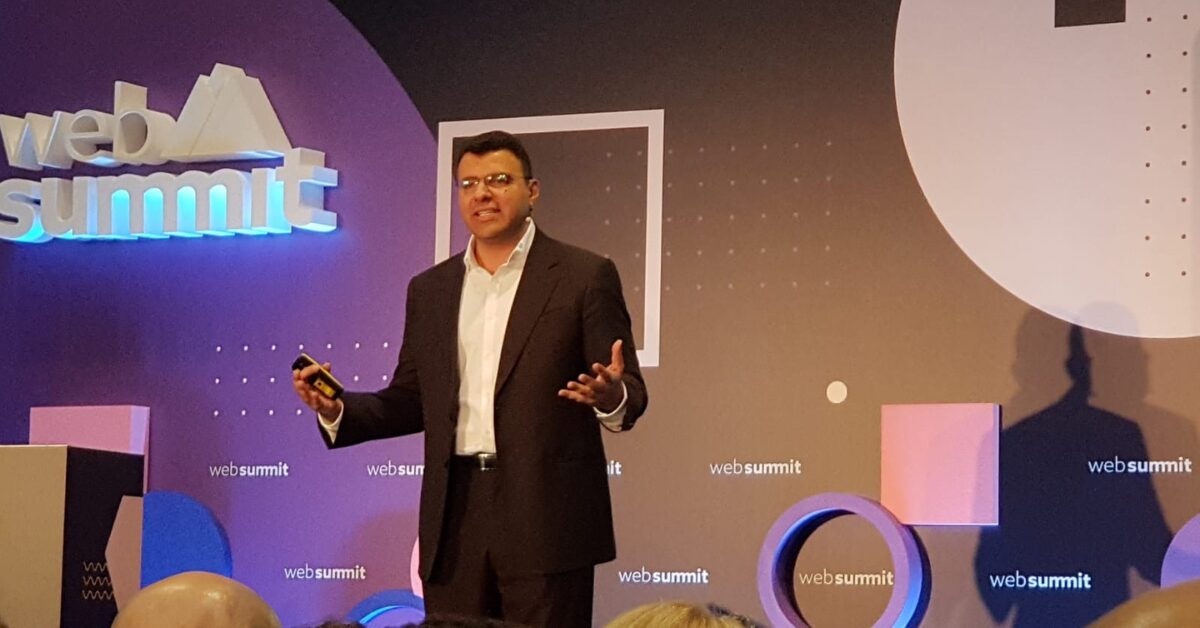
Dr. Joseph Antoun is a visionary leader at the forefront of biotechnology, where medicine, science, and public policy converge to shape the future of human health. As CEO and Chairman of L-Nutra Inc., he has propelled the company to global prominence through its pioneering work in nutrition technology and the Fasting Mimicking Diet (FMD)—a breakthrough approach designed to unlock the body’s innate regenerative potential and extend healthspan.
With a background that spans clinical medicine (MD), biomedical sciences (PhD), and public policy (MPP), Dr. Antoun brings a rare multidisciplinary lens to the challenge of advancing longevity. His leadership has positioned L-Nutra as a catalyst for transformation in how we approach disease prevention, cellular rejuvenation, and sustainable health.
A sought-after speaker and global changemaker, Dr. Antoun is also a prominent advocate for evidence-based health policy. He previously served as Chairman of the Global Healthspan Policy Institute, CEO of Health Systems Reform, Co-Director of the Center for Health Policy at the University of Chicago, and Fellow at the London School of Economics. He also co-founded and served as Co-Editor-in-Chief of the Journal of Health Systems and Reform and was a member of the Forbes Business Development Council.
About William Hsu, MD
Chief Medical Officer, L-Nutra, Inc.
Clinical Lead, L-Nutra Health
Dr. William Hsu is a leading endocrinologist and innovator in metabolic health with more than two decades of experience at the forefront of diabetes care. After 20 years at Harvard’s Joslin Diabetes Center—where he served as Vice President and led global advisory initiatives across 12 countries—Dr. Hsu joined L-Nutra in 2019 as Chief Medical Officer to drive forward a new paradigm in chronic disease care.
At L-Nutra, Dr. Hsu leads clinical strategy, medical and scientific affairs, and the development of L-Nutra Health, a groundbreaking division focused on the remission and regression of type 2 diabetes using nutrition-based therapeutic approaches, including the Fasting Mimicking Diet (FMD). His vision: to reduce reliance on medications by harnessing the body’s innate capacity for repair and metabolic restoration.
Dr. Hsu has played a pivotal role in shaping national standards of diabetes care through his service on multiple American Diabetes Association committees. His research has explored the pathophysiology of diabetes and the role of digital health technologies in managing chronic disease.
He earned his medical degree from the Icahn School of Medicine at Mount Sinai, completed his internal medicine residency at Yale School of Medicine, and trained in endocrinology and metabolism at Harvard Medical School, where he also served as Assistant Professor of Medicine.
About Michele Hughes
Michele Hughes is the visionary founder of Ageless and Timeless and the dynamic host of the Ageless and Timeless podcast. As a monthly contributor to TopDoctor Magazine, she offers powerful insights on wellness, longevity, and living fully at every stage of life. With a deep passion for health and vitality, and serving as a role model for timeless elegance, Michele empowers audiences to embrace their highest potential and live with purpose and grace. Michele’s podcast, Ageless and Timeless, was one of 20 Inaugural Podcasts selected for the Muscle and Fitness Plus platform that began in 2023.
For more information, please reach out to express interest in being a potential guest on the Ageless and Timeless podcast or to be featured in the TopDoctor Magazine Ageless and Timeless column with Michele Hughes. For podcast collaborations or to have Michele Hughes on your show, please contact her at:
Email: themichelehughescompany@gmail.com
Website: www.agelessandtimeless.com
Instagram: @agelessandimeless
LinkedIn: https://www.linkedin.com/in/michele-hughes-83a3b935/
Facebook: https://www.facebook.com/michele.hughes.186
Ageless and Timeless podcast, on YouTube, iTunes, Spotify, and wherever podcasts are available.
References:
- O’Hearn, M., Lauren, B. N., Wong, J. B., Kim, D. D., & Mozaffarian, D. (2022). Trends and Disparities in Cardiometabolic Health Among U.S. Adults, 1999-2018. Journal of the American College of Cardiology, 80(2), 138–151. https://doi.org/10.1016/j.jacc.2022.04.046