In sports performance and sports medicine, one fundamental truth remains constant: every movement begins with the foot. Whether sprinting down a basketball court, cutting on a soccer field, or landing from a jump, the interaction between an athlete’s foot and the ground determines how force travels through the body.
For decades, coaches and clinicians have relied on observation, strength testing, and laboratory-based biomechanics assessments to evaluate movement quality. While these tools remain valuable, they often fail to capture how athletes actually move during real training sessions and competition.
A new generation of wearable technology is beginning to close this gap. Among the most promising innovations is Plantiga, a smart insole system designed to measure real-world biomechanics during sport-specific movement. For developing athletes, whose bodies are still growing and adapting, this technology offers a powerful new way to monitor movement patterns, reduce injury risk, and optimize performance.
Bringing Biomechanics Out of the Lab
Traditionally, biomechanical analysis has been performed using force plates and motion capture systems inside specialized laboratories. While these systems provide highly accurate data, they also come with limitations. Most importantly, they measure movement in controlled environments rather than in the dynamic, unpredictable settings where athletes actually compete.
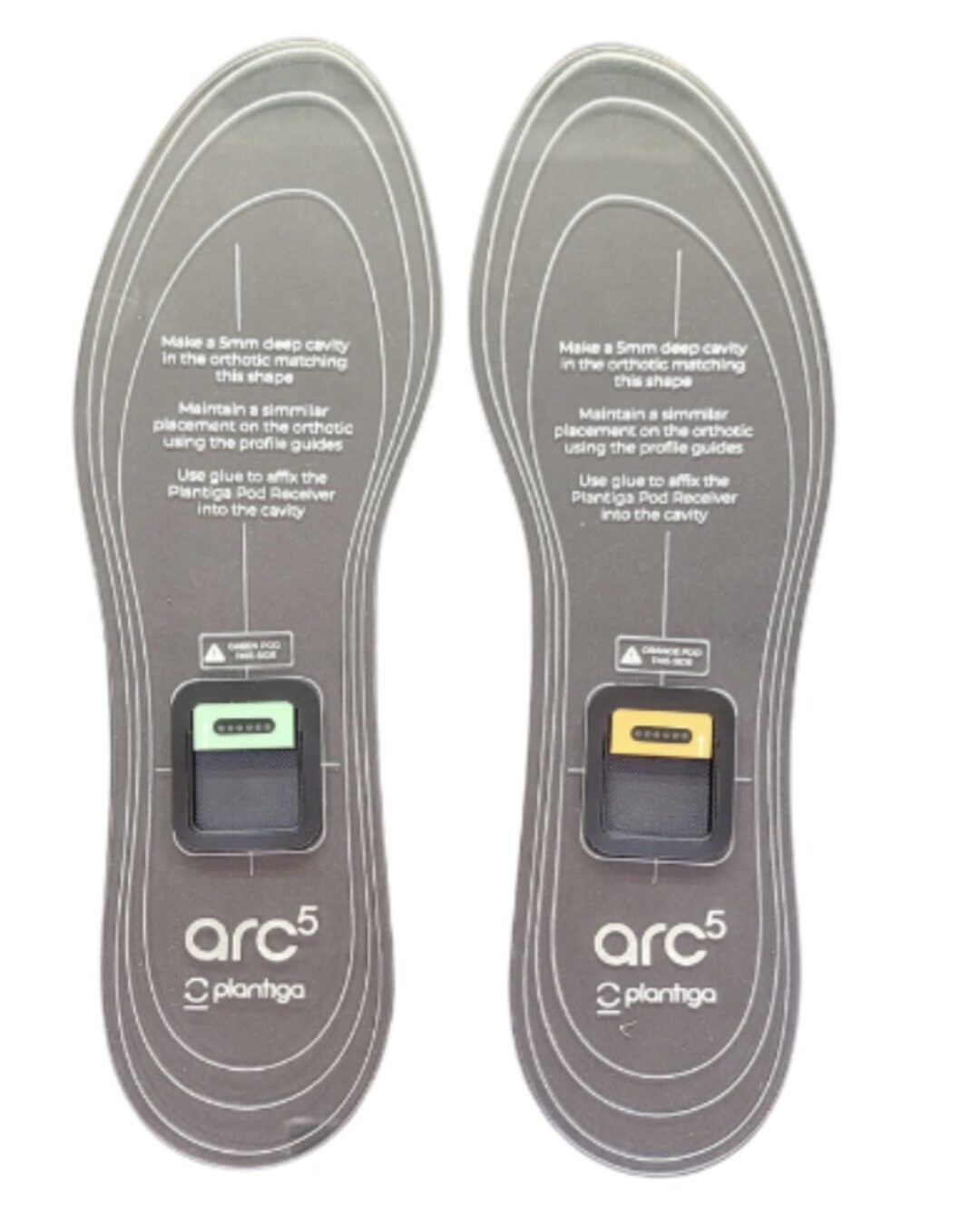
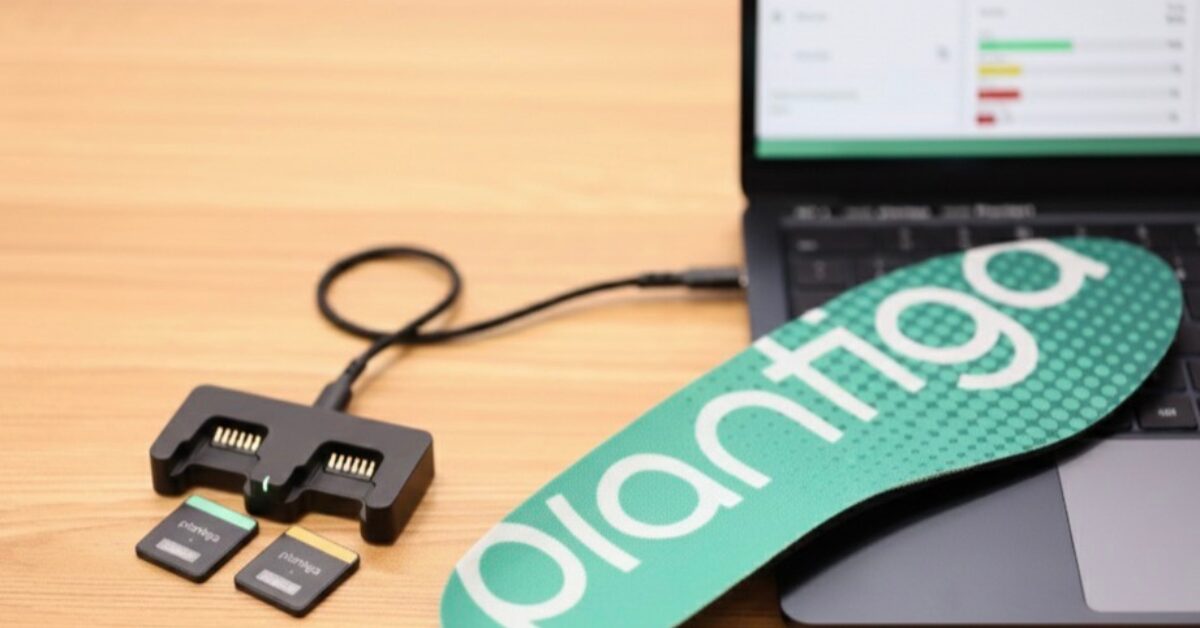
Plantiga’s smart insoles solve this problem by embedding sensors directly inside an athlete’s shoe. Once inserted, the system collects movement data in real time during running, jumping, cutting, and acceleration.
The insoles track a range of biomechanical metrics, including:
- Ground contact time
- Impact loading rate
- Force distribution through the foot
- Acceleration and deceleration forces
- Symmetry between left and right limbs
- Movement patterns during sport-specific actions
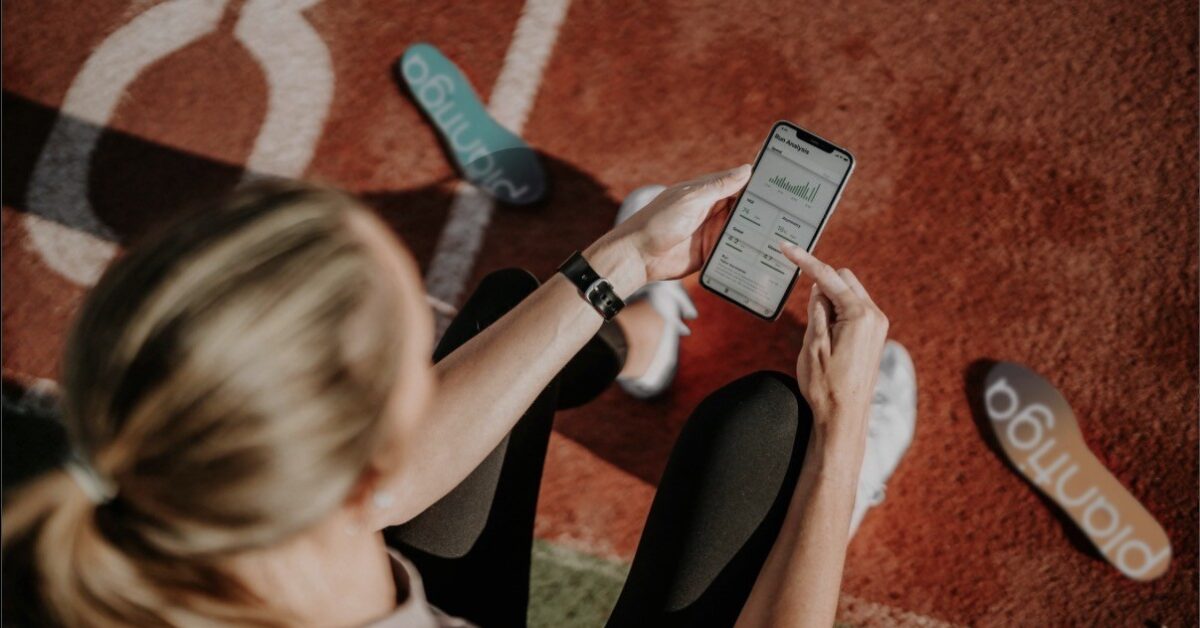
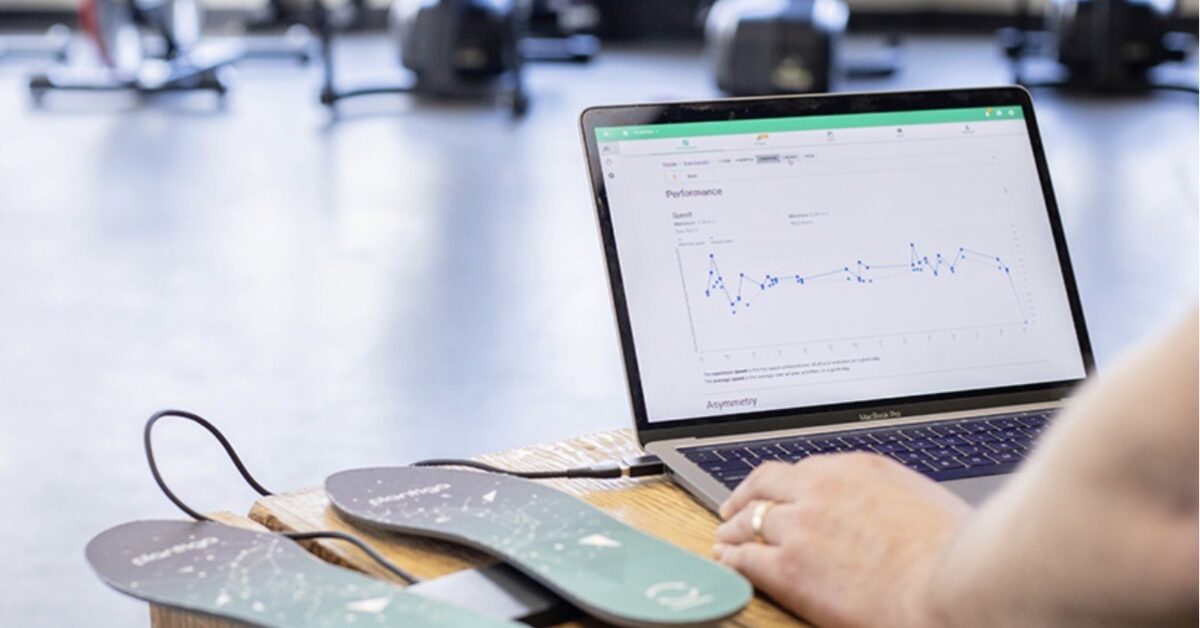
The data is then transmitted to a mobile platform where coaches, clinicians, and sports scientists can analyze trends over time. This approach allows performance teams to observe how athletes actually move during training sessions, conditioning drills, and competition — providing insights that were previously unavailable outside of research settings.
Why Foot Mechanics Matter in Athletic Performance
The human foot contains 26 bones, 33 joints, and over 100 muscles, tendons, and ligaments, making it one of the most complex biomechanical structures in the body. During athletic movement, the foot acts as both a shock absorber and a force transmitter. When an athlete lands from a jump, the foot must dissipate impact forces safely. When sprinting or accelerating, it must efficiently transfer force into the ground to generate speed.
Subtle inefficiencies in this system can have cascading effects throughout the kinetic chain. Excessive ground contact time, asymmetrical loading, or poor force absorption can place increased stress on the ankles, knees, hips, and spine. Over time, these mechanical inefficiencies may contribute to overuse injuries or ligament damage. This is particularly relevant in youth athletics, where growth spurts can temporarily disrupt coordination, mobility, and neuromuscular control. Technology that allows practitioners to monitor these changes in real time offers a valuable new tool for athlete development.
Implications for Injury Prevention
Injury prevention remains one of the most important challenges in modern sports medicine.
Adolescent athletes today are training more intensely and specializing in sports earlier than previous generations. While this increased commitment can improve performance, it also raises the risk of repetitive stress injuries and ligament tears.
Female athletes are especially vulnerable to injuries such as anterior cruciate ligament (ACL) tears, which occur at significantly higher rates in sports like basketball, soccer, and volleyball. Research has shown that many of these injuries are influenced by biomechanical factors, including landing mechanics, force distribution, and asymmetrical movement patterns. Plantiga’s smart insole technology can help identify these patterns before injury occurs.
For example, the system can detect:
- Excessive loading on one limb during running or jumping
- Inefficient braking mechanics during deceleration
- Increased impact forces during landing
- Changes in movement efficiency associated with fatigue
When these patterns appear, coaches and clinicians can intervene early by adjusting training loads, refining technique, or implementing targeted strength and neuromuscular training. Rather than reacting to injury, performance teams can shift toward a more preventative model of athlete care.
Monitoring Growth and Development in Young Athletes
One of the most challenging periods in athletic development occurs during adolescence. Rapid growth can alter limb length, joint angles, and muscular coordination. Athletes who previously moved efficiently may temporarily lose balance, control, or stability as their bodies adapt to new physical dimensions. During these phases, objective movement monitoring can be particularly helpful. By tracking biomechanical metrics over time, practitioners can observe how an athlete’s movement patterns evolve during growth spurts. If asymmetries or inefficient force patterns begin to appear, training programs can be adjusted accordingly. This approach helps ensure that strength and conditioning programs support the athlete’s changing biomechanics rather than unintentionally reinforcing faulty movement patterns.
For young athletes with long-term competitive goals, this type of monitoring may play an important role in both performance development and injury resilience.
A Biohacking Approach to Athletic Performance
The concept of biohacking is often associated with longevity medicine, advanced recovery tools, and performance optimization strategies. At its core, however, biohacking simply refers to using technology and science to better understand and improve human physiology. Plantiga represents a unique example of this concept in the athletic world.
By transforming everyday movement into measurable data, the technology allows athletes and practitioners to understand better how the body interacts with the ground during sport.
Instead of relying solely on visual assessment, training decisions can now be informed by objective biomechanical feedback. This shift toward data-informed coaching aligns with the broader trend toward precision performance medicine, where interventions are tailored to the individual athlete rather than based on generalized training models.
An Athlete’s Perspective
For young athletes growing up in a technology-driven world, integrating data into training is becoming increasingly natural.
“As an athlete, it’s really interesting to see what your body is doing during practice and games,” said Ava Quint, a competitive basketball player and co-author of this article.
“Sometimes you think you’re moving one way, but the data shows something different. It makes you more aware of how you land, how you push off the ground, and how your body moves.”
For many athletes, this awareness becomes a powerful learning tool.
“When you start seeing the numbers, you want to improve them. It makes you focus on moving better, not just training harder.”
The Future of Movement Intelligence
Wearable technology is rapidly reshaping the way athletes train, recover, and monitor performance. From GPS workload tracking to heart rate variability and sleep monitoring, the sports world is increasingly embracing data-driven insights. Smart insoles represent an important next step in this evolution because they measure the most fundamental aspect of athletic movement: how the body interacts with the ground.
As technology continues to advance, systems like Plantiga may become standard tools for athlete monitoring programs in youth, collegiate, and professional sports. For physicians, performance specialists, and coaches, the ability to analyze real-world biomechanics may provide one of the most valuable new tools in the pursuit of athletic health and longevity. Because, in the end, every sprint, jump, and cut begins the same way.
With a single step.
For more expert-backed training tips and everyday wellness strategies, follow @up_lift_gym and @ash_leigh_quint on Instagram.