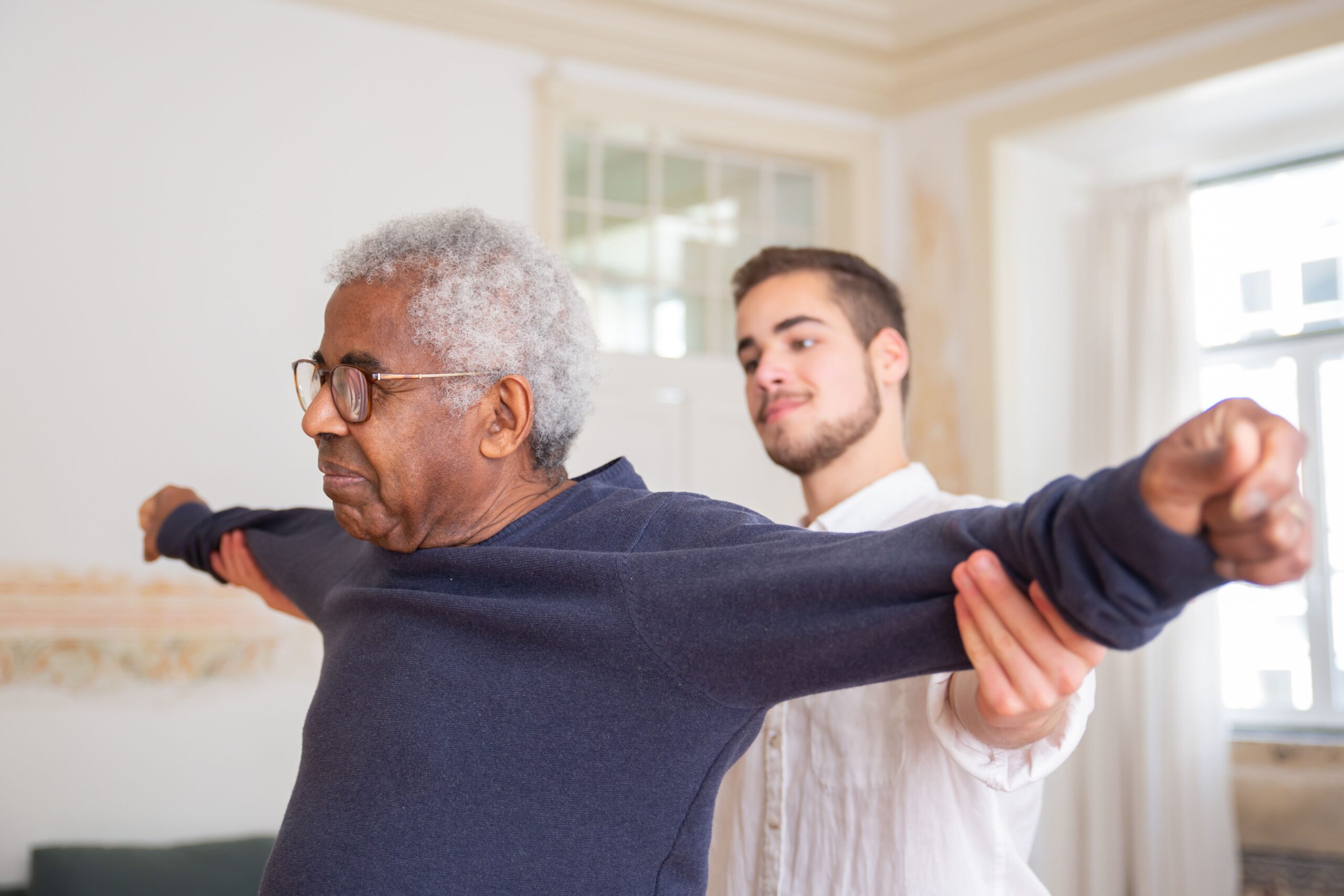
TopDoctor Magazine readers tend to follow the science behind healthy aging closely, from longevity research to the supplement choices that keep older adults independent well into their seventies and beyond. Mobility belongs in that same conversation, yet it rarely gets the same attention as nutrition or supplementation. Physical therapists who work with seniors every day see a pattern that deserves more airtime: the exercises people are told to do at home often are not the exercises that actually protect them from falls, frailty, and functional decline.
That gap between prescribed movement and clinically meaningful movement is where trained eyes make the difference. A therapist watching a patient rise from a chair is not just counting repetitions, they are reading posture, weight shift, and momentum in ways a printed handout cannot teach. For families looking for a starting point that respects this clinical nuance, a 21 chair exercise for seniors visual guide can offer a safer, more structured entry into seated mobility work than generic online routines, though it still benefits from professional oversight when red flags appear.
What Trained Eyes Detect: The Five Clinical Assessment Markers Physical Therapists Use
Geriatric mobility specialists rarely rely on a single test to judge how a senior is functioning. Instead, they draw from a small toolkit of validated measures that together paint a fuller picture than any home program can capture. According to guidance compiled by Physiotherapy Alberta in 2024, the core assessment set includes gait speed, standing balance, grip strength, the Timed Up and Go test, and the 30-second chair stand test. Each of these targets a different system, from cardiovascular endurance to neuromuscular control, and a decline in just one can signal a problem long before a fall actually happens.
Home exercise programs, by contrast, usually track only whether a set of movements was completed, not how well the body performed them. A senior might finish all ten chair squats prescribed for the week, but a therapist watching the same movement could notice a rightward trunk lean, a delayed push-off, or a reliance on arm strength that masks weakening hip extensors. These compensations are exactly what standardized tools are designed to catch, and they are also why remote and in-person chair stand testing has become a favored benchmark in clinical research, including telehealth programs that recorded a mean improvement of 3.0 chair stands from baseline across nearly 4,000 older adults.
Early Warning Signs Home Exercise Programs Miss: Compensatory Movement Patterns and Functional Decline
Compensatory movement is the quiet saboteur of self-directed rehabilitation. When a joint or muscle group is not strong enough to perform a task correctly, the body recruits neighboring structures to get the job done anyway, and this workaround often goes unnoticed until it causes pain or instability elsewhere. A therapist observing a senior reach for a cup might catch a subtle shoulder hike or spinal rotation that indicates a rotator cuff or core deficit, details that would never appear on a checklist of completed exercises.
This is precisely why chair-based rehabilitation, when properly supervised, produces results that generic routines struggle to match. A 2025 randomized controlled trial found large treatment effects from structured chair-based exercise across pain, stiffness, function, and dynamic balance measures, outcomes that depend heavily on correct form and appropriate progression rather than simple repetition counts. Without a clinician’s eye to adjust seat height, foot placement, or range of motion, seniors following a home program may plateau or, worse, reinforce the very movement faults that put them at risk.
Why Adherence Fails: The Gap Between Prescribed and Performed Exercise at Home
Even a perfectly designed home program is only as good as a person’s willingness and ability to follow it consistently, and this is where the data becomes sobering. According to NIH, adherence by older adults to home exercise programs for the prevention of falls is low and may be affected by specific intervention characteristics, highlighting why professional oversight and personalized assessment are critical for safe, effective mobility rehabilitation. One systematic review cited in that research found an adherence rate as low as 21 percent, a figure that should give pause to anyone assuming a printed handout alone will change functional outcomes.
Interestingly, attendance data suggests the delivery format itself is not the main obstacle. Monthly attendance rates between 2020 and 2024 showed telehealth exercise formats at 66.3 percent compared to 64.8 percent for in-person sessions, a difference that was not statistically significant. What separates successful outcomes from stalled ones appears to be structured accountability, whether through a scheduled telehealth check-in or an in-person visit, rather than the exercise setting alone. Seniors who receive some form of ongoing professional feedback are far more likely to sustain gains than those left entirely to self-monitor.
| Metric | Reported Figure |
| Home Exercise Program Adherence Rate | 21% (systematic review, NIH-cited) |
| 30-Second Chair Stand Improvement (Telehealth) | Mean gain of 3.0 stands (n=3,924) |
| Chair-Based Exercise Treatment Effect | Large effects on pain, stiffness, function, balance |
| Monthly Attendance (Telehealth vs In-Person) | 66.3% vs 64.8% |
| Core Geriatric Mobility Assessments | 5 validated tools (gait speed, balance, grip, TUG, chair stand) |
When to Call a Professional: Red Flags That Require Personalized In-Home Assessment
Certain signs should prompt families to move beyond a self-guided routine and request a hands-on evaluation. A noticeable slowdown in walking speed, difficulty rising from a chair without using the arms, unexplained fear of falling, or fluctuating grip strength are all markers that a licensed therapist would flag immediately during a standardized assessment. These changes can develop gradually enough that they escape notice in daily life, yet they often show up clearly the moment someone performs a Timed Up and Go test or a chair stand assessment under professional observation.
Bringing in a physical therapist for an in-home evaluation is not an admission that a home program has failed, it is simply an acknowledgment that mobility is a moving target that benefits from periodic recalibration. A clinician can adjust exercise intensity, correct compensatory patterns before they become entrenched, and set realistic benchmarks tied to validated tools rather than guesswork. For seniors and their families, that kind of oversight transforms a well-meaning exercise sheet into a genuinely protective, evidence-based part of long-term independence.